

On a warm October night in Hyde Park, music from a rented house near the University of Chicago drifted across a block of brick homes and parked cars. Students moved between the porch and the sidewalk with plastic cups, and a member of Alpha Epsilon Pi later said the hosts had posted rules, watched the door, and stopped serving guests who seemed unsteady. That student is the U of C fraternity assault witness whose account now sits inside a painful campus argument about what care looks like before an allegation, and what responsibility remains after one.
A house on a residential block
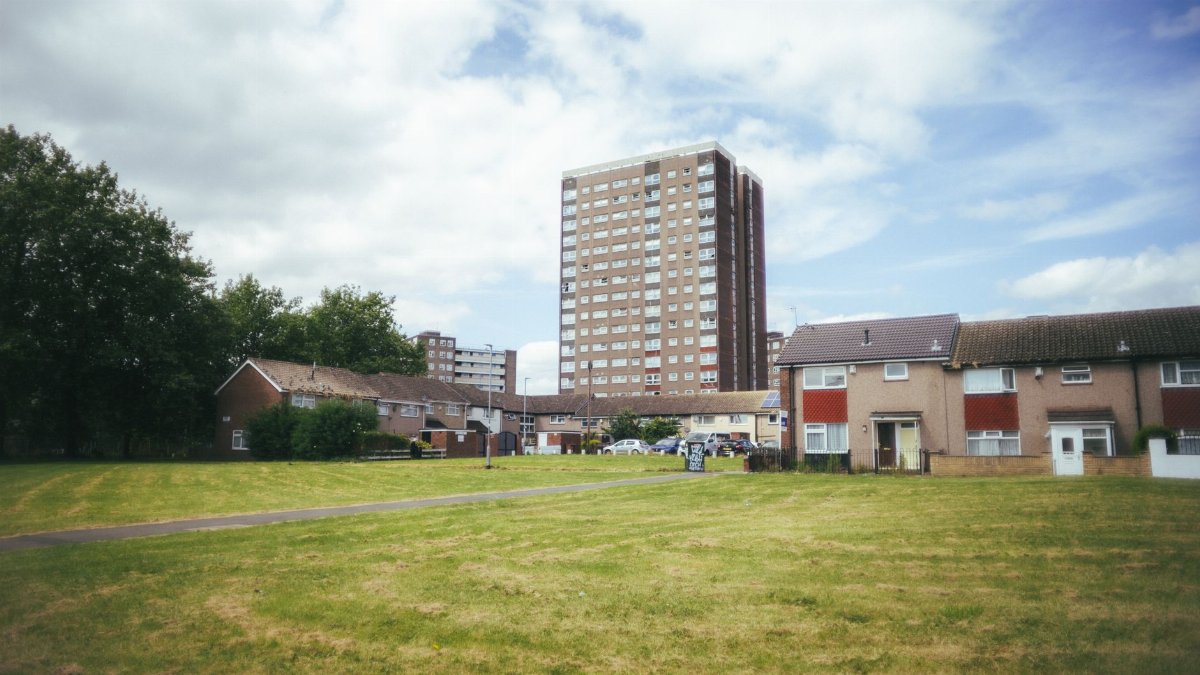
The party was not in a chapter house on campus. It was in a private residence a short walk from the main quadrangles, the kind of Hyde Park rental that fills on weekend nights when classes loosen their grip. Neighbors have complained for years about noise, rideshares idling at the curb, and students spilling into yards that do not belong to them. On this night, according to the witness, the hosts tried to keep the gathering smaller than the invitations suggested.
He described a list on the fridge, a friend checking names at the door, and water set out beside the drinks. None of that, he said, felt unusual. It felt like the minimum a group learns to do after years of campus talks about alcohol and consent. What felt unusual was the phone call that came days later, and the realization that a night he remembered as controlled was being described by someone else as the setting of an alleged sexual assault.
What the witness says he remembers
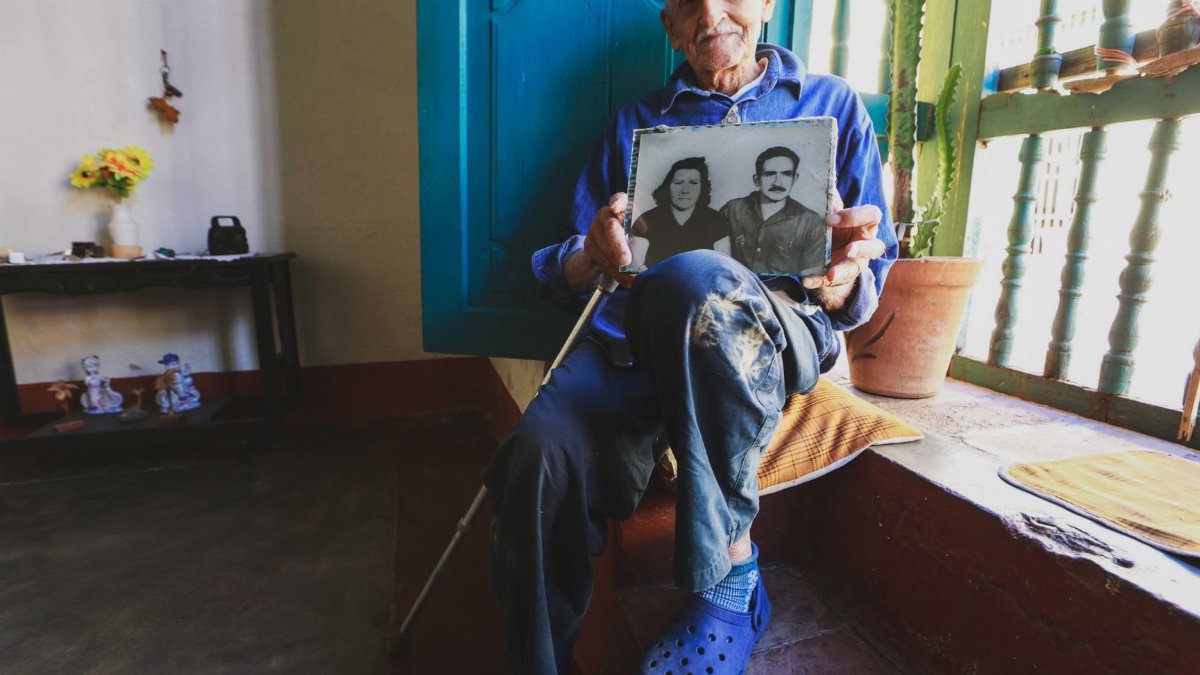
The U of C fraternity assault witness asked that his full name not be published, citing the open inquiry and the size of the campus social world. He is an upper year student and a member of the chapter. He said he spent much of the evening near the kitchen, not because he was assigned a formal role, but because that was where people gathered when the living room grew loud.
He remembers the complainant as a guest who arrived with friends, danced, and left the main room more than once. He remembers an argument, or what he first took for an argument, near the back stair. He does not claim to have seen every minute. He does claim that when he noticed the two students together later, both were speaking, both were upright, and a friend of the guest was nearby. “We were extremely careful that night,” he said. “That is what I keep returning to, and I know careful is not the same thing as knowing.”
Precautions and their limits

Asked what careful meant in practice, he listed ordinary steps. No open punch. Drinks poured where others could see them. A plan to walk guests to cars rather than let them leave alone. A group chat among members if someone looked lost or ill. He said one guest was asked to sit down and was given water after stumbling on the porch. He said that guest was not the complainant.
Those details matter to him because they are the story he can tell with confidence. They do not settle the allegation. Precautions can reduce risk and still fail to prevent harm. They can also become a script people recite when they are frightened of what they did not see. The witness seemed aware of both possibilities. He corrected himself twice when a sentence slid from memory into defense.
How the allegation reached the chapter

The witness said he learned of the complaint from a chapter officer, not from social media and not from the guest herself. By then, he said, members had been told not to contact the complainant, not to discuss details in group chats, and not to treat the night as a story to be won. Some followed that advice. Others, he admitted, did not. Screenshots moved. A few alumni called. The house group tried to reconstruct a timeline from photos and half remembered exits.
That reconstruction is a familiar and risky habit. Memory hardens when people compare notes. A detail one person offers becomes a detail everyone thinks they saw. The witness said he refused to look at the shared timeline until he had written his own account. Whether investigators will find that discipline useful is not for him to know. He has spoken with university staff. He has not, he said, been charged with any offense. No member had been publicly named by authorities when he agreed to talk.
What the university will and will not say

The University of Chicago, like most private institutions, does not comment on individual student matters. A spokesperson pointed generally to campus policies on sexual misconduct, support offices, and the choice students have to report to the university, to police, or to both. That silence is lawful and often necessary. It also leaves a neighborhood and a student body to trade partial stories.
Title IX offices are built for this uneasy middle. They are not criminal courts. They can restrict contact, arrange housing changes, and run processes that students on every side often experience as slow. The witness said he was told to preserve messages and to avoid the complainant. He described the instruction as clear and the waiting as not clear at all.
A national picture that does not decide this case

National research cannot tell anyone what happened in a Hyde Park kitchen. It can explain why a single allegation lands with such force. The Association of American Universities climate survey, reported by the association at https://www.aau.edu/issues/climate-survey-sexual-assault-and-sexual-misconduct, has repeatedly found that a substantial share of students, especially undergraduate women, experience nonconsensual sexual contact during college, and that many never report it to an agency or a school. RAINN summarizes related campus figures at https://www.rainn.org/statistics/campus-sexual-violence.
Those findings describe a pattern, not a verdict. They also describe why friends become informal investigators and why a sentence like “we were careful” can sound, to a listener who was harmed or who loves someone who was harmed, like an alibi rather than a memory. The U of C fraternity assault witness said he understands that reaction and still wants his memory on the record. Understanding and agreement are not the same.
The fraternity and the neighbors

Alpha Epsilon Pi, like other national fraternities, has conduct rules that sit above any one campus chapter. Whether the national organization has opened its own review is not something the witness could confirm. Locally, the chapter has been part of the ordinary Hyde Park argument over parties in houses that share walls with families, retirees, and graduate students who did not choose a social calendar.
A neighbor on the block, speaking generally and not about this allegation, said weekend noise is the issue she raises with the alderman, not the private lives of students. She also said she locks her gate earlier than she used to. That is a small fact, and it is easy to overload it with meaning. It belongs in the story because the party did not happen in a vacuum. It happened on a street where other people sleep.
Friends, faith groups, and the language of care

In the days after the complaint circulated, the witness said he sat with a campus minister he already knew, not to seek a ruling but because he did not trust his own spinning thoughts. Many students, religious or not, look for a room where they can say a fearful sentence without posting it. Chaplains and peer ministers are not investigators. At their best they send people toward medical care, counseling, and formal reporting options, and they refuse to become a second rumor mill.
The category of moral language is tricky here. Care is not a defense. Prayer is not a process. A community that talks often about responsibility still has to tolerate facts it would rather not hold. The witness said the most useful thing he heard was simple: tell the truth you have, do not invent the truth you wish you had, and do not contact the person who reported harm.
What remains unresolved

No public charging document has established a crime. No completed university finding has been released, and none may ever be released. The complainant has not spoken to this reporter. Her account, if she chooses to give one to officials, is hers. The absence of her voice is a limit of this article, not a comment on her credibility. Allegations of sexual assault often surface first in private offices, not in newspapers, and many remain there.
What can be said is narrower. A student who was present describes rules, water, a watched door, and a night he believed was under control. He is the U of C fraternity assault witness now attached, fairly or not, to a case larger than his field of vision. He insists on a sentence that sounds like certainty and, in the next breath, admits the gaps. Both parts belong in the record.
The question campuses keep failing to retire
Every few years a campus discovers again that parties, alcohol, status, and closed rooms are a bad combination, and that posters on a fridge do not dissolve it. Fraternities are not the only setting. They are a visible one, because they organize friendship into a brand and a guest list. When harm is alleged, the brand becomes a magnet for blame and for protection. Members feel watched. Complainants often feel more watched.
The useful standard is not whether a group can say it was careful. The useful standard is whether the people with the least power in the room could leave, refuse, and be believed without social cost. A witness cannot answer that for someone else. He can answer for what he did, what he saw, and what he missed. On that last point the U of C fraternity assault witness was brief. “I was in the kitchen a long time,” he said. “I was not everywhere.”
Where students can turn

Students who need medical care or support after sexual harm can go to a hospital, to campus health services, or to confidential advocates, and they can ask what reporting will mean before they decide. Friends who saw something can write down times and places while memory is fresh, preserve messages, and resist the urge to build a group narrative. Neighbors who hear trouble in the moment can call for help then, not only complain later.
None of those steps decides this allegation. They are the unglamorous habits that make a later search for truth less dependent on pride. The witness said he is prepared to repeat his account under oath if asked. Until then, his words remain what they are: one person’s memory of a night that at least one other person remembers differently, in a city that has heard this kind of sentence before and still has to listen again.