
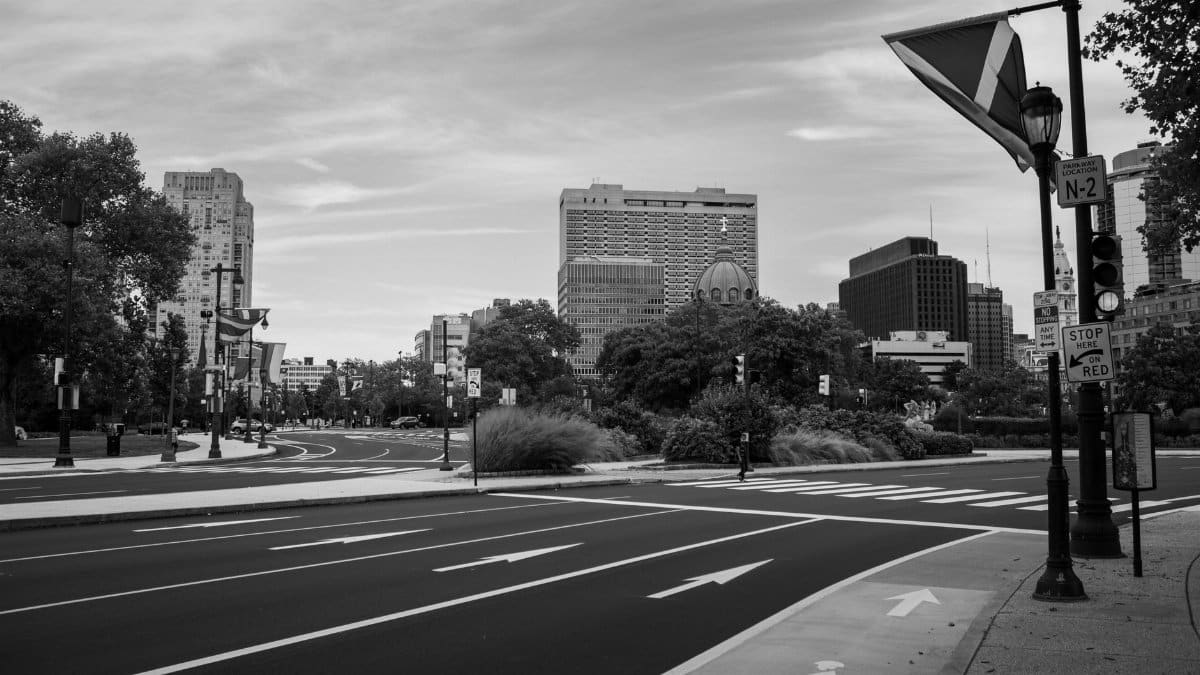
As the first light touched the buildings along the Schuylkill River cyclists prepared for a moment of renewal that had been missing for a full decade. The Philadelphia Cycling Classic brought two hundred riders back to a fourteen point four mile course through city streets on August 30 2026. Officials and longtime supporters watched the start with quiet satisfaction as the event once again claimed its place in the local calendar after years of absence.
Renewal of a City Tradition
The return of this race reflects more than sports alone. It signals a broader sense of reconnection for residents who recall earlier editions and the energy they created across neighborhoods. City leaders spoke of continuity and the value of events that draw people together in shared purpose.
Leadership Behind the Comeback
Mayor Cherelle Parker joined former mayor Michael Nutter to mark the occasion. Their presence highlighted how public support can restore events that once defined summer in the region. Discussions centered on planning that balanced safety with the spirit of open roads.
The Course and Its Demands

Riders faced repeated laps that tested endurance and focus. The route wound past landmarks that offered both challenge and visual reward. Organizers chose paths that allowed spectators to follow progress from several vantage points without disrupting daily movement through the area.
Community Bonds Formed Anew

Local groups gathered to cheer and provide aid stations. Volunteers described the day as a chance to rebuild connections that had faded during the long pause. Families brought children to witness the action and learn about cycling as a form of both recreation and transport.
Economic Ripples Through Neighborhoods
Shops and cafes near the route reported increased activity. Visitors from outside the city added to foot traffic that helped small businesses. The event created short term opportunities for vendors and services tied to hospitality and equipment.
Personal Reflection Among Riders

Many participants spoke of the ride as a time for inner focus amid the physical effort. One veteran noted how the repeated loops allowed moments of quiet thought between bursts of speed. Such experiences aligned with the reflective quality the day seemed to encourage.
Broader Cycling Trends in View
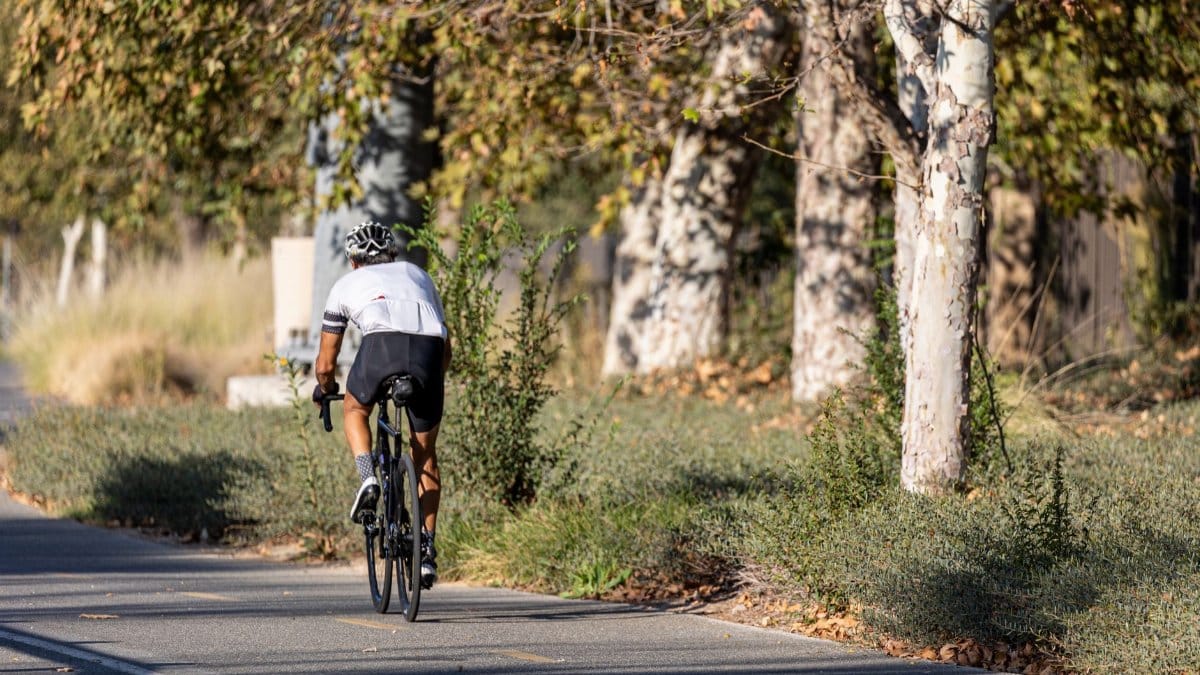
The classic sits within growing interest in urban cycling across the country. Advocates pointed to health benefits and reduced reliance on cars as reasons to support more such gatherings. The Philadelphia event serves as one example of how cities can promote these shifts.
Looking Toward Future Editions

Organizers expressed hope that the race will continue without another long break. Plans include adjustments based on feedback from riders and residents. Sustained interest could lead to expanded categories that welcome a wider range of ages and skill levels.
Environmental Notes on the Day

With many choosing bicycles for travel to the event the carbon impact stayed low. Supporters highlighted this as a quiet strength of the format. The gathering itself promoted awareness of cleaner ways to move through the urban landscape.