
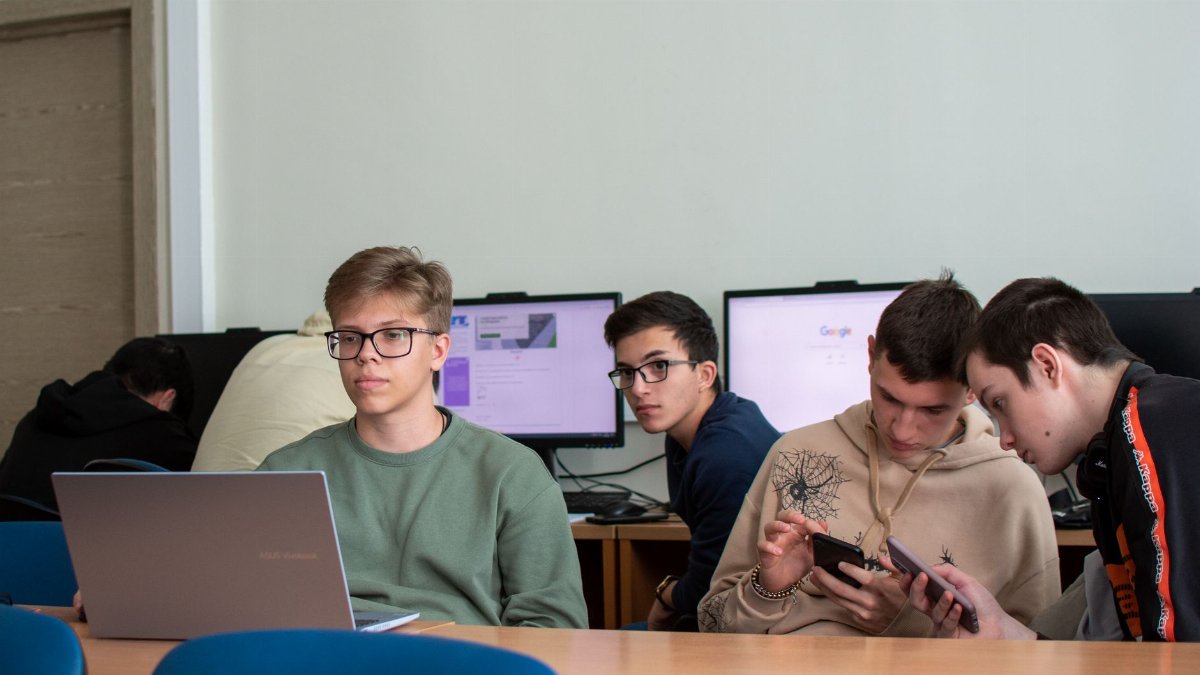
On a Tuesday morning in Dorchester, a ninth grade history teacher asks for silence and gets something thinner than silence. Thumbs move under desks. A laptop lid clicks. The lesson on Reconstruction waits while a group chat does not. That small fracture, repeated across grades, is the scene Boston Public Schools now wants to close. The BPS cellphone laptop ban proposal would have students lock away personal phones and personal laptops for the entire school day, with a target start in fall 2027, in the name of focus and mental health.
What the district is actually proposing
The outline is simple enough to fit on a flyer and hard enough to reorder a teenager’s day. Personal phones would stay out of reach from the first bell to the last. Personal laptops would follow the same rule, which is the part many families have not yet absorbed. School issued devices could still be used when a teacher assigns them. Emergencies would still have a path through the main office. The ambition is not a shorter lecture on digital citizenship. It is a building in which the private screen is not a competing classroom.
District leaders have framed the BPS cellphone laptop ban proposal as a focus measure and a mental health measure at once. They are betting that attention, sleep, and the ordinary friction of face to face talk will improve if the pocket computer is not available between periods. They are also betting that families will accept a loss of instant contact for roughly six hours. That bargain is the whole fight.
The case for a quieter mind
Anyone who has watched a young person refresh a feed knows the mechanism without needing a chart. A notification is a small claim on the nervous system. Multiply it by a hallway, a cafeteria, and a study hall, and the school day becomes a sequence of interruptions with lessons fitted into the gaps. Advocates of a ban argue that willpower is a weak tool against a device built to win. They would rather change the room than scold the child.
The mental health argument sits beside the academic one. Parents describe later bedtimes, comparison that does not turn off at dismissal, and a low grade dread that arrives through the same glass used for homework. A lockup policy cannot repair a culture. It can, supporters say, give the school hours back as a pause. For middle aged readers who remember passing notes on paper, the pause can sound almost old fashioned. For the students living inside the feed, it can sound like a confiscation of their social world.
Teachers who want the lesson to hold
Talk to teachers off the record, and the complaint is rarely about a single viral video. It is about the leak of authority. A class can be well planned and still lose the middle ten minutes to a buzz. A writing exercise can stall because a personal laptop is open to a tab the teacher cannot see from the front. Some educators have already built pouch routines, pocket charts, and honor codes. Many say those local fixes exhaust the willing and spare the resistant.
A district rule would shift the burden from the individual classroom to the building. That is its appeal. It is also its risk. If enforcement is uneven, the strict teacher becomes the villain and the lenient teacher becomes the refuge. Union conversations, still early in public telling, will turn on workload. Who collects the devices. Who hunts the missing one. Who absorbs the anger when a student says the office phone is not fast enough.
Parents split between relief and fear

Relief is easy to picture. A parent who has fought over screen time at the kitchen table may welcome an ally with a badge and a bell schedule. Fear is just as concrete. Boston is a city of early jobs, late trains, and siblings who pick one another up. A phone is a tracking tool, a medical alert, a way to say the practice ran long. Locking it away asks caregivers to trust a system they do not always experience as responsive.
The personal laptop piece sharpens the split. Some households bought a machine so a child could write, code, or keep a portfolio without sharing a kitchen computer. A ban that treats that machine like a toy phone will feel, to those families, like a punishment for preparation. Others will hear a cleaner rule and prefer it. Policy rarely flatters every good intention at once.
Students and the phone as a lifeline
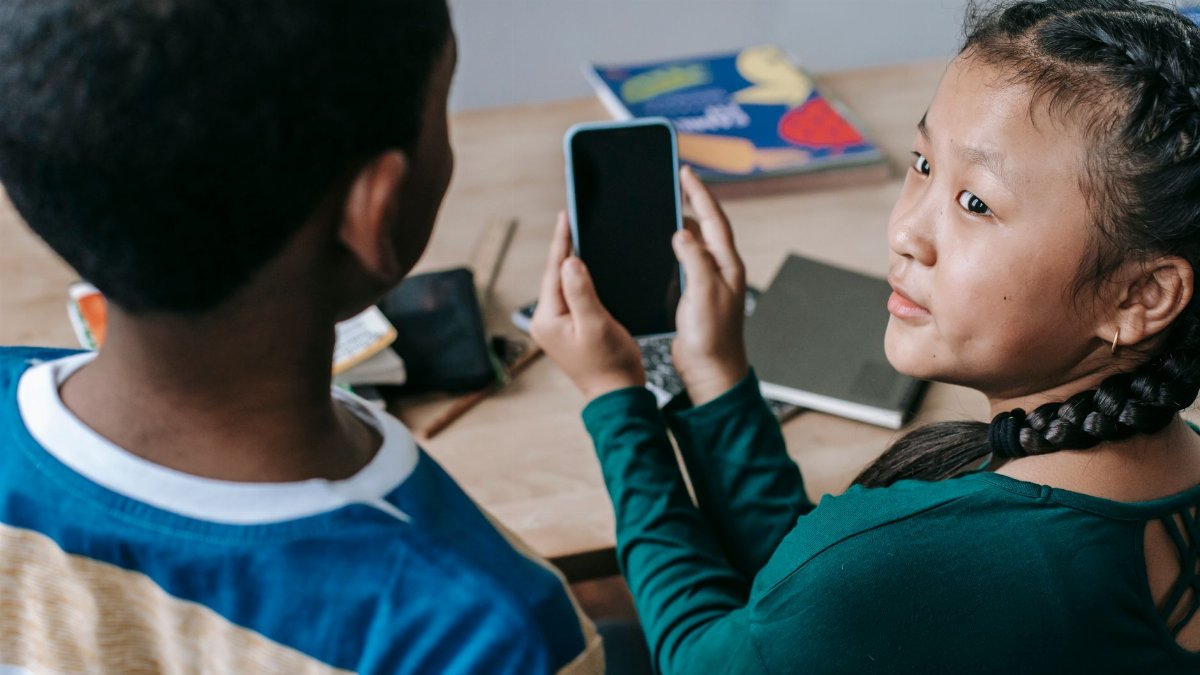
Students are not a single chorus, though adults often write them that way. Some will say, with real fatigue, that they want the noise to stop and do not trust themselves to stop it. Others will describe group chats as the place where rides, shifts, and friendships are arranged. For a student who is new to the city, queer, or simply lonely in a huge high school, the device can be a corridor to people who know them. Taking it for the day is not a neutral subtraction.
There is also the question of dignity. A policy that assumes concealment, pouches, and spot checks can feel like a search. Done clumsily, it teaches compliance more than concentration. Done with a clear reason and a consistent hand, it can feel like the adult world finally choosing the classroom over the feed. The difference lives in tone as much as in the rule.
Personal laptops and who gets left out
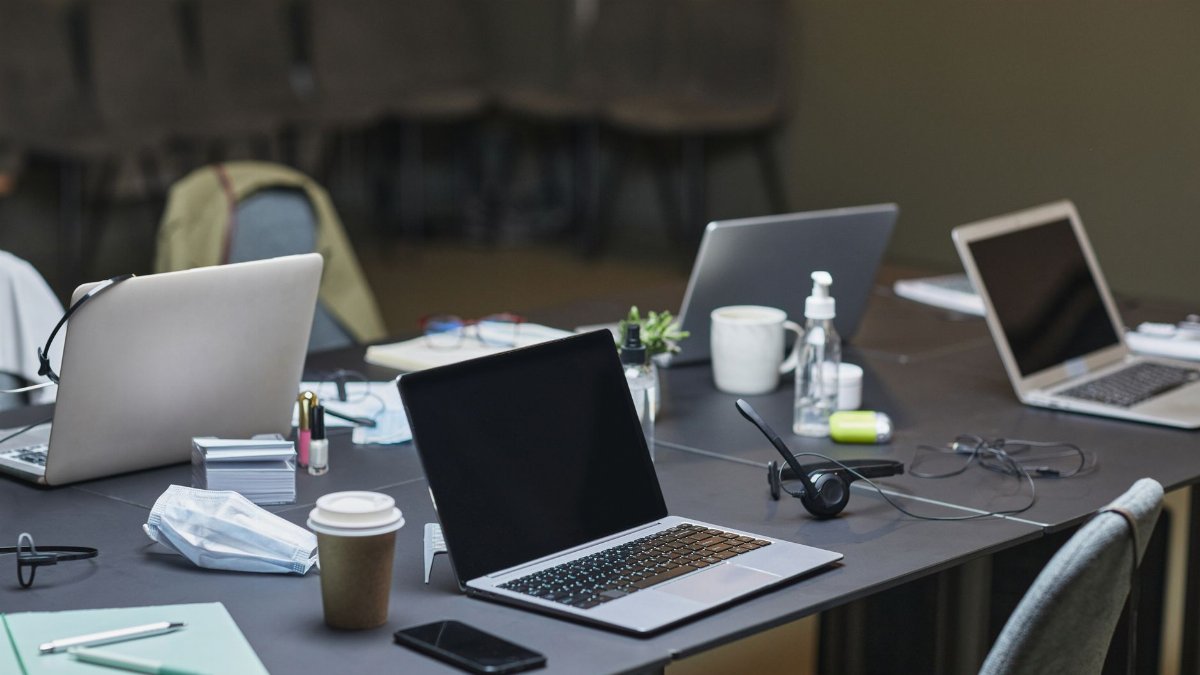
Phones dominate the headlines. Laptops may dominate the implementation. A phone ban is legible. A laptop ban collides with coursework, college essays, and the patchwork of what schools can supply. If the district cannot put a working machine in every hand that needs one, a prohibition on personal machines becomes an equity problem wearing a focus costume.
Here the BPS cellphone laptop ban proposal has to be more than a slogan. Families will ask which classes still require a keyboard, how quickly a broken school device is replaced, and whether a student with a documented need can keep a personal machine without becoming a spectacle. Special education plans, language access, and after school jobs that start on a laptop in the last period all sit inside that question. A clean rule that ignores those edges will not stay clean.
Lockers, pouches, and the minutes in between
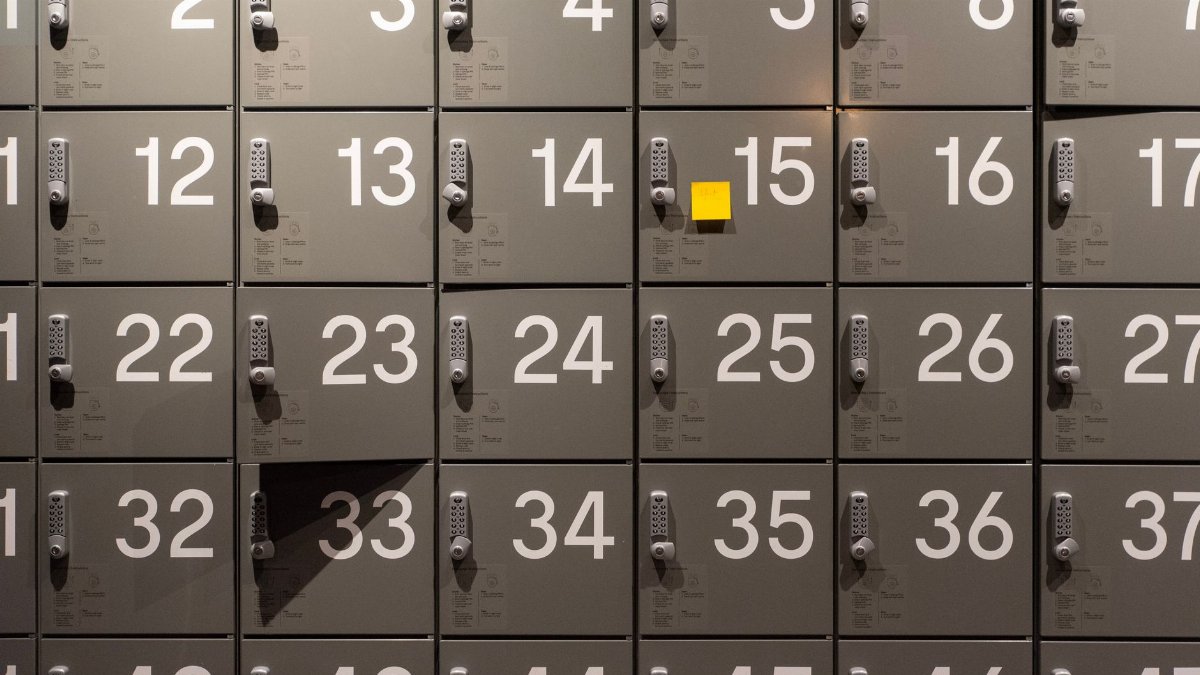
Every ban is a logistics plan pretending to be a philosophy. Pouches that lock with a magnet. Lockers that already stick. Homeroom collection that eats eight minutes. A late bus that means a student cannot retrieve a phone before a shift. The unglamorous details decide whether the policy feels like care or like theater.
Loss and theft will matter. A phone in a central bin is a phone someone must guard. A laptop in a locker is a laptop someone must insure in spirit if not on paper. Schools that have tried similar limits elsewhere have learned that the first month is a negotiation with reality. The second month is when people discover which loopholes are features and which are failures. Boston would be foolish to skip that apprenticeship.
What other districts have already learned
Cities and suburbs across the country have moved, in uneven waves, toward stricter phone rules. Some use locked pouches. Some use classroom caddies. Some announce a ban and then discover that enforcement depends on the adult who happens to be in the hall. The useful lesson is not that one brand of pouch saves a generation. It is that clarity beats charisma. Students comply more readily when the rule is the same on the third floor and the first, and when adults model the attention they demand.
The laptop question is less traveled. Many districts still treat personal computers as optional tools rather than as rivals to the school day. Boston, if it holds the line, will be writing a chapter others will read. That is a reason for humility. A proposal can be directionally right and still fail in the translation from memo to Monday.
Attention as a kind of inner discipline
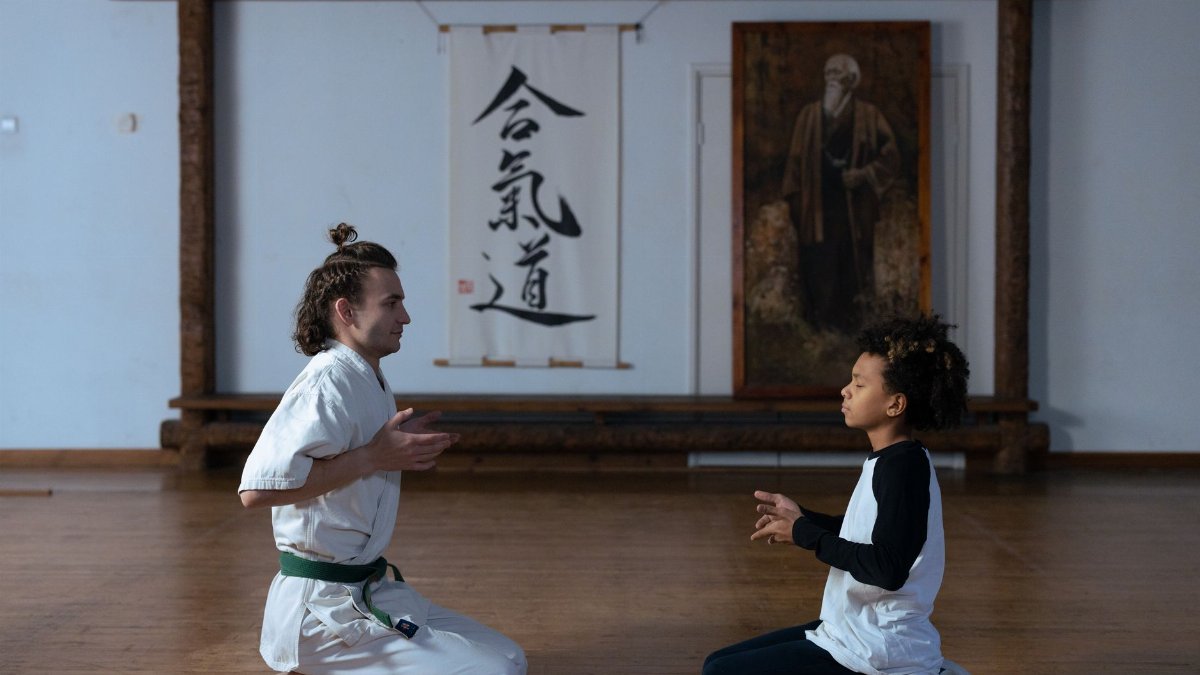
There is a spiritual register to this fight, even in a public system that rightly stays clear of creed. Attention is not only a test score input. It is how a person inhabits a room, a friend, a page, a silence. Religious traditions have long treated distraction as a moral problem, not because pleasure is suspect, but because a scattered mind cannot love anything for long. A school is not a monastery. It is still a place where young people practice being somewhere.
I do not think a pouch confers virtue. I do think a culture that never asks for an unmediated hour is teaching a thin kind of freedom. The ban, if it comes, will not make students contemplative. It might make a little space in which contemplation is not immediately priced out by a brighter screen. That is a modest hope. Modest hopes are the ones school policy can actually hold.
The school committee questions still open
Before fall 2027 arrives as a date on a slide, the committee owes the city a plainer accounting. What counts as a personal laptop. What happens on field trips, internships, and exams that assume a home machine. How a parent reaches a child when the office line is busy. How staff are trained so the rule is not a new way to single out the students already watched most closely. How the district will know, a year in, whether focus improved or only concealment did.
Those questions are not delays for their own sake. They are the difference between a sweeping announcement and a workable day. Boston has tried large gestures before and learned that implementation is the policy. Families will remember the missed pickup more vividly than the press conference.
A day without the pocket glow

Imagine the proposal as lived time rather than as a headline. A student boards a bus still holding a phone, surrenders it, and enters a building where the social weather is made of voices. Some of those voices will be unkind. Some will be the first real conversation of the week. A teacher starts a discussion and does not compete with a lit rectangle. At dismissal the devices return, and the feed rushes back in, because no school can legislate the evening.
That limit should keep everyone honest. The BPS cellphone laptop ban proposal can protect a school day. It cannot raise a child. Parents, coaches, clergy, and the students themselves still own the hours after the bell. If the district locks the devices and then ignores what the quiet reveals, the quiet will not last. If it uses the quiet to teach, to listen, and to fund the machines it still owes, the ban could be more than a prohibition. It could be a decision to treat attention as a public good.
The city does not have to romanticize the past to want a sturdier present. Paper notes had their own cruelties. Hallways were never pure. What is new is the scale of the interruption and the reluctance of adults to draw a line they themselves cross all day. A ban asks students to do something many of their elders have not managed. That hypocrisy is real. It is not, by itself, a reason to leave the classroom open to every ping. Fall 2027 is far enough away to design the rule with care, and close enough that wishing will not substitute for a plan.