
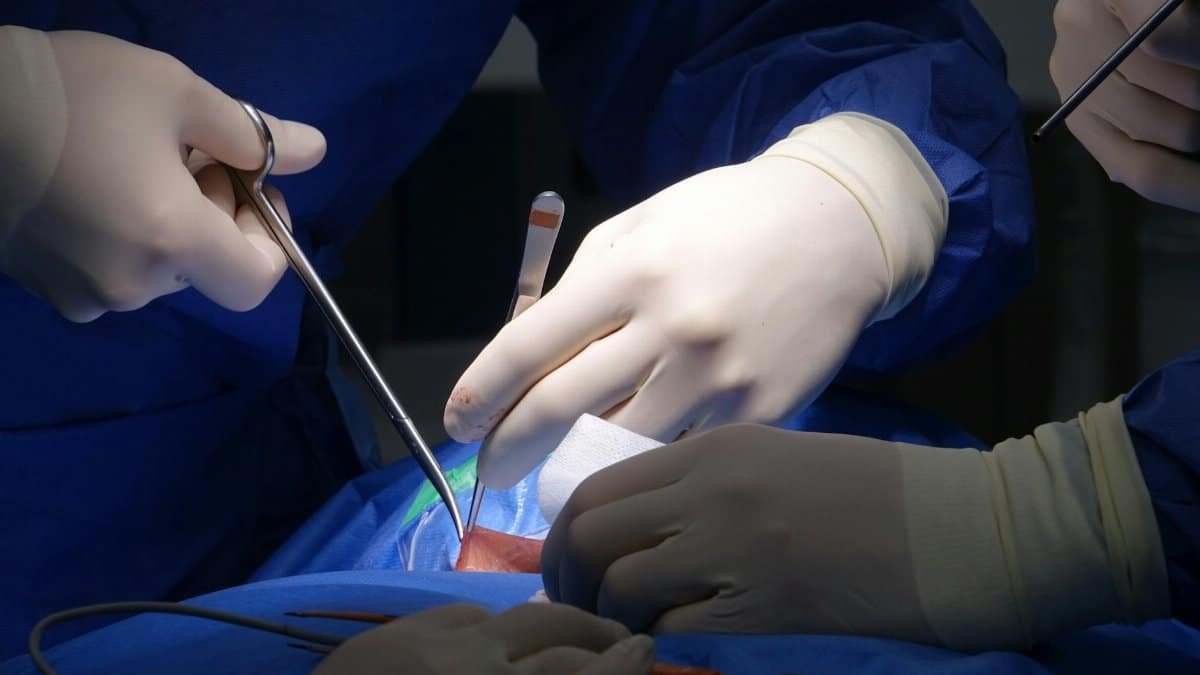
The soft beep of monitors fills the operating room as a surgical team prepares for a complex procedure. For the patient on the table all seems silent and still. Yet a recent study suggests the mind may stay surprisingly active. During Anesthesia the brain continues to register spoken words and can even show signs of learning though it may not form lasting memories in the usual sense. This discovery invites us to reconsider what consciousness means when the body is stilled by medication. For many middle aged adults who have undergone or will face medical procedures the news carries both wonder and practical weight. It prompts fresh reflection on the auditory world inside surgical suites and how those sounds might shape outcomes in ways once overlooked.
The Study That Revealed New Insights

Researchers explored brain responses by playing recordings of words and sentences to patients already under anesthesia. Using advanced monitoring tools they observed clear activity in language processing regions. The patterns mirrored those seen in awake listeners though the subjects showed no explicit recall afterward. Published findings indicate the brain processes semantic content even without conscious awareness. This challenges older models that assumed complete shutdown of higher functions. The work detailed at Scientific American offers a link to deeper exploration of these mechanisms for those interested in the full report.
Participants included individuals scheduled for routine operations. Audio played at varying volumes and complexities while sensors tracked neural firing. Results showed the brain distinguished between meaningful phrases and nonsense strings. Such discrimination points to sophisticated processing rather than random noise response. These observations align with a growing body of evidence that awareness exists on a spectrum rather than switching off like a light.
Understanding Brain Activity Under Sedation
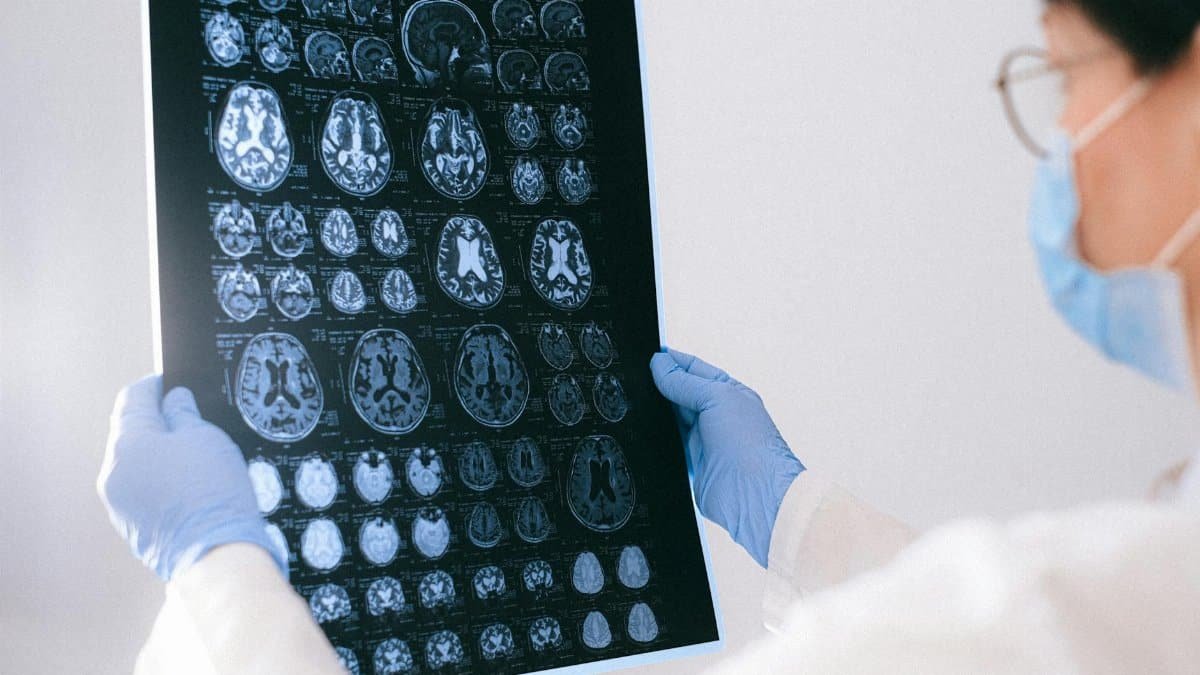
Modern anesthesia combines several agents to achieve unconsciousness amnesia and pain relief. Yet the brain does not enter a uniform state of silence. Certain networks remain responsive particularly those handling auditory input. Neuroscientists note that evolution may have wired us to monitor surroundings even in vulnerable states. This persistence could stem from protective mechanisms that once helped ancestors detect threats during sleep.
Imaging studies reveal that primary auditory cortex lights up much like it does in waking life. Signals then travel to higher association areas where meaning gets extracted. The pathway appears intact though connections to memory centers may weaken. This selective preservation explains why some patients later report vague impressions without clear narratives. The phenomenon raises intriguing parallels to states of meditation or prayer where the mind stays alert yet detached from ordinary concerns.
The Power Of Sound In The Surgical Suite
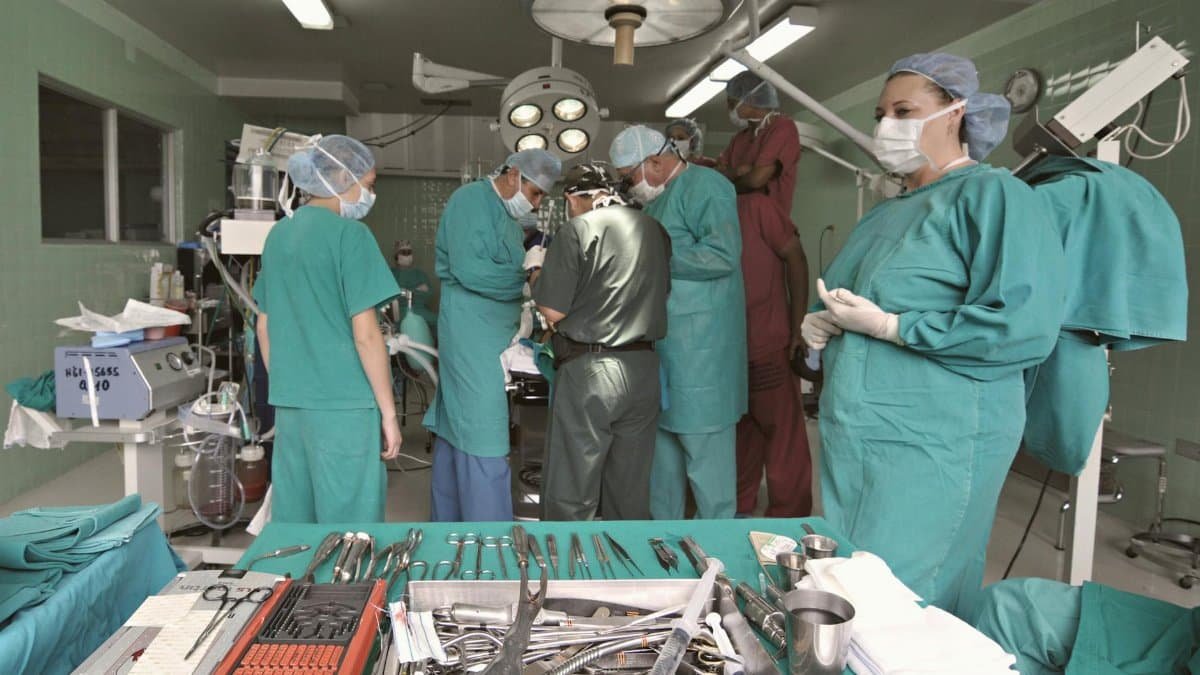
Operating rooms buzz with conversation beeps and occasional music. What patients cannot see they may still hear on some level. The new data suggests that careless talk about complications or pessimistic predictions could register with the unconscious mind. Positive reassuring language on the other hand might support smoother recovery. Hospitals have already begun reviewing protocols around ambient noise and staff communication.
Some surgical teams now play calming recordings or guided affirmations once the patient loses consciousness. Early pilots show modest improvements in postoperative anxiety and pain scores. While not yet standard practice these adjustments reflect a growing respect for the listening brain. The shift echoes broader trends in integrative medicine that honor the whole person rather than treating the body as machinery.
Patient Perspectives And Reported Experiences

Many individuals who have undergone surgery describe fragmented impressions afterward. One woman recalled sensing kindness in the voices around her and felt reassured even though she could not move or speak. Others mention uneasy feelings after hearing tense exchanges among staff. These anecdotes once dismissed as dreams now appear consistent with measurable brain activity.
Support groups for surgical patients increasingly discuss the importance of requesting quiet focused environments. Middle aged people facing joint replacements or cardiac procedures show particular interest in these accounts. They want to know how to advocate for themselves before going under. Such conversations reflect a cultural move toward greater transparency in medical settings and deeper appreciation for subtle aspects of human awareness.
Expert Analysis From Neuroscientists

Leading voices in consciousness research view the findings as confirmation that the mind possesses remarkable resilience. One specialist noted that anesthesia does not erase the self but rather disconnects it from voluntary action. This perspective resonates with spiritual traditions that describe an inner witness remaining present through all states of being. The scientific data provides a bridge between measurable neural events and age old questions about the nature of the soul.
Clinicians emphasize that the inability to form explicit memories protects patients from potential trauma. At the same time the brain seems capable of implicit learning that could influence healing. This dual reality calls for careful balancing acts in medical training. Physicians must now consider not only physical safety but also the invisible auditory landscape surrounding each procedure.
Potential Changes To Medical Protocols

Hospital administrators are examining how to translate the research into everyday practice. Some facilities now train staff to maintain respectful language from the moment sedation begins until the patient fully wakes. Others explore controlled use of therapeutic audio designed to promote calm and confidence. These steps represent a quiet revolution in surgical culture moving away from treating the anesthetized patient as absent.
Guidelines may eventually include recommendations for minimizing negative auditory stimuli. Music selection could favor compositions shown to reduce stress hormones. The goal is to create an environment that supports the listening brain rather than overwhelming it. Such measures could improve outcomes across diverse populations especially older adults more sensitive to environmental cues.
Links To Deeper Questions Of Consciousness

This research touches on fundamental mysteries about human existence. If the brain continues processing information during periods of apparent unconsciousness where exactly does awareness reside. Spiritual traditions have long taught that consciousness extends beyond ordinary waking states. The scientific findings lend unexpected credence to those teachings by demonstrating that mental activity persists when the body lies motionless.
Philosophers and neuroscientists alike find themselves in renewed dialogue. Some suggest the results point toward a layered model of mind in which core awareness operates independently of memory or voluntary control. For readers drawn to both science and spirituality the study offers a compelling meeting point. It suggests the self is more enduring than fleeting electrical patterns and that attention to inner experience matters even in clinical settings.
Spiritual Dimensions Of Awareness During Medical Procedures

Many faith traditions emphasize the importance of intention and environment during times of vulnerability. The idea that the spirit remains attentive aligns with practices of sending prayers or positive thoughts toward those undergoing surgery. Some hospitals have quietly incorporated chaplaincy services that include silent blessing or gentle spoken encouragement once anesthesia takes effect. These approaches honor the possibility that the patient hears on a profound level.
The research encourages a more holistic view of healing that includes the spiritual alongside the physical. Middle aged readers navigating health challenges often seek exactly this integration. They want medicine that respects both cutting edge science and the deeper yearnings of the human heart. The listening brain becomes a powerful symbol of our essential connectedness even in isolation.
What This Could Mean For Recovery
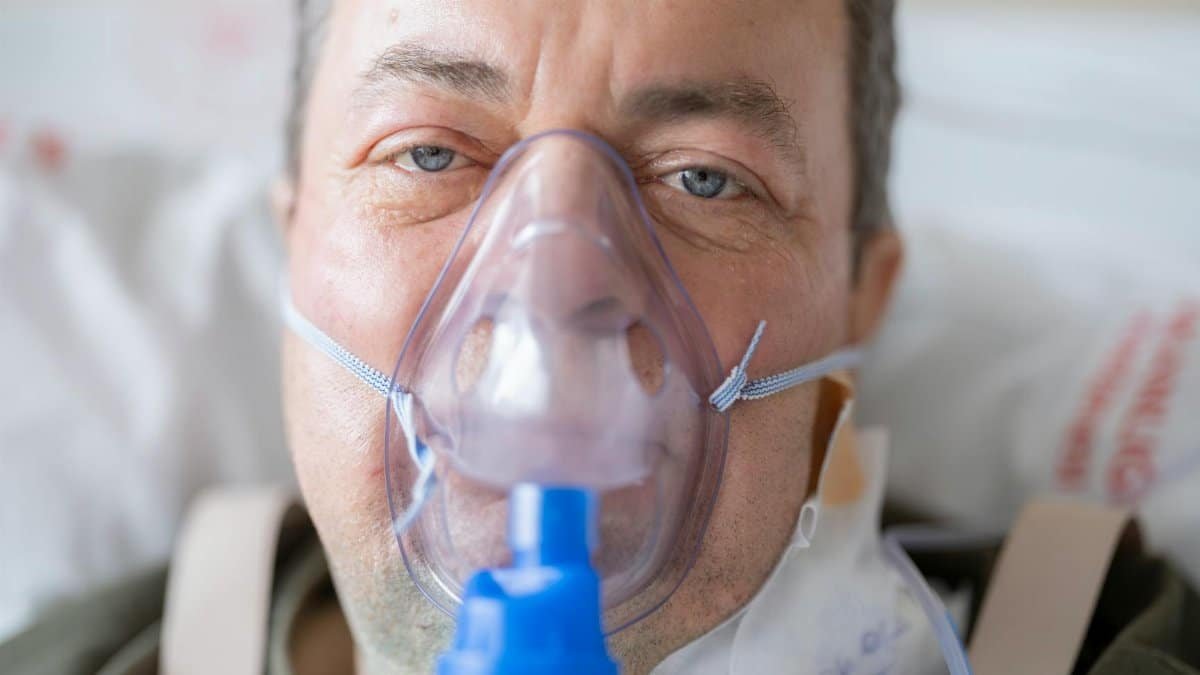
Positive auditory experiences during anesthesia might prime the brain for better healing. Reduced stress responses could lead to lower inflammation and faster return to normal function. Early data hints at shorter hospital stays and decreased need for certain medications among patients exposed to supportive soundscapes. While more research is needed the implications excite both doctors and patients.
Families can play a role by recording messages of love and encouragement for playback during procedures. This simple act transforms the surgical journey into a communal experience. It reinforces the idea that healing involves relationships and intention as much as scalpels and sutures. The approach feels both ancient and thoroughly modern at once.
Looking Ahead To New Studies

Scientists plan larger trials to test whether specific audio interventions can reliably improve outcomes. They will measure not only brain responses but also long term markers of recovery such as immune function and psychological wellbeing. The work may extend to other altered states including deep meditation or coma offering broader insights into human potential.
For now the existing evidence already shifts how we think about the surgical experience. It calls on all of us to bring greater mindfulness into medical spaces. The brain keeps listening. The question becomes what we choose to say. This realization carries weight for anyone who may one day lie on that table and for the teams who stand beside them.
The discovery invites a gentle rethinking of presence and attention in medicine. It reminds us that even in deepest stillness something within continues to register the world. That continuity offers comfort and challenge in equal measure. As research unfolds it will likely reveal further dimensions of our remarkable minds and the environments we create around them.