
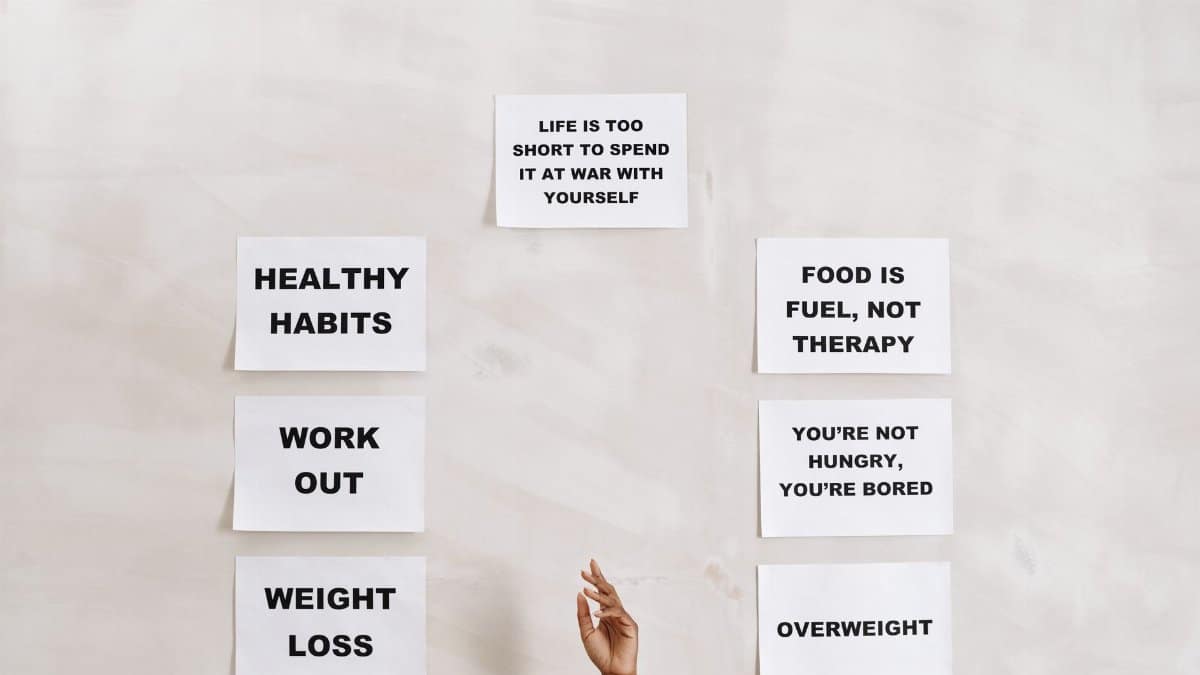
Many assume that reaching ambitious targets requires nothing more than pushing through discomfort day after day. This view overlooks how sustained progress often depends on a broader foundation of health and balance rather than isolated bursts of resolve. In reality Wellbeing vs Willpower shapes outcomes in ways that pure grit rarely sustains on its own. Recent explorations from psychology and public health point toward practices that protect energy and mood as more reliable drivers over months or years.
Recognizing When Determination Alone Falls Short

People frequently begin new routines with intense focus only to watch those efforts fade within weeks. The pattern appears across exercise plans, dietary changes, and career shifts. Observers note that the initial surge rarely accounts for stress accumulation or unexpected life demands that drain reserves faster than expected. Without attention to recovery and emotional steadiness, even strong intentions lose momentum.
Building Foundations That Support Consistent Action

Communities that emphasize rest, social connection, and reflective time report higher rates of maintained progress toward personal aims. These elements create conditions where daily choices feel less like battles and more like natural extensions of existing habits. Data from longitudinal studies show participants who track mood and sleep alongside target behaviors achieve steadier results than those monitoring targets in isolation.
Examining Evidence from Behavioral Research

Investigators at institutions including the University of California have documented how positive affect predicts follow through better than measures of self control in several domains. One analysis tracked adults over twelve months and found that individuals scoring higher on wellbeing scales adjusted more flexibly when obstacles appeared. The findings appear in detail at https://greatergood.berkeley.edu/article/item/we_need_well_being_more_than_willpower_to_reach_our_goals.
Considering Cultural Stories Around Personal Resolve

Public narratives often celebrate figures who overcame hardship through single minded persistence. Such accounts can obscure the networks of support, timing, and prior advantages that made those stories possible. Readers benefit from noticing how media emphasis on solitary triumph may discourage attention to collective resources that actually enable endurance.
Practical Steps That Strengthen Overall Capacity

Small adjustments such as brief midday pauses, regular contact with trusted peers, and attention to nutrition produce cumulative effects on available energy. These steps do not replace clear intentions yet they reduce the friction that turns reasonable plans into sources of frustration. Over time the combination allows individuals to respond to setbacks without total derailment.
Distinguishing Short Bursts from Enduring Patterns

Willpower tends to operate effectively for immediate challenges like finishing a single task under pressure. Wellbeing oriented approaches show advantages when the horizon stretches across seasons or career stages. Leaders in organizational settings increasingly design schedules that incorporate recovery periods rather than expecting continuous output at peak intensity.
Addressing Common Misunderstandings About Ease

Some interpret focus on wellbeing as avoidance of necessary effort. In practice the approach acknowledges that human attention and motivation have limits shaped by biology and circumstance. Strategies that honor those limits tend to produce fewer cycles of overcommitment followed by withdrawal.
Looking Ahead to Integrated Approaches

Programs in schools and workplaces now combine goal clarification with training in emotional awareness and stress regulation. Early evaluations suggest participants retain gains longer when both elements receive attention. This integration reflects growing recognition that Wellbeing vs Willpower functions best as complementary forces rather than competing ones.
Reflecting on Personal Application

Individuals experimenting with these ideas often begin by auditing current routines for hidden drains on energy. They then introduce one or two protective practices before revisiting larger aims. The process reveals how Wellbeing vs Willpower interacts differently for each person depending on context and temperament. Continued observation helps refine what balance supports lasting movement toward chosen directions.