
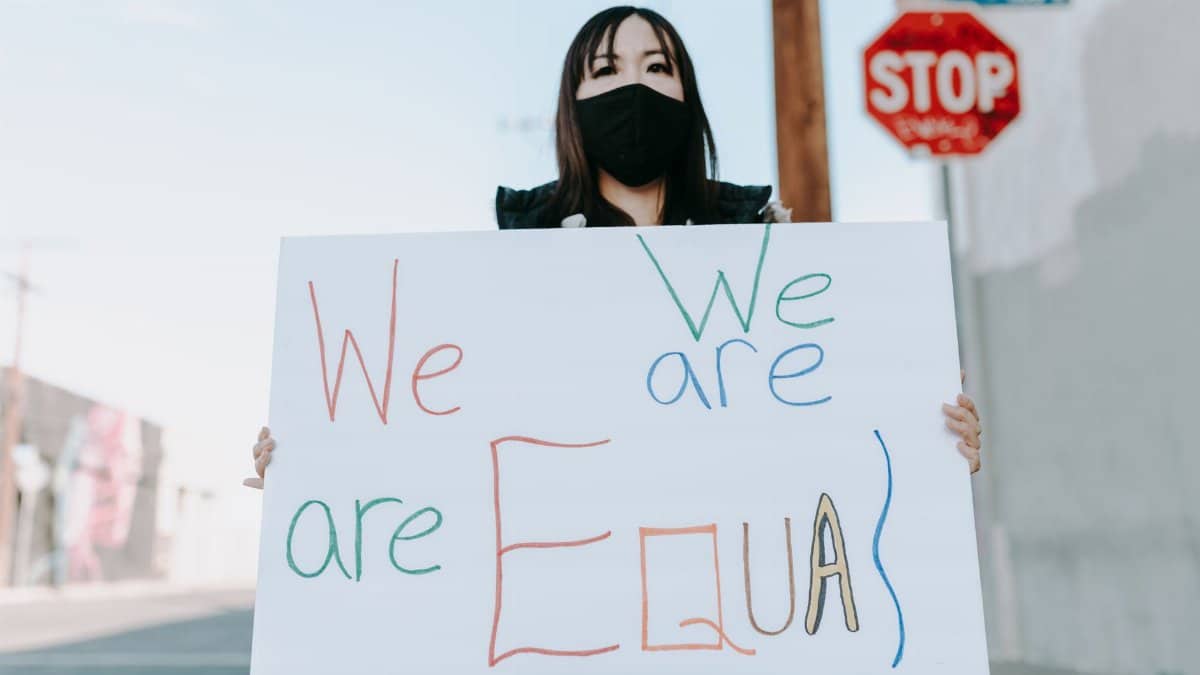
On a weekday morning when classrooms should have been filling, students left campuses across Los Angeles and gathered in the streets. The LAUSD student walkout drew thousands who said they would not sit quietly while immigration raids unsettled their families and their friends. Some carried handmade signs. Others walked in clusters, phones raised, calling parents to say they were safe. The protest asked the school system for dream centers at every campus, places where students without secure legal status could find counseling, legal referrals, and a trusted adult. It also asked the city a harder question: what does a public school owe a child who is afraid to go home?
A morning that did not look like school
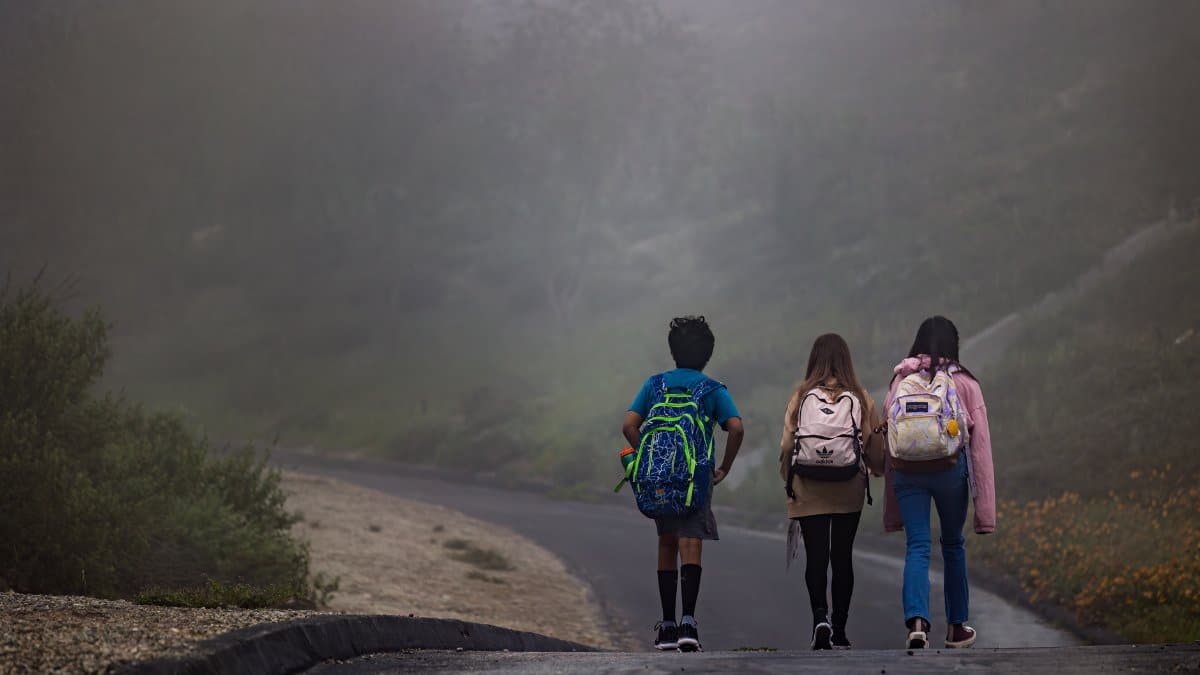
The scene repeated from the east side to the harbor and out toward the Valley. Bells rang. Hallways thinned. At some schools the departure was orderly, with student leaders counting heads and agreeing on a route. At others it was messier, a spill of teenagers onto sidewalks that were not built for a march. Drivers slowed. Neighbors came to porches. A few adults tried to turn students back and mostly failed.
What traveled with the crowd was a short plea, repeated on signs and in chants: we cannot close our eyes. It was less a slogan than a refusal. Students described classmates who had stopped coming to school after a parent was detained, and younger siblings who asked whether a knock at the door meant danger. The walkout made that private fear public, which is the oldest purpose of a student protest and also its risk. Once you leave campus, you are in the street, and the street has its own rules.
What the marchers said they wanted
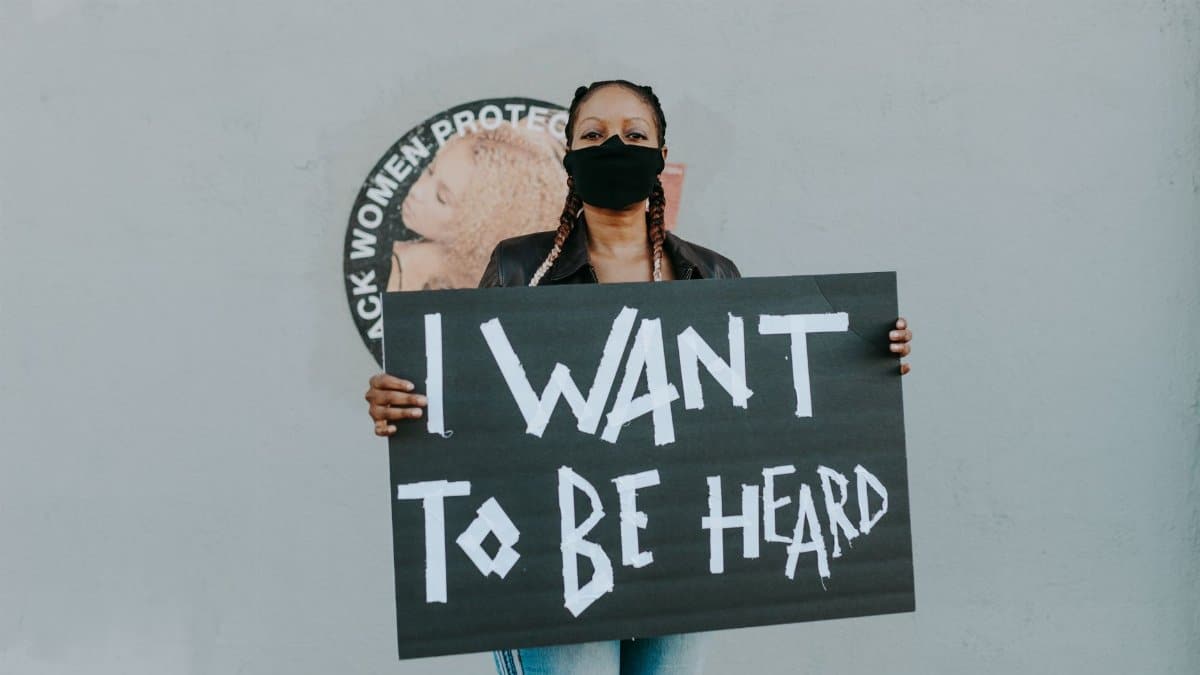
The demand that organizers kept returning to was concrete. They want a dream center at every Los Angeles Unified campus, not a poster in a counseling office and not a hotline that rings somewhere else. In their telling, a dream center is a staffed place: a counselor who knows immigration law well enough to refer a family, a room where a student can speak without an audience, and a promise that asking for help will not become a report to federal agents.
That ask sits beside a broader protest of Immigration and Customs Enforcement. Students were not debating statutes in the abstract. They were answering raids they said had reached neighborhoods, workplaces, and, in rumor if not always in fact, the edges of school life. Even a rumor can empty a classroom. A district can publish a policy and still lose a child who no longer believes the building is safe.
Fear that does not stay outside the gate
Teachers have long known that immigration status enters the room whether or not anyone names it. A student misses a test because a parent will not drive. A college essay stalls because the writer does not know which forms apply. A group project fails when one member stops answering messages after a relative is taken. None of that shows up cleanly in an attendance code, yet it shapes the day.
The walkout forced the district to look at that pattern in daylight. Supporters argued that silence from adults reads to teenagers as consent. Critics answered that a school cannot fix federal enforcement by emptying itself for an afternoon. Both claims can be true. A campus is a civic institution and a place that is supposed to keep children accounted for. When those duties collide, the collision is not solved by a press statement.
An old city habit of leaving class
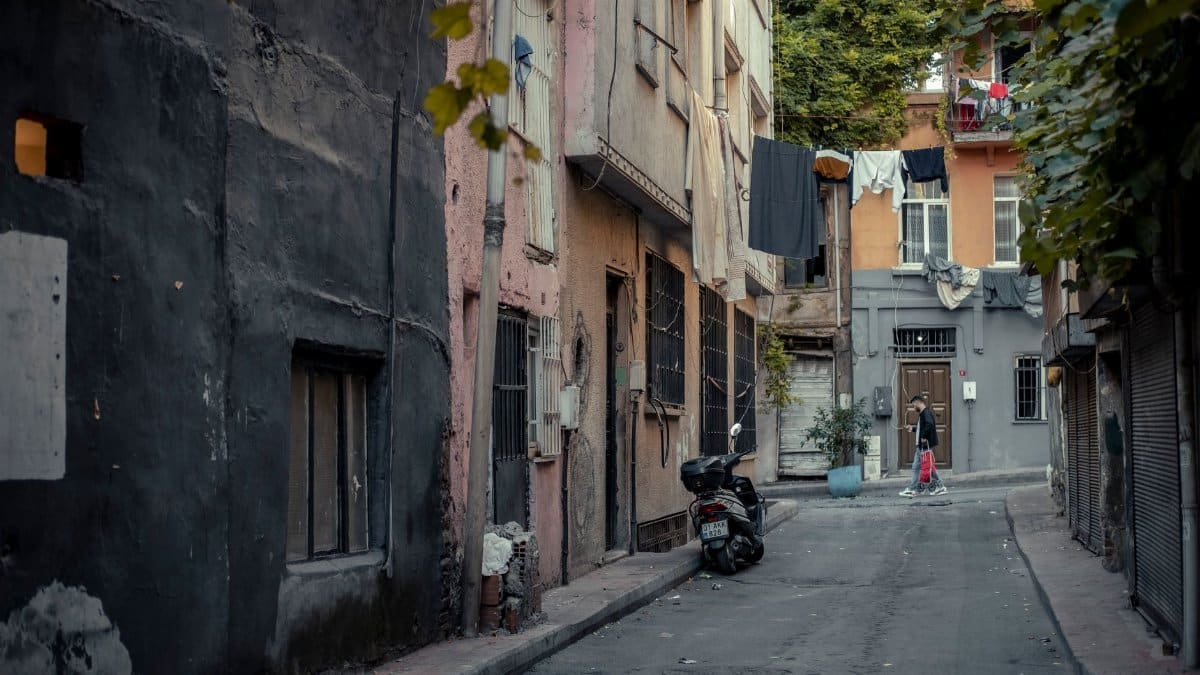
An LAUSD student walkout is not a new invention in this city. Los Angeles students have left class before, most famously in the 1968 blowouts, when Mexican American teenagers protested run down schools, punished speech, and a curriculum that did not see them. Later generations walked out over wars, budgets, and police violence. The tactic is inherited. So is the argument about whether it works.
History does not hand this generation a verdict. The blowouts helped force a conversation that classrooms alone had not produced. They also brought arrests, parental anger, and years of unfinished reform. Remembering that record is a way to take the current students seriously rather than to romanticize them. A march can open a door. It cannot, by itself, staff a center, train a counselor, or change who has authority to make an arrest.
Teachers standing in a narrow space

During the LAUSD student walkout, many educators found themselves in a narrow space between care and obligation. A teacher who locks the door may feel like a jailer. A teacher who joins the march may feel like an organizer on district time. The professional duty is to supervise, to tell the truth, and to keep students from walking into traffic. The human duty, as plenty of them described it, is not to pretend that a raid in the neighborhood is someone else’s subject.
Unions and site administrators have disagreed before about where encouragement ends and interference begins. That line matters. Students are sharper than adults often admit about being used. If a walkout is truly theirs, adult support looks like water, a safe route, and a plan for the students who stay. If it is a script handed down from outside, teenagers notice. The credibility of the protest depends on that difference.
Parents at the curb and on the phone

For parents, the morning was not symbolic. Some had fled countries where a school protest could end in violence, and they heard the word walkout as danger. Others had spent years telling children to keep their heads down, get the diploma, and avoid the attention of any uniform. A child who leaves campus tests that strategy in public.
There were also parents who drove to the route and stood on the curb in approval, or in fear, or in both. Mixed status households live with a split screen: one child may have papers, another may not, and a parent may have neither. A district policy that speaks only to citizens misses the actual kitchen table. The students who marched were often marching for someone who could not afford to be seen.
Conscience, congregations, and the duty to see
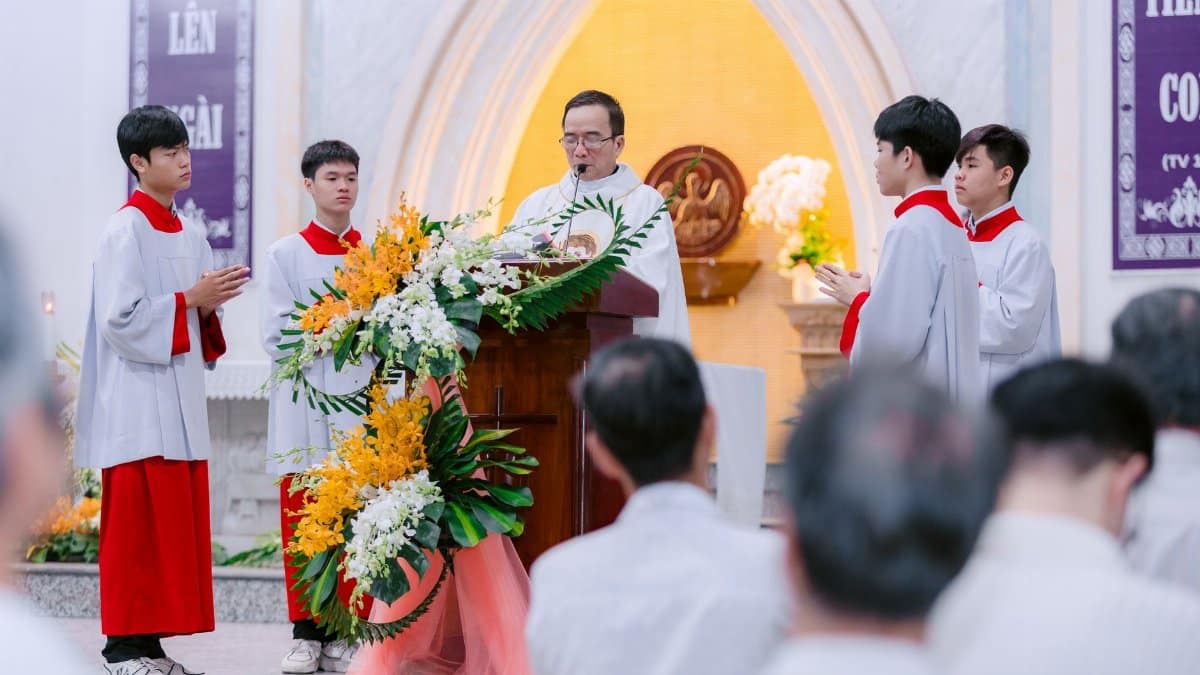
Because this fight touches belonging, it has drawn language that is moral as much as political. Congregations across the city, Catholic parishes, Protestant churches, synagogues, mosques, and Buddhist temples among them, have spent years offering food, legal clinics, and accompaniment to immigration court. Some opened doors on the day of the march as rest stops. Others held quiet prayer rather than join the street.
The spiritual claim in the students’ line is plain. To close one’s eyes is a failure of neighborliness, not merely a political choice. Faith communities do not agree on immigration statutes, and they should not pretend to. They do share a long teaching that the stranger is not disposable. When teenagers borrow that teaching and carry it past a school gate, they are joining an argument older than any school board. The risk is that sacred language can also be used to dodge practical questions about staffing, funding, and safety. A vigil is not a dream center. A dream center is not a pardon. Confusing those things helps no one.
A local march inside a national argument

Critics of the LAUSD student walkout treated it as a proxy for national politics, and they were not entirely wrong. Immigration enforcement is federal. A school board cannot repeal it. The Trump era approach to raids and removals remains the backdrop students named, even when their signs spoke more about cousins and bus stops than about Washington. Local protest becomes a way to answer a power that does not hold office in Los Angeles and does not have to listen to a student council.
That mismatch breeds frustration on every side. Supporters want the district to do everything within its power: limit cooperation with federal agents on campus, train staff, publish clear rules, and fund the centers students described. Opponents hear a school system drifting into activism and away from instruction. The honest map is smaller than either speech. Los Angeles Unified can control its own doors, its own data, and its own counselors. It cannot control a warrant, a workplace raid, or the mood of a national election.
What a dream center would have to be

If the district takes the demand seriously, the details will decide whether the promise is real. A room with a sign is not a center. A center needs a person with time, a budget that survives the next shortfall, and rules written so that a student’s question does not become a file that can be turned over. It needs language access, because fear is not monolingual. It needs a relationship with legal aid groups that can take a case when a school cannot.
There is also the question of who is served. Dreamer has become a broad word. Some students are eligible for existing protections. Others are not, including younger children and recent arrivals. A center aimed only at a narrow legal category will miss the students who walked out for siblings still in elementary school. Designing for the actual family, rather than for a slogan, is the harder and more useful task.
Safety, attendance, and the students who stayed

Any fair account has to include the students who did not leave. Some stayed because they had a test they could not miss. Some stayed because a parent forbade the march. Some disagreed with the tactic and still agreed with the fear. Their choice is not cowardice, and the marchers’ choice is not automatically wisdom. A public school contains both.
Principals spent the day on attendance, traffic, and the possibility that a peaceful march could draw people who did not come to study. Those worries are practical, not a slur. A district that celebrates civic voice and then loses track of minors has failed a basic trust. The measure of the day includes whether students got back, whether fights were avoided, and whether the students who remained were taught rather than parked in a half empty room.
The morning after the chants

Whether the LAUSD student walkout changes policy will not be settled by the size of the crowd. Thousands is a number that photographers can capture and that officials cannot honestly ignore. It is not a budget line. In the days after a march, the useful questions are duller than the chants. Will the board schedule a hearing where students can speak without being managed into gratitude? Will counselors be hired, or will existing staff be asked to absorb another duty? Will families receive written rules, in the languages they use, about what happens if agents appear near a school?
There is a spiritual habit worth keeping here, and it is not spectacle. It is attention. The students asked the city not to close its eyes. Adults can honor that request without pretending that a walkout is a government. They can look at the empty desks, the younger siblings, the congregations already doing quiet work, and the limits of a school district faced with federal power. Seeing clearly is the beginning of responsibility. It is not the end of it. The end, if it comes, will look like a staffed room, a kept promise, and a child who can sit for a lesson without listening for the door.