
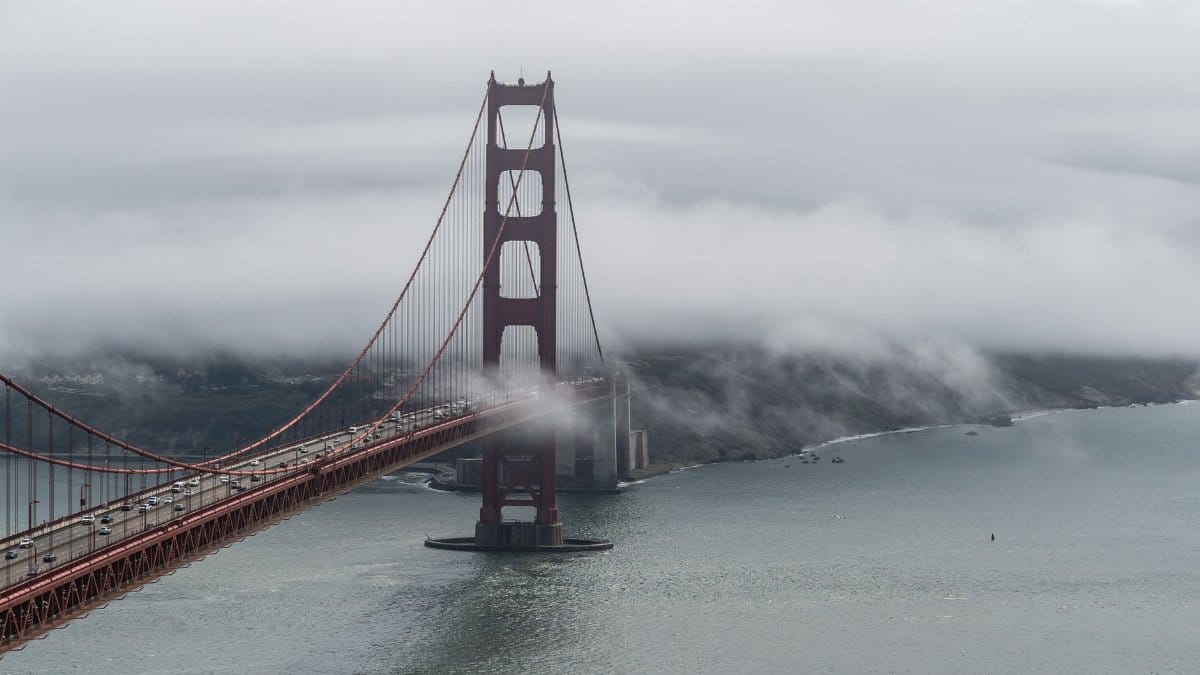
Residents across the region are preparing for a shift in conditions that could bring light moisture to many neighborhoods. The Bay Area drizzle forecast suggests that sticky air from recent patterns will linger, leading to milder temperatures overall. This change comes after a period of warmer weather that left humidity high in the atmosphere. Observers note how such transitions often affect daily routines in subtle yet noticeable ways, from morning commutes to outdoor plans that families make in advance.
Regional Atmospheric Shifts Under Review
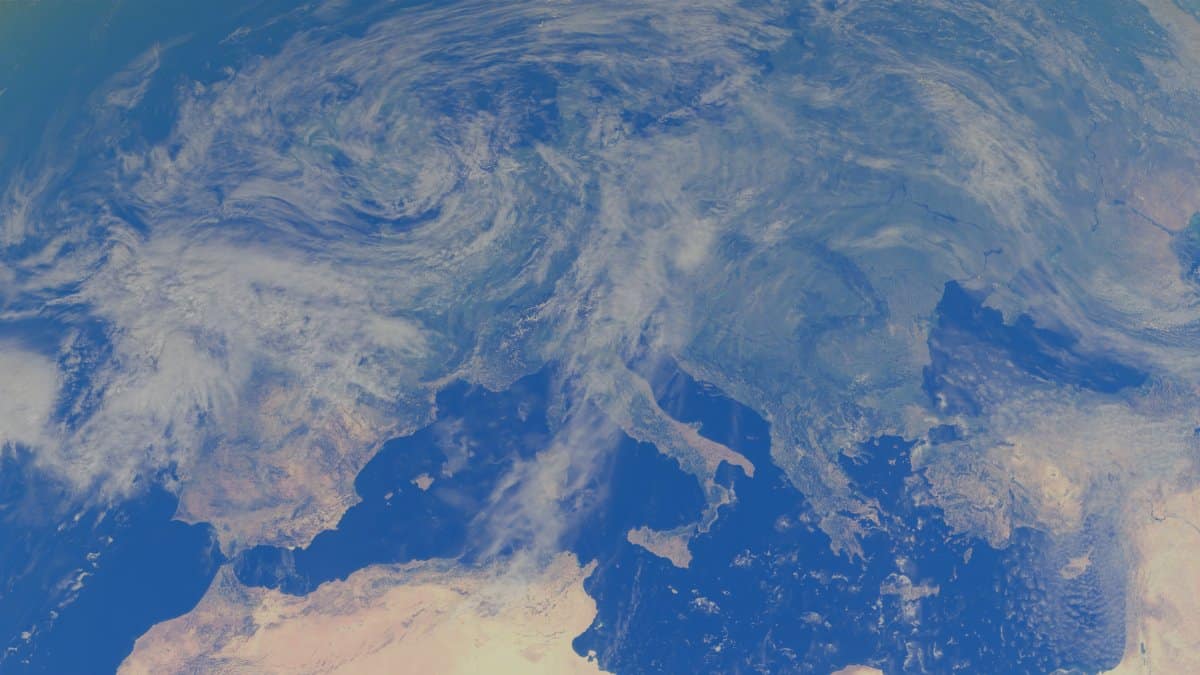
Local meteorologists have tracked the movement of moist air masses moving inland from the Pacific. These patterns create opportunities for brief periods of light rain or mist during the coming days. Communities from the coast to the inland valleys may notice differences in visibility and comfort levels as humidity remains elevated.
Impact on Daily Routines and Travel
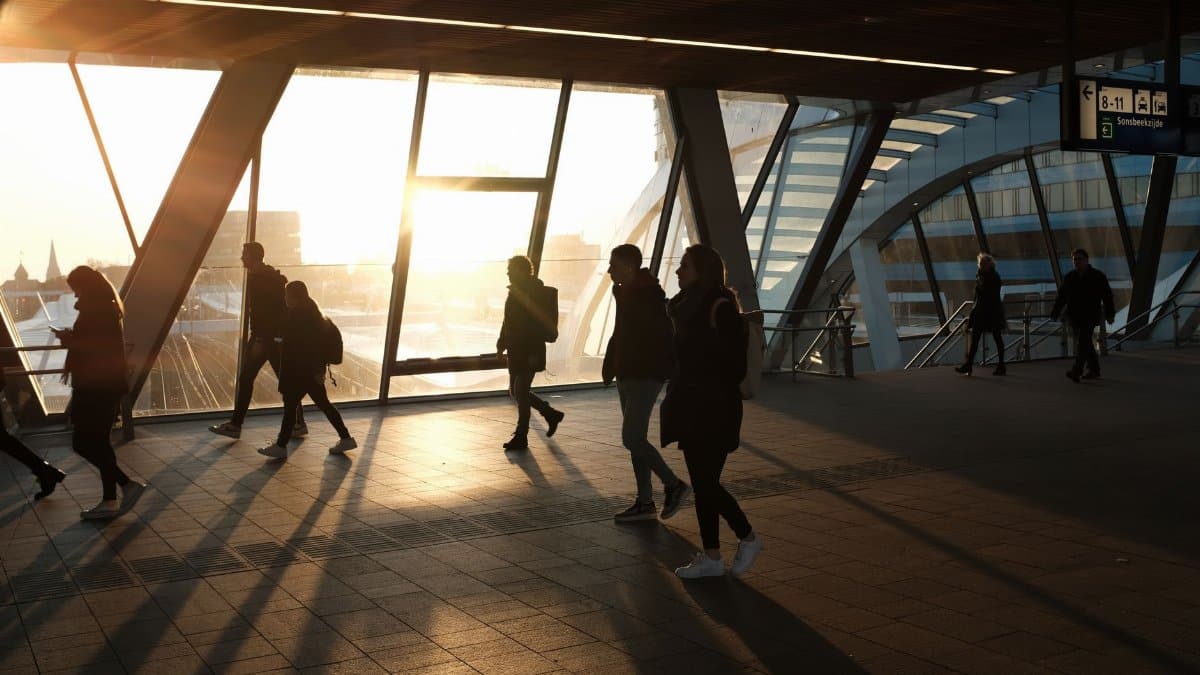
Drivers and pedestrians alike should prepare for possible slick surfaces in the early hours. Public transit systems may experience minor delays if moisture accumulates on tracks or roads. Many residents report adjusting their schedules to account for these evolving conditions throughout the week.
Historical Context for Similar Events
Past episodes of lingering humidity have shown how the Bay Area drizzle forecast can evolve over several days before clearing. Records indicate that such events tend to cluster in transitional seasons when ocean influences meet continental air flows. Analysts review these instances to refine future expectations for the area.
Effects on Local Agriculture and Gardens
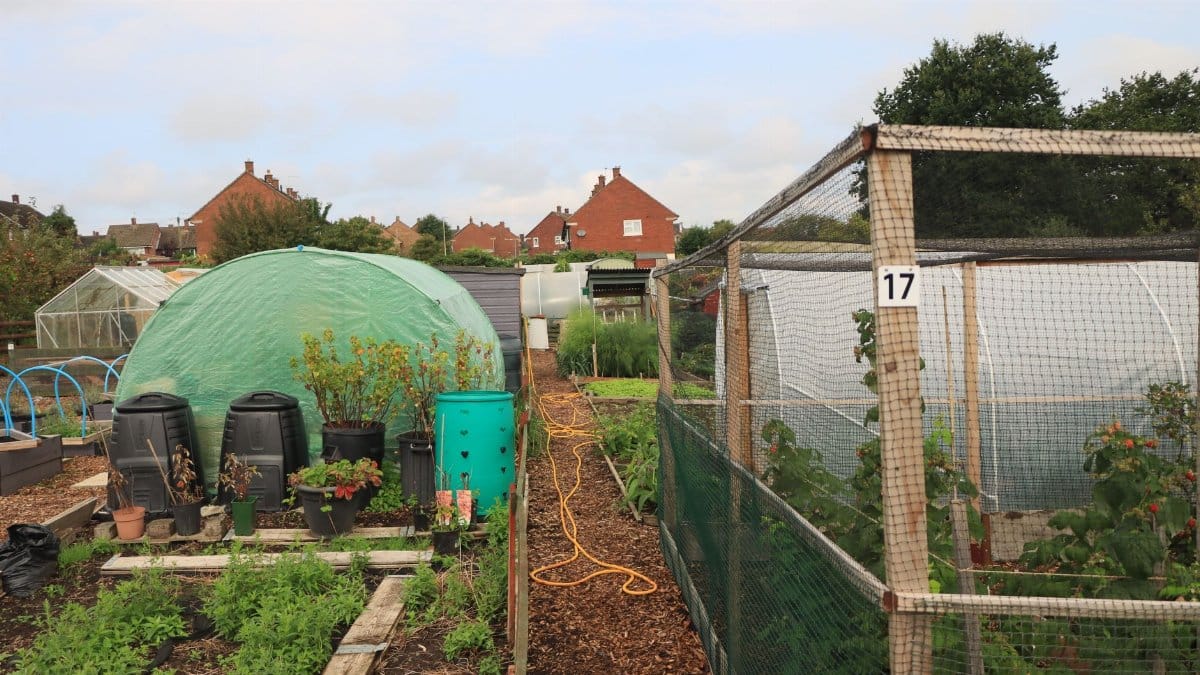
Farmers and home gardeners watch these developments closely since extra moisture can support certain crops while challenging others. Soil conditions may improve in some spots yet require careful management to avoid excess saturation in low lying areas. Experts recommend monitoring plant health during this time of variable weather.
Community Responses and Preparations

Local groups have begun sharing tips on how to handle the expected dampness without major disruptions. Schools and businesses review their protocols to ensure smooth operations if light precipitation arrives. This collective awareness helps maintain a sense of readiness across diverse neighborhoods.
Broader Climate Patterns at Play

Scientists point to larger oceanic trends that influence how often the Bay Area drizzle forecast appears in forecasts. These connections highlight the interplay between global systems and local outcomes that shape seasonal expectations. Continued observation supports better understanding of recurring cycles.
Advice for Outdoor Activities

Those planning hikes or park visits may want to carry light layers and waterproof items as a precaution. Evening events could see cooler feels due to the persistent moisture in the air. Adjusting expectations allows people to enjoy the milder side without unnecessary concerns.
Looking Ahead to Clearing Trends

Models suggest that drier air could return after the current phase passes through the region. This would bring more stable conditions suitable for a wider range of activities. Residents often appreciate these cycles as they provide variety in the local environment.