

Residents in the region are preparing for an unusually warm stretch as forecasts indicate record temperatures ahead. The Southern California heat wave is set to dominate the news this week with its intensity affecting everything from outdoor activities to energy consumption. Communities from Los Angeles to San Diego are taking precautions. Officials urge people to stay hydrated and limit time outside during peak hours. This event comes after a series of warm spells that have already strained resources across the area.
Forecast Details From Experts

Meteorologists at the National Weather Service describe conditions as very hot or extremely hot in many zones. They point to high pressure systems that trap warmth near the surface and limit cooling breezes from the ocean. Residents should monitor updates daily to adjust plans accordingly.
Effects On Local Agriculture
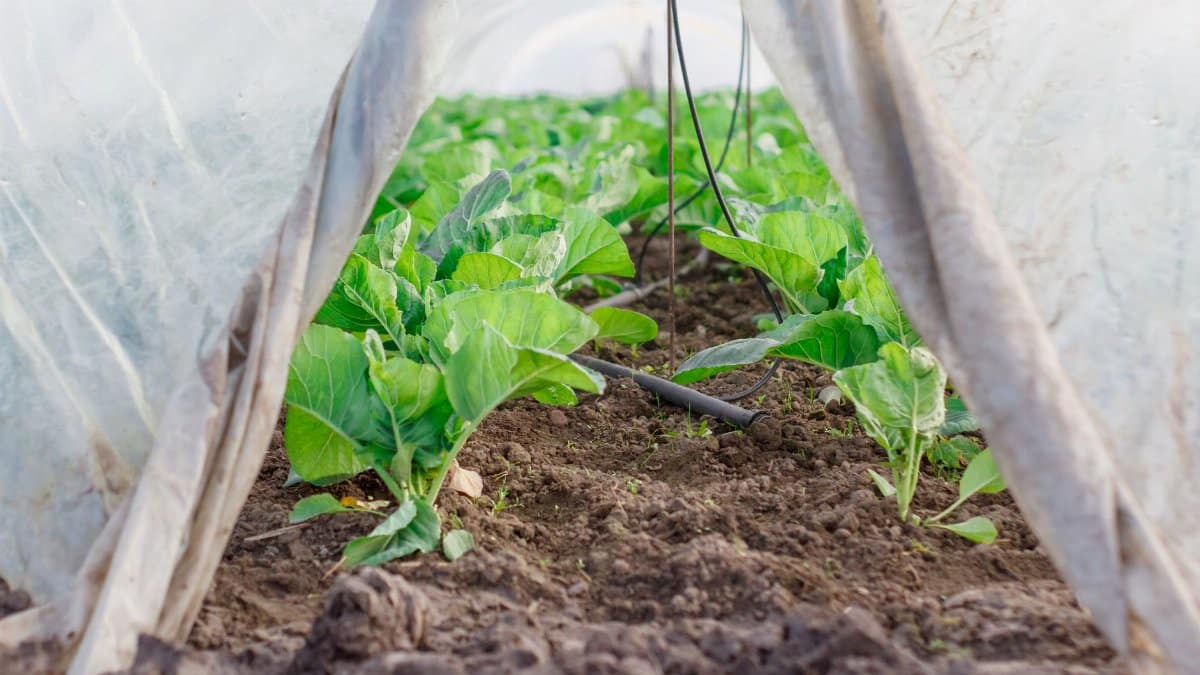
Farmers face tough choices as crops require extra water to survive the prolonged warmth. Citrus groves and vegetable fields show signs of stress that could reduce yields later in the season. Irrigation systems run longer hours which raises costs for producers already dealing with tight margins.
Urban Infrastructure Challenges
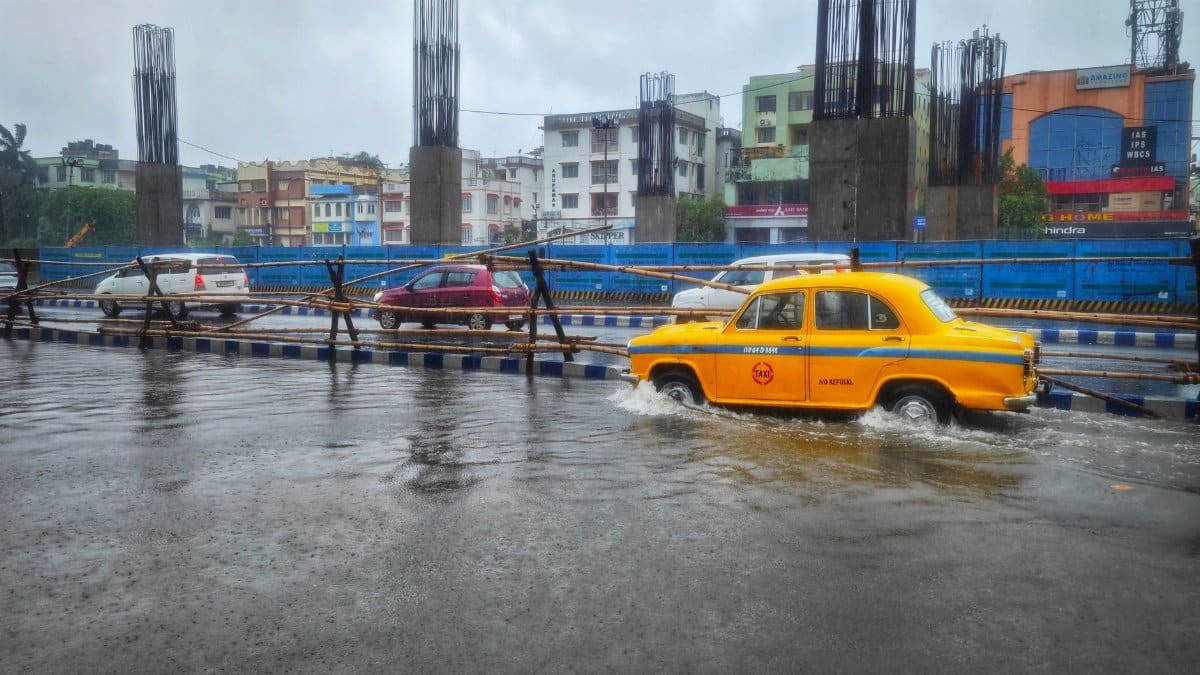
City planners examine how roads and buildings hold up under sustained heat. Asphalt surfaces soften in some spots while older structures without modern insulation become less comfortable inside. Power grids see higher demand from air conditioning units running nonstop.
Health Concerns For Vulnerable Groups

Doctors advise extra care for the elderly and those with existing conditions during this period. Heat exhaustion cases rise at clinics as people overlook early symptoms like dizziness. Public cooling centers open in libraries and community halls to provide relief.
Changes In Daily Routines

Families shift outdoor exercise to early morning or evening slots to avoid the worst temperatures. Schools adjust recess times and encourage students to carry water bottles at all times. Public transit operators increase checks on vehicles to prevent overheating issues.
Energy Use Patterns Across The Region

Utility companies report spikes in electricity consumption as cooling needs grow. They ask customers to conserve where possible by raising thermostat settings slightly during the day. Renewable sources like solar help offset some of the load but storage remains limited.
Historical Comparisons And Trends

Records show similar events in past decades though the frequency appears to have increased. Analysts review data from previous summers to understand long term shifts in weather behavior. Preparedness efforts build on lessons learned from those earlier occurrences.
Community Response Efforts

Local groups organize distribution of fans and bottled water to neighborhoods with limited resources. Volunteers check on isolated individuals who might lack access to reliable cooling. These initiatives strengthen bonds while addressing immediate needs during the warm spell.
Future Preparedness Measures

Policymakers discuss upgrades to building codes that would require better insulation and reflective materials. Investments in green spaces could offer natural cooling in dense urban zones over time. Collaboration between agencies aims to reduce overall risks from recurring warm periods.