
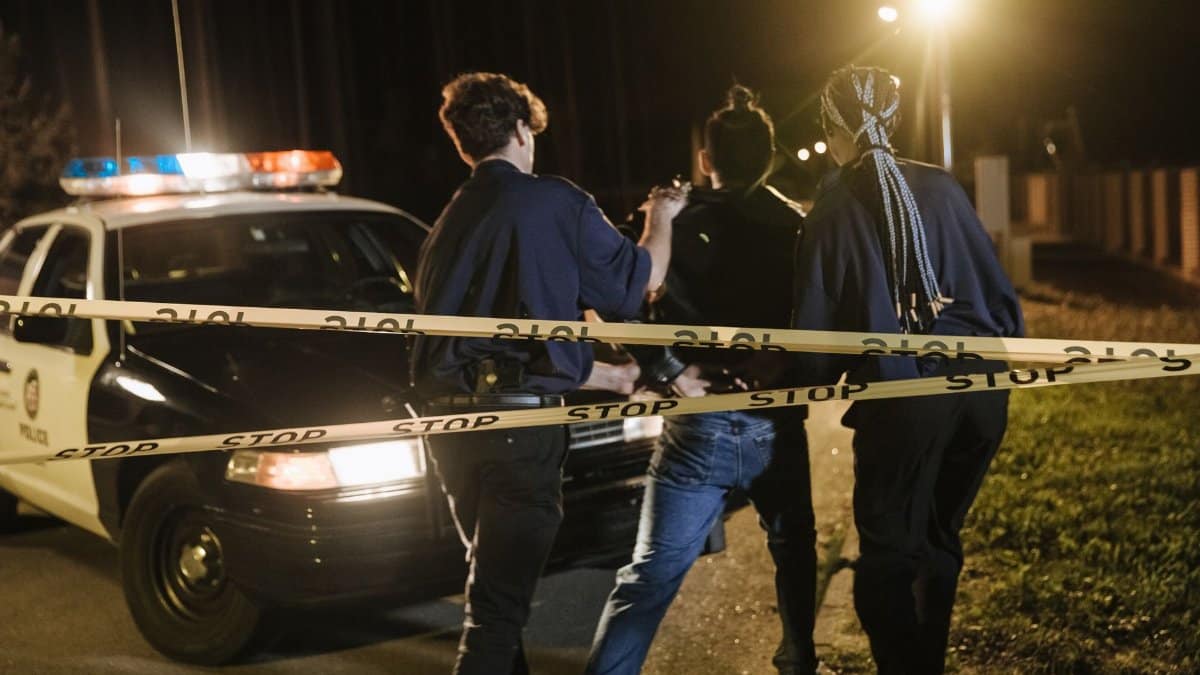
Just after dusk on a quiet block in Los Angeles, a small group kneels at the edge of an unmarked crossing and rolls white paint across the asphalt. Cars slow, then stop. Neighbors watch from porches. The lines are straight, the message plain, and the act is against the rules. This is how illicit crosswalks Los Angeles have entered the city’s argument over who gets to move safely through its streets, and how long residents are expected to wait for official help.
A student who decided the wait was too long
Jonathan Hale, a UCLA law student, has become the public face of a volunteer effort that paints unauthorized crosswalks at intersections residents already treat as crossings. He and others say the city has catalogs of dangerous spots and a traffic safety agenda that moves more slowly than the risk on the ground. Their answer is not a lawsuit first, or a petition alone. It is a brush, a roller, and a willingness to be cited.
Hale has described the work as a refusal to treat delay as neutral. In his telling, an unmarked crossing is not an abstract planning problem. It is the place where a child walks to school, where an older neighbor crosses for groceries, where a driver who never sees a cue keeps going. The volunteers are not claiming to replace engineers. They are claiming that visibility itself is a form of care, and that care should not depend on a multi year queue.
What the paint is meant to do
A crosswalk does not stop a car by magic. What it does, when drivers notice it, is announce that people on foot have a claim on that slice of road. Markings can make an informal path legible. They can slow a turn. They can give a parent language for a complaint that previously sounded like a personal worry rather than a design failure.
The volunteers choose intersections where people already cross, often because the nearest marked place is a long walk away or because bus stops, schools, and shops pull pedestrians into the street. They paint where the desire line is obvious. In that sense the project is documentary as much as it is activist. The street has already voted with footsteps. The paint records the vote.
Why Los Angeles keeps having this fight
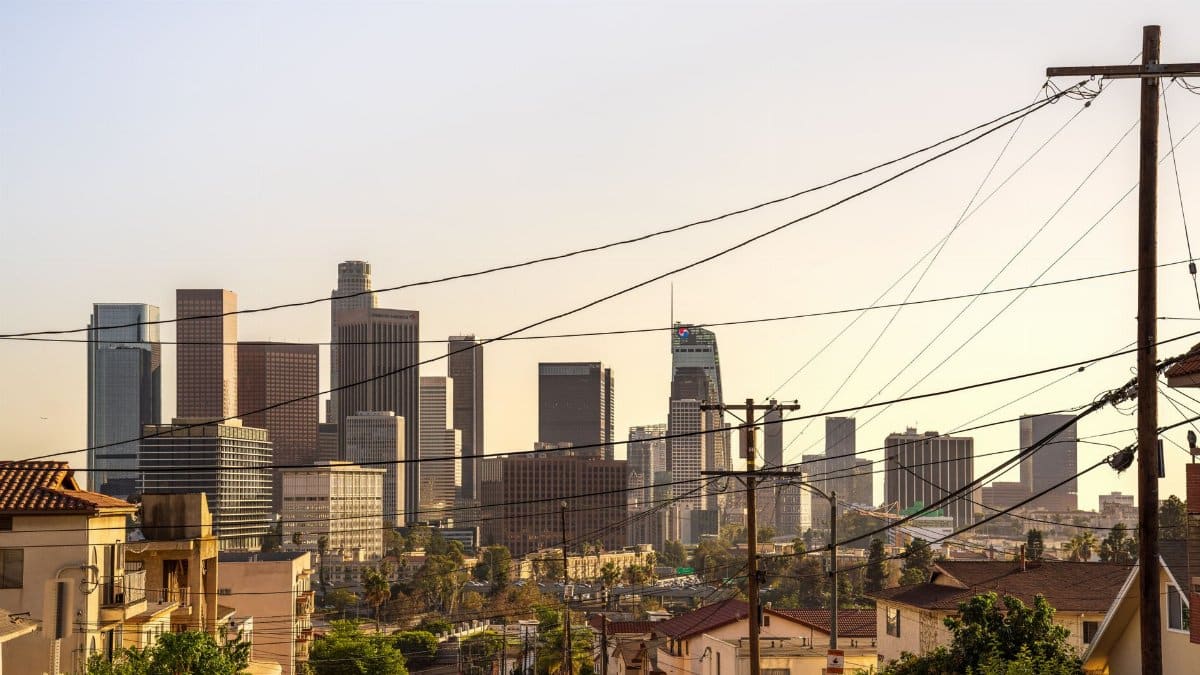
Los Angeles is a city built around the automobile, then asked, late, to make room for everyone else. Wide roads, long blocks, and signals timed for flow still shape daily life. Pedestrians are not a niche. They are students, shift workers, people without cars, and drivers who become walkers the moment they park. When those trips meet streets designed for speed, the result is familiar: near misses, injuries, and deaths that neighbors can map by memory.
City agencies have adopted safety goals and published plans. Residents have attended hearings. Yet the distance between a known hazard and a finished fix can stretch across budget cycles, staffing shortages, and competing political demands. That gap is where illicit crosswalks Los Angeles take on their charge. Supporters call the paintings a bridge. Critics call them a shortcut that skips the very review meant to keep a marking from creating a new danger.
The legal line the painters cross
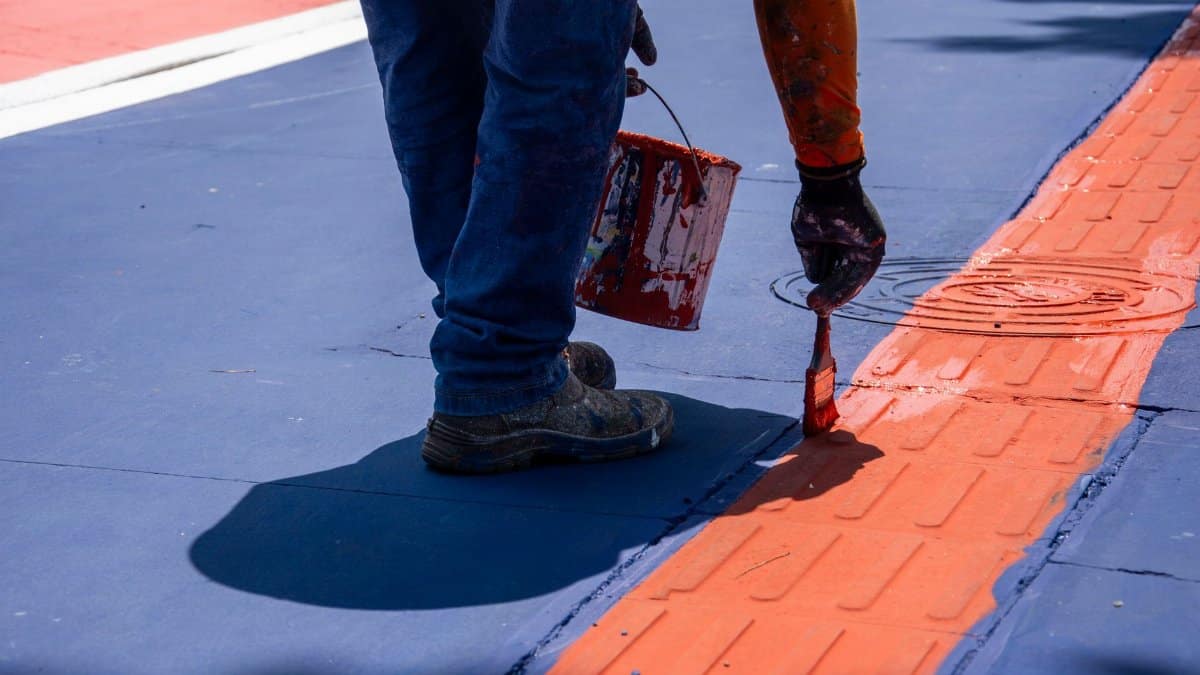
Painting a public street without permission is not a gray area in the municipal code. The roadway belongs to the public, and alterations to it belong to the agencies charged with design and maintenance. Volunteers who mark a crossing can face citations, orders to stop, and the cost of removal. Hale has said he understands the risk and accepts it. The phrase attached to the effort, that people cannot wait any longer, is less a slogan than a timetable argument: safety delayed is safety denied.
Law students are trained to see process as protection. Hale’s choice is therefore pointed. He is not ignorant of permits. He is arguing that process has become a shield for inaction. Whether a court or a council would agree is another matter. Civil disobedience has a long American pedigree, and it also has a cost. Arrest, a record, and the chance that a well meant line becomes evidence in a crash case are not symbolic risks. They are practical ones.
Engineers and the fear of a false promise

Transportation professionals often bristle at guerrilla markings for reasons that are not only bureaucratic. A crosswalk can suggest safety it does not deliver. If drivers do not yield, if sight lines are poor, if speeds are high, paint can invite a pedestrian into a conflict the marking cannot resolve. Standard practice pairs crossings with signals, refuge islands, lighting, or speed management. A roller cannot install those.
That critique deserves a hearing. A city that rubber stamps every volunteer line would be careless. A city that answers every volunteer line only with a pressure washer, and never with a study or a fix, is careless in another way. The useful question is not whether amateurs should run the department of transportation. It is whether their maps should force a faster, public answer: approve, redesign, or explain, in daylight, why this corner must stay unmarked.
Neighbors who already knew the corner
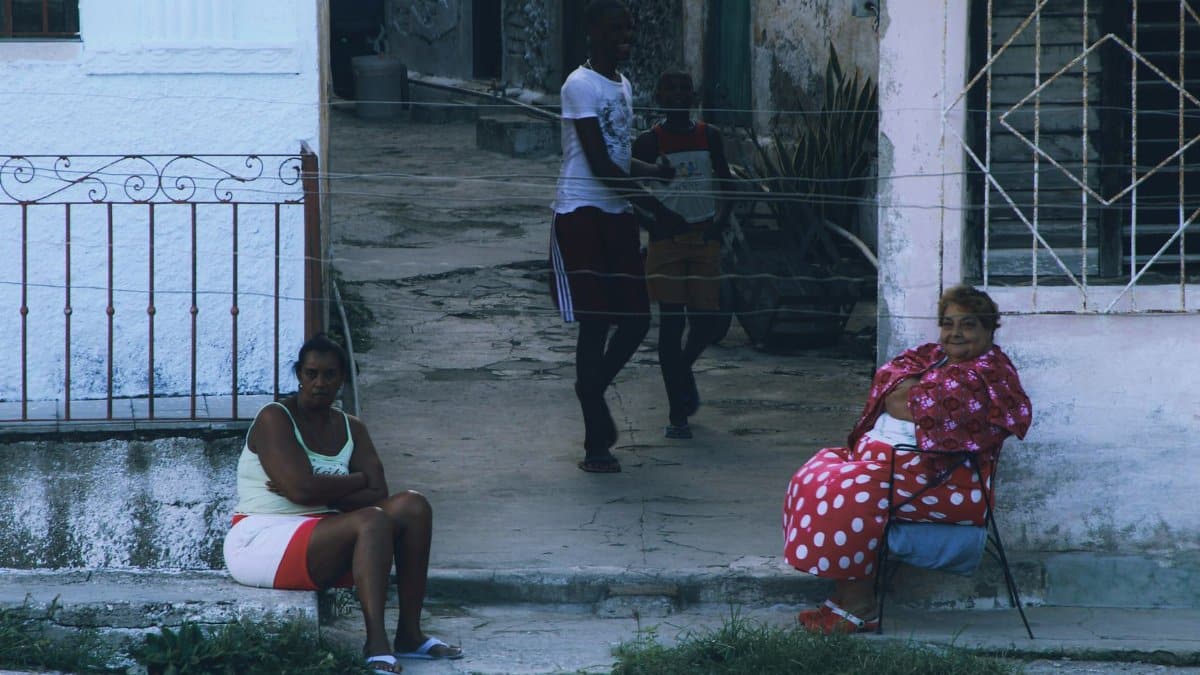
Talk to people who live beside these intersections and the debate sounds less theoretical. They know which turn is blind. They know which hour brings the rush. They have stood with a stroller and waited for a gap that never quite feels wide enough. When volunteers arrive, some residents bring water. Some worry about tickets. Some ask whether the city will simply sandblast the work by morning.
Those reactions are the real constituency. Illicit crosswalks Los Angeles are not a campus stunt detached from the block. They depend on local knowledge: which corner, which direction of travel, which faded stop line already fails. The moral claim is neighborly before it is ideological. People should not have to gamble their bodies to reach a bus.
Conscience, urgency, and the civic soul
There is a spiritual dimension to this story that has little to do with doctrine and much to do with attention. A city reveals what it honors by what it hurries to protect. When memorials appear at corners faster than crosswalks, residents feel a breach not only of policy but of regard. Painting a line can be read as a secular liturgy of notice: we see you, we will not look away, we will mark the place where harm keeps happening.
That reading does not settle the legal question. It does explain why the images travel. A student risking arrest for a stripe of paint is a story about proportion. The penalty looks heavy next to the request. The request looks modest next to the stake. In a culture that often treats traffic deaths as weather, the act insists they are choices.
What the city could do instead of only erasing
Los Angeles has tools short of tolerating unauthorized paint and short of endless study. It can publish a plain list of requested crossings and the status of each. It can fund quick build treatments, such as posts, signs, and tighter corner radii, where a full signal is years away. It can pair enforcement against vigilante work with a clock: if a site meets basic criteria, a temporary marking goes down under city authority within a set number of days.
Other cities have experimented with rapid response programs after serious crashes and with community walks that turn anecdotes into work orders. The point is speed with standards. Residents do not need every wish granted. They need to see that a documented danger enters a queue that moves. Without that, the brush will keep looking like the only tool that answers in the same week the fear arrives.
The risk of a movement that outruns its craft
There is also a danger on the volunteers’ side. A campaign that prizes visibility can drift toward the most photogenic corner rather than the most severe one. Inconsistent paint can confuse drivers. A confrontation with police can eclipse the pedestrian who needed the crossing in the first place. If the effort becomes a brand, it will lose the neighborly authority that makes it hard to dismiss.
Hale and his collaborators will be judged by whether they keep pointing back to the street. The strongest version of this work is boring on purpose: site photos, crash history, a letter to the council office, a painted line, and then a demand that the city either adopt the marking or replace it with something better. Spectacle fades. A maintained crossing does not.
Arrest as a receipt, not a strategy
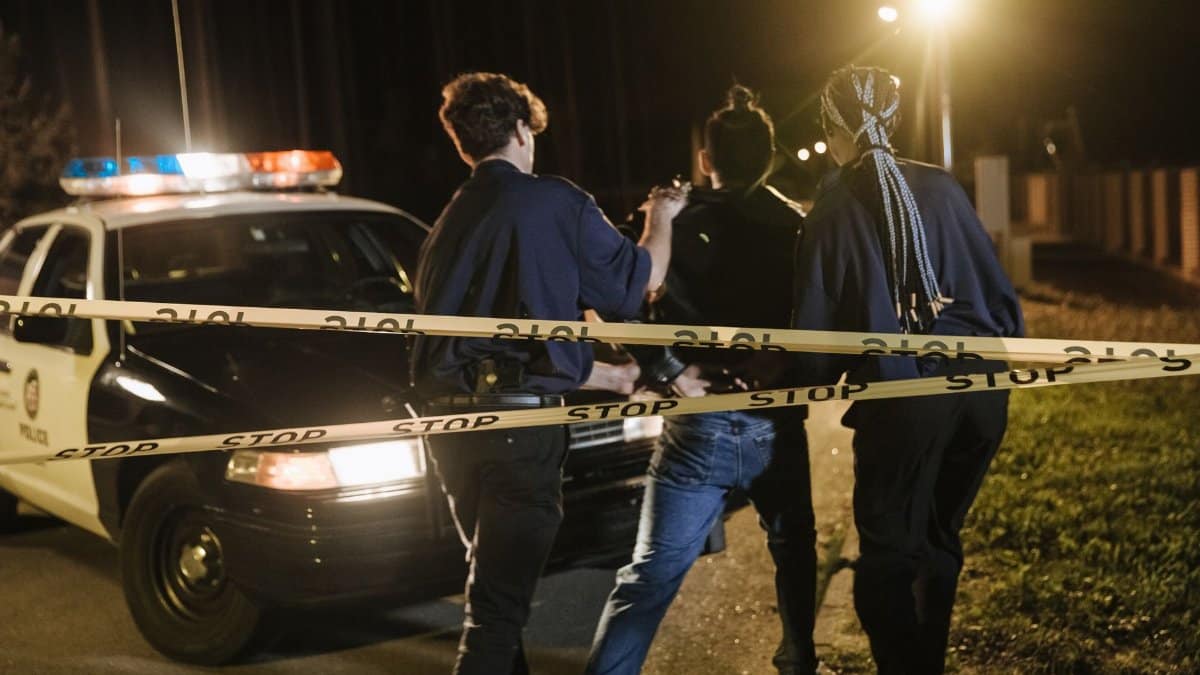
Risking arrest can clarify a moral position. It is a poor substitute for a capital budget. If the goal is fewer people hit in crosswalks, the end state is official infrastructure, slower speeds, and streets where yielding is normal rather than heroic. Civil disobedience is a receipt that the regular channels felt closed. It should not become the operating manual.
Still, receipts matter. They show who was willing to stand in the lane when the meeting agenda was full. They give reporters, pastors, principals, and council aides a concrete place to start a conversation that might otherwise stay abstract. In that limited sense, the citation is not the victory. The citation is proof that someone refused to treat the unmarked crossing as inevitable.
A city learning to see its walkers
Los Angeles is slowly relearning how to see people outside cars. Bike lanes, bus lanes, and daylighting at corners are part of that education, uneven and contested. Illicit crosswalks Los Angeles belong to the same uneasy chapter. They are evidence of impatience, and also of attachment. People paint what they hope the city will one day own.
Whether Hale’s group is remembered as a spark or as a caution will depend on what follows the headlines. If agencies answer with removal alone, the paint will return, and trust will thin. If they answer with faster, competent crossings at the corners neighbors already use, the rollers can go back in the trunk. That would be the quiet success: a city quick enough that conscience no longer has to dry on the asphalt overnight.
The line on the road and the line in the law
Two lines are in tension here. One is painted, provisional, and easy to photograph. The other is legal, slower, and meant to keep public works from becoming a free for all. A mature city holds both. It does not romanticize vandalism, and it does not hide behind process while people keep stepping into traffic.
For now, the story of illicit crosswalks Los Angeles is a test of attention. Can a government hear a demand that arrives as a misdemeanor and translate it into a schedule, a design, and a budget line? Can volunteers keep their courage yoked to craft, so that urgency does not outrun safety? The paint will fade. The question of who the street is for will not.