

In the sun baked courts of Compton California the remarkable journey of the Williams sisters siblings illustrates how family position can shape elite athletic paths in unexpected ways. Researchers have long examined birth order effects and this pair provides compelling evidence that later arrivals in a family often develop distinct competitive strengths through observation and adaptation.
Roots in a Challenging Environment

The sisters grew up amid economic pressures that demanded resilience from an early age. Their father orchestrated rigorous practice sessions on public courts where resources were limited yet determination ran high. This setting fostered skills that translated directly to professional circuits.
Birth Order Patterns in Sports Research
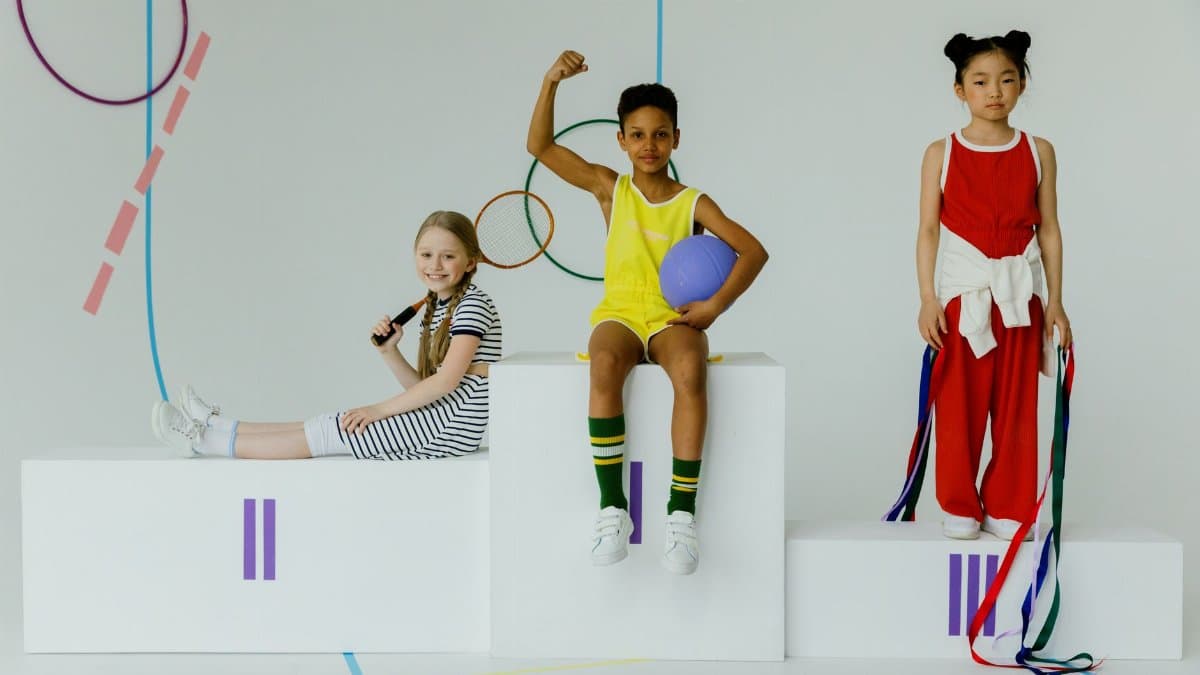
Studies on sibling sequences reveal that younger athletes frequently benefit from watching older ones navigate challenges. Data from various disciplines shows later born competitors tend to exhibit greater adaptability under pressure. The Williams sisters siblings serve as a clear illustration of this dynamic in action.
Shared Yet Distinct Training Approaches

Both players absorbed techniques from the same coach but each interpreted lessons differently based on their vantage point. The younger sibling often refined moves after seeing initial attempts by the older one. Such incremental improvements compounded over years of dedicated work.
Psychological Advantages for Later Arrivals

Mental toughness develops uniquely when a child enters a household already engaged in high level pursuits. Observation of successes and setbacks builds confidence without the burden of pioneering the path. This pattern appears consistently across multiple elite sports families.
Impact on Competitive Strategies

Game plans evolved as the sisters faced each other repeatedly in tournaments. The later born player gained insights into opponent tendencies through prior matches. These encounters sharpened tactical awareness that carried over to other rivals on the tour.
Broader Implications for Family Dynamics

Parents and guardians play a pivotal role in nurturing talent regardless of arrival sequence. Balanced encouragement allows each child to pursue excellence without undue comparison. The Williams sisters siblings demonstrate how supportive structures amplify individual gifts.
Global Influence on Youth Athletics

Programs worldwide now consider birth order when designing development initiatives. Coaches seek to harness the observational edge that younger participants bring to group settings. This approach has led to more inclusive training models in tennis academies.
Legacy Beyond the Court

Their achievements continue to inspire discussions on opportunity and perseverance. Foundations established by the family extend support to underserved communities. Such efforts underscore the lasting value of lessons learned through sibling interactions in sports. The Williams sisters siblings remain central to these conversations as models of sustained excellence. Additional examinations of similar cases reinforce the initial findings from the original analysis.