
In clinic waiting rooms across Chicago this fall, pediatricians have returned to a conversation many thought belonged to an earlier era. Parents arrive with questions about fever, rash, and whether a routine trip to a relative out of state could carry more risk than it once did. The national tally of measles infections has climbed to its highest point in 35 years, and measles cases Illinois health officials are tracking have more than doubled, reaching 29 so far this year. That local rise is still modest beside some outbreaks elsewhere, yet doctors say the direction matters. A disease that vaccines had pushed to the margins is again testing how well communities remember what protection looks like, and how quickly a familiar virus can exploit a small gap.
A national high point with a local echo

Public health agencies have spent the year counting infections that, for a long stretch, were rare enough to feel theoretical. The United States now sits at a 35 year high for measles, a marker that startles clinicians who trained in an era when elimination seemed durable. Illinois is not the center of the largest clusters, but the state is no longer a quiet footnote. When measles cases Illinois records move from a low baseline to 29 in a single year, the change is large enough to reopen old lessons about contagion, school calendars, and travel.
Doctors in Chicago describe the mood as attentive rather than panicked. They are fielding calls from families who heard a headline and want a plain translation. Is this the same measles their grandparents feared? Does a single case in a distant county change the advice for a toddler in the city? The honest answer is that risk is uneven. It rises where immunity is thin, where people gather indoors, and where a contagious person moves through ordinary life before anyone knows the name of the illness.
What 29 cases can and cannot tell us
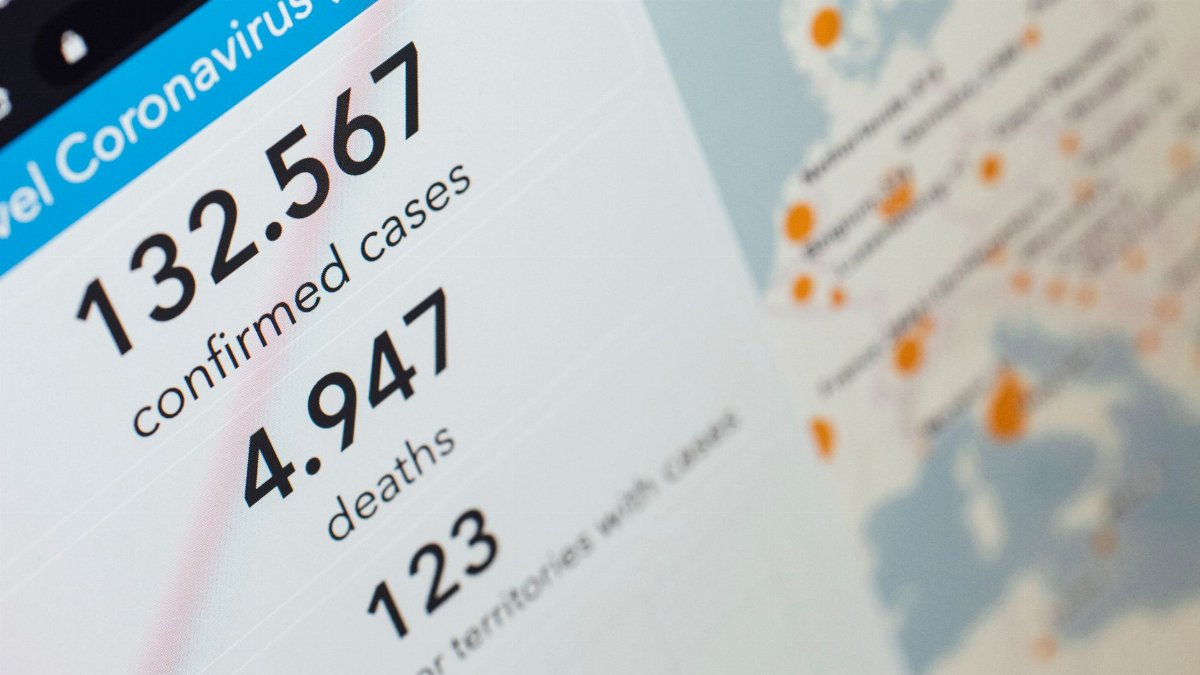
A count of 29 is not a catastrophe, and it is not nothing. Measles is so contagious that a handful of infections can reveal where protection has worn thin. Each case also represents a chain that might have been longer if isolation, contact tracing, and vaccination had failed. Health departments treat every infection as a signal, not a statistic to shrug off.
Numbers alone do not show who was unvaccinated, who was too young for a full series, or who encountered the virus while traveling. They do show that the virus is circulating again in a country that once documented its near disappearance. For families reading headlines, the useful question is narrower: am I, and the people I live with, protected at the level current guidance recommends? That question matters more than comparing one state’s total with another’s.
How the virus moves through ordinary rooms
Measles spreads through the air. An infected person can pass it by breathing, coughing, or sneezing. Droplets and finer particles can linger in a room for as long as two hours after the person has left. That is why a brief overlap in a clinic, a worship hall, an airport gate, or a classroom can matter even when people never touch.
Someone can be contagious for about four days before the rash appears and for about four days after. The early days look like many winter illnesses: fever, cough, a runny nose, red and watery eyes. By the time the characteristic rash arrives, often starting at the hairline and moving downward, the person may already have shared the virus with others who had no reason to keep their distance. Chicago physicians say this timing is the detail parents most often underestimate.
Symptoms that deserve a call, not a wait
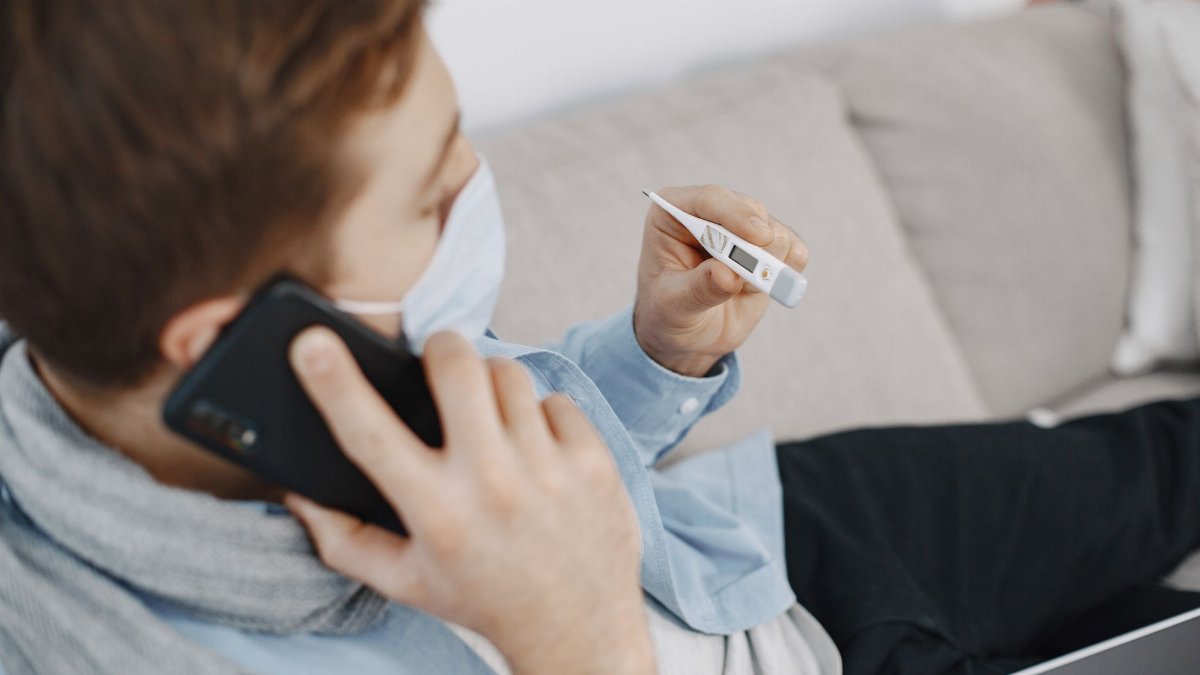
The classic picture is a high fever followed by rash, but the opening act is easy to misread. Fatigue, irritability in young children, and sensitivity to light can accompany the respiratory signs. Some patients develop tiny white spots inside the mouth before the skin changes. Not every case follows a textbook sequence, which is why doctors ask about exposure, travel, and vaccination history rather than relying on rash alone.
Families should call ahead before walking into a crowded waiting room if measles is a real possibility. A phone call lets a clinic separate a potentially contagious patient from infants and from people with weakened immune systems. That small courtesy is also infection control. It is not an accusation. It is how a city keeps one illness from becoming many.
Why vaccination still changes the odds
The measles, mumps, and rubella vaccine remains the central tool. Two doses are about 97 percent effective at preventing measles, according to long standing guidance from the Centers for Disease Control and Prevention. One dose offers strong but incomplete protection. Most children receive the first dose near the first birthday and the second before starting school, though schedules can shift for travel or during an outbreak.
Adults who are unsure of their records can ask a clinician whether a dose is appropriate. People born in years when measles was common often have immunity from infection, but guessing is a poor substitute for a record or a medical recommendation. The vaccine does not treat an active infection. It prevents the illness that fills hospitals with complications that modern medicine still cannot always reverse.
More detail on symptoms, spread, and vaccine timing is available from the Centers for Disease Control and Prevention. Local health departments remain the right source for exposure notices that apply to a specific county or school.
Complications clinicians still fear

Most people recover, and that fact can breed complacency. Measles is not a mild rash with a memorable name. It can cause ear infections, severe diarrhea, and pneumonia. A smaller share of patients develop inflammation of the brain. Very rarely, a fatal neurological condition appears years later. Pregnant people face higher risks, including pregnancy loss. Infants, people with compromised immunity, and those who are malnourished tend to fare worse.
Hospital care can support breathing, hydration, and secondary infections. It cannot rewind the viral injury. That is the argument physicians return to when a parent asks whether natural infection is a reasonable teacher. The lesson is real, and the tuition can be permanent. In a city as large as Chicago, even a low percentage of complications becomes a set of named children, not an abstract rate.
Schools, travel, and the winter calendar

Schools concentrate the age group most likely to share viruses before anyone feels sick. A single infectious student can expose a classroom, a bus, and a lunchroom in one morning. Exclusion rules exist for a reason: a child with measles should stay home through the contagious window, and unvaccinated contacts may be asked to remain out of school for a longer period. Those measures are disruptive. They are also how districts avoid closing wider circles.
Travel adds another path. Holiday visits, conferences, and flights connect Illinois households to regions where outbreaks are larger. Doctors are not asking families to cancel ordinary life. They are asking them to check vaccine status before the trip, not after a fever starts in a hotel. The same advice applies to international travel and to domestic trips into communities with known spread. Measles cases Illinois residents encounter may begin far from home and announce themselves only after the return.
Questions worth asking at the next visit

A useful appointment is specific. Parents can ask whether each child is due for a measles containing vaccine, whether records from another state have been entered, and what to do if a classmate is later identified as a case. Adults can ask the same questions for themselves, especially if they work in health care, childcare, or any setting with infants.
People with weakened immune systems, and parents of children who cannot be vaccinated for medical reasons, deserve a direct conversation about exposure plans. Their safety depends partly on the immunity of everyone else in the room. That is not a moral lecture. It is epidemiology. When vaccination rates slip in a neighborhood, the first people to feel it are often those who had no choice.
Immunity gaps that are easy to overlook

Gaps are not only the result of refusal. Some adults lost paper records. Some children missed a second dose during moves or during years when routine care was delayed. Some infants are simply too young for the standard first dose and rely on the people around them. A few people received a less effective vaccine formulation used in an earlier period and may need evaluation.
Language barriers, clinic hours, and cost confusion still keep eligible people from finishing a series that is widely available. Public clinics and pediatric offices in Chicago and across the state can usually sort eligibility faster than social media can. The practical step is an appointment, not another hour of scrolling through conflicting posts. When measles cases Illinois communities report begin to cluster, those unfinished series become the map of who is exposed next.
Trust, rumor, and the pace of bad news
Measles outbreaks attract rumors because the disease is visible and the vaccine is old enough to have accumulated myths. A rash photograph circulates without context. A single adverse event, rare and real, is treated as if it described the typical experience. Doctors who have watched both the disease and the vaccine ask families to weigh frequencies, not anecdotes. Severe vaccine reactions occur, and clinicians take them seriously. Severe measles is far more common among the unprotected.
Trust is built in exam rooms more than in comment threads. A physician who explains what is known, what is uncertain, and what the family can do this week is more useful than a national argument. Readers who want a spiritual frame for the same facts might find it in a simple duty of care: protect the infant who cannot yet be vaccinated, the neighbor in treatment for cancer, the student whose records were lost in a move. Information is part of that care. So is showing up for the shot that is already recommended.
What the next weeks ask of families

No one needs to reorganize a life around a statewide total of 29. People do need a plan that fits the biology of the virus. Confirm vaccination. Keep sick children home. Call before arriving if measles is plausible. Watch for fever and rash after a known exposure, and follow health department instructions about quarantine even when the child seems only mildly ill. Those steps are unglamorous. They are also how a 35 year high becomes a warning rather than a new normal.
Illinois has the clinics, the vaccine supply, and the public health staff to interrupt chains of transmission. What it cannot supply is memory. The last generation that saw measles as a routine childhood terror is aging. The current generation is being asked to believe the record without having watched the worst of it. Belief, in this case, is not abstract. It is a date on a vaccine card and a phone call made before a rash spreads through a household.
A measured reading of the moment

The headline is stark because the comparison is stark. The United States is recording more measles than it has in 35 years, and measles cases Illinois has logged this year have more than doubled to 29. Doctors are not describing an inevitable wave. They are describing a preventable one that will grow only if immunity gaps stay open and if early cases are met with delay. The disease has not changed its character. It remains fast, airborne, and capable of serious harm. The tools have not changed either. They remain vaccination, prompt isolation, and clear information offered without contempt for the people who are afraid.
For middle aged readers who remember both the campaigns that drove measles down and the fatigue of later health debates, the assignment is familiar. Listen to clinicians who see the complications. Check the records of children and grandchildren. Treat a local increase as a reason for practical action, not as background noise and not as a reason for despair. The virus counts on forgetfulness. A state that remembers what 29 cases are trying to say still has time to answer.