
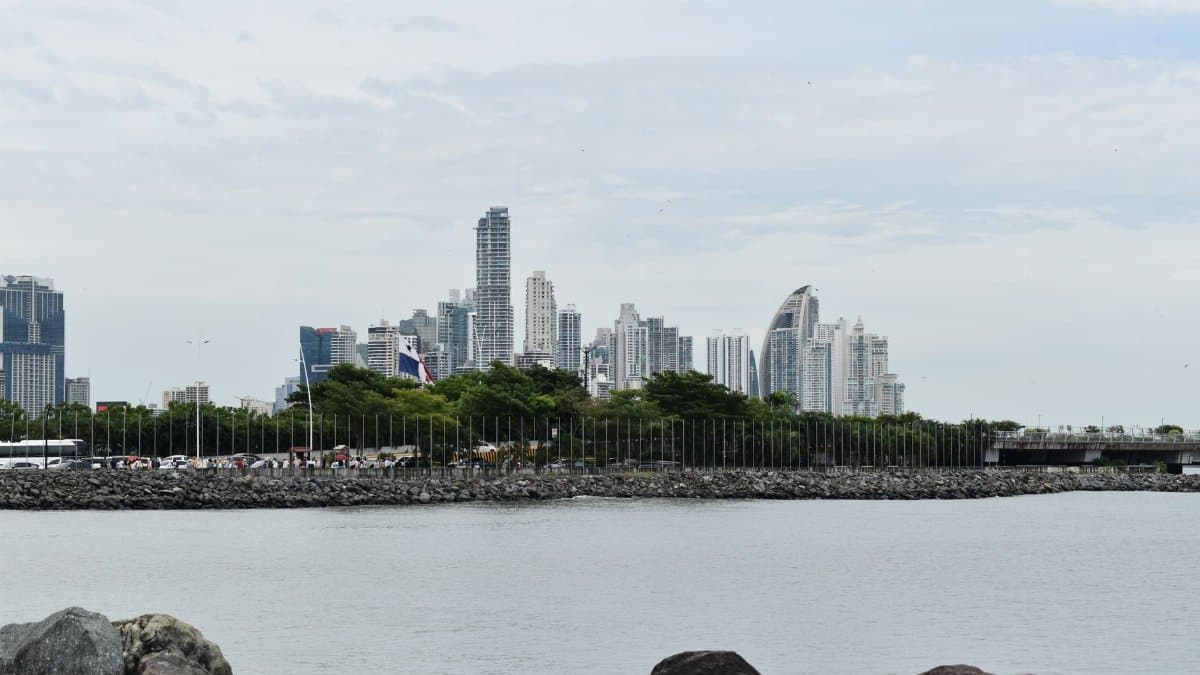
Before dawn had fully lifted over the isthmus, people in Panama City stepped into streets still ringing with car alarms and the low murmur of neighbors comparing what they had just felt. Furniture had walked across floors. Glass had shattered in older blocks. Within minutes, phones filled with the same alert: a powerful quake, then word of another. The Panama earthquake October 2026 will be remembered less as a single jolt than as a morning when two shocks arrived close enough together to empty offices, close schools, and send families toward open ground. Officials described a magnitude 7.7 event on October 9 that shook the capital and damaged buildings in central provinces, with evacuations following as aftershocks continued.
What the capital felt in those first minutes
In Panama City the motion was not a distant rumor. Residents on higher floors said the buildings swayed long enough that they stopped trusting the walls and moved toward stairwells. In older neighborhoods, plaster dust hung in doorways. Shopkeepers pulled metal gates down and then pulled them up again, unsure whether the danger was inside or in the street. Traffic lights blinked through cycles that no longer matched the flow of cars, because drivers had already abandoned lanes to stand in the open.
The sound people described later was not only the quake itself. It was the layered noise that follows any large shock in a dense city: dogs, alarms, a sudden absence of ordinary conversation, then a rush of it. Parents called schools. Workers called home. For a while the cellular network slowed, not because it failed everywhere, but because too many people tried to use it at once. That pause, brief as it was, sharpened the fear. When a message cannot get through, the mind fills the gap.
A second shock and the decision to leave
The second quake changed the morning from startling to urgent. People who had stayed inside after the first jolt, hoping the worst had passed, reconsidered. Building managers waved tenants toward assembly points in parking lots and parks. Government offices suspended routine business. In several districts, residents did not wait for a formal order. They gathered children, documents, and water and walked. Evacuation, in those hours, was less a single command than a shared instinct.
That instinct has a logic. Two strong earthquakes close together raise the chance that weakened structures will fail on the next movement. Stairwells that held once may not hold again. Shelves that leaned may fall. Officials urged people to stay clear of damaged facades and to treat aftershocks as part of the event, not as an afterthought. The advice was simple and hard to follow: do not go back for things. The things can wait. The ceiling cannot be argued with.
Damage in the central provinces
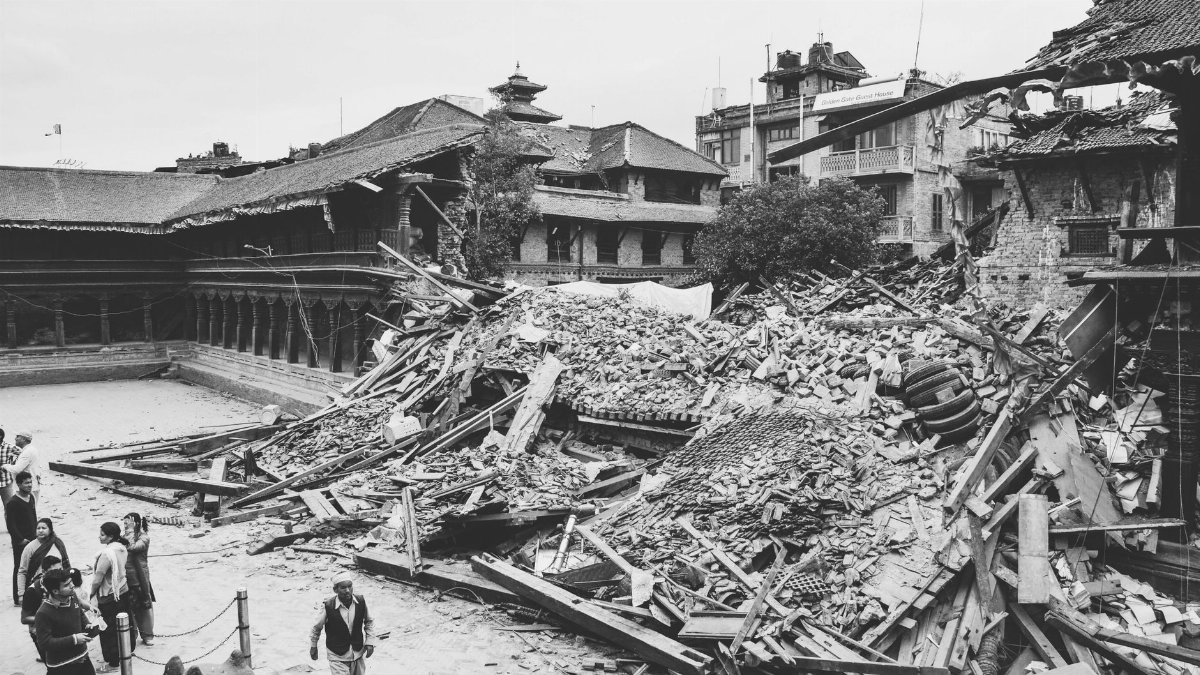
Away from the capital, the picture was patchier and, in places, more severe. Reports from central provinces described cracked masonry, fallen tile, and roads blocked by small slides where hills meet pavement. Rural clinics checked patients who had been thrown from beds. In towns with fewer engineers on staff, a priest, a teacher, or a shop owner often became the person who decided which building was safe enough to enter. Those judgments were provisional. They had to be.
Early accounts did not yet offer a full inventory of injuries or collapsed structures, and responsible reporting should not invent one. What was clear by afternoon was a pattern: older concrete and unreinforced block took the worst of it, while newer frames swayed and stood. That pattern is familiar across the region. It is also uneven. A street can look intact from one end and broken from the other. Families on the broken end do not experience the quake as a national statistic. They experience it as a room that no longer feels like theirs.
The canal and a narrow country that carries the world
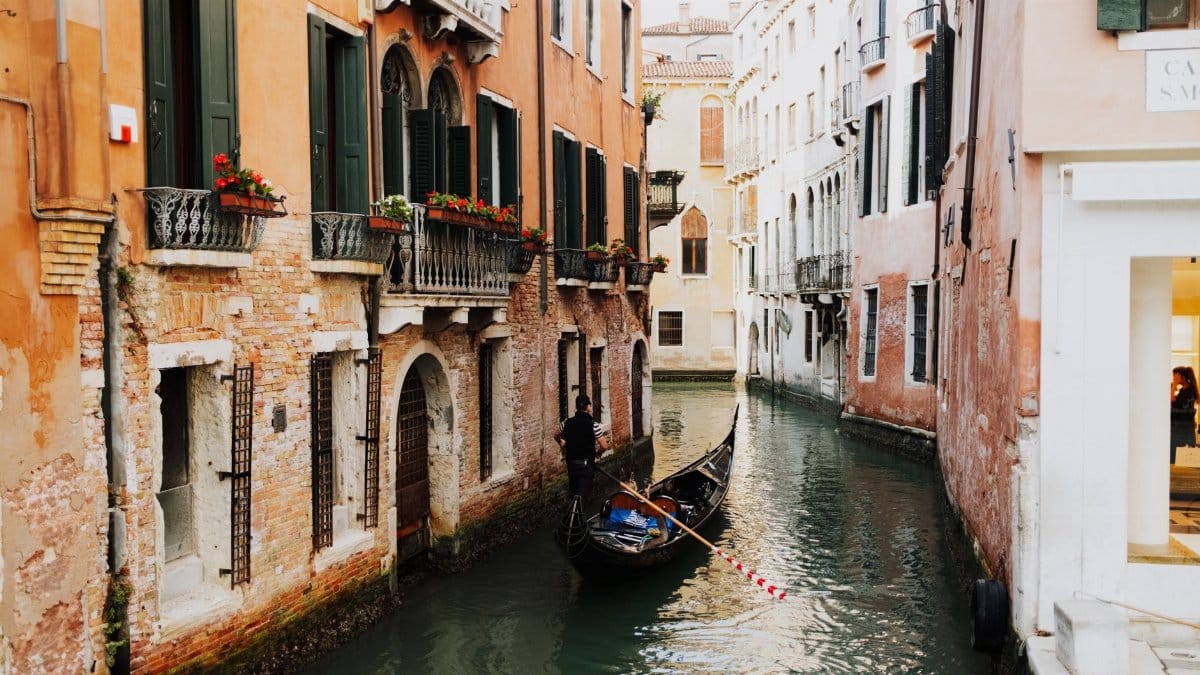
Panama is a small nation with an outsized role in global trade. Any strong shaking near the isthmus raises an immediate question about the canal, the locks, and the people who keep ships moving. Authorities and canal operators moved quickly to inspect critical works, a standard step after a major quake, while shipping interests watched for delays. The Philadelphia Inquirer, in its account of the morning, placed the canal and the aftershocks at the center of the international story, which is where they belong. A closure, even a short one, ripples through schedules far from Central America.
For Panamanians the canal is not only an economic asset. It is a landscape they live beside, a source of jobs, and a reminder that geology and commerce share the same strip of land. The Panama earthquake October 2026 forced that reminder into the open. Inspectors walked alignments. Controllers reviewed procedures. None of that theater of caution is empty. It is how a chokepoint earns the right to reopen. Until those checks are finished, rumor travels faster than any ship.
Aftershocks and the long afternoon
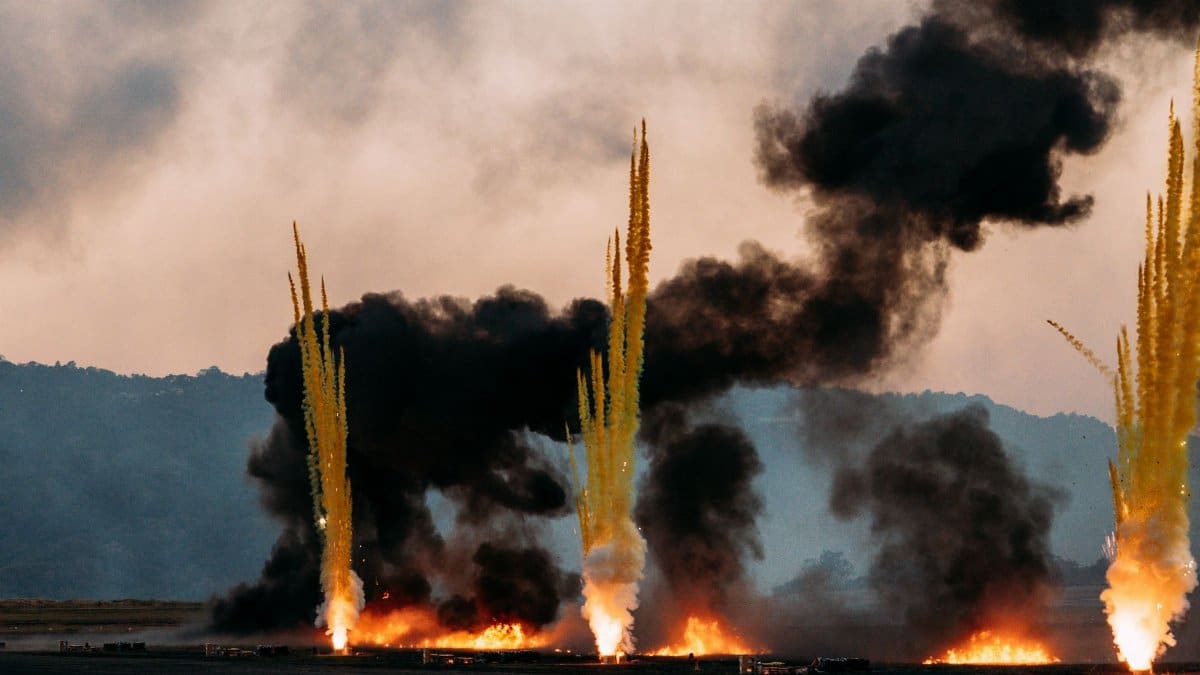
Aftershocks kept the country from settling. Some were strong enough to send people back outside. Others were felt only as a brief tightening in the stomach, the body registering motion before the mind could name it. Seismologists expect this sequence. The public experiences it as injustice. The big one was supposed to be the end. Instead the ground kept speaking in smaller sentences, each one capable of finishing what the first shocks started in a compromised wall.
Emergency managers used the afternoon to move from reaction to sorting. Which neighborhoods needed water. Which clinics needed staff. Which roads could take ambulances. Volunteers appeared with the particular competence of people who have done this before: they knew where the generators were, which aunt had a truck, which hill road washes out when it rains on broken soil. October weather did not grant a pause. Heat and humidity made standing in the open its own hardship, especially for older residents and for anyone carrying a child.
Schools, hospitals, and the search for shelter
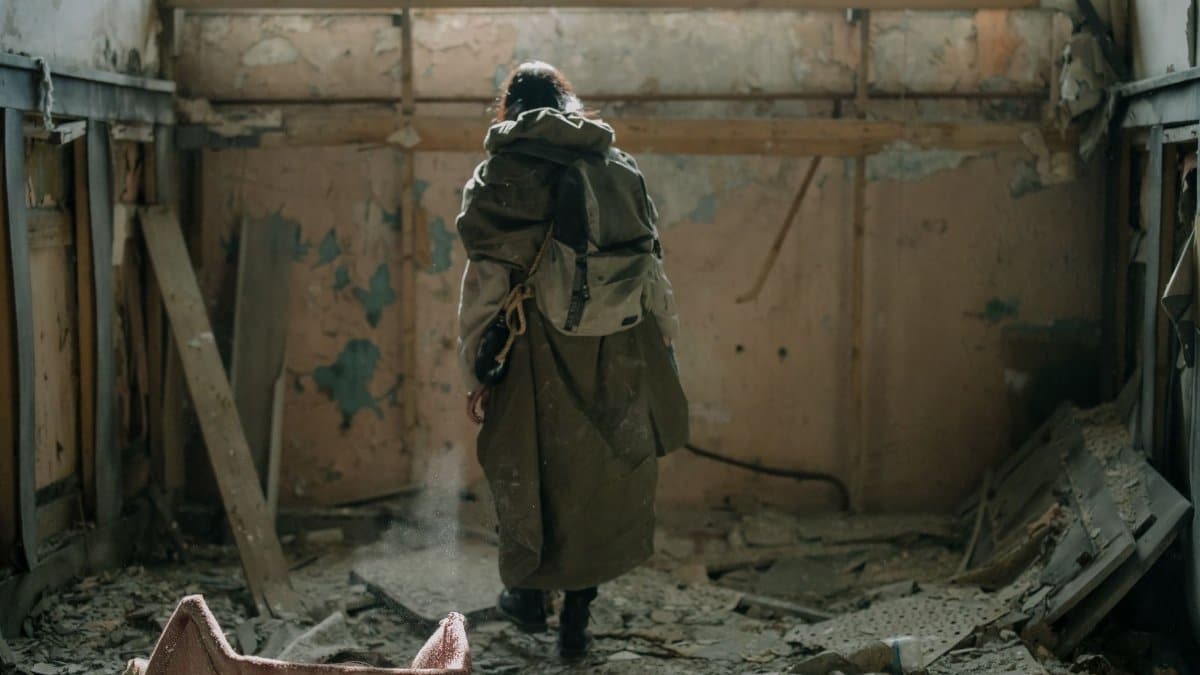
Schools closed not only because classrooms might be unsafe, but because parents would not have sent children back even if the buildings had been cleared. Hospitals faced a double demand: treat the injured, and prove that their own wards could still hold patients. Staff moved some people away from upper floors and from wings with visible cracking. Elective care stopped. The ordinary illnesses of a Thursday did not stop with them. A quake does not cancel childbirth, asthma, or a heart that was already failing.
Shelter, in the first day, was often informal. Church halls, schoolyards, and the homes of relatives absorbed those who would not sleep under their own roofs. That improvisation works until it does not. Sanitation, privacy, and medicine run short when a courtyard becomes a neighborhood. Officials began identifying sites that could last more than a night, while warning against crowding under structures that had not been looked at by an engineer. Open sky is uncomfortable. It is also honest about what the ground might still do.
How the response took shape
National and local agencies coordinated through the channels they drill in quieter months. Fire crews checked gas lines. Police kept people off bridges and away from glass that still hung in frames. The armed forces, often called in Panama for disaster support, moved supplies toward provincial towns where commercial traffic had slowed. None of this is glamorous. It is lists, fuel, and the stubborn work of confirming that a village heard about is a village reached.
Neighbors did the work that no agency can fully staff. They shared phone chargers, translated official messages for older relatives, and walked door to door on blocks where someone lived alone. In disasters, the first rescuer is usually the person already there. That truth does not diminish the state. It describes the hour before the state arrives, and the hours after, when official help is real but never quite enough for every kitchen that needs a plank across a crack.
Prayer, ritual, and the need to name the fear
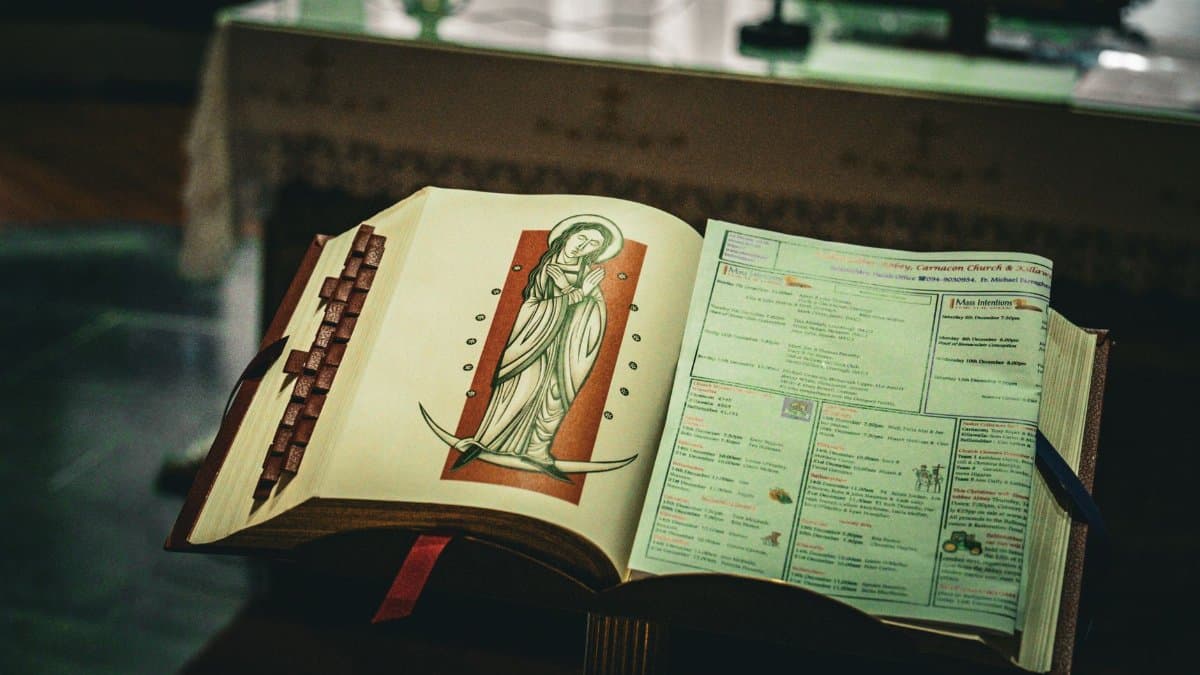
In a country where churches, mosques, and smaller congregations sit close to daily life, faith communities opened what they could. Some offered water and a floor. Others offered a service shortened by the practical fact that people would not stay under a roof they did not trust. Prayer did not move the fault. It did give language to a fear that otherwise sits in the body as pure alarm. For many middle aged parents, the ritual was less about explanation than about gathering children in one place and saying, aloud, that the family was still a family.
There is a temptation, from a distance, to treat that turn toward faith as color for a news story. Up close it is logistics and meaning at once. A parish hall with a working kitchen is a shelter. A candle lit for someone not yet reached by phone is a way of refusing to let absence become anonymity. Journalists can report both without pretending that belief repairs masonry. The spiritual impulse and the material need arrived together, as they often do when the ground refuses to stay still.
What can be said, and what must wait
A magnitude 7.7 quake is a serious event by any standard used in public communication. It can damage buildings across a wide area, especially where construction varies in age and quality. It does not, by itself, tell you how many people were hurt, whether a particular lock or span failed, or how long aftershocks will remain unsettling. Those answers come from inspections, hospital counts, and days of measurement. Early numbers travel because people are desperate for them. They should be labeled as early.
Scientists will eventually place the Panama earthquake October 2026 on a map of faults and depths, and they will compare it with the seismic history of the region, where the Cocos, Nazca, and Caribbean plates shape a complicated boundary. That work matters for building codes and for the next generation of schools. It does not comfort a person standing in a lot at noon, waiting to hear whether a parent in the interior has a roof. Both time scales are real. Confusing them is how rumor hardens into false certainty.
Memory, building, and the week that follows
Panama has lived with earthquakes before. Memory is a kind of infrastructure. It tells a shopkeeper to keep a radio charged. It tells a parent which park is far enough from glass. It also fades, which is why codes, drills, and boring maintenance matter more than heroism after the fact. The week ahead will test whether temporary closures become careful reopenings or whether damaged blocks are left to hope. Hope is not a structural engineer.
Trade partners will ask about the canal. Families will ask about a cousin. Both questions deserve straight answers as inspections finish. The honest posture, on October 9 and in the days after, is vigilance without spectacle. Two powerful earthquakes rocked the country and prompted evacuations. Buildings in central provinces were damaged. The capital shook. Aftershocks continued. People stood outside and waited for permission, from officials and from their own nerves, to go back in.
That waiting is the story as much as the magnitude. A nation built on a narrow bridge of land knows that the world is always passing through. On this morning the world paused, briefly, to ask whether the bridge still held. Panamanians already knew the more immediate question: whether the room they left at dawn would still be a room by night. The Panama earthquake October 2026 does not answer that for every household yet. It only makes the question impossible to ignore.