

On a bright afternoon in Minneapolis, Twins Rangers Target Field named more than a line on a schedule. It named a visit Texas hoped would steady a playoff race, and a home crowd that wanted something louder than patience. The Minnesota Twins answered with a 10 to 2 victory, scoring six times in the second inning and turning Jacob deGrom, one of the most feared starters of his generation, into a pitcher who could not keep the inning from swelling. For people who follow baseball the way others follow a weekly gathering, the result traveled fast: the same score, repeated on phones, radios, and the faces of fans heading for the light rail. A spoiled afternoon for one club became a shared recitation for the other.
Six runs before the afternoon had settled

A baseball game can feel undecided for hours and then announce itself in one passage. Six runs in the second inning did that work. By the time the Rangers had recorded six outs, the afternoon already carried a shape. Early crooked numbers do more than pad a total. They change the posture of both dugouts. The visiting starter is no longer protecting a blank page. The home bullpen can think in longer stretches. The crowd, which arrives with errands still in its head, decides that this is the game worth staying for.
Minnesota did not need a late miracle. The club needed a burst, and it arrived while the shadows were still short. That matters in a sport that often withholds its verdict until the ninth. A 10 to 2 score is not subtle, and subtlety was not the point. The Twins made the second inning the story, then asked the rest of the day to hold the lead without drama.
What the score asked of Texas

Texas came to Minneapolis inside a playoff race, which is a polite way of saying that every series now carries a ledger. A loss of this size does not erase a season. It does remove a chance to bank a win against a club that has its own reasons to play hard in front of its own people. Road trips in August and September are supposed to be managed: steal a game, limit the damage, keep the rotation from being asked to do too much the next night. A ten run afternoon is the opposite of management.
Playoff races are emotional economies as much as mathematical ones. Clubs tell themselves that one game is one game. They are right, and they are also standing in a clubhouse where the scoreboard has already done its talking. The Rangers will sort pitching plans, travel, and the next first pitch. What they cannot sort away is the public fact of the result. A visit meant to steady them instead left a mark.
Jacob deGrom and the weight of a name
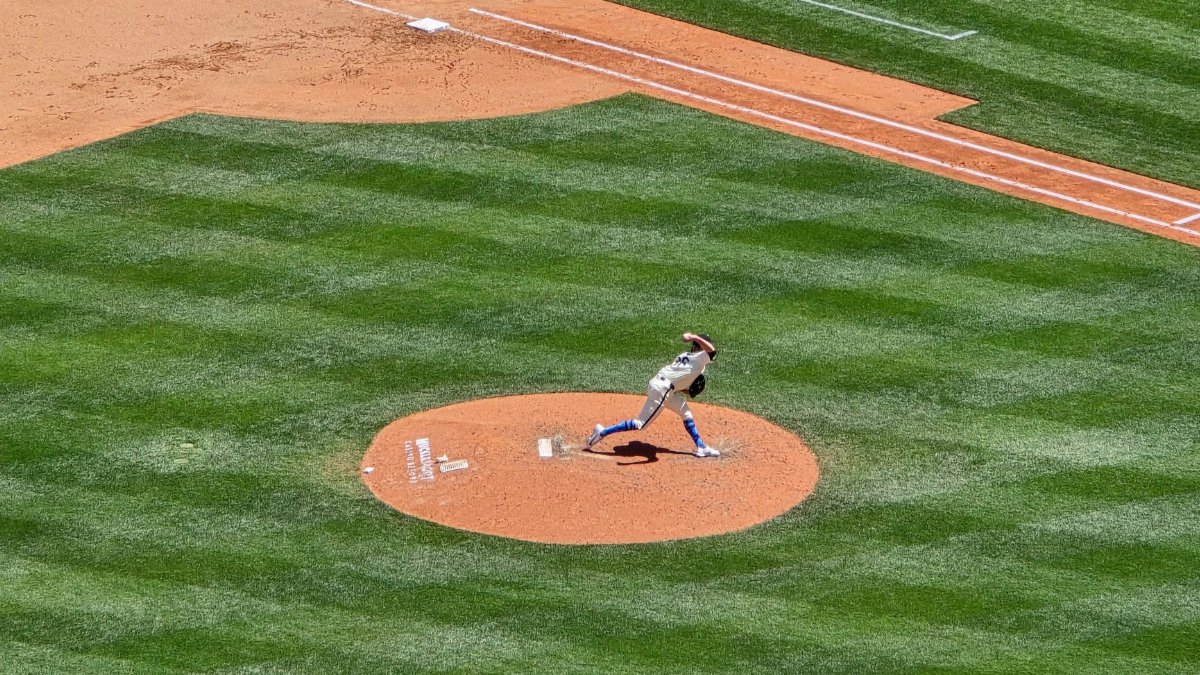
Jacob deGrom has spent years as a kind of baseball shorthand. Say the name and people picture a fastball that arrives before the batter has finished a thought, a slider that seems to change its mind, a delivery that looks almost too simple for the trouble it causes. He has been an ace in the fullest sense: a pitcher other clubs plan their week around. Injuries interrupted that story, as they interrupt so many pitching stories, and the return has been watched with a mix of awe and caution.
Being pounded is a harsh verb, and it fits the afternoon. Reputation does not take the mound. The pitcher who is actually there does. On this day the Twins did not treat deGrom as a monument. They treated him as a problem to be solved in the second inning, and they solved it in bulk. That does not cancel what he has been. It does remind a broad audience that even famous arms can have afternoons when the ball finds barrels and the inning will not end. Greatness in this sport is a pattern, not a shield.
A ballpark that answers in unison

Target Field is a downtown room with a river of people moving through it: commuters, families, visitors who came for the skyline and stayed for the noise. When a home team breaks a game open early, the building changes temperature. Conversations get shorter. Strangers repeat the same number. The spiritual language people sometimes reach for at a ballpark is easy to overuse, and yet the gathering has a real shape. Thousands of separate errands become one attention. For a few hours the question is not private. It is whether the club in white can keep what it just took.
That shared attention is why Twins Rangers Target Field will read, for a while, as a single event rather than three separate words. The place held the visitors, the home club, and a crowd that wanted proof. Proof arrived in the second and then sat on the scoreboard like a sentence nobody needed to finish.
The home pitching picture beside the outburst

A ten to two win can hide the pitching that made it possible, because offense writes the headline. Minnesota still had to get twenty seven outs, or something close to a complete afternoon of them, without handing the Rangers a path back. Joe Ryan has been part of that larger home picture: a starter whose outings are studied for efficiency, miss rate, and the quiet competence that wins series when the bats go quiet. Whether or not any single name owns the decision in the box, the Twins pitching staff is the reason a big early lead can become a finished argument instead of a tease.
Fans argue about stuff and about nerve. Both matter. A club that scores six before the game has found its voice still needs someone to keep the visiting lineup from writing a reply. The Rangers have dangerous bats. Holding them to two runs on a day when their ace was hit hard is its own kind of statement. It says the afternoon was not only a hitting exhibit. It was a controlled one.
Walker Jenkins and the longer Minnesota story

Walker Jenkins belongs to a different clock than the one that governs a single Tuesday or Wednesday in Minneapolis. He is a prospect, which means he is a promise people argue about in the future tense. Big league afternoons like this one are what those arguments are ultimately about: not a highlight in a minor league park, but a crowd, a rival, and a score that counts in a race. Clubs build toward days when the present roster can do what the Twins did, pound a famous arm and send people home convinced.
It is fair to hold both ideas at once. The win belongs to the players who were on the field. The wider story belongs to an organization trying to make such afternoons less surprising. Jenkins is a name in that wider story, not a retroactive author of this result. Remembering the difference keeps a recap honest. It also explains why a prospect can trend on the same afternoon as a ten run win. People are always looking past the final out toward the next summer.
How a lopsided game still teaches

Blowouts are sometimes dismissed as empty. They are not empty for the club that absorbs them, and they are not empty for the club that needs belief. A six run inning against deGrom is a piece of evidence. It says the Twins lineup can damage a pitcher who has spent his career preventing damage. It says Target Field can be a difficult room when the home bats arrive together rather than in isolated singles. It says Texas, for all its talent, can have a day when the plan fails in public.
There is also a modest lesson for readers who do not live inside division standings. Baseball rewards attention to sequence. One walk, one barrel, one ball that finds a gap, and an inning becomes a season in miniature. The second inning was that miniature. Everything after it was confirmation. People who stayed saw the confirmation. People who checked a phone at dinner saw only the residue: Twins 10, Rangers 2, and a name that usually bends games the other way.
Ritual, hope, and a spoiled visit

Calling a ballpark a sanctuary is too much, and calling it a mall is too little. What happens there sits between commerce and devotion. People pay, then they hope, then they test that hope against a pitcher who has broken hopes before. On this visit the hope that traveled with Texas did not survive the second inning. The hope that lives in Minneapolis got a loud receipt. That exchange is why games like this linger in a city even after the standings move on. They become stories about who showed up and what the room decided to believe.
The Rangers will not define their year by one afternoon, and they should not. A playoff race is a long argument with the calendar. Still, spoiled visits have a way of being remembered by the hosts. Twins Rangers Target Field will be shorthand, in local talk, for the day deGrom was hit hard and the home team did not let the advantage leak away. Shorthand is how sports memory works. It keeps the feeling and drops the extraneous pitches.
What both clubs carry out of Minneapolis

Minnesota carries a win that looks decisive on a page and felt decisive in the building. Texas carries a loss that will be filed under urgency. The next game will ask both clubs to pretend the previous one is only information. That pretense is part of the job. Pitchers throw with the memory still in their hands. Hitters take their stance knowing a crowd has already chosen a mood. Managers speak in the language of one day at a time because the alternative is to let a single inning govern the week.
For the rest of us, the useful summary is plain. The Twins scored six in the second, won 10 to 2, and sent a playoff race visitor home without the result it wanted. Jacob deGrom, so often the reason a game feels short for the opposition, had the long inning instead. Target Field did what home parks are asked to do when the bats cooperate: it amplified the early break and kept it.
There will be tighter games, and there will be nights when a famous arm looks like the old monument again. This was not one of those nights. It was a clear result, earned in a burst, and it left Twins Rangers Target Field as a phrase with a winner attached. In a sport that often refuses to declare itself, that kind of clarity is its own small mercy.