

In many neighborhoods across California families are confronting a harsh new reality. Calif home prices have escalated to points where they outpace the earnings of even many professional households. As a result investors are purchasing single family homes in large numbers converting them into rental properties. This practice is reshaping the housing market and prompting concerns about the future of homeownership for ordinary Americans. The trend is particularly visible in suburbs where properties that once housed growing families are now part of portfolios managed by distant corporations. For a generation that grew up believing that hard work would lead to a home of their own this development feels like a closing door. It also invites us to consider what home truly means beyond its financial value touching on questions of stability community and the deeper human need for a place to put down roots.
The Surge In Institutional Buying

Across the state institutional investors have moved aggressively into the single family housing market. According to reporting by SFGate firms both large and small purchased thousands of homes last year with particularly heavy activity in the Inland Empire and Central Valley. These buyers often pay cash allowing them to move faster than traditional purchasers who must navigate loan processes. The appeal lies in steady rental demand fueled by those priced out of buying. One national real estate investment trust recently disclosed acquiring over two hundred properties in California citing strong long term appreciation potential despite the high entry costs. This influx has changed the rhythm of many neighborhoods where for rent signs now outnumber for sale signs in some blocks.
Understanding The Appeal Of Single Family Homes For Investors
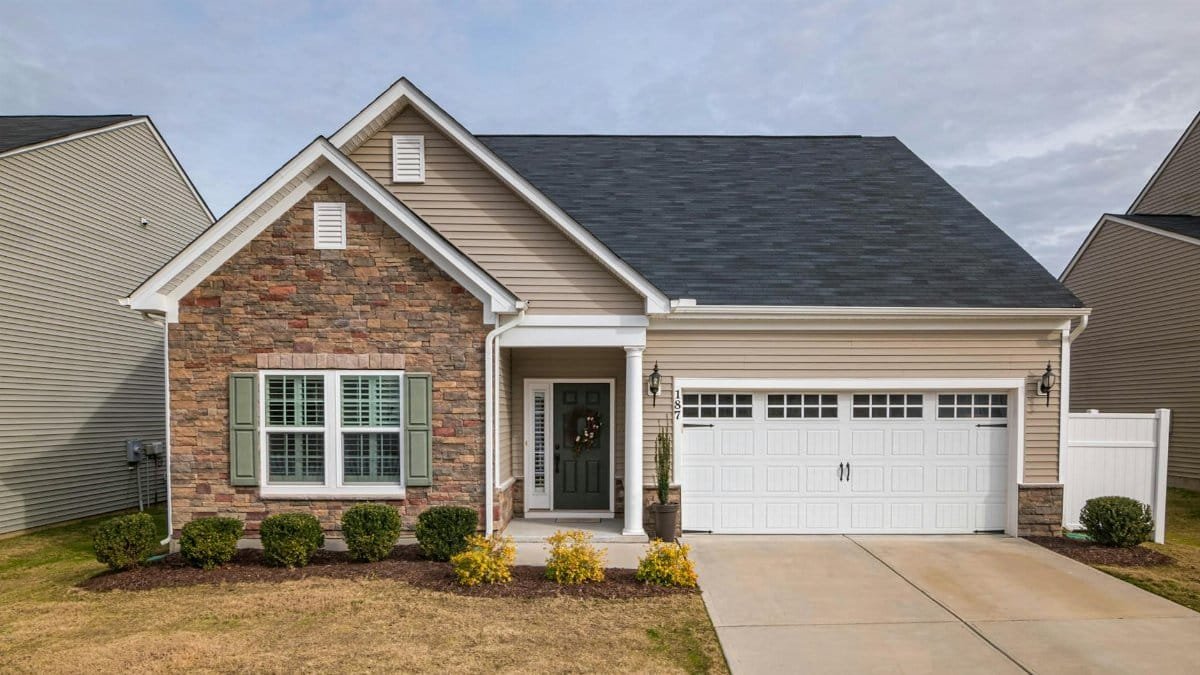
Single family homes offer investors something apartment complexes cannot: emotional familiarity that attracts reliable tenants. Families prefer yards and privacy which translates into lower vacancy rates and more stable income streams. Even with elevated purchase prices the math often works because rents have risen in tandem with home values. Investment firms have developed sophisticated models that account for maintenance property management and eventual resale. They view California as a prime market due to consistent population growth and limited housing supply. Smaller investors including tech professionals with substantial savings have also joined the fray purchasing homes to rent through platforms that handle logistics. This democratization of investment has broadened the pool of competitors facing young families.
Challenges Faced By Aspiring Homeowners

Younger buyers particularly those in their thirties and forties find themselves locked in prolonged renting cycles. Many middle class professionals in fields like education healthcare and public service simply cannot amass the down payment required when median home prices hover near seven hundred thousand dollars in many metros. Mortgage rates while improved from recent peaks still add significant monthly costs. The result is a delay in life milestones including starting families or building equity for retirement. Real estate analysts note that the share of first time buyers has declined notably in California compared with national averages. This shift creates ripple effects as wealth building through homeownership has historically served as the primary path to financial security for American families.
Transformations In Local Neighborhoods

Neighborhoods once defined by owner occupied homes now host a growing number of rental properties managed by out of state entities. This change alters the social dynamics that make communities thrive. Long time residents report less engagement in local schools and civic organizations when turnover among renters increases. Gardens that reflected personal care sometimes give way to standardized landscaping chosen for efficiency. Children may experience less continuity with neighbors affecting friendships and sense of belonging. While investors argue they provide necessary housing supply critics counter that the profit motive prioritizes returns over community cohesion. The contrast is stark in suburbs surrounding Los Angeles and San Francisco where entire streets have shifted toward corporate ownership within just a few years.
Key Data And Recent Studies

Recent figures illustrate the scope of this transformation. A study published by the Urban Institute found that investors accounted for nearly thirty percent of single family home sales in parts of California during the past eighteen months. For detailed analysis readers can review the findings at urban.org. Similarly CoreLogic data highlights how cash purchases by investment entities have outpaced those by individual buyers in several counties. These reports underscore a structural shift rather than a temporary fluctuation. Economists point to chronic underbuilding of new housing over decades combined with strong demand from both domestic and international sources as root causes. The combination has created a seller’s market where investors hold distinct advantages.
Stories From Those Affected By The Market

Consider the experience of teachers in Sacramento who watched their dream home sold to an investment firm after placing what they thought was a competitive bid. Or the nurse in Riverside who has rented the same house for eight years only to learn the new owner plans to raise rents by twenty five percent. These accounts gathered from community meetings and housing advocacy groups reveal the human toll. Many describe a pervasive sense of discouragement as they calculate monthly budgets stretched by high rents that could have gone toward mortgages. Yet some adapt by forming shared ownership cooperatives or seeking homes in more rural areas though this often means longer commutes and disrupted family routines. Their stories illuminate the personal dimensions behind the statistics.
The Spiritual Value Of Owning A Home

Beyond dollars and contracts homeownership carries spiritual weight for many Americans. A owned dwelling becomes more than shelter. It serves as the setting for family rituals holiday gatherings and quiet moments of reflection. When that possibility recedes it can foster a deeper sense of rootlessness at odds with the human longing for permanence and peace. In spiritual traditions across cultures the idea of home connects to concepts of sanctuary stewardship and generational blessing. California families facing investor competition often speak of mourning not just a financial transaction but the loss of a sacred space where values take root. This trend coincides with broader societal conversations about materialism versus meaning. As housing becomes another commodity the spiritual costs may prove as significant as the economic ones manifesting in anxiety diminished community ties and questions about what constitutes a good life.
Broader Implications For American Society

This California phenomenon reflects national patterns yet appears more pronounced here due to geographic constraints and tech driven wealth concentration. It raises fundamental questions about whether housing should function primarily as an investment vehicle or as a basic need and human right. Middle aged Americans who once viewed homeownership as an expected stage of life now counsel their adult children to temper expectations. The trend exacerbates wealth gaps as those who already own benefit from rising equity while others remain perpetual renters. Sociologists observe connections to declining birth rates delayed marriages and changing definitions of success. If current patterns continue the vision of broad based prosperity that defined the postwar era may require rethinking. California often serves as a bellwether for the nation making these developments particularly noteworthy.
Exploring Possible Solutions

Policymakers have begun testing various approaches though progress remains slow. Some cities have implemented taxes on institutional purchases while others explore zoning reforms to encourage more dense affordable construction. State lawmakers have considered measures to expand tenant protections and incentivize nonprofit housing development. Advocacy organizations push for increased funding toward first time buyer assistance programs though budget realities limit scale. Innovative ideas include community land trusts that remove land from speculative markets and shared equity models that preserve affordability across transactions. Each proposal faces political hurdles as existing homeowners often resist changes that might affect their property values. The conversation continues about striking the right balance between market forces and public intervention.
What Lies Ahead For California Housing
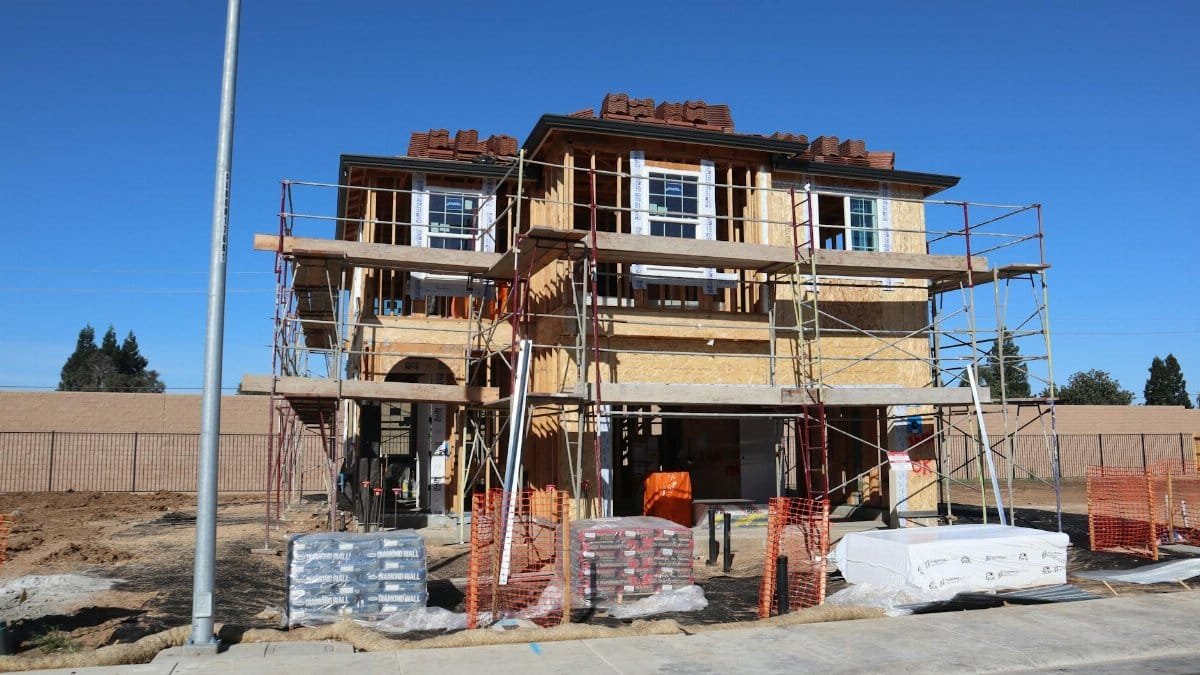
Looking forward the trajectory depends on interest rates migration patterns and legislative creativity. Should prices remain elevated investors will likely maintain their appetite for single family assets further entrenching the current model. Alternatively a substantial increase in housing supply through both public and private efforts could ease pressure and restore balance. Technological advances in construction along with shifts in remote work may open new possibilities for development in previously overlooked regions. Yet the spiritual and social questions will persist regardless of market corrections. Californians and observers nationwide must grapple with what kind of society emerges when the pathway to ownership narrows. The coming years will reveal whether this moment represents a permanent restructuring or a challenge that sparks meaningful reform. For now the gobbling up of single family homes by investors stands as one of the most visible symbols of how Calif home prices are rewriting the rules of American life.