

**In the heart of Tallahassee this week, Governor Ron DeSantis placed Florida vaccine mandates at the center of a charged legislative push.** Lawmakers gathered to consider measures that would broaden exemptions for school required immunizations, allowing parents wider latitude to opt out based on personal, philosophical or religious grounds. The timing is notable. Health authorities are monitoring a measles outbreak that has already affected several communities nationwide, raising familiar tensions between individual choice and collective protection.
For many middle aged parents and grandparents watching from living rooms across the state, the debate stirs deep reflection about responsibility, trust in institutions, and the values they hope to pass to the next generation. What unfolds in Florida could influence similar conversations far beyond its borders.
DeSantis’ Latest Move on School Immunizations
Governor DeSantis has framed the proposed changes as an expansion of parental rights. Under current Florida law, families may seek medical or religious exemptions from required vaccines for school entry. The new legislation would simplify that process and potentially add a broader philosophical exemption category.
Supporters argue this removes government overreach from deeply personal decisions. The governor has repeatedly stated that parents, not state officials, should hold final authority over their children’s medical care. Critics counter that easing access to exemptions during a period of rising measles cases risks undermining decades of public health progress that once rendered such outbreaks rare.
The Measles Context and Public Health Concerns

Health departments have confirmed multiple measles cases in Florida and neighboring states in recent months. The highly contagious virus poses particular danger to infants and immunocompromised individuals. Medical experts note that community immunity levels must remain high, typically above 95 percent, to prevent widespread transmission.
Several pediatricians have expressed worry that further expansion of exemptions could lower vaccination rates in schools. They point to data from the Centers for Disease Control and Prevention showing that clusters of unvaccinated children have fueled recent outbreaks elsewhere. Yet many parents remain unconvinced, citing their own research and a desire to make decisions aligned with their family’s unique circumstances.
Religious Exemptions and Matters of Conscience
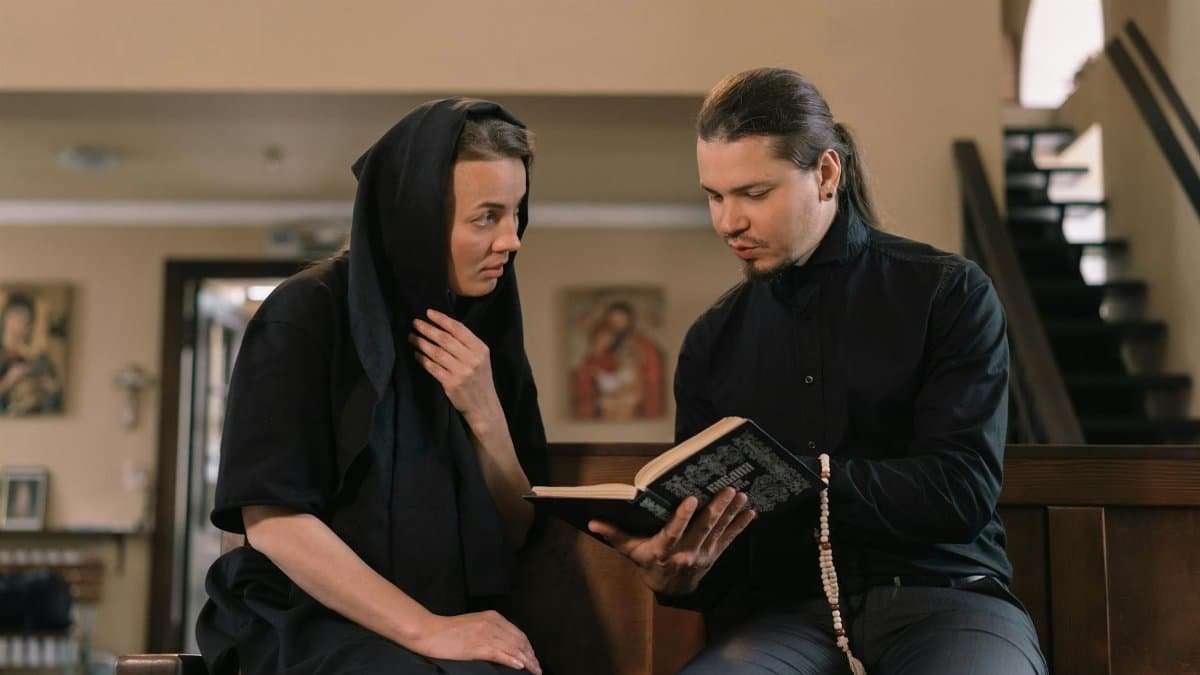
Within faith communities across Florida, the conversation takes on spiritual weight. Some religious traditions have long maintained objections to certain vaccines due to historical concerns about cell lines used in development. Others view the decision to vaccinate or not as an exercise of God given free will and stewardship over the body.
Pastors and rabbis report fielding questions from congregants seeking moral clarity. A number of spiritual leaders emphasize caring for the vulnerable as a core teaching, while others stress that genuine faith cannot be coerced by government policy. This spiritual dimension adds complexity to the legislative debate, reminding observers that science and belief often intersect in intimate ways.
Parental Rights in an Age of Distrust

The governor’s initiative taps into a broader cultural current. Many parents express declining confidence in public health institutions after years of shifting guidance during the pandemic. They speak of wanting to weigh risks and benefits for their own children rather than follow one size fits all rules.
This perspective resonates with middle aged readers who remember a time when trust in medical authorities felt more automatic. Today, information arrives from countless sources, some reliable and others less so. The challenge lies in distinguishing genuine medical advice from anecdote and ideology, a task that feels increasingly difficult in polarized times.
Voices from Florida School Communities

Teachers and school administrators find themselves caught in the middle. Many support strong immunization requirements as a practical way to keep classrooms safe. Yet they also understand the emotional intensity parents bring to these choices.
In districts with higher rates of exemptions, principals report spending significant time managing paperwork and responding to parental concerns. Some educators quietly worry that further policy changes could lead to larger pockets of vulnerability during outbreaks. Others believe respecting parental decisions ultimately strengthens community relationships even when those decisions differ from their own.
Examining the Science Without Simplification

Medical organizations continue to affirm that vaccines undergo rigorous testing and provide substantial protection against serious disease. Large scale studies have consistently shown that serious side effects are rare. At the same time, researchers acknowledge that no medical intervention is risk free for every individual.
This nuance often gets lost in public debate. Parents seeking to inform themselves encounter both peer reviewed research and passionate personal testimonies. The tension between population level data and individual experience lies at the heart of why these conversations remain so difficult to resolve.
Political Calculations and National Ripple Effects
DeSantis’ efforts reflect ongoing Republican emphasis on limiting government mandates, a theme that has gained traction since the COVID era. Political observers suggest the legislation serves both ideological and strategic purposes as the governor maintains a national profile.
Should the measures pass, other states with similar political leanings may follow suit. Public health advocates fear this could contribute to a patchwork system where a child’s protection depends heavily on geography. The outcome in Florida therefore carries significance that extends well beyond state lines.
Lessons from Florida’s Earlier Policy Experiments
This is not the first time Florida has adjusted its approach to immunization policy. Previous legislation under DeSantis restricted COVID vaccine mandates in schools and workplaces. Those moves drew both praise for protecting personal freedom and criticism for potentially undermining public health infrastructure.
The current proposal builds on that foundation but focuses on longstanding childhood vaccines rather than those developed for the novel coronavirus. Understanding this evolution helps explain why the latest debate feels both familiar and newly urgent to longtime residents.
Families Navigating Difficult Choices
Behind the statistics and talking points are individual families trying to do right by their children. Some have delayed or declined certain vaccines after consulting with holistic practitioners or conducting extensive personal research. Others maintain full vaccination schedules while supporting the right of neighbors to choose differently.
These parents often share a common desire to protect their kids while preserving their ability to follow conscience. Many describe the process as isolating, particularly when extended family members or pediatricians disagree with their conclusions. The expanded exemptions under consideration would likely ease some of this pressure for those who have felt scrutinized.
What Lies Ahead for Florida’s Schools and Families

As lawmakers debate the specifics, the practical consequences remain uncertain. Will broader exemptions lead to noticeably lower vaccination rates? Will outbreaks increase as a result? Or will the changes prove largely symbolic while preserving sufficient community immunity?
These questions resist easy answers. What seems clear is that Florida vaccine mandates have become a proxy for larger disagreements about authority, expertise, and the proper role of government in personal life. The spiritual, medical, and political threads of this conversation are unlikely to untangle cleanly.
For readers sorting through conflicting claims, the wisest approach may involve maintaining intellectual humility while staying informed. Medical decisions for children carry lasting weight. So too does the preservation of a society where deeply held beliefs receive reasonable accommodation. Finding balance between these goods has never been simple. It remains essential work all the same.
(Word count: 1,237)