

In the quiet suburbs southwest of Miami, a patch of land that once invited weekend rounds and peaceful walks stands at the threshold of reinvention. The Kendall golf course, long a neighborhood fixture, will soon become the site of 524 new homes following a closely watched vote by Miami Dade County commissioners. The decision attempts to thread a difficult needle: easing the region’s acute housing shortage while enlarging an environmental buffer intended to shield nearby bird habitats. For many middle aged residents who remember cooler mornings on those fairways, the change feels both inevitable and heavy with consequence.
The approval arrives after years of debate, studies, and shifting plans. What emerges is not simply another housing development but a case study in how fast growing communities reconcile competing values: shelter for people, sanctuary for wildlife, and the less tangible need for places that restore the spirit. The expanded bird buffer, now larger than originally proposed, suggests county leaders heard at least some of the environmental concerns. Yet the loss of open recreational land still lands like a quiet subtraction from daily life in Kendall.
A Landscape on the Cusp of Change
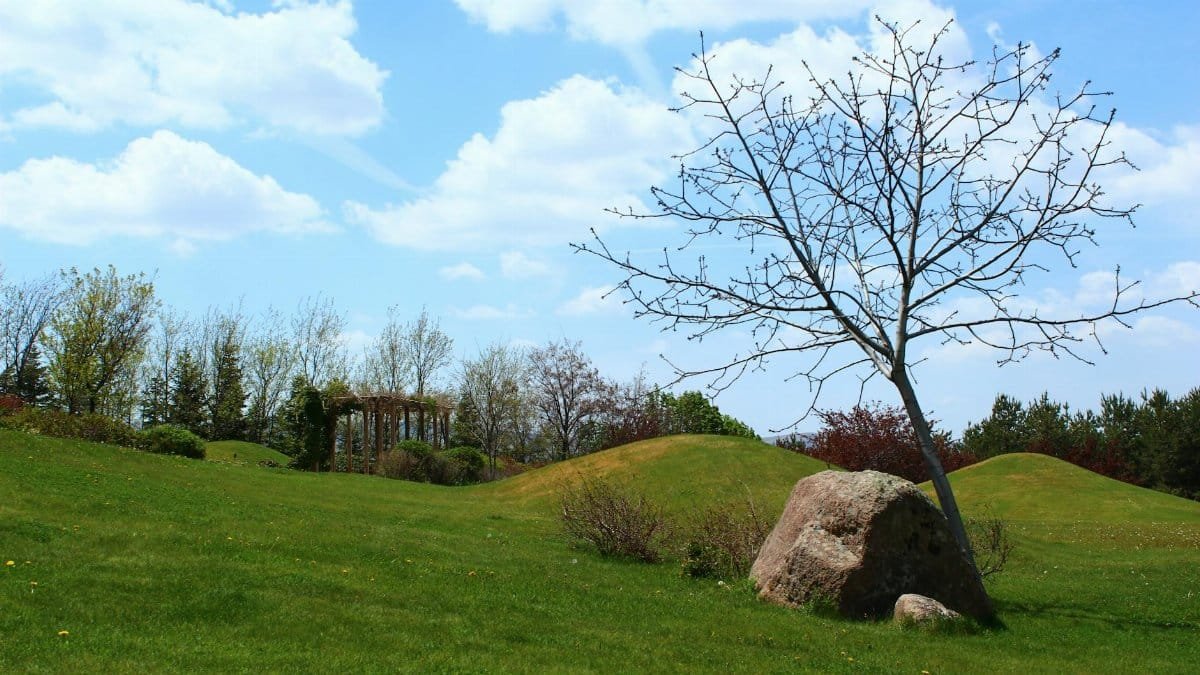
The Kendall golf course closed several years ago, leaving behind overgrown fairways and empty cart paths. In the interim, the land began reverting to something wilder. Native grasses returned. Wading birds discovered quiet ponds. Now that chapter ends. The approved plan calls for a mix of single family houses and attached homes designed to fit the scale of surrounding Kendall neighborhoods. Construction timelines remain subject to permitting, but the county’s vote removed the largest remaining obstacle.
Developers argue the project will bring much needed housing stock to an area where prices have climbed beyond the reach of many working families. County officials echoed that view, pointing to population growth that shows no sign of slowing. Still, the transition from green recreational space to rooftops carries an emotional weight that numbers alone cannot capture.
The Pressing Demand for Homes
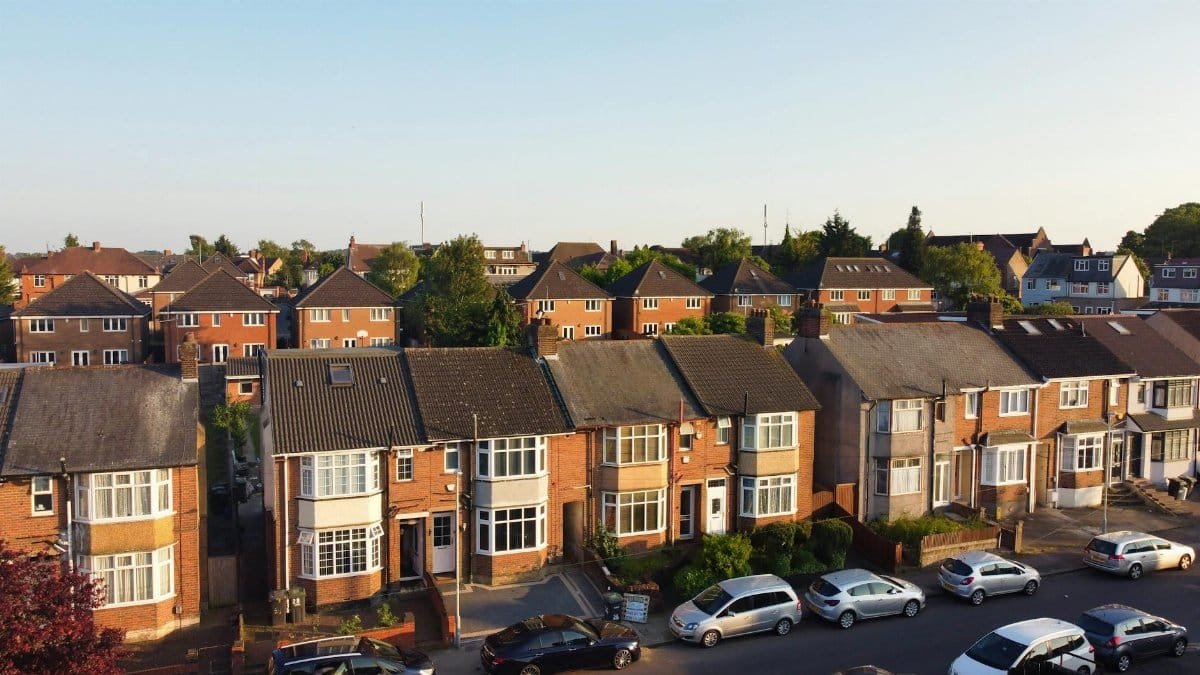
South Florida’s housing crisis needs no introduction to readers who have watched rents and mortgages rise year after year. Miami Dade faces a deficit estimated in the tens of thousands of units. In that context, a project delivering more than 500 homes can appear as tangible progress. Planners emphasized that a portion of the residences will meet criteria for workforce housing, offering relief to teachers, nurses, and public employees who struggle to live near the communities they serve.
Yet scale matters. Placing hundreds of new households on a former golf course concentrates growth in a corner of Kendall already feeling the strain of traffic and crowded schools. The question lingers whether this density serves long term neighborhood stability or simply trades one set of pressures for another.
Expanding the Shield for Birds

One of the more intriguing elements of the approval is the enlarged environmental buffer zone crafted to protect local avian populations. The Kendall area sits along important flyways. Wood storks, roseate spoonbills, and a variety of herons have grown accustomed to the wetlands and open water that remained after the golf course closed. County staff worked with wildlife biologists to widen the protected corridor, adding acreage that developers cannot touch.
Conservation advocates call the buffer an imperfect but meaningful victory. It acknowledges that humans are not the only residents with claims on this land. In an era of rapid development across Florida, any regulatory move that prioritizes habitat carries symbolic importance. For those attuned to the spiritual dimension of nature, the sight of these elegant birds against the sky serves as a living reminder of interconnectedness.
Memories Rooted in Open Ground
Many Kendall residents formed their attachment to the golf course not through serious sport but through simpler rituals. Fathers teaching children to putt. Evening walks along the cart paths. The feeling of stepping onto grass after a week spent indoors. These experiences accumulate into a collective sense of place that resists easy replacement.
One longtime resident recalled how the course functioned almost like a village common. People gathered there without needing a reason beyond fresh air and the chance to exchange greetings. Such informal meeting grounds grow rarer as private backyards and digital entertainment claim more of our time. Their disappearance can erode the subtle bonds that help communities feel coherent.
Green Space and the Human Spirit
Research consistently shows that proximity to nature correlates with lower stress levels, improved mood, and even faster recovery from illness. A well regarded study conducted by environmental psychologists at the University of Illinois found that residents living near parks and open spaces reported higher life satisfaction regardless of income. Similar findings appear in public health literature linking tree canopy and bird song to reduced rates of anxiety and depression.
In that light, the Kendall golf course was performing quiet work beyond recreation. It offered an accessible form of restoration available to anyone willing to walk its perimeter. Replacing those acres with homes inevitably raises the question of where that restoration will now occur. Planners speak of new pocket parks within the development, yet experience suggests such features rarely replicate the feeling of uninterrupted open land.
Economic Calculations at Play

From a fiscal perspective, the project promises increased property tax revenue for a county perpetually balancing budgets against rising service demands. New residents will support local businesses, fill classrooms, and broaden the tax base. Developers, having waited years for approval, anticipate strong demand given Kendall’s family friendly reputation and relative affordability compared with communities closer to the beach.
Critics counter that short term revenue gains may be offset by long term costs in infrastructure, traffic mitigation, and lost ecosystem services. Wetlands perform free work filtering water and buffering floods. Once paved or built upon, those functions require expensive engineering replacements. The enlarged bird buffer attempts to retain some of that natural capital, but its effectiveness will depend on strict enforcement in coming decades.
Community Voices and the Public Process
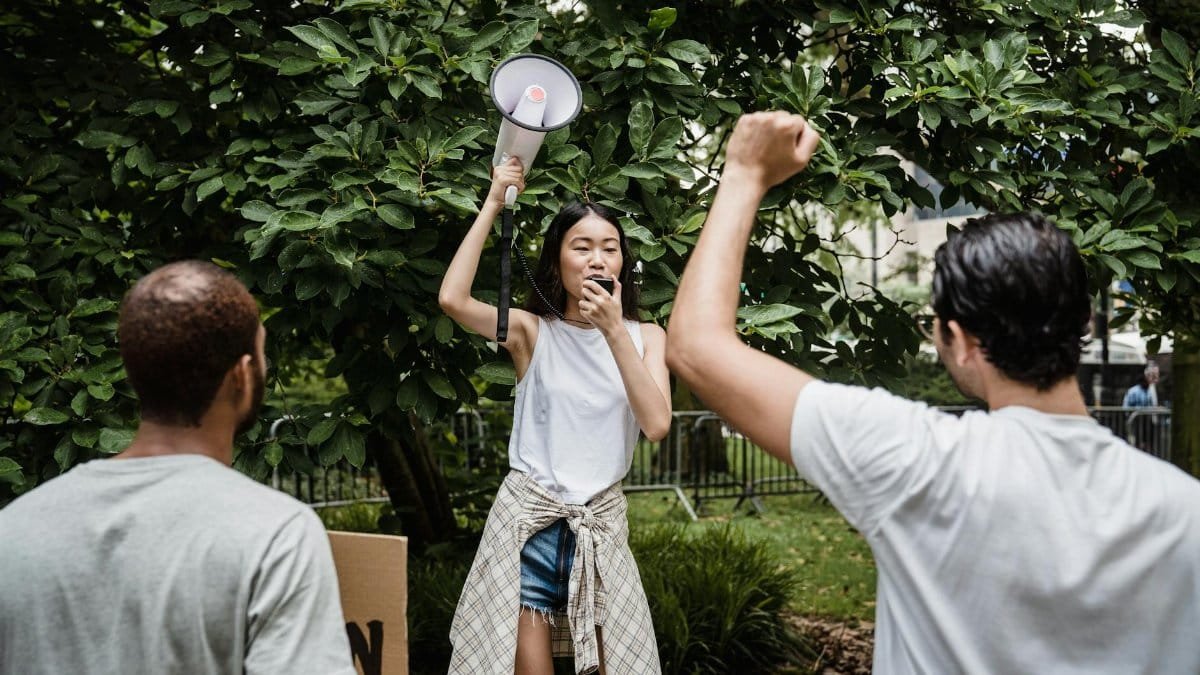
Public hearings on the Kendall golf course proposal drew passionate testimony from both supporters and opponents. Neighbors worried about increased density spoke of lost privacy and overburdened roads. Environmental groups praised the buffer expansion while lamenting the overall loss of open space. Homebuilders emphasized the urgency of adding supply before prices climb further out of reach.
This range of perspectives reflects a healthy democratic tension. No single interest prevailed entirely. The final approval represents compromise, which by definition leaves no one completely satisfied. Such outcomes can feel unsatisfying in the moment yet often prove durable precisely because they reflect multiple realities rather than one dominant view.
Looking Toward Kendall’s Next Chapter

As construction eventually begins, attention will turn to execution. Will the new homes incorporate meaningful green features? Can the bird buffer remain undisturbed amid heavy equipment and increased human activity? Will the developer deliver on promises of workforce housing or shift toward higher end units once the market allows?
Residents who remain invested in the neighborhood’s character will need to stay engaged. Development does not end with the first vote. The years that follow determine whether a project becomes a harmonious addition or a source of lasting regret. Early attention to landscaping, traffic calming, and genuine public amenities could soften the transition.
The Deeper Tension Between Growth and Grace

Beneath the zoning details lies a more philosophical question about what kind of communities we wish to inhabit. Florida’s explosive growth has delivered economic opportunity and cultural vitality. It has also consumed many of the qualities that once made the state feel spacious and restorative. The Kendall golf course, modest as it was, belonged to that older, more generous version of South Florida.
Preserving a sense of spiritual connection to land does not require halting all development. It does require deliberate choices about where to build, how densely, and with what regard for the living systems already in place. The expanded bird buffer offers a small but genuine gesture in that direction. Whether it represents the beginning of a wiser approach or merely an exception remains to be seen.
The Kendall golf course will soon exist only in memory and old photographs. In its place will rise houses where children will ride bikes, families will celebrate birthdays, and new stories will take root. The challenge for all of us who care about this region is to ensure that those new stories still include room for birdsong, open sky, and the occasional quiet walk that reminds us we are part of something larger than our daily routines. How successfully that balance is struck here may offer lessons for countless other communities facing similar choices in the years ahead.