
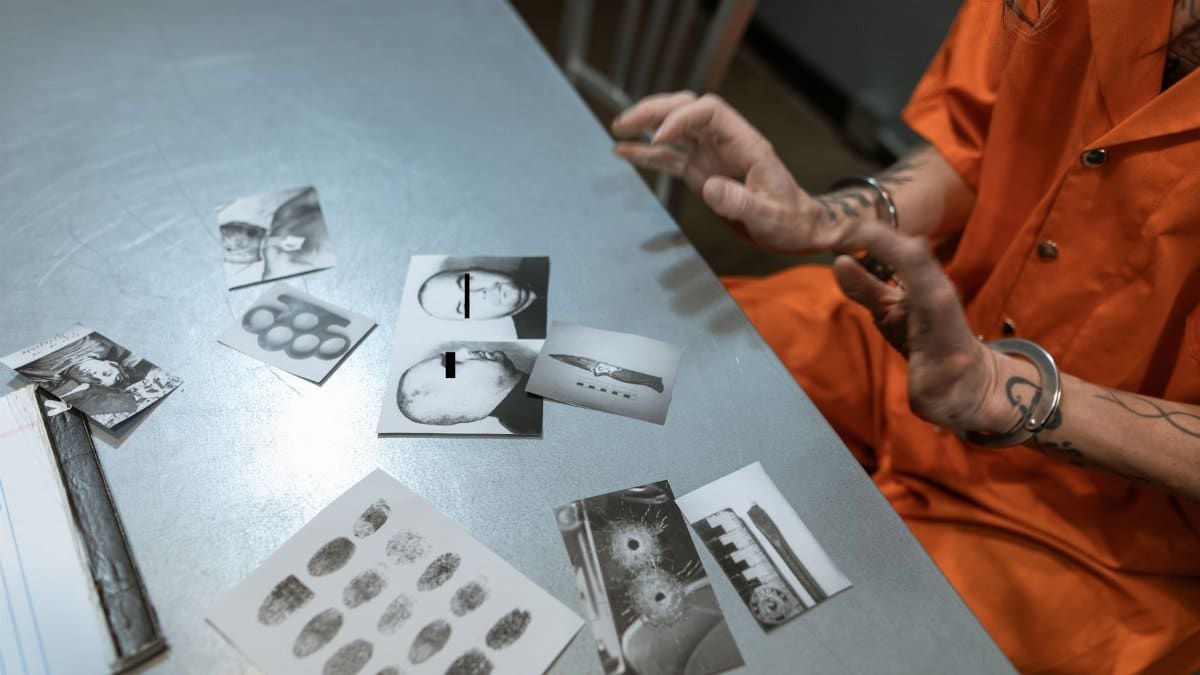
In a quiet state office where a single recommendation can return someone to a neighborhood or keep them behind a wall, Illinois has a new hand on the lever. Gov. JB Pritzker has appointed his chief of staff to lead the Prisoner Review Board, the body that weighs parole, revocation, and advice on clemency. The phrase Pritzker parole board director is already shorthand for a job that sits at the raw edge of punishment and mercy. I have sat through enough of these fights to know the title sounds administrative until a family fills the room. Then it is about fear, hope, and whether the state can explain itself in plain language. Late September 2026 put that explanation back on the front page.
A title that sounds clerical and is not

People outside Springfield often treat the Prisoner Review Board as a committee that meets, votes, and fades. That picture is incomplete. The board stands between a prison sentence and the possibility of supervised life outside. It hears from victims, from incarcerated people, from lawyers, and from staff who have watched a case for years. A director does not cast every vote. A director sets tone, pace, staffing, and the standard for how a file is prepared before anyone speaks. When headlines compress all of that into Pritzker parole board director, they are naming a political fact as much as a personnel move. The governor chose a person who already sat inside his inner circle.
What the board is asked to judge

The work is wider than the word parole suggests. Members consider whether someone serving a sentence that still allows parole has earned release. They consider whether a person already out has broken the terms of supervision badly enough to return to prison. They also prepare recommendations when the governor is asked to consider clemency. A rushed hearing can miss a pattern of violence. A hearing that never quite arrives can turn a finite sentence into something that feels endless. The director must keep those lanes distinct while the public still hears one moral question. Who is safe to live among us, and on what evidence?
Why governors keep this office close
Parole decisions do not stay inside a hearing room. A release that ends in a new crime becomes a campaign argument. A denial that looks arbitrary becomes a lawsuit and a story about a system that will not explain itself. Governors learn this quickly. They also learn that the board’s credibility is a form of political capital, even when they describe the work as technical. Appointing a chief of staff signals that Pritzker wants the operation run by someone who already knows how his administration thinks, how it talks to legislators, and how it absorbs a bad news cycle. Proximity can also look like independence surrendered before the first docket is called.
The chief of staff problem

A chief of staff is trained to protect a principal, to anticipate attacks, and to keep the governor’s day from coming apart. A parole agency needs a different reflex. It needs slow reading, uncomfortable facts, and a willingness to let a decision stand even when it will be unpopular by nightfall. Those habits are not opposites in every person. The public has no reason to assume the skills transfer without a visible change in method. That is why the label Pritzker parole board director will follow this appointee longer than a standard personnel note. Every early scheduling choice, every hiring choice, and every public explanation will be read as a test of whether the governor’s office moved in or a professional shop remained intact.
Two families, one clock

If you want to understand the stakes, skip the org chart and sit with the people who wait. One family has buried someone and hears the word release as a second injury. Another family has counted years, finished programs, and hears delay as proof that the state does not believe change is real. A decent process does not ask them to perform grief or redemption for the cameras. It asks for a record that is complete, a hearing that starts when promised, and a written reason a stranger could follow. Faith language sometimes enters these rooms, words like grace and forgiveness. The state is not a church. It can recognize human change without pretending it has the power to absolve.
Evidence over instinct
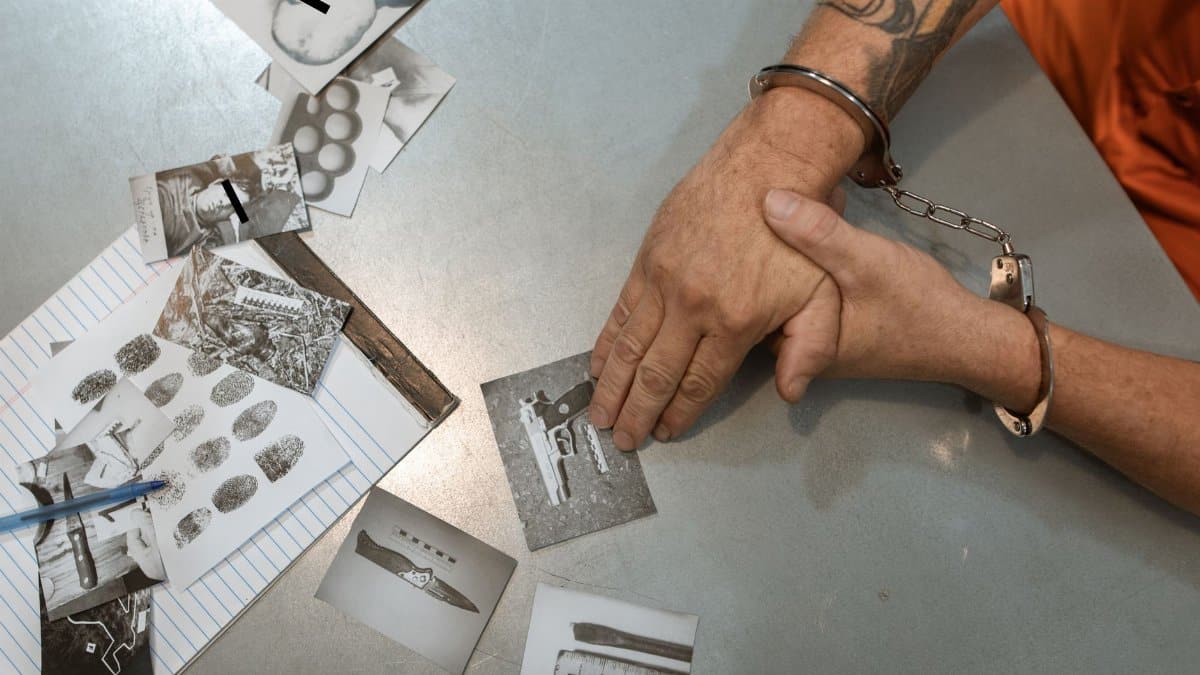
Illinois has spent years arguing about how to judge risk without reducing a person to a number. Program completion matters. Disciplinary history matters. Age matters, because many people become less dangerous as they grow older, which complicates any politics built only on the worst day of a life. Victim impact matters, and it is not a nuisance to be managed away. The director cannot invent a perfect formula. The director can insist that members see the same core file, that missing documents are chased before the hearing, and that a denial or a grant comes with reasons specific enough to survive a hard reading. Vague virtue and vague fear are both failures of craft.
The politics are real and they are not the whole job

No one should pretend this appointment landed in a vacuum. Illinois parole politics have been loud for years. Critics on one side accuse the state of being careless with public safety. Critics on the other accuse it of keeping people locked up after the legal purpose of confinement has been served. Legislators will have questions. So will sheriffs, prosecutors, defense lawyers, and advocates who have memorized past dockets. A director who treats that noise as illegitimate will fail. A director who treats every shout as a voting instruction will also fail. The useful posture is narrower. Answer what the statute asks, show the work, and refuse to hide a political preference inside a case file.
What the new director can actually move
Authority here is easy to overstate. Board members are not staff to be ordered into a vote. The governor appoints them, subject to the Senate, and they carry their own duties. A director influences the machine around those duties. Calendars. Training. The quality of summaries. The way victims are notified. The way an incarcerated person learns the result. The discipline of stepping aside when a conflict appears. These are not glamorous levers. They decide whether the public sees a system or a scramble. If the Pritzker parole board director uses the first months to make the record cleaner and the timeline more predictable, that will matter more than any speech about renewal.
Independence is a practice, not a press line

Independence is the word everyone will demand and few will define. It does not mean ignoring the governor who appointed you. It does not mean hostility to the office you just left. It means a visible rule for when the governor’s staff may call, what they may ask, and what they may not. It means publishing enough process that outsiders can tell a principled no from a convenient one. It means correcting errors in public when files were thin. This role will punish message control if it comes at the expense of a readable record. It will have a harder time surviving decisions that cannot be explained without a spokesperson in the room.
A spiritual question the state is not built to answer
Readers who come to this story from a faith perspective often want a cleaner moral. Is the appointment an act of mercy or an act of control? A personnel decision cannot carry that weight. Mercy, if it belongs in this system, shows up case by case, in proportion, with eyes open to the person who was harmed and the person who did the harm. Control is not automatically a vice in government. The state is supposed to restrain violence. What corrodes trust is control that hides inside procedure, or mercy that is really indifference to the next victim. I do not know how this director will hold those tensions. A job title cannot answer that.
What to watch without waiting for a scandal
The useful test will be boring. Are hearings scheduled with enough notice? Do written reasons cite facts rather than mood? Are victims reached before they learn the news from a reporter? Do people who are denied understand what, if anything, could change on a later review? Does the office publish data that lets a citizen see patterns without a long fight for records? If those answers improve, the appointment will have justified its proximity to power. If they do not, the phrase Pritzker parole board director will harden into an accusation that the governor wanted loyalty more than a board the public can audit.
The standard that should outlast the headline

Illinois does not need a myth about a perfect board. It needs a director who treats every case as if a skeptical neighbor will read the reasoning and a frightened neighbor will live with the result. Pritzker has placed a trusted aide in a job that will sometimes require disappointing him. The state has named its lead. The harder work is the next file, read slowly enough that no one can call the outcome an accident.