

On a cool evening beside the bay, with the light falling off the right field wall and the crowd still settling into its seats, a young Minnesota lineup tried to look like a team that already knew how to finish a trip. The last stop of the year on the road is rarely glamorous. Flights run late, legs feel heavy, and the standings have usually told most of their story. Still, the Luke Keaschall Twins series in San Francisco carried a quieter claim. It asked whether a club built around inexperienced hitters could win away from home when the calendar no longer offered excuses, and whether one composed rookie could give that question a steady answer.
A win that traveled farther than the score

Minnesota beat the Giants 4 to 2 at Oracle Park, a result first framed in reporting by the Star Tribune. The margin was modest. The setting was not. Oracle Park asks hitters to be patient with wind, with the deep alleys, and with a crowd that knows the difference between a loud out and a useful one. For a club closing a long season on the road, the win mattered less as a flourish than as evidence. Rookies drove a rare late season road series victory, the kind of result that does not rewrite a year but can change how a young group remembers it.
Baseball loves to treat September as a verdict. Sometimes it is only a rehearsal conducted in public. A team can lose the larger argument of the standings and still learn how to take an at bat with the game still attached to it. That is the narrow, useful victory buried inside a 4 to 2 score.
The name in the middle of the order
Luke Keaschall has become the player people point to when they talk about the next Minnesota core, not because he supplies theater, but because he supplies sequence. Young lineups often swing as if every pitch is a referendum. He has looked, in the accounts of this trip, more like a hitter who understands that a rally is a chain of ordinary decisions. A ball taken. A ball driven the other way. A runner moved. None of that fills a highlight package. All of it keeps an inning from dying.
Anchoring a young core is an old phrase that can mean almost nothing. Here it means something specific. When the veterans are thinning out and the schedule is a string of unfamiliar parks, someone has to make the at bat feel smaller than the moment. Keaschall, by the telling around this series, has been willing to do that work without demanding that the camera follow him.
What a final road series actually tests

A final road series is a strange object. The hotel coffee is the same. The bus is the same. The stakes, for a club outside the race, are supposed to be smaller. They are not smaller for the players who will be asked to carry next April. Every ground ball is a small audition. Every late inning choice is a note that a manager will reread in March.
The Luke Keaschall Twins series sat in that narrow space between exhibition and examination. San Francisco is not a soft landing. The Giants still pitch as if the season has a pulse, and Oracle Park still punishes the careless fly ball. Winning a series there, rather than splitting it or fading on the last day, told Minnesota something it could not learn in a home park where the routines are kind.
Rookies who had to drive the result
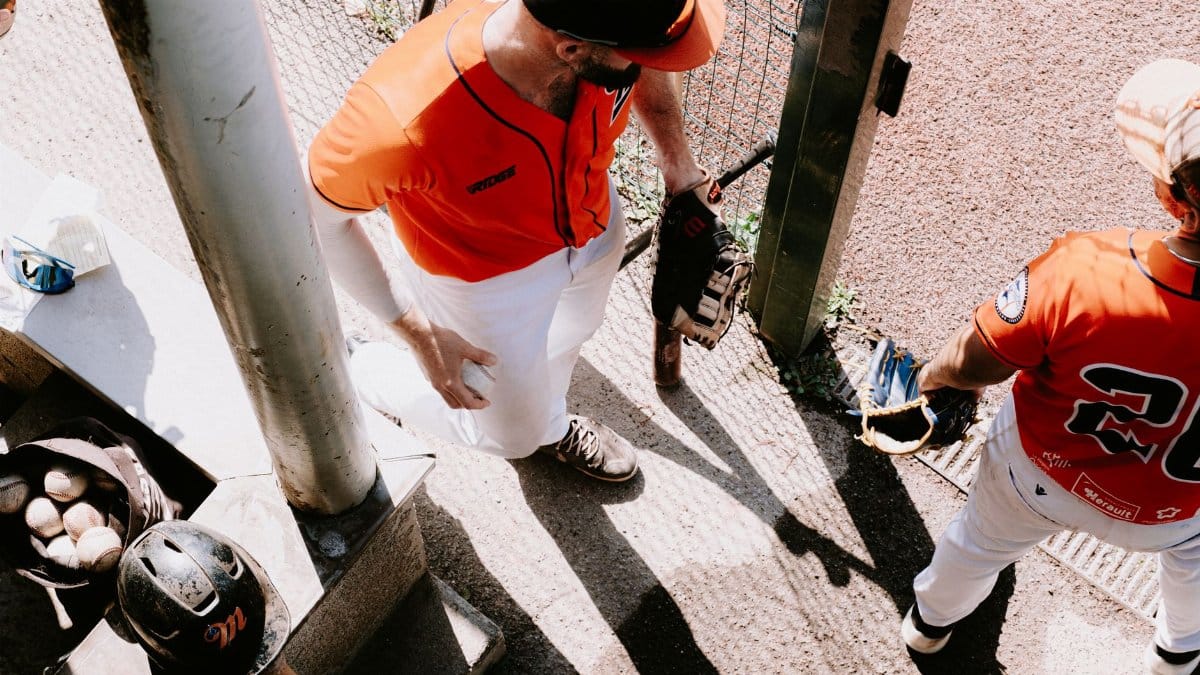
The notable fact in the Star Tribune account is not merely that Minnesota won. It is that rookies drove the result. That distinction matters. A veteran club can steal a series with one hot bat and a tired bullpen on the other side. A young club that wins because its least experienced hitters produce has done a different kind of work. It has shown that the depth chart is not a wish list.
There is a temptation, in late season writing, to crown every promising hitter. The more honest reading is plainer. A group of rookies can be good enough, on a given night, to beat a major league staff in a park that does not forgive mistakes. That sentence is already a compliment. It does not require a prophecy attached to it.
Oracle Park as a teacher
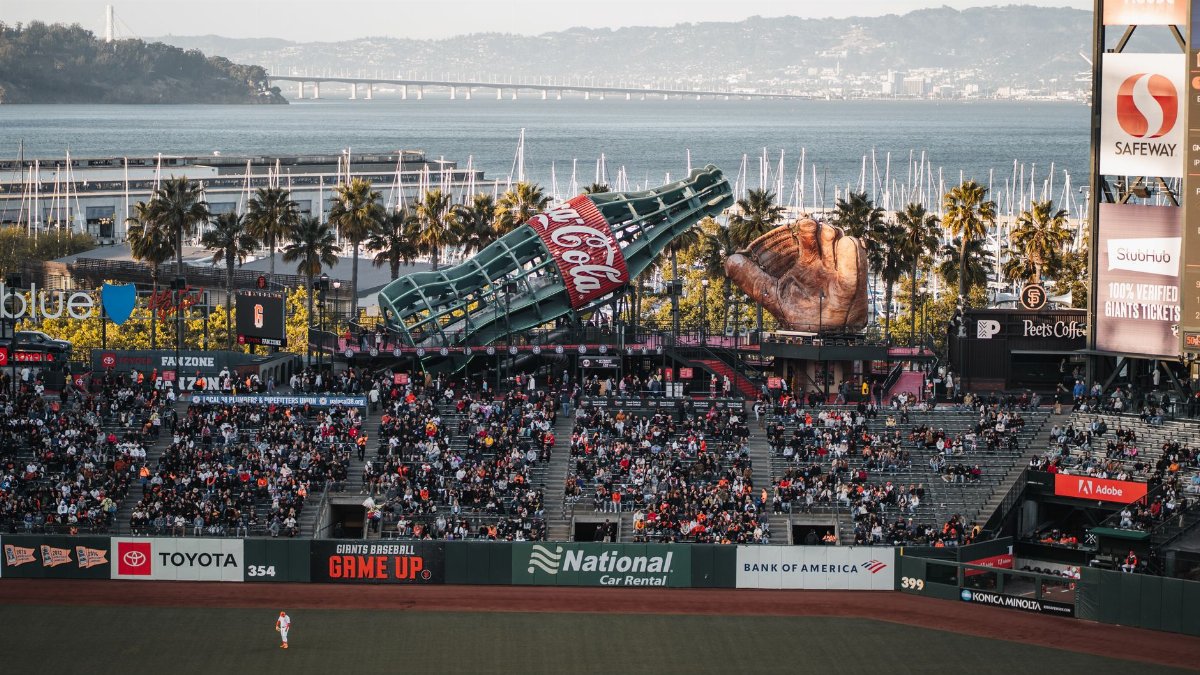
Some ballparks flatter a young hitter. Oracle Park generally does not. The dimensions ask for contact with a plan. The marine air can turn a well struck ball into an out that looks, on video, like a mistake. Players who grew up on summer fields in the Midwest meet a different physics here, and the adjustment is not only mechanical. It is temperamental. You have to trust a swing that the park has just embarrassed.
That is why a series win on this field carries a little extra instructional value. The Luke Keaschall Twins series gave Minnesota a classroom with bad lighting and a strict teacher. If the young hitters could still put runs on the board, the at bats were not accidents of a hitter friendly wind. They were choices that survived the park.
The shape of a young core

A core is not a list of names on a graphic. It is a set of habits that survive a slump, a flight delay, and a night when the opposing starter is better than the scouting report. Minnesota has spent this season sorting which habits belong to which players. Some rookies announce themselves with power. Others announce themselves by not expanding the strike zone when the crowd wants a swing.
Keaschall sits closer to the second group in the public picture of this series. That is not a lesser role. Clubs that last are usually built around someone who can make the fifth inning feel ordinary. The stars can arrive later, or they can be the same player on a different night. The habit has to come first.
September miles and what they reveal

By the last road trip, even a healthy roster is negotiating with fatigue. Catchers are sore. Relievers are counting days. Position players are playing through the small injuries that never make a transaction wire. Winning in that condition is not proof of a championship ceiling. It is proof that the group can still organize itself when comfort is gone.
There is a spiritual dimension to that fact, if the word is allowed to mean attention rather than doctrine. A season is a long obedience to small tasks. The player who is still taking a professional at bat in the last week has not surrendered the day to the standings. For readers who follow the game as a ritual as much as a result, that is the part worth keeping.
How a clubhouse learns to travel
Road baseball is a social skill as much as a physical one. Who sits with whom on the bus. Who speaks after a loss. Who keeps the card game from turning sour when the series is already decided. These details never appear in a box score, and they decide more than fans like to admit. A young core that cannot travel together will eventually fail at home as well, because the irritation comes back in the luggage.
The reporting around this Giants series does not open the clubhouse door. It does not need to. A team that wins a rare late season road series with rookies in the middle of the production has at least passed a public version of the test. The private version will be graded next spring, when the same names share another bus and the excuses are gone.
The Giants as a measuring stick
San Francisco is a useful opponent for this kind of lesson. The Giants are not a cartoon villain and not a pushover. They play in a park that rewards pitching and defense, and they have spent years teaching their own young players how to win ugly. Beating them 4 to 2 is not a statement about October. It is a statement about competence. Minnesota did not need a crooked inning built on mistakes. It needed enough clean at bats to hold a lead that a major league bullpen could actually protect.
That is the grown version of a win. Young teams often know how to erupt. They learn later how to finish. The Luke Keaschall Twins series, at least on the night the scoreboard settled at 4 to 2, looked like a lesson in finishing.
What the numbers can and cannot say

Season stats will be sorted, ranked, and argued all winter. Some of them will flatter Keaschall. Some will ask harder questions about strikeouts, about power, about whether a patient approach survives a league that adjusts. Those arguments are fair. They are also incomplete if they ignore the context of a final road series won by rookies in a difficult park.
A single series is not a career. Treating it as one is how fans and writers both get embarrassed. The responsible claim is smaller and sturdier. In a week when Minnesota could have mailed in the miles, the young hitters produced a win that required them. Keaschall was the name attached to the anchor. The series was the setting that made the word mean something.
A winter that starts on the tarmac

When the club flies home, the narrative will shrink to offseason plans, arbitration, and the usual argument about whether the window is opening or stuck. Those conversations are necessary. They are also a little late for the players who just spent a week proving they can still compete when the crowd is someone else’s. The winter starts, for them, with the memory of a specific park and a specific score.
I have watched enough late September baseball to distrust grand conclusions drawn from one series. I also distrust the habit of treating a young win as disposable because the standings have already moved on. Both errors come from the same impatience. The game is willing to teach slowly. The Luke Keaschall Twins series was one class session, not the diploma.
What remains after the last out

What remains is a picture that is easy to underestimate. A 4 to 2 win. A road series that Minnesota did not give away. A rookie asked to anchor a lineup that is still introducing itself to the league. Oracle Park, with its wide grass and its skeptical wind, as the backdrop. None of it guarantees a better April. All of it gives the club a true story to tell itself when the next road trip turns difficult.
That may be the real work of a final series. Not to crown a player, and not to rescue a season, but to leave a young group with proof that it can close a trip like a team that expects to be back. In that modest sense, the week in San Francisco did its job. The Luke Keaschall Twins series will be a footnote in some record books and a reference point in a clubhouse. For a core still being built, the second use is the one that lasts.