
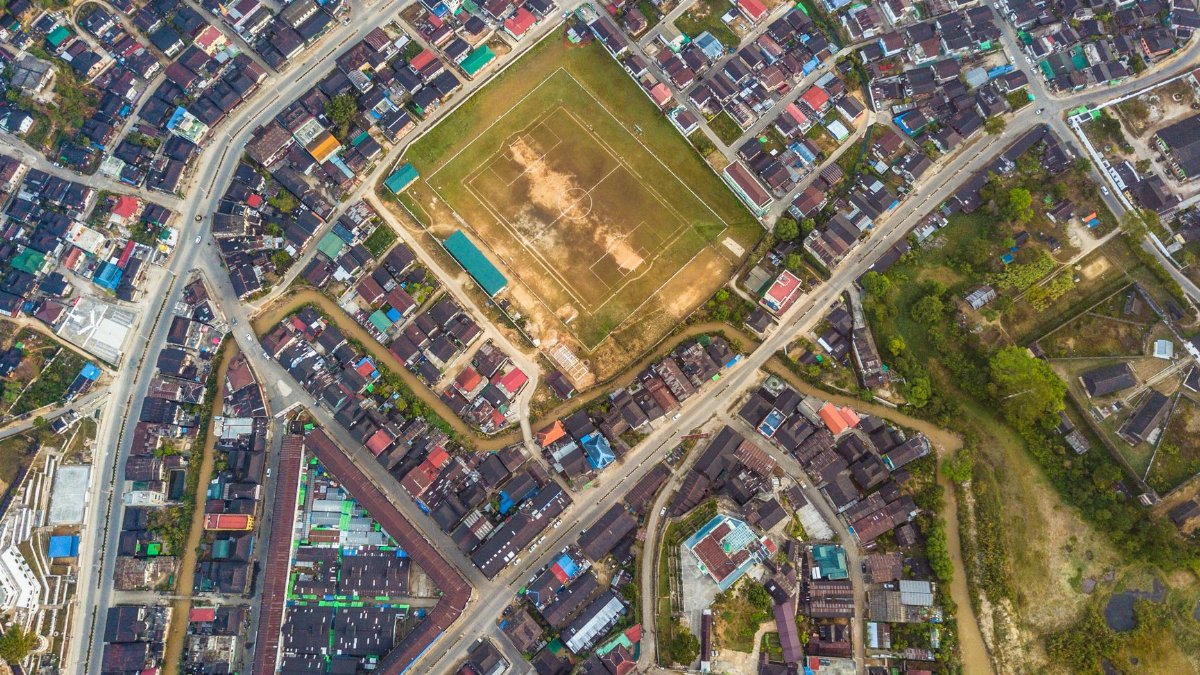
In the bustling Third Ward neighborhood of Houston residents have long watched the evolution of local institutions with a mix of hope and skepticism. Texas Southern University stands at the center of fresh attention as officials outline expansive changes that could reshape both the campus and surrounding areas. The initiative known as TSU campus redevelopment Houston calls for new athletic facilities and additional living quarters within a broader 1.7 billion dollar framework that draws support from public and private channels alike. Observers note that such projects often carry implications reaching beyond bricks and mortar to influence daily life for students faculty and nearby families.
Background on University Growth Patterns
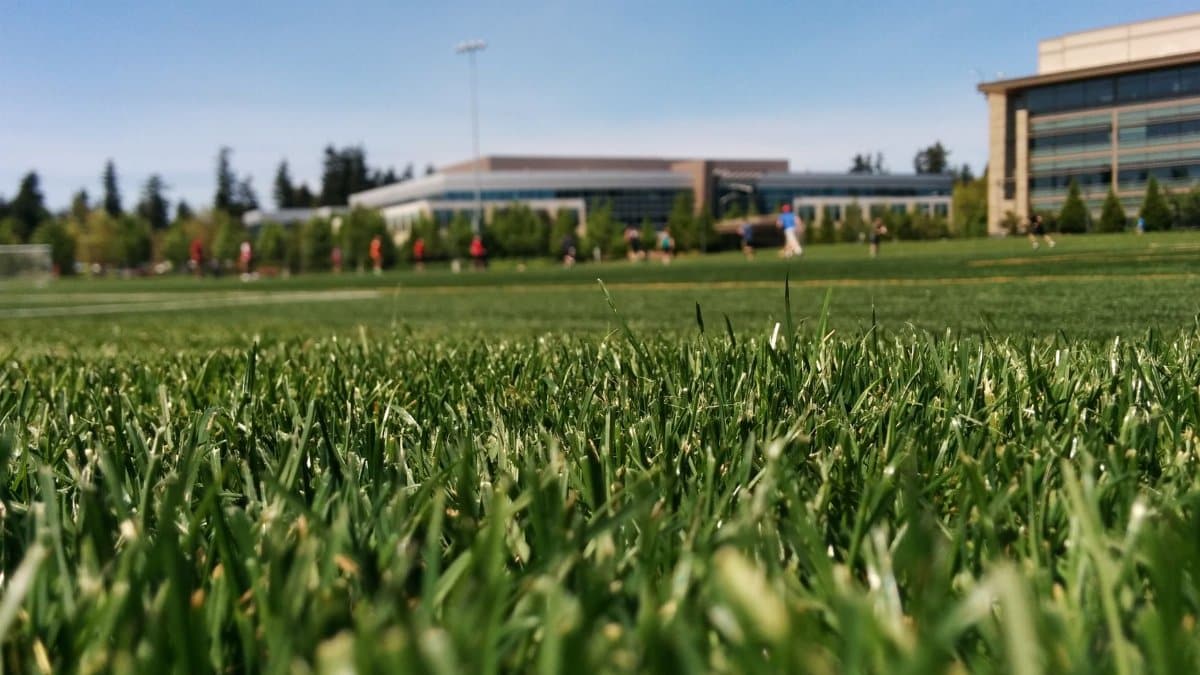
Texas Southern University has expanded in measured steps over recent decades reflecting shifts in enrollment and regional needs. Leaders point to rising student numbers as a driver for updated infrastructure that supports academic and extracurricular activities. Discussions around these developments emphasize practical upgrades rather than radical overhauls with attention paid to maintaining the institutions historic character while addressing modern demands.
Details of Proposed Athletic Upgrades

Plans call for construction of a fresh football venue designed to meet contemporary standards for safety and spectator comfort. University representatives describe the facility as essential for recruiting talent and fostering school spirit among an increasingly diverse student body. Funding pursuits involve partnerships that could stretch resources across multiple phases of work.
Housing Expansion and Student Life
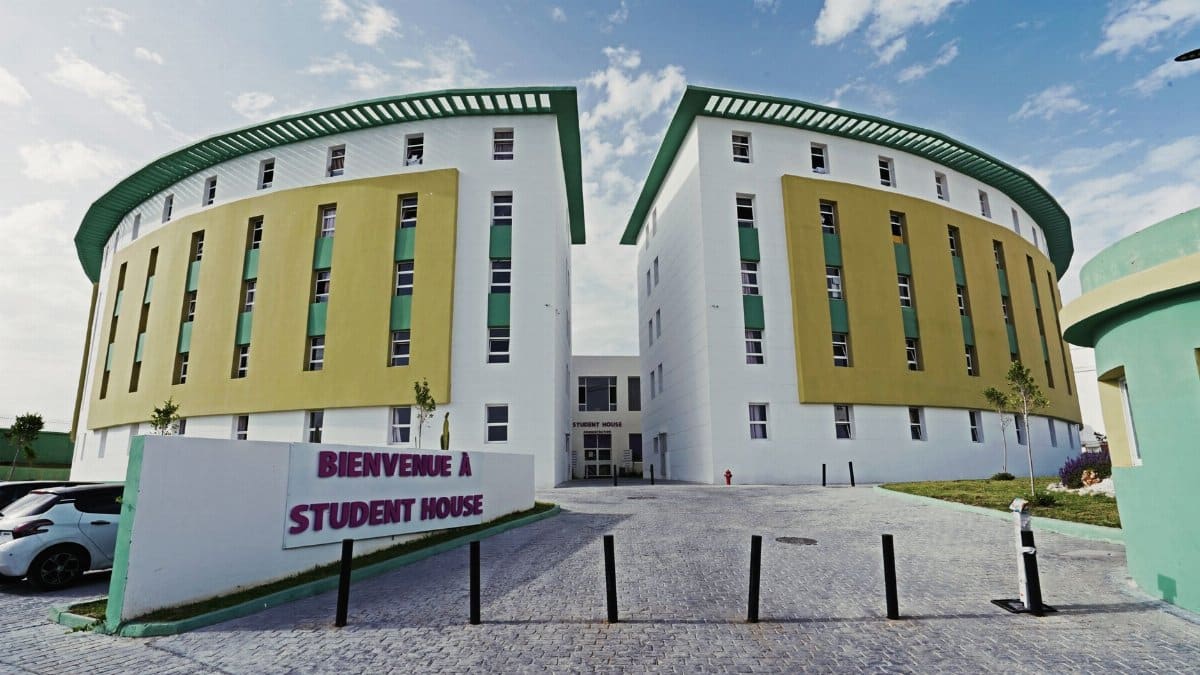
Additional residential buildings form another core element aimed at easing capacity pressures in existing dormitories. Administrators argue that improved living options contribute to higher retention rates and a stronger sense of community on campus grounds. Projections suggest these units will accommodate hundreds more individuals once completed allowing greater flexibility for incoming classes.
Financial Framework and Funding Sources

The overall budget reaches 1.7 billion dollars with contributions anticipated from state allocations philanthropic gifts and perhaps revenue bonds. Officials stress the importance of diversified support to avoid overreliance on any single stream during economic fluctuations. Early estimates indicate phased releases of capital tied to milestones in design and construction approvals.
Impact on Local Neighborhood Dynamics

Nearby residents express cautious optimism about potential economic ripples from increased activity on campus. Small businesses in the vicinity may see added foot traffic while concerns linger over traffic patterns and property values during building periods. Community forums have provided venues for voicing these perspectives and shaping mitigation strategies.
Environmental Considerations in Planning
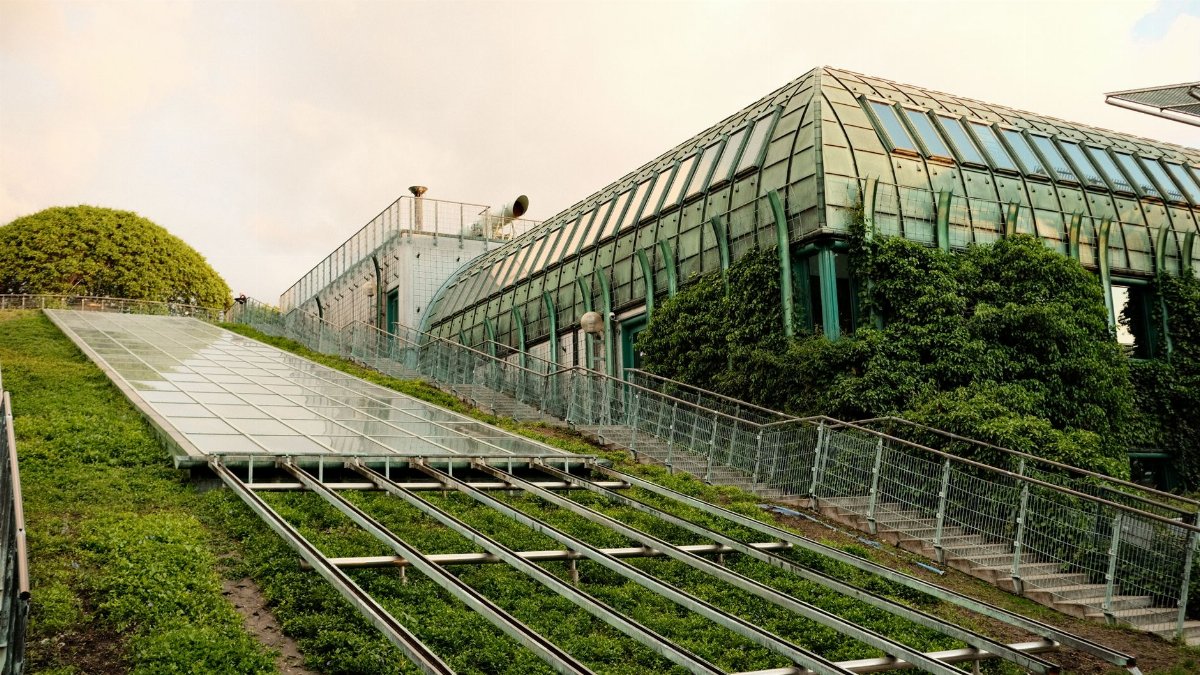
Design teams incorporate elements meant to reduce long term resource consumption such as efficient lighting and water management systems. Sustainability goals align with broader municipal targets for urban development in Houston though specifics remain under review by oversight committees. These features seek to balance growth with responsible stewardship of local surroundings.
Academic Program Enhancements Tied to Redevelopment
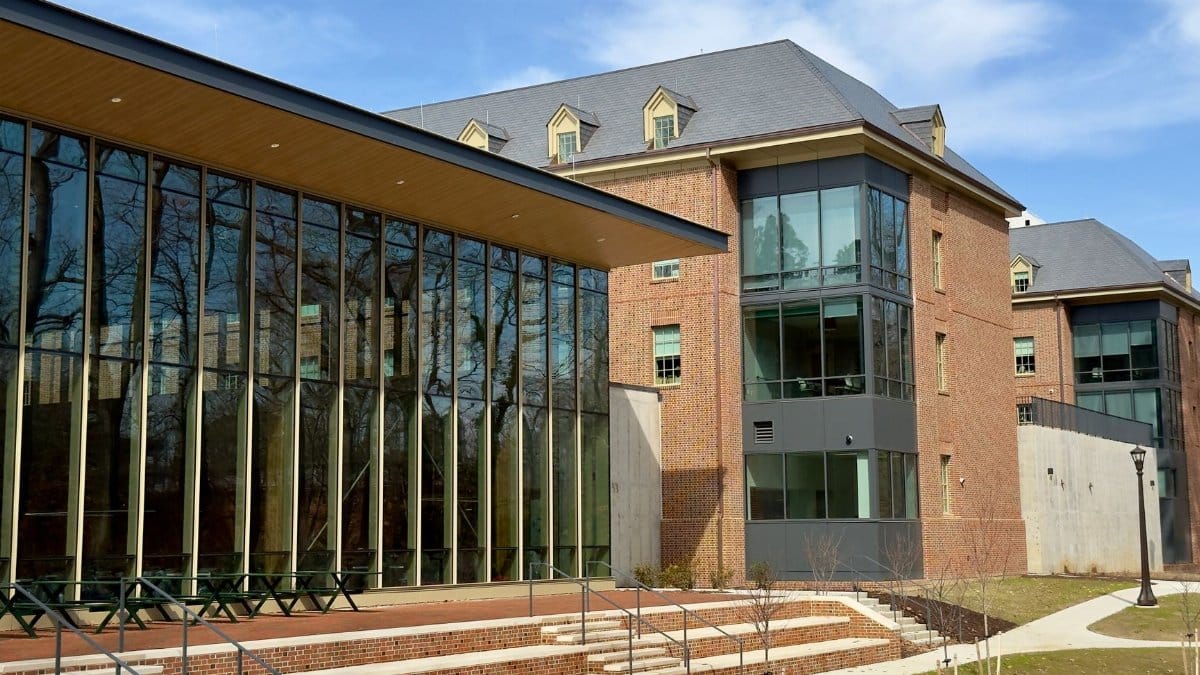
Beyond physical structures the project envisions support for expanded course offerings in fields like business and health sciences. Faculty members anticipate that upgraded spaces could attract research grants and collaborative opportunities with external organizations. Such advances position the university to compete more effectively within the regional higher education landscape.
Timeline and Phased Implementation Steps
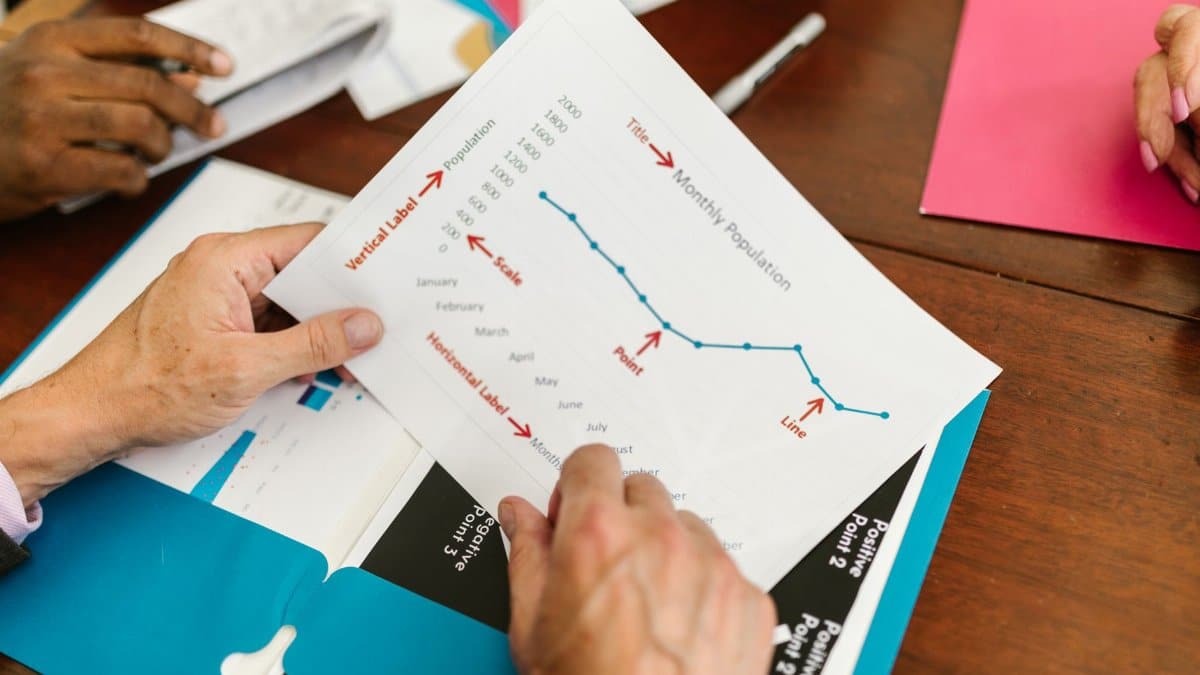
Work is expected to unfold across several years beginning with site preparation and moving toward full operational status for key amenities. Regular progress reports will keep stakeholders informed as decisions evolve based on regulatory reviews and material availability. Delays common in large scale efforts of this nature remain a possibility that planners acknowledge openly.
Comparisons with Similar Projects Elsewhere

Other urban universities have pursued comparable initiatives with mixed outcomes depending on execution and ongoing maintenance commitments. Lessons from those experiences inform current strategies at Texas Southern including emphasis on inclusive input from varied interest groups. Observers suggest monitoring metrics like enrollment trends will reveal effectiveness over time.
Future Outlook for Institutional Role

As these changes take shape Texas Southern University may strengthen its position as a vital anchor in Houston life. The TSU campus redevelopment Houston reflects wider trends in higher education where institutions adapt facilities to serve evolving populations and societal expectations. Continued dialogue among administrators city leaders and citizens will likely guide refinements along the way.