
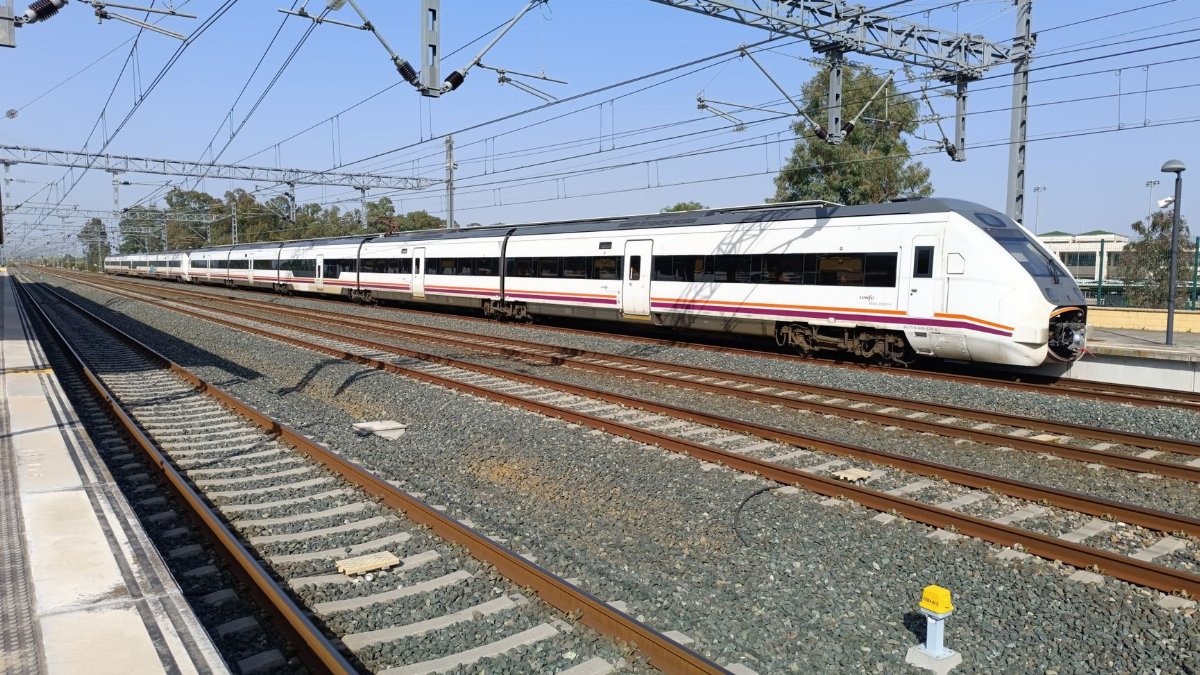
Travelers between northern and southern California often endure lengthy journeys marked by traffic jams or flight delays that consume entire days. Recent developments suggest a faster option may soon become reality for commuters and visitors alike. High Speed Rail SF promises to reshape how people move across the state with greater efficiency and comfort.
Project Timeline and Expected Completion
Officials have outlined a schedule aiming for full service from San Francisco to Los Angeles around 2040. This target builds on earlier phases that include initial segments in the central valley already under construction. Funding allocations totaling 126 billion dollars support the effort though costs could shift with inflation and supply issues.
Funding Sources and Budget Details

State bonds voter approved measures and federal grants form the core of financial support. Private investment may supplement public money in later stages. Lawmakers continue to debate additional revenue streams to cover overruns that have plagued similar infrastructure efforts elsewhere.
Travel Time Reductions Compared to Current Options

Current driving times average six hours under ideal conditions while flights plus airport procedures stretch closer to four. The rail system projects a nonstop journey of under three hours once operational. Such savings could encourage more frequent business meetings and family visits across regions.
Economic Effects on Local Communities

Stations in intermediate cities stand to gain from increased foot traffic and new commercial developments. Job creation during construction phases could reach tens of thousands with ongoing roles in operations and maintenance. Critics note that benefits may concentrate in larger urban centers leaving rural areas with fewer direct gains.
Environmental Advantages and Challenges
Electric powered trains produce lower emissions per passenger than cars or planes over equivalent distances. Land use concerns arise from new tracks cutting through farmland and sensitive habitats. Mitigation measures include wildlife corridors and elevated sections in key areas to reduce disruption.
Technological Features of the System
Trains will rely on advanced signaling and automated controls for safety and punctuality. Tracks designed for speeds exceeding 200 miles per hour require precise engineering to handle curves and elevation changes. Integration with existing transit networks in both cities aims to provide seamless connections for riders.
Public Opinion and Political Support

Surveys indicate majority backing among urban residents though rural voters express more skepticism over costs. Bipartisan coalitions in the legislature have sustained momentum despite occasional funding fights. Advocacy groups push for faster progress citing international examples of successful networks.
Comparisons to International High Speed Networks
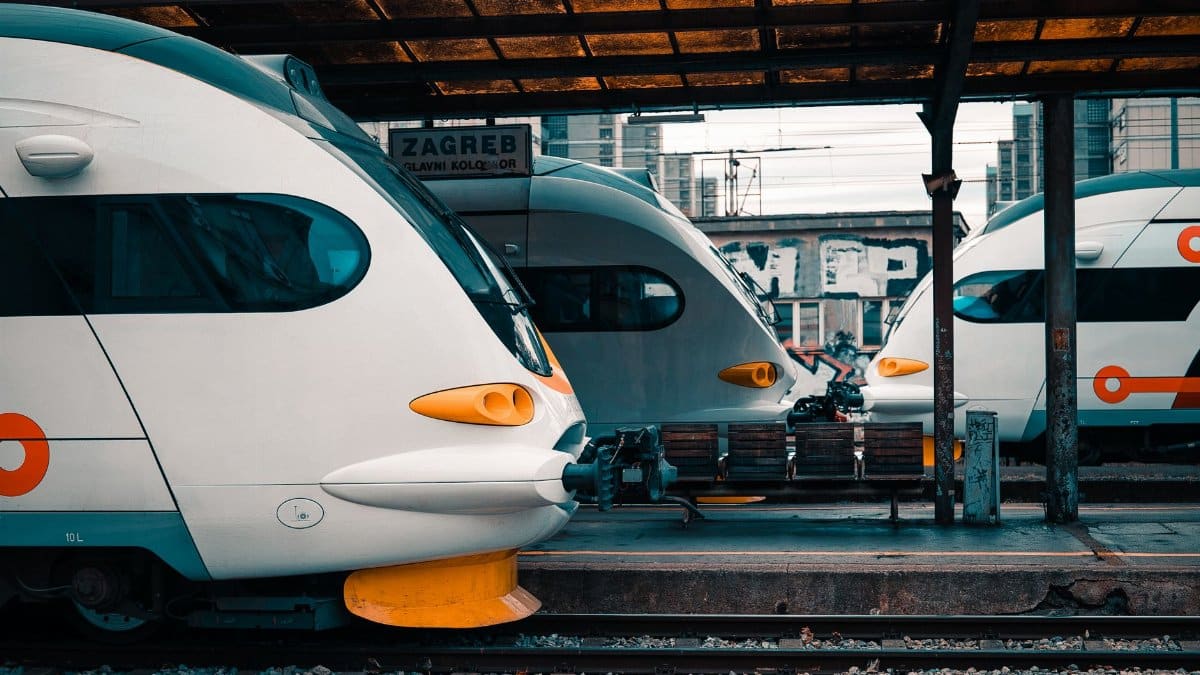
Systems in Europe and Asia demonstrate reliable service with high ridership after initial years. Lessons from those projects inform California planners on station design and fare structures. Differences in population density and land availability present unique hurdles not faced abroad.
Potential Obstacles in Construction Phases
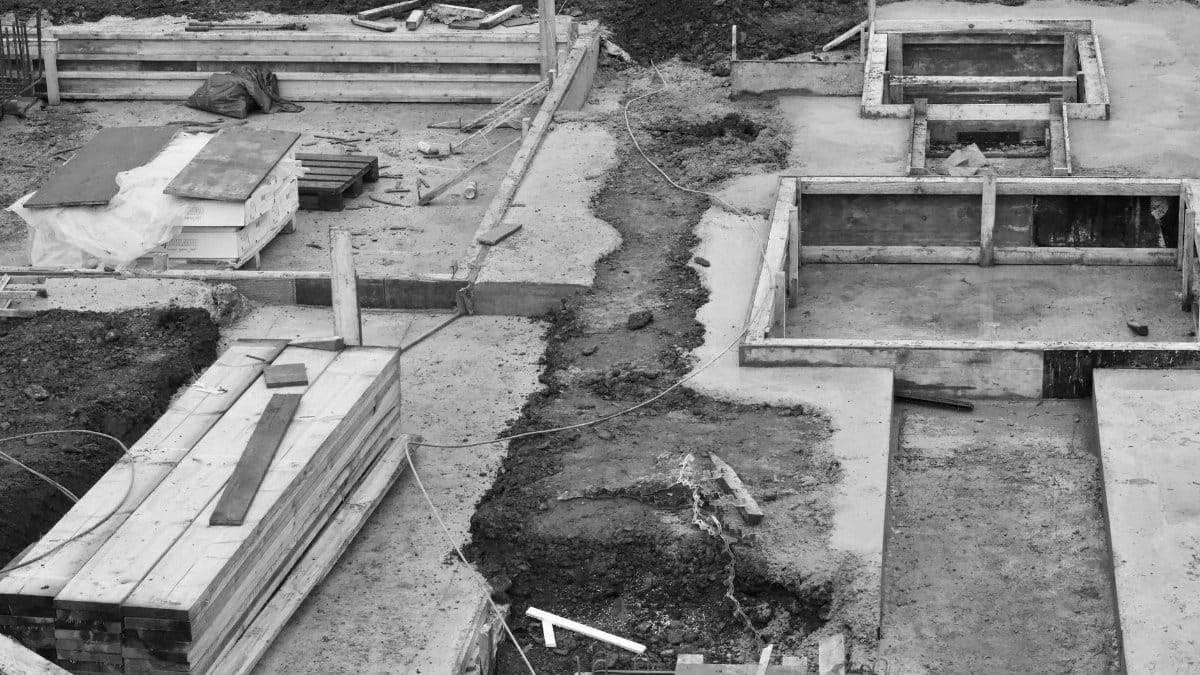
Right of way acquisitions and environmental reviews have already delayed segments. Labor shortages and material price spikes add further risks to the schedule. Adaptive management strategies seek to address these variables without compromising quality standards.