
On a Tuesday night in a county annex, poll workers stacked sealed envelopes while a television above the coffee urn flashed congressional maps in red and blue. Outside, volunteers from rival campaigns compared notes in the cold, less interested in the Senate race than in a short paragraph printed near the bottom of the ballot. Those midterm ballot measures, quiet on the page and loud in the weeks that followed, are where a national rebuke of President Trump is already changing what states will argue about next.
The pattern behind a presidential setback
Midterm elections have long punished the party in the White House. Voters treat them as a correction, not a coronation. When the president’s party loses House seats, governorships, or legislative chambers, the loss does not stay in Washington. It rearranges who writes statutes, who appoints election lawyers, and who decides whether a disputed policy goes to the people or dies in committee.
Trump’s political brand has always traveled farther than any single bill. Allies in statehouses borrowed his language on crime, immigration, and cultural grievance. Opponents organized against that same language. A weak night for his party does not erase those networks. It changes their incentives. Legislators who expected a friendly governor may now face a veto. Organizers who expected a hostile capitol may see a path through petition drives instead.
Why the fine print outlasts the headlines

Congressional results dominate cable news because they are easy to count. Ballot questions are harder. They amend constitutions, lock in tax rules, or redraw the rules for drawing districts. They also survive the next president. A statute can be repealed in a session. A constitutional line often needs another statewide vote.
That durability is why campaigns pour money into measures that never mention a candidate’s name. Abortion access, independent map drawing, voting rules, and minimum wage floors have all ridden this track in recent cycles. The latest midterms did not invent the tactic. They raised the stakes, because a president who lost ground in Congress has fewer tools to pressure state leaders who defy him.
Abortion returns as a state argument
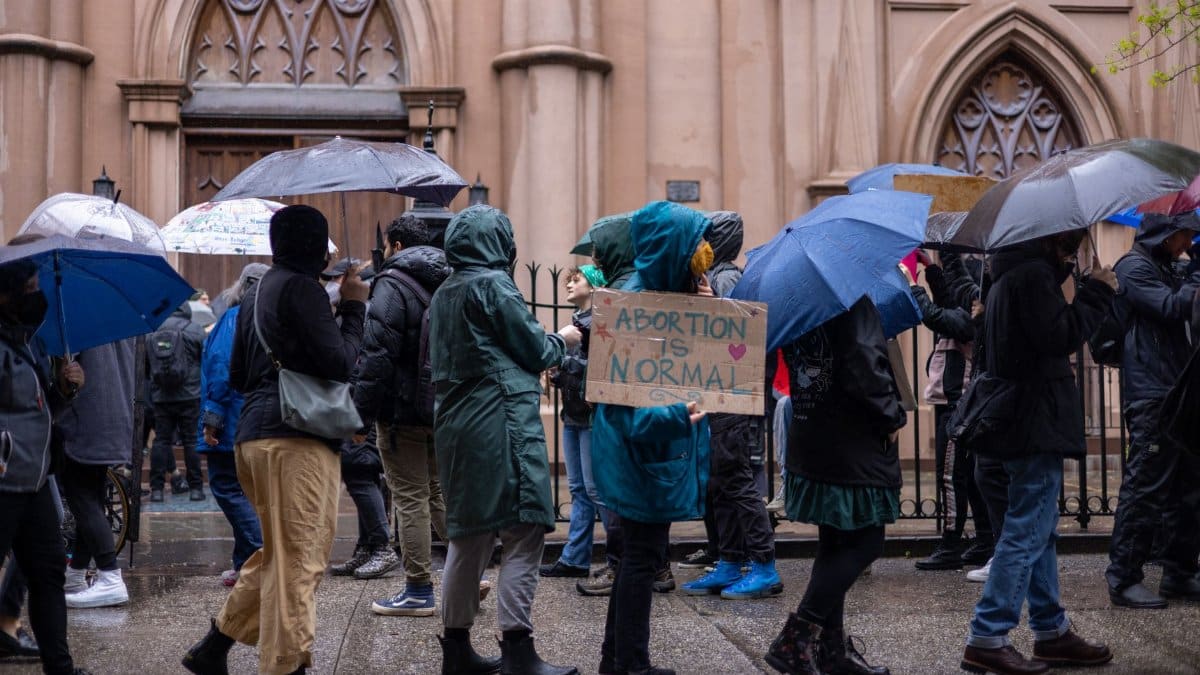
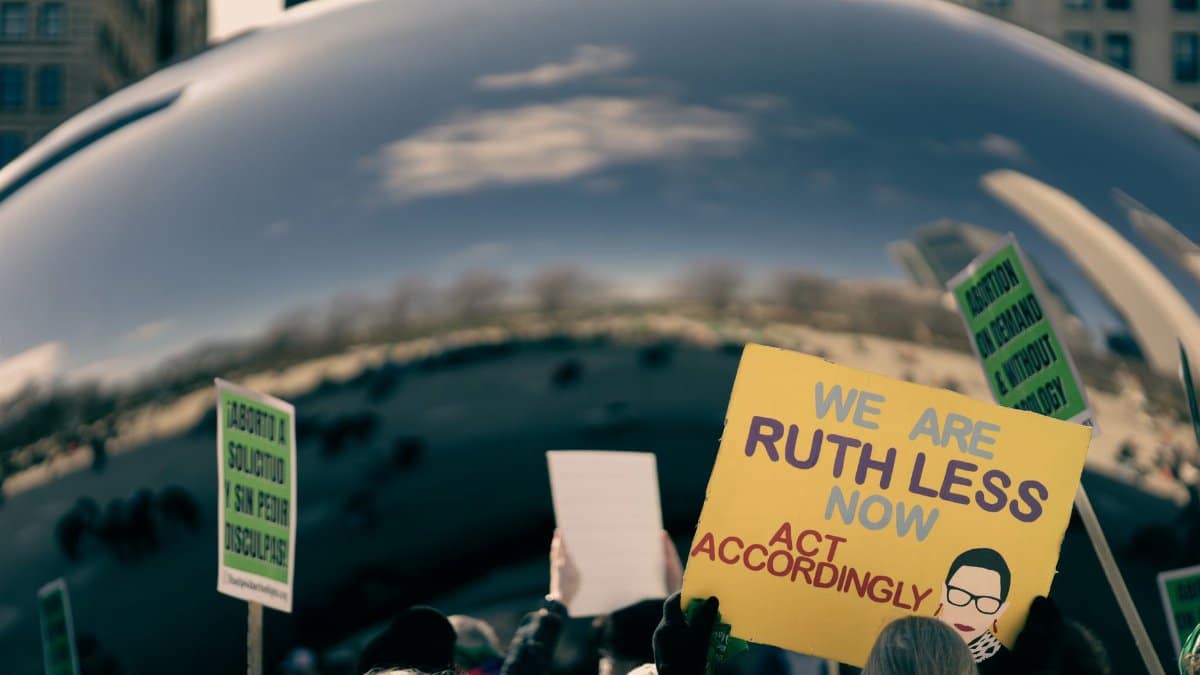
Since the Supreme Court returned abortion regulation to the states, voters have repeatedly been asked to write the boundary themselves. Kansas rejected a proposal that would have cleared the way for tighter bans. Michigan and Ohio placed protecting access in their constitutions. Other states moved in the opposite direction through legislatures rather than initiatives. The record is not a single national verdict. It is a patchwork, and patchworks invite the next campaign.
Faith communities sit inside that argument rather than outside it. Catholic dioceses, evangelical networks, and mainline Protestant groups have funded ads, hosted forums, and urged congregants to read the actual text. So have secular clinics and civil liberties groups. The spiritual framing is not decoration. Many voters hear the question as one of conscience: when life begins, what mercy requires, and whether a constitution should freeze a moral answer.
A midterm that weakens Trump aligned majorities does not settle that conscience. It changes the venue. In states where petition rules are open, advocates on both sides will test whether a legislature that just changed hands will pass a bill or whether they must go around it. In states where only lawmakers may refer a measure, the new majority becomes the gate.
What earlier votes already showed
Public tallies from recent years are plain enough to cite without romance. The Kaiser Family Foundation has tracked how abortion related measures performed after the Dobbs decision, and its summaries show that access protections often drew support beyond the Democratic presidential share in the same states. Those summaries live at KFF’s ballot tracker. Pew Research Center polling, available at its abortion opinion fact sheet, has long found a durable majority opposed to making the procedure illegal in all or most cases, alongside deep splits about later pregnancy and parental notice.
Those findings do not predict every county. Rural precincts and urban ones still diverge. What they do predict is strategy. Campaigns write shorter amendments when they fear a crowded ballot. They pair medical language with exceptions for the life of the pregnant patient because polling punishes absolutism. Opponents answer with arguments about viability, sex selection, and the role of courts. None of this is abstract theory. It is how the next pamphlet gets written.
Redistricting leaves the back room

Map drawing used to be a winter sport for insiders. After each census, the party in control sketched districts, dared the other side to sue, and waited for judges. Voters have grown less patient with that ritual. Several states created commissions or added constitutional tests against partisan gerrymandering. Others tightened legislative control and dared critics to find a petition route.
Trump’s orbit treated maps as power, not paperwork. Allies pressed for lines that would protect House members who stood with him. Critics answered that a president should not pick his own jury of districts. When his party loses ground in a midterm, two things happen at once. Endangered incumbents demand safer seats. Reformers argue that the public just punished engineered maps and should take the pen away.
Ballotpedia maintains a running account of redistricting measures and commissions at its redistricting portal. The pattern there is procedural as much as partisan. Some questions ask voters to move line drawing to a citizen panel. Others ask them to bless criteria such as compactness, county integrity, and competition. The wording decides whether a reform is real or cosmetic.
How losses travel into petition season

A president does not sign state initiatives. His losses still shape them. Donors who spent heavily on congressional defense look for a cheaper lever. A statewide question can nationalize a local fight and give a defeated faction a win to advertise. Staff who just lost a House race know the voter file, the clergy lists, and the county fairs. They do not vanish in December. They reappear as consultants on the next measure.
There is a second effect inside legislatures that flipped or narrowed. Members who survived a bad night become cautious about extreme bills that could fuel a referendum. Members who gained seats arrive with mandates they may overread. Governors in the other party become the audience that matters: will they bargain, or will they dare organizers to collect signatures? That bargaining is where midterm ballot measures stop being slogans and become calendar items, with filing deadlines and word limits set by statute.
Courts, clerks, and the language on the page
Even a popular idea can die in the drafting. State supreme courts review whether a title is misleading. Attorneys general write official summaries that campaigns then attack as biased. Clerks reject petitions for technical faults. These are not glamorous fights, and they decide more outcomes than rally speeches.
Abortion amendments collide with single subject rules when drafters add parental consent, funding limits, and provider rules in one paragraph. Redistricting amendments collide with the same rules when they mix commission design, candidate residency, and campaign finance. A midterm loss does not suspend those constraints. It increases the number of lawyers willing to test them, because the political cost of waiting four years just rose.
Money, pulpits, and turnout that is not uniform

National groups now treat state questions as a parallel campaign. They buy the same voter models used in Senate races. Churches and synagogues remain one of the few places where a volunteer can still speak to a room that did not choose its politics in advance. That access cuts both ways. A pastor who frames a measure as a test of neighbor love will move some congregants and alienate others who came for worship, not a precinct plan.
Turnout in midterms is older and steadier than in presidential years, which matters for measures that depend on irregular voters. Abortion campaigns in recent cycles sometimes narrowed that gap by giving younger voters a reason to appear. Redistricting campaigns struggle to do the same. A district line is harder to explain than a clinic’s legal status. The side that translates maps into a kitchen table sentence usually wins the argument, even if it loses the legal theory.
What a rebuke does not decide
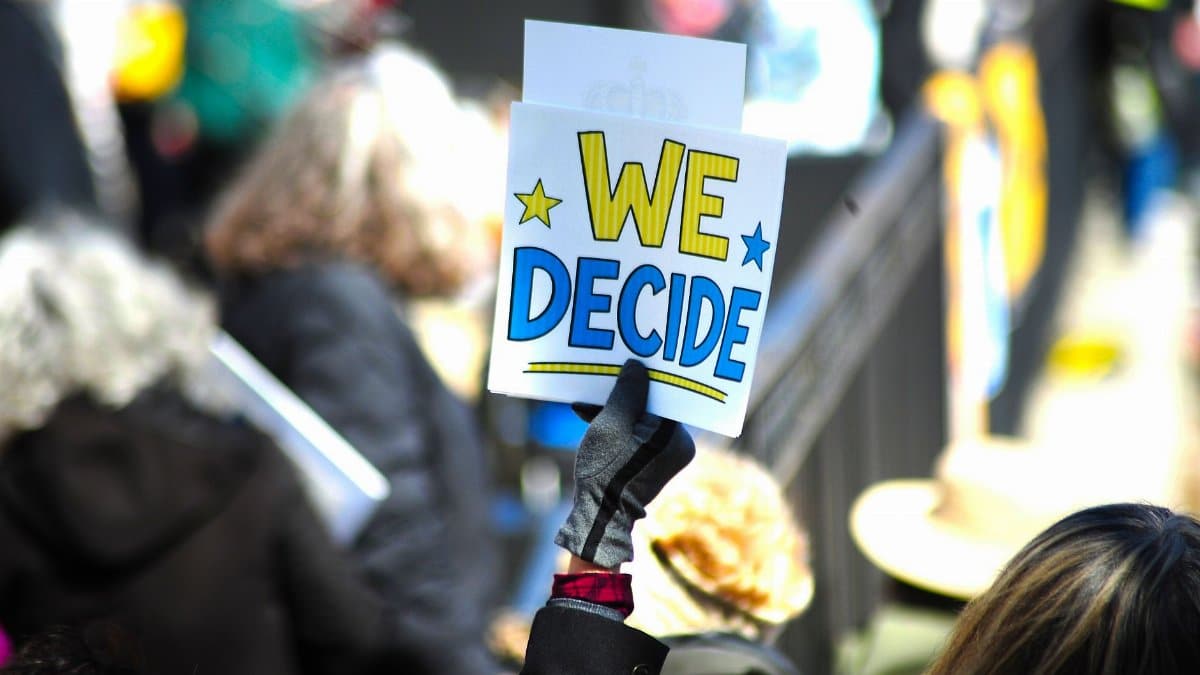
It is tempting to read every county as a moral referendum on the president. Voters are messier than that. They can reject Trump aligned candidates and still oppose abortion in later months. They can punish a chaotic Congress and still want their own representative in a safe seat. Midterm ballot measures capture some of that complexity because they force a yes or no on a policy rather than a person.
They also conceal complexity. A yes vote may mean trust in doctors, distrust of legislators, or simple fatigue with national noise. Journalists who collapse those motives into a single culture war headline will miss the next fight, which is almost always about exceptions, enforcement, and who sits on the commission.
The next maps and the next clinics

In practical terms, the months after a losing midterm are a drafting season. Abortion opponents who cannot pass a ban will seek gestational limits, reporting rules, and funding bans that might survive a veto or a court. Access advocates will seek constitutional text broad enough to block those workarounds and narrow enough to win suburban precincts. Redistricting reformers will decide whether to demand a fully independent panel or a hybrid that legislators might actually refer.
Trump will remain a character in those ads whether or not his name is on the ballot. His midterm losses give opponents a narrative of overreach and give allies a narrative of elite resistance. Neither narrative writes the amendment. The text does. Readers who care about the outcome should read past the television chyron and into the paragraph at the bottom of the sample ballot, because that is where this political season will still be binding when the next presidential campaign begins.
A quieter verdict
National elections announce winners. State questions announce rules. The latest round of midterm ballot measures on abortion and redistricting will be judged less by who claimed the night and more by whether clinics stay open, whether maps produce competitive seats, and whether voters believe the process was theirs. That is a slower story than a presidential loss, and it is the one that will shape daily life in the states long after the annex lights go out.