
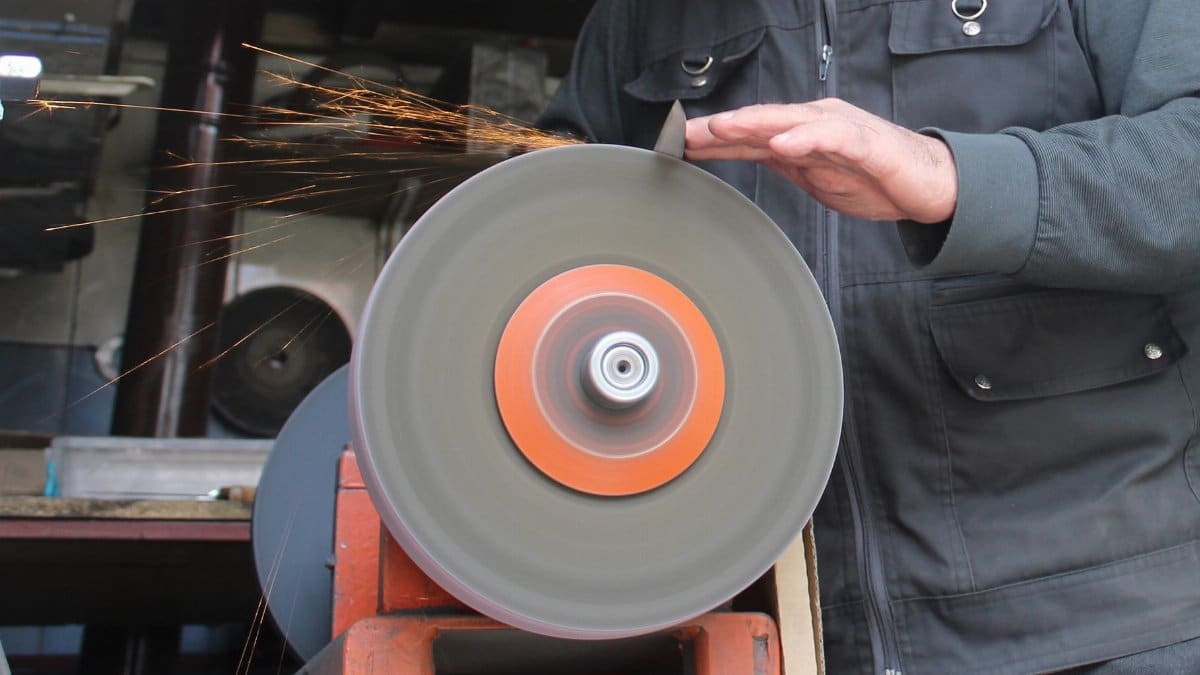
On a mild Saturday in Morgan Park, the first thing you notice is not the man but the bell. It rings once, then again, a thin bright sound over quiet lawns and porches. Walter Greene pushes a wooden cart fitted with a grinding wheel, a can of water, and a cloth for the finished edge. Neighbors step out with kitchen knives, garden shears, and scissors that have gone dull in a drawer. This is the blade grinding cart Chicago still recognizes in a few South Side blocks, a working remnant of a trade that once moved through alleys from Bronzeville toward Beverly. Greene, a retired firefighter, treats the route as labor and as a promise he does not intend to break.
The bell before the conversation

The bell is older than most of the people who answer it. Greene keeps it bolted to the cart frame, a small brass piece polished by decades of palms. He does not shout. He does not need to. On Vincennes and on the side streets that slope toward the ridge, people already know the interval. A second ring means he has stopped. A third means he is setting the wheel.
I walked a portion of the route with him on a morning when the elms were just beginning to leaf. What struck me was the pause before anyone spoke. A woman in a cardigan held a chef knife by the handle and waited, as if the transaction required a moment of regard. Greene nodded, tested the edge against his thumb with a care that looked almost ceremonial, and only then asked how she used it. The talk came after the steel had been acknowledged.
A firehouse habit of showing up
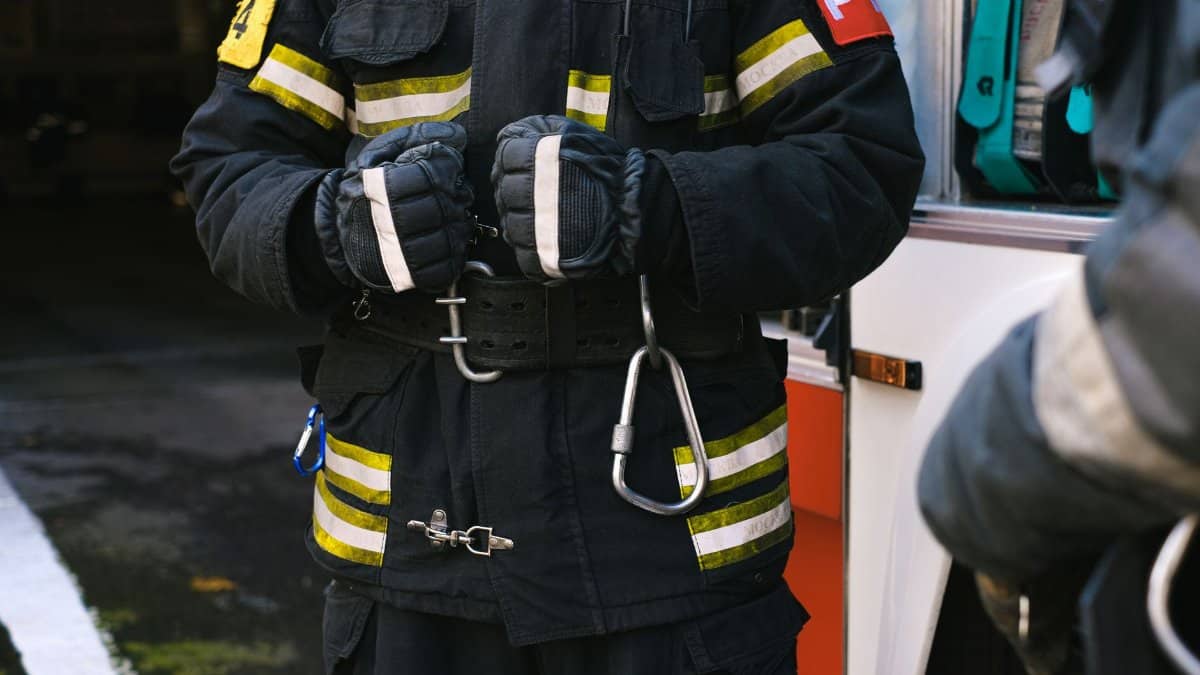
Greene spent twenty eight years with the Chicago Fire Department, most of them at a South Side house where the work was sudden and the downtime was filled with maintenance. Hoses were rolled. Tools were checked. Edges were kept honest because a dull blade in an emergency is a liability. When he retired, the quiet felt larger than he expected. The cart gave the week a shape.
He did not invent the trade. An older grinder named Sal Romano worked these blocks for years and, late in life, offered Greene the route, the wheel, and a short list of houses that always paid in cash and coffee. Romano had learned the motion from his own uncle. The lineage is informal, passed by standing beside the cart rather than by any certificate. Greene likes that. A firehouse, he says, teaches you that competence is shown, not announced.
Ask him why a former firefighter would spend retirement pushing wood and iron over cracked sidewalks, and he shrugs. People still cook. Hedges still grow. Somebody has to keep the tools fit. In his telling, the blade grinding cart Chicago once took for granted is not a novelty. It is a service that slipped out of fashion without quite disappearing.
Lessons from men who are gone

Romano died several winters ago. Greene still quotes him in short sentences. Do not lean on the wheel. Let the steel find the stone. Water little and often. Never promise a miracle on a blade that has been ground down to a shadow of itself. Those rules sound simple until you watch a nervous customer hope that a ten dollar knife can be made new.
There is also a lesson about pace. Romano refused to rush a serrated bread knife or a pair of hedge shears with a nick near the pivot. Greene keeps that refusal. On a busy Saturday he may see fifteen households. He will not see thirty. The limit is the point. A route that tries to cover the whole South Side in a day would become a performance, and he has no interest in performing.
Other names surface when older residents stop to talk. A Polish grinder who worked near commercial kitchens. An Italian who sang while he pedaled a wheel turned by foot. Nobody has a complete census. Memory here is local and slightly contradictory, which is how neighborhood history usually arrives. What remains consistent is the cart, the bell, and the sense that a dull knife was once a reason to wait on the curb.
Morgan Park keeps the door open
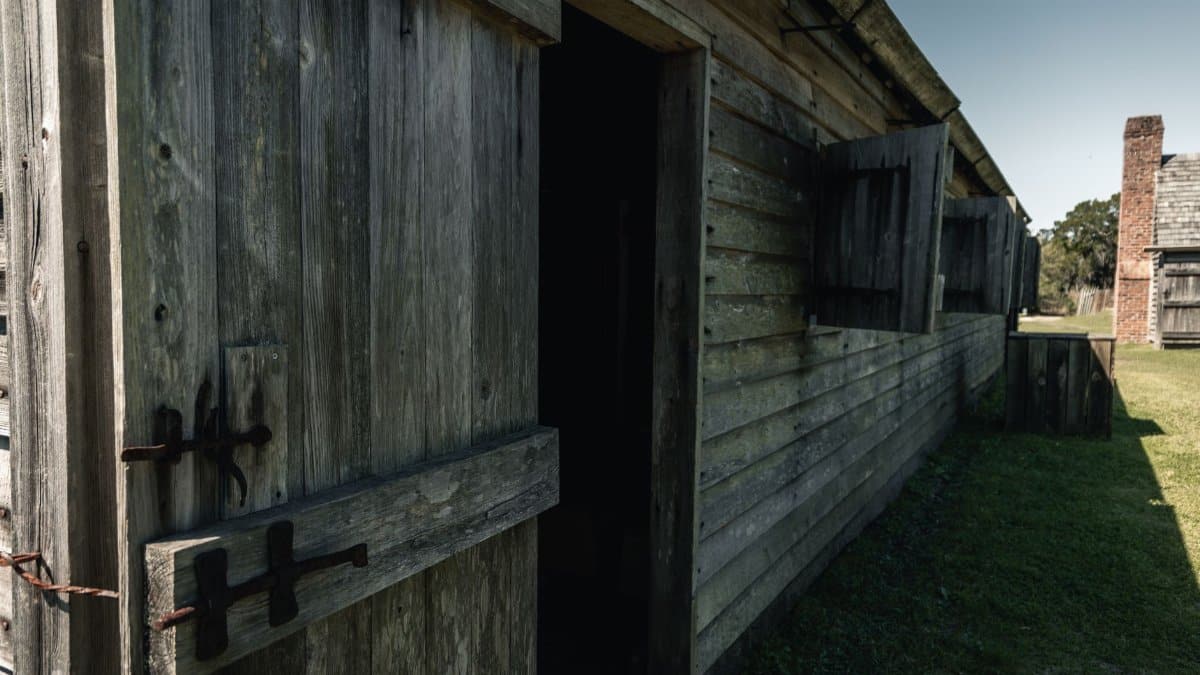
Morgan Park is not a museum street. Commuters leave early. Lawns are kept. Church parking lots fill and empty. Yet the blocks Greene favors still have porches where someone is likely to be home by late morning. He times the route for that window, after the school rush and before the afternoon errands. A retired teacher on one corner leaves a mason jar of iced tea on the step when she hears the bell from the next block.
The houses are a mix of frame cottages and larger homes set back from the walk. Greene knows which gates stick and which dogs are all noise. He also knows which customers want conversation and which want the knife back in silence. That knowledge is the real inventory. The cart carries stones and rags. The route carries relationships that cannot be loaded in the morning and unloaded at dusk.
He is careful not to romanticize the neighborhood. Rents have climbed. Some of the old customers have moved in with children in the suburbs. A few storefronts that once sent him boning knives have closed. Still, the blade grinding cart Chicago story he is living is not only about loss. New residents find him through a neighbor, or through a note on a parish board, and arrive curious rather than nostalgic. They own good knives and poor skills. He can help with one of those problems.
Steel, water, and a patient hand
The work itself is quieter than people expect. Greene wets the wheel, sets the angle with his wrists, and draws the blade in a steady pass. Sparks are rare. What you hear is a soft grainy whisper and the occasional tap of the knife against the cart rail. He stops often to look along the edge in the light. A bright line means the burr is forming. A gray patch means he has not yet reached the tired metal.
Different tools ask for different patience. A chef knife wants a consistent bevel. Poultry shears want attention at the bolt, where grease and onion skins collect. Garden loppers often arrive with a twist from being used on a branch too thick for them. Greene will sharpen what can be sharpened and will say so when a tool is finished as an instrument. Customers sometimes look relieved to be told the truth. A honest no is part of the service.
He keeps a small notebook, not for accounts so much as for memory. Mrs. Allen likes her paring knife keen enough for tomatoes and no keener, because a razor edge makes her nervous. A barber two neighborhoods over sends straight razors only in their cases. A man who smokes ribs for family reunions brings a cleaver each spring. None of this is secret. It is simply the record of a person who intends to come back.
What people bring to the cart
The objects tell a domestic history if you are willing to look. A carbon steel knife with a handle worn pale at the pinch point. Embroidery scissors in a velvet sleeve. A fillet knife from a fishing trip that happened once and is now mostly a story. Greene does not press for biographies, but they arrive anyway. The knife was a wedding gift. The shears belonged to a father who pruned roses every evening after work. Sharpening becomes a way of keeping that person slightly present.
Children are the most direct audience. They want to see the wheel spin. Greene lets them stand at a safe distance and explains, without lecture, why a sharp tool is safer than a dull one. A dull blade slips. A sharp blade goes where the hand intends, if the hand is calm. Parents hear that and nod. It is practical safety, and it is also a small lesson in attention, which may be why the scene feels larger than a sidewalk errand.
Payment is modest. Some people add a few dollars because they remember what their parents paid and want the custom to continue. Greene does not post a menu of prices on the cart. He names a figure, accepts what is fair, and moves on. The economics would not impress a business school. The point was never scale. The point is that a household can still meet a skilled person without booking an app or mailing a knife across the country.
A small rite on an ordinary block
It would be easy to overload this work with meaning. Greene would resist that. He is not a preacher, and he does not describe the cart as sacred. Yet the repetition has the shape of a rite. He arrives. He prepares the wheel. He receives what people have allowed to go dull. He returns it ready for use. Then he goes to the next porch. In a city that often measures worth by speed and reach, the sequence is almost countercultural.
A pastor at a nearby congregation once asked him to sharpen a pair of candle snuffers and the scissors used for parish linens. Greene did the job on the church steps after Sunday service, while people lingered with coffee. Nobody called it a blessing. Still, the moment fit the morning. Care for ordinary instruments can sit comfortably beside care for one another. You do not need a doctrine to notice that a community frays when nobody maintains what everybody uses.
I have heard similar notes in other neighborhood customs, from block club cleanups to the quiet work of people who shovel a neighbor’s walk without being asked. The cart belongs in that family of acts. It is visible, audible, and tied to the hand. You can ignore a social media post. You cannot easily ignore a bell on your own street, or the sight of a man making a knife useful again while you watch.
The route he refuses to retire
Greene is in his late sixties. His knees announce the longer blocks. He has thought about a lighter cart and has rejected the idea, at least for now, because the present one was Romano’s and because the weight reminds him to go slowly. He has also thought about an apprentice. A few younger people have watched for an afternoon. None has yet asked for the route. He is not bitter about that. Trades that depend on patience rarely recruit with slogans.
What he wants is simpler than a legacy brand. He wants the bell to keep a schedule. He wants Morgan Park, Beverly, and the streets between them to know that someone will still stop. If the blade grinding cart Chicago tradition is to last another generation, it will last because a customer tells a neighbor, and because a younger set of hands decides the work is worth the miles. Greene can model the craft. He cannot assign the desire.
Until then he loads the cart on Saturday, checks the water can, and sets out while the neighborhood is still deciding what the day will be. The knives will be dull again in time. That is not a failure. That is the reason to return. A sharp edge is temporary. The habit of tending it is what endures, block by block, in the hands of a man who learned from a firehouse that showing up is its own kind of skill.