
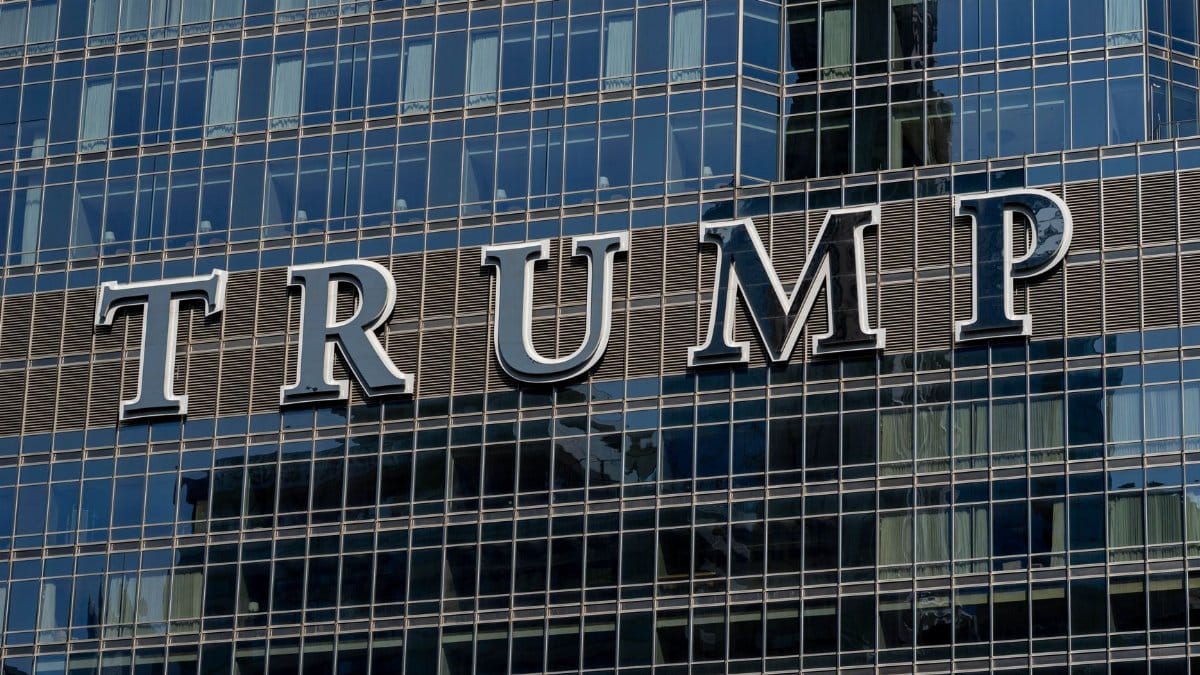
On a weeknight in Central Texas, the commercial arrives before the weather. A solemn voice names James Talarico, stacks accusations, and vanishes into a station break. That short burst is one tile in a mosaic political professionals now call Talarico attack ads Texas, a phrase that captures how a Senate contest turned into a statewide advertising siege after Donald Trump said he would campaign here. The promise of a presidential visit did not merely add a rally to the calendar. It signaled to party committees that the race had become a priority worth a fortune in airtime, and the spending followed with unusual speed.
A visit that reset the advertising calendar

Presidential travel is never only about the speech. In a large state, a promised stop tells donors, consultants, and station managers that national attention has arrived. Reporting on the Texas Senate fight has described Republican committees directing more than 100 million dollars into advertising against Talarico once Trump made clear he intended to campaign. That sum is large even by the standards of a state where media markets stretch from the Piney Woods to the Permian Basin. It is the kind of figure that changes what voters see between dinner and the late news, and it changes how a challenger must spend every morning.
The timing matters as much as the total. Committees do not wait for a perfect poll when a president of their party is about to step onto a stage. They buy early, they buy wide, and they accept that some of the money will land on viewers who will never cast a ballot in the race. Saturation is the point. A visit creates a news peg. The ads supply the argument that lingers after the motorcade leaves.
What that money is built to do
Advertising at this scale is less a single message than a system. Some spots introduce a name to voters who have never heard it. Others define that name before the candidate can finish a biography ad of his own. Still others remind core supporters why turnout matters. In a state with many distinct media markets, the same dollar does not buy the same attention in Houston that it buys in Amarillo. Planners slice the buy by city, by daypart, and by the audiences most likely to answer a pollster or show up on Election Day.
The practical effect is repetition. A voter may encounter the same charge on a phone, on a living room screen, and on a radio stuck in traffic. Repetition is not subtle, and it is not meant to be. Campaign professionals have long treated familiarity as a cousin of belief. If a claim is heard often enough, it starts to feel like background fact even to people who never sit through an entire spot.
The candidate the spots are trying to fix in place

James Talarico is a Democratic state representative who built a public profile as a former teacher and as a politician unusually willing to talk about faith in public. Clips of his floor speeches and interviews have traveled far beyond Austin, often because he argues that religious language does not belong to one party. That reputation is an asset in a primary conversation and a target in a general election air war. Opponents do not need voters to know his committee assignments. They need voters to associate his name with a short list of grievances.
Attack advertising works by narrowing. A legislator with a long record becomes a single vote, a single clip, a single phrase pulled from context. The Talarico attack ads Texas voters are seeing follow that old pattern, even if the production values and the dollar totals feel new. The goal is not a seminar on his career. The goal is a picture simple enough to survive a muted television in a sports bar.
Faith language in a secular media buy

Texas politics has always mixed sanctuary and stump. Many voters expect candidates to speak about church, family, and moral order, and they punish those who sound careless about those themes. Talarico has treated scripture as part of his public argument rather than a private credential. That choice invites a particular kind of counterad. Republican spots can question whether his reading of faith matches the reading held by a majority of churchgoing Texans, without ever entering a theological debate a thirty second commercial could not hold.
There is a risk in that approach. Voters who share his tradition may hear the ads as an attack on sincere belief, not only on policy. Voters who want religion kept at a distance may hear both sides as too certain. The committees spending the money appear willing to take that risk. In a state where religious identity still sorts a large share of the electorate, leaving faith unmentioned would itself be a strategic choice, and not one these buyers seem eager to make.
How a presidential promise moves donor money
Trump remains the central organizing fact of Republican politics. When he says he will show up, local operatives hear a mandate and national funders hear a test. Committees that might have paced their spending across a long summer instead compress it. The logic is straightforward. A visit generates coverage. Coverage without a paid argument leaves the news story half written. Paid argument without a visit can feel abstract. Together they create a week in which the candidate under fire is discussed by anchors and accused by announcers at the same time.
I have watched enough of these cycles to know that the visit itself is often shorter than the advertising it unlocks. A rally fills an arena for an evening. The spots fill the weeks on either side. For Talarico, the practical problem is not a single speech in a single city. It is the unpaid echo of that speech inside a paid campaign designed to outlast it.
The Democratic answer and its limits
No candidate answers a nine figure opposing buy with charm alone. The usual reply is a mix of biography advertising, rapid response clips, and an attempt to change the subject toward the other side of the ballot. Allies can help, but Senate map math means national Democratic money is never infinite. A candidate who is being defined has to spend early just to stay recognizable as a person rather than as a target.
There is also a tonal choice. Answer the attacks charge by charge, and the campaign spends its best weeks inside the opponent frame. Ignore them, and low information voters may treat silence as confirmation. Most campaigns split the difference, answering the sharpest claims while trying to keep a positive story on the air. Whether that split works depends less on clever scripting than on whether friendly money can stay visible in the same markets where the critical ads are heaviest.
What Republican committees want voters to carry away
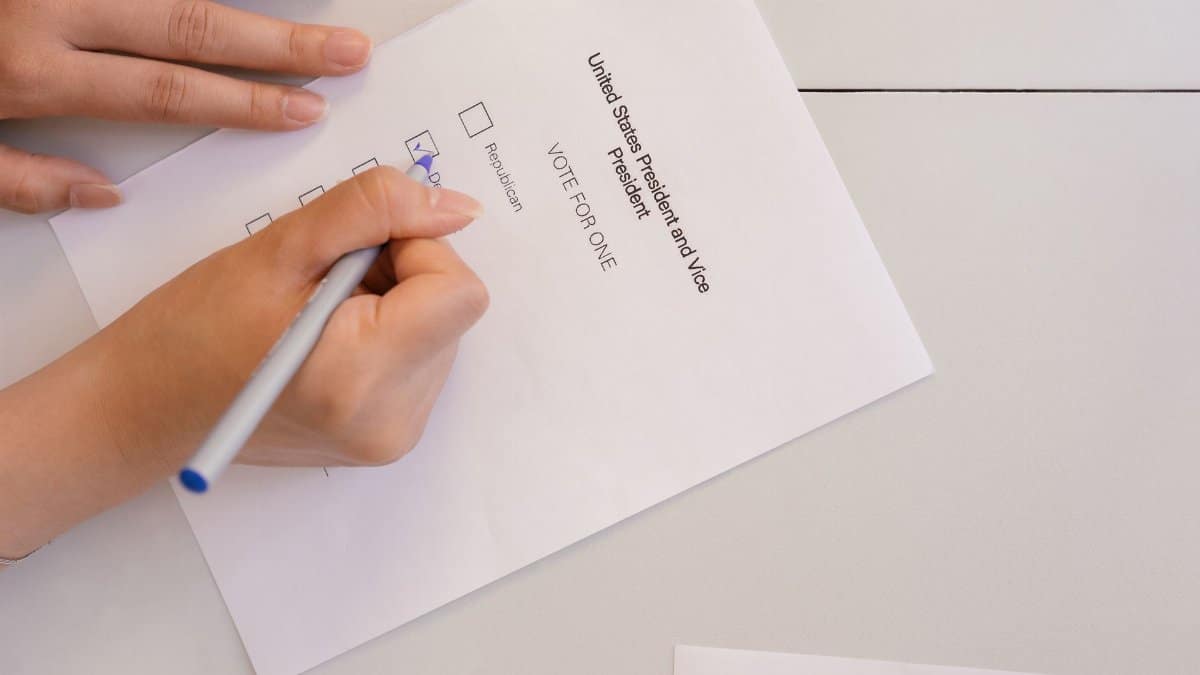
The committees funding this wave are not trying to win an argument in a seminar room. They are trying to raise the cost of supporting Talarico among voters who might otherwise give a Democrat a hearing in a suburban county. The desired takeaway is simple. He is too far from the Texas mainstream on culture, on spending, or on public safety, and a Trump visit is there to stamp that judgment with celebrity and authority. Different spots may emphasize different counts in that indictment. The family resemblance is the insistence that the race is not a curiosity about a rising Democrat. It is a warning.
That warning is easier to sell when the messenger is a party committee rather than a rival candidate who must also defend a record. Outside groups can be harsher. They can also be less careful, which is why campaigns sometimes spend as much time managing friendly fire as answering the other party. In a buy this large, message discipline is a daily labor, not a slogan.
Stations, screens, and the feel of saturation

Local stations notice a political flood before most voters can name the committees behind it. Inventory tightens. Rates rise. News programs sit beside spots that may contradict the nuance of the reporting that just ended. Digital platforms add a second layer, serving the same themes to people who have already shown an interest in state politics or in church content or in neighborhood crime. The Talarico attack ads Texas audiences encounter are therefore not only television events. They are a cross platform presence that follows people from the couch to the phone.
Saturation has a side effect that buyers accept. Some viewers grow numb. Others grow angry at the volume itself and blame every politician in sight. A few become more curious and go looking for the full record. Campaigns cannot control which of those reactions dominates, so they bet on averages. If the average viewer in a target county can repeat one negative sentence about the Democrat, the buy is treated as progress.
Suburban counties and the voters in the middle

Texas statewide races are often decided by the distance between rural loyalty and urban opposition, with suburban and exurban counties supplying the margin. Those counties are where expensive advertising is aimed with special care. Residents there may split tickets, may know a teacher or a pastor who complicates partisan cartoons, and may resent being told what to think by a narrator they have never met. They are also busy. A clear, repeated ad can outperform a careful policy paper simply because it fits the day they actually have.
For Talarico, these voters are both opportunity and hazard. His emphasis on schools and on moral language may travel well in communities full of parents. The same communities are flooded with messages that cast Democratic candidates as indifferent to border security or hostile to traditional worship. The ads do not have to persuade every moderate. They have to peel away enough of them, or discourage enough of them, to keep the statewide math intact.
The spiritual stake beneath a money story
It is easy to treat a 100 million dollar advertising surge as a story only about consultants and gross rating points. In this race the spiritual dimension is not decoration. Talarico has asked Texans to see progressive politics as compatible with serious faith. His critics, backed by a presidential visit and a towering media budget, are asking those same Texans to reject that compatibility. The argument is about votes, but it is also about who gets to speak for conscience in public.
Churches will not settle that argument from the pulpit in any uniform way. Congregations already disagree inside their own walls. What the ad war can do is harden the disagreement. When a candidate is introduced to millions of people first as a threat, later explanations arrive as special pleading. That is the quiet power of the opening buy. It writes the first sentence of the story, and first sentences are hard to revise.
Limits of what advertising can prove

Money measures intensity. It does not measure truth. A spot can be accurate, misleading, or somewhere in a gray middle that fact checkers will argue over after the damage or the benefit has already landed. Voters who want more than a narrator owe themselves a slower look at voting records, at what the candidate actually said, and at what the other side leaves out. That slower look is not what the committees are paying for. They are paying for speed and repetition, and they are getting both.
Journalists have a matching duty. Repeating the existence of a huge buy is not the same as adopting its claims. The scale of the spending is itself news, because it shows how national actors rank this contest. The content of the spending is a separate question, one that deserves scrutiny spot by spot rather than awe at the invoice.
What the coming weeks will test
The test now is whether the advertising defines Talarico faster than he can define himself, and whether Trump’s promised presence keeps Republican money locked on this race rather than drifting to other fights. If the visit happens amid the ad wave, the two will amplify each other. If the visit slips, the spots still remain, which is a reminder that paid media outlasts motorcades. Democrats will look for signs that the attacks have overreached, especially among voters who know Talarico as a churchgoer and a teacher rather than as a cartoon.
None of that will be settled by a single rally or a single fact check. It will be settled, in part, by whether people in scattered Texas markets can still hear a human voice under the noise. The Talarico attack ads Texas committees have funded are an attempt to make sure that voice arrives already answered. The election will show whether voters accept the answer they were sold, or whether they insist on writing one of their own.