
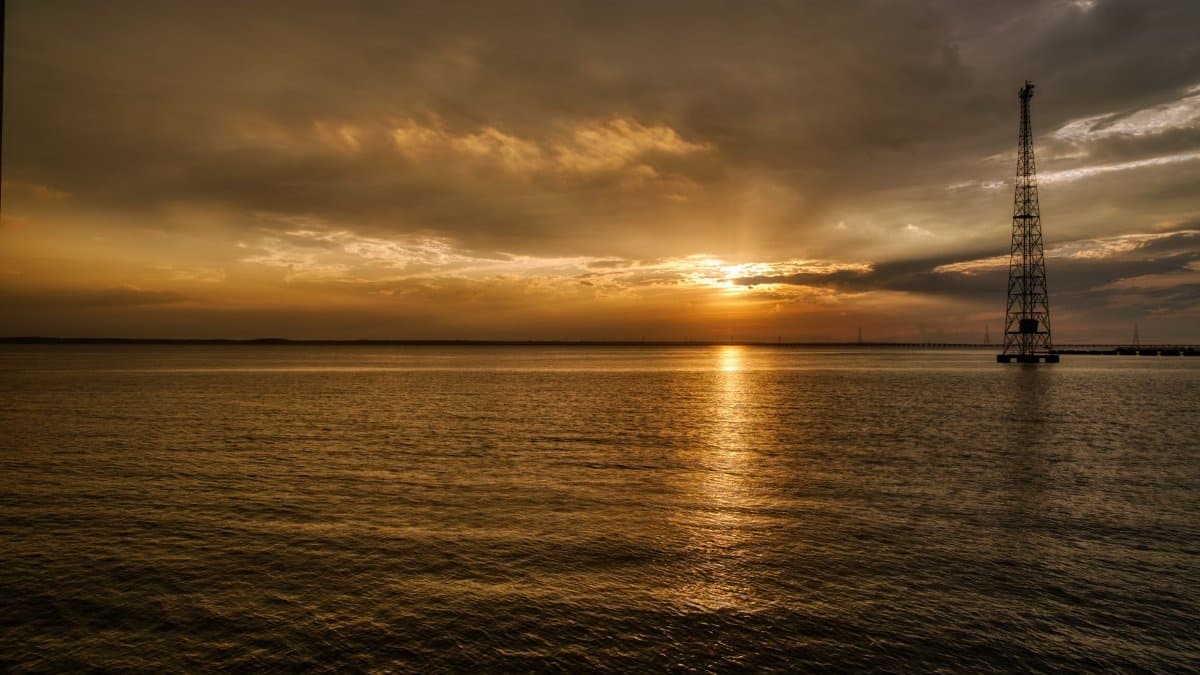
On a gray morning along the Patuxent, the water looked the way it often does in late summer, brown at the edges and deceptively calm farther out. Watermen talked about crabs. Commuters talked about traffic. In Annapolis, a different conversation had already started. The White House had canceled a 2009 directive that organized federal agencies around restoration of the nation’s largest estuary. Maryland leaders describe that directive as the scaffold for budgets, meetings, and pollution targets that outlasted several presidents. In the shorthand now racing through statehouses and environmental offices, the fight has a name: the Chesapeake Bay Trump order. It is a short phrase for a long argument about who owes what to a watershed that touches six states and the District of Columbia, and about whether a signature from a prior administration still binds the government that followed.
What the revoked order required

President Barack Obama signed Executive Order 13508 in May 2009. Its title was plain: Chesapeake Bay Protection and Restoration. The text told federal departments to coordinate, to write a strategy, and to report on progress. It created a Federal Leadership Committee so that agencies which rarely share a table would have one. Interior, Agriculture, Commerce, Defense, Homeland Security, and the Environmental Protection Agency were drawn into the same conversation as the states that touch the water. The order did not replace state law. It did not, by itself, fine a farmer or rebuild a sewer plant. What it did was declare that the estuary was a federal concern, not a courtesy. That distinction is why the Chesapeake Bay Trump order lands with such force in Annapolis. Officials there argue that the directive was the frame on which later agreements, budgets, and agency habits were hung. Remove the frame, they say, and the picture does not fall at once. It sags.
A watershed bigger than the bay itself
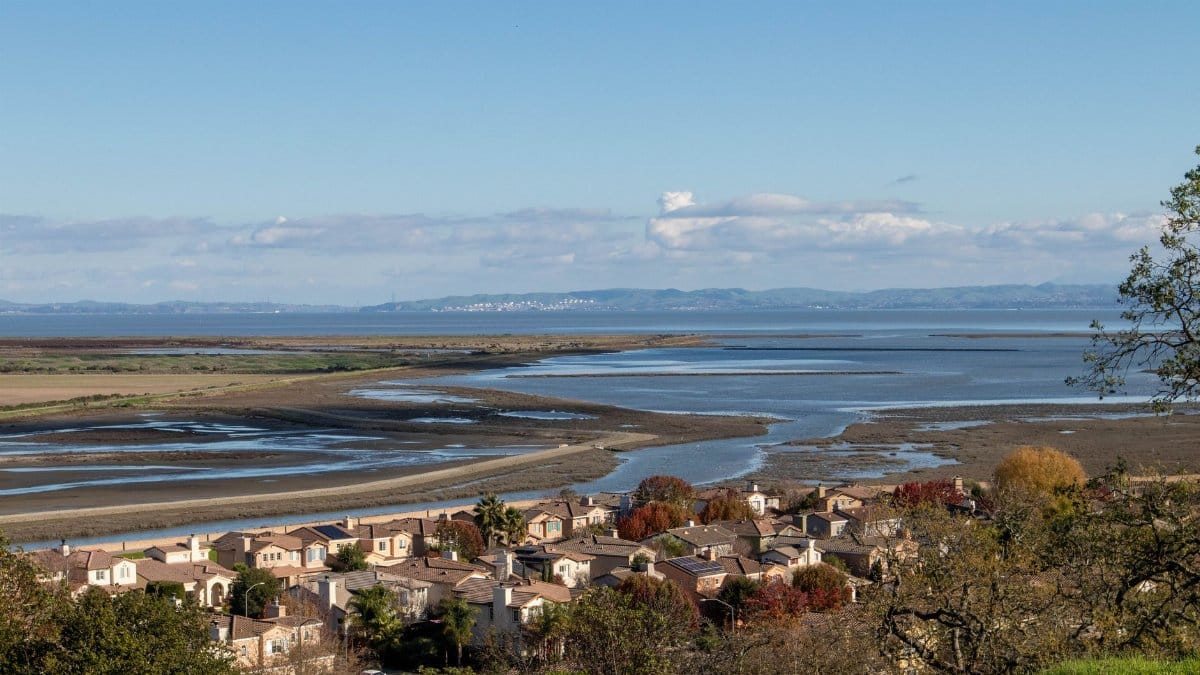
The Chesapeake is not a single sheet of water that Maryland can manage from its own shoreline. The watershed covers about 64,000 square miles. Rain that falls on fields in Pennsylvania, on ridges in West Virginia and New York, on suburbs in Delaware and Virginia, and on streets in the District of Columbia eventually moves toward the same drowned river valley. The bay is shallow, which makes it productive and fragile at the same time. Nutrients that feed algae also steal oxygen from the deeper channels when those blooms die and decay. Sediment clouds the grass beds where young crabs hide. A restoration plan that stops at a state line is a plan that misunderstands the plumbing. Federal coordination existed because the geography demanded it. No governor controls the whole map. The estuary collects the choices of millions of people who will never see a skipjack.
Why Maryland cannot do this alone
Maryland has spent decades on sewage upgrades, oyster restoration, and rules for development near tidal shores. Those efforts matter. They are also incomplete if the loads arriving from upstream do not fall. Pennsylvania, with a large share of the watershed and a political culture wary of federal mandates, has long been the hardest piece of the puzzle. Virginia carries major urban and agricultural loads of its own. The 2010 pollution diet issued by the Environmental Protection Agency, formally a total maximum daily load, tried to assign responsibility across the watershed. A later watershed agreement set 2025 as a horizon for many of the targets. Progress has been real in some places and stubbornly slow in others. State officials who defend the old order are not claiming that a presidential signature cleaned the water. They are claiming that it kept a reluctant partnership from dissolving into six separate press releases.
Federal money and agency habit

Money is the part of this story that legislators can count. The Chesapeake Bay Program, a partnership housed with the Environmental Protection Agency, has been the main federal vehicle for science, grants, and coordination. Congress has repeatedly funded it even when the White House of the moment preferred a smaller number. Agency habit is harder to put on a spreadsheet. A standing committee means staff who know one another’s names, shared data, and a reason to show up. When that structure is treated as optional, the meetings get shorter and the memos get vaguer. Critics of the Chesapeake Bay Trump order worry less about a single budget line than about permission to look away. Supporters of a lighter federal hand argue that states and private landowners already carry the real work, and that Washington paperwork has never pulled a pound of nitrogen out of a stream by itself. Both claims can be true in part. The argument is about which risk is larger.
Farms, pipes, and rain
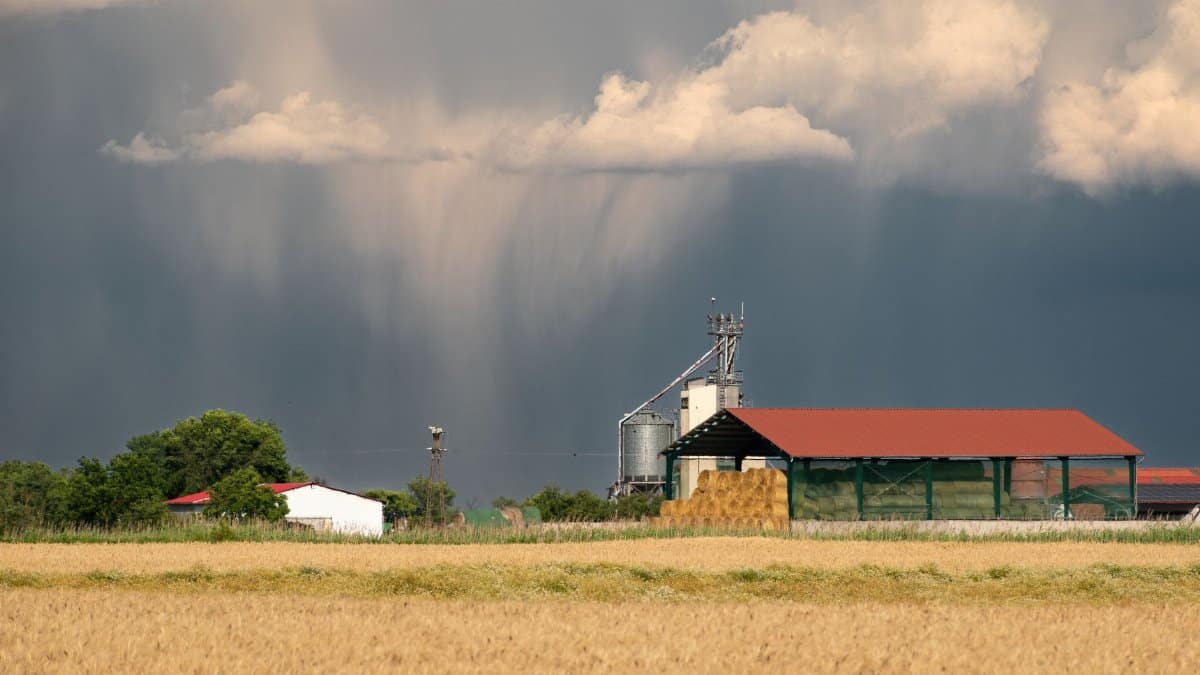
The pollution that troubles the bay is mostly ordinary. Fertilizer and manure leave fields when rain is hard. Older cities still send diluted sewage into rivers during big storms. Suburban lawns, rooftops, and parking lots rush water downstream before it can soak into soil. Airborne nitrogen from vehicles and power plants settles on the watershed and becomes part of the same ledger. None of this is exotic. All of it is political, because every fix has a constituency that would rather the cost land somewhere else. Farmers point to cities. Cities point to upstream agriculture. Ratepayers do not enjoy higher sewer bills. A federal framework did not erase those tensions. It gave them a calendar and a public scorecard. Without that pressure, the easiest year is always the next one. Restoration is a sequence of unglamorous projects: cover crops, stream fences, upgraded plants, street trees, and better septic systems. Glory is scarce. Delay is cheap until the grass beds fail again.
What revocation does not erase
A presidential order is not a statute. Canceling it does not repeal the Clean Water Act, dissolve interstate compacts, or vacate court settlements that already shape permits. States can keep their own laws. Nonprofit groups can keep suing, monitoring, and planting oysters. Local governments can keep building the plants they have already financed. That legal remainder is the strongest argument for calm. It is also easy to overread. Much of the bay’s modern recovery effort was built as a stack: statute at the bottom, regulation in the middle, and executive coordination on top, holding agencies to a shared plan. Pull one layer and the others do not vanish. They lose a boss. Career staff can continue work that Congress has funded. They cannot invent a mandate the White House has just withdrawn. The practical question in the months ahead is whether coordination survives as habit or withers into courtesy.
Memory of an earlier budget fight

This is not the first time a Trump administration has treated the bay partnership as expendable. During the first term, budget proposals sought deep cuts to the program, and Congress, including Republicans from bay states, put much of the money back. That history cuts both ways. It suggests that revocation on paper may meet resistance in appropriations and in statehouses that depend on fisheries, tourism, and navy neighbors who also care about swimmable water. It also suggests that the fight will be annual, exhausting, and easy to lose in a news cycle trained on louder conflicts. People who remember those years hear the Chesapeake Bay Trump order as a sequel, not a surprise. The difference is formal. A budget cut can be reversed at the next markup. A revoked order changes the default. Silence becomes the policy unless someone spends political capital to rebuild the old machinery.
The claim that remains

There is a moral register to this story that does not require a pulpit. A great estuary is a common inheritance. People who never cast a line still drink from rivers that feed it, drive across bridges that span it, and inherit the cost of its decline. Stewardship, in the plain sense, means accepting limits so that a place outlives the officials who manage it. Maryland leaders are right to say the public deserves a clear account of what the cancellation changes on Monday morning and what it leaves untouched. The White House is entitled to argue that an Obama era framework had grown into symbolism. Voters can judge that claim against the oxygen reports, the oyster counts, and the bills that still arrive for plants and farms. The Chesapeake Bay Trump order will be remembered less for the legal citation than for the choice it announces: a watershed treated as a national trust, or as a local problem with a famous name.