
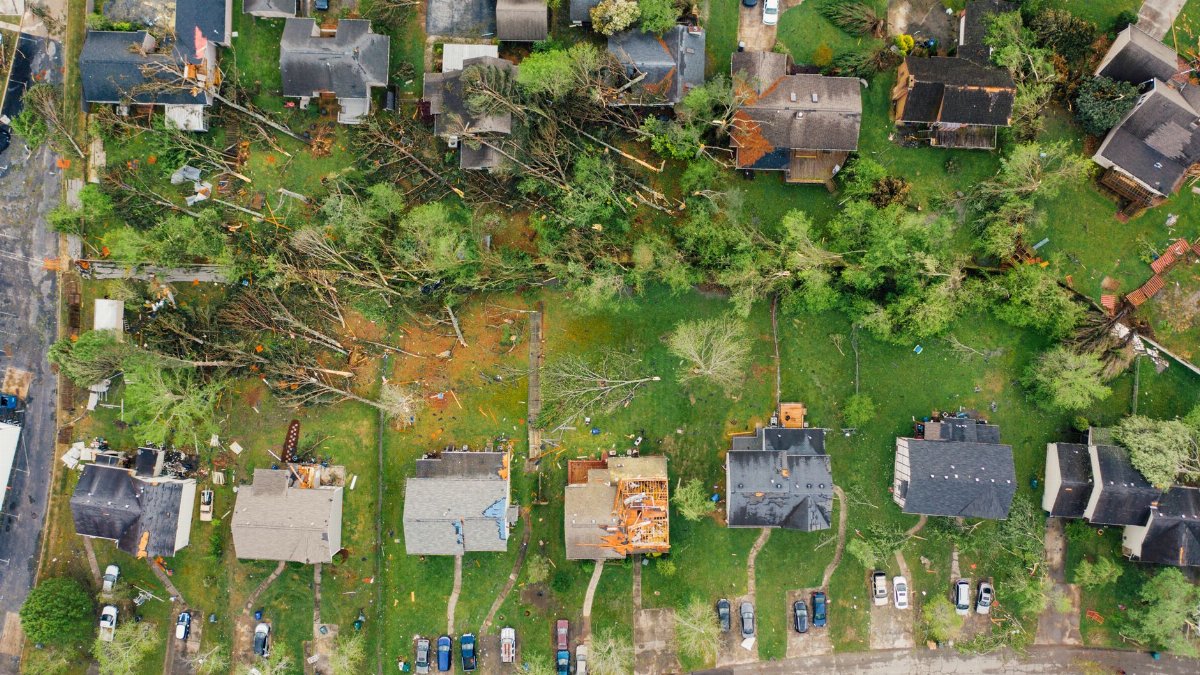
Residents across the south suburbs of Chicago confronted scenes of upheaval after three tornadoes carved paths of destruction through Cook and Will counties. Fallen trees blocked streets while power lines lay in tangled heaps and homes stood exposed to the elements. Local leaders responded quickly by requesting federal assistance to manage the scale of repairs. Their appeal centers on storm disaster relief funding that would support both immediate needs and longer term rebuilding efforts. Families now navigate daily challenges without reliable electricity and with limited access to basic services. The event has prompted reflection on how communities draw together during times of sudden loss and uncertainty.
Extent of Tornado Damage Across Suburbs
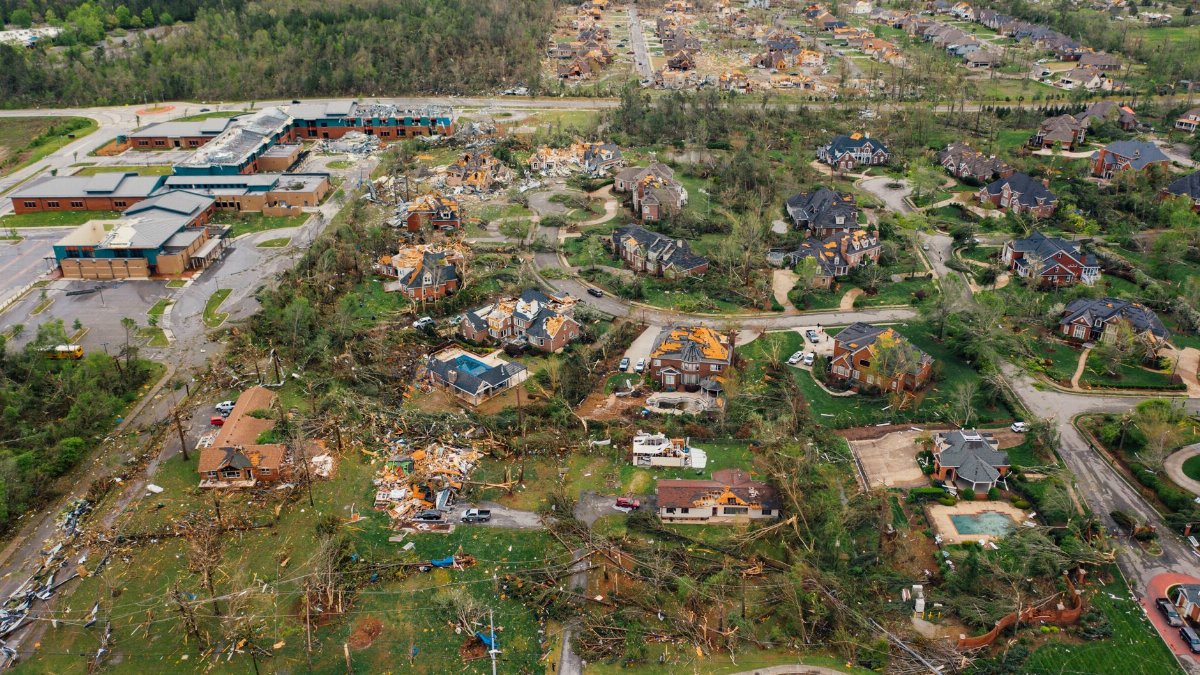
The twisters touched down in scattered locations leaving behind splintered trunks and stripped roofs. Entire neighborhoods lost canopy cover as mature trees toppled onto vehicles and fences. Crews worked around the clock to clear main roads yet side streets remained impassable for days. Utility companies reported thousands of outages that lingered well into the following week. Officials tallied the destruction in both Cook and Will counties noting that rural pockets suffered equally with denser housing tracts.
County Requests for Federal Assistance
Leaders in both counties submitted formal applications seeking support through established channels. They highlighted the need for resources that exceed local budgets strained by prior weather events. The paperwork emphasized public infrastructure repairs along with aid for private property owners lacking adequate insurance. State agencies reviewed the submissions before forwarding them to federal partners. Approval would unlock grants covering debris removal and emergency protective measures.
Power Outages and Daily Life Disruptions
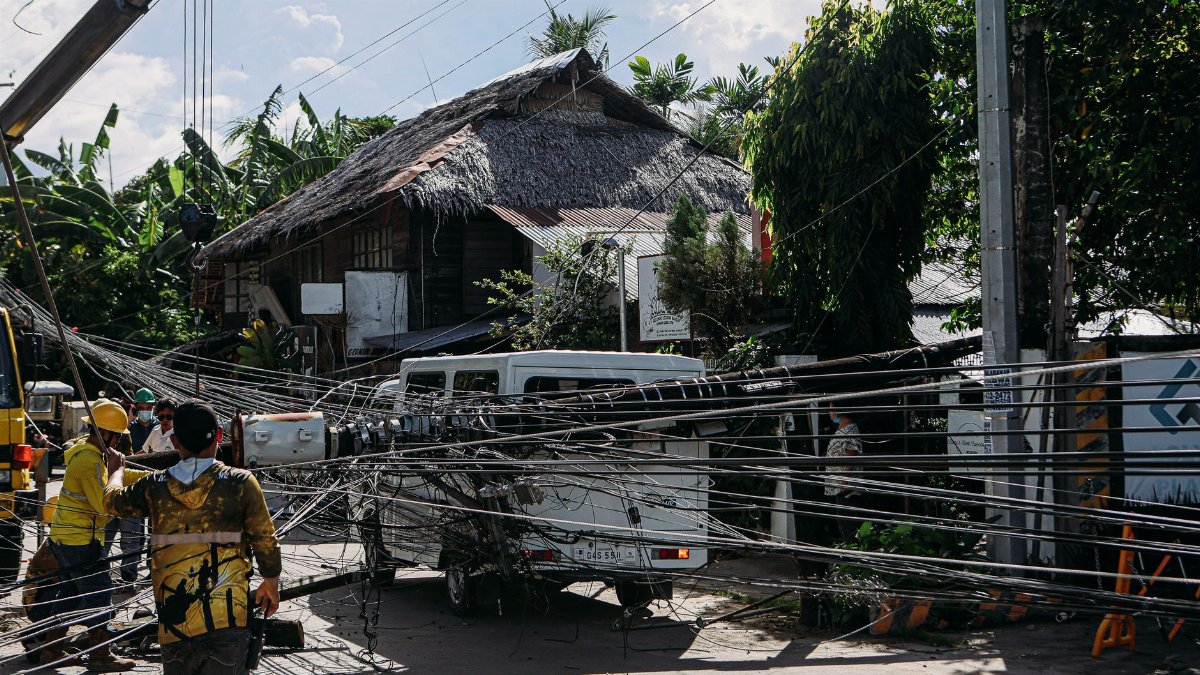
Without electricity many households faced spoiled food and inoperable medical devices. Elderly residents relied on neighbors for rides to cooling centers set up in community halls. Schools delayed openings while libraries extended hours to provide charging stations and internet connections. Small businesses closed temporarily as refrigeration units failed and card readers went offline. The outages compounded stress for families already anxious about structural safety.
Faith Communities Mobilize Volunteers

Churches and synagogues organized work crews to assist homeowners with yard cleanup. Volunteers arrived with chainsaws and tarps offering labor at no cost to those in need. Prayer gatherings emerged in parking lots where participants shared stories of survival and expressed gratitude for narrow escapes. These groups coordinated meal deliveries for displaced families drawing on networks built over years of local service. Their presence added a layer of emotional support alongside practical help.
Tree Removal Challenges in Affected Areas
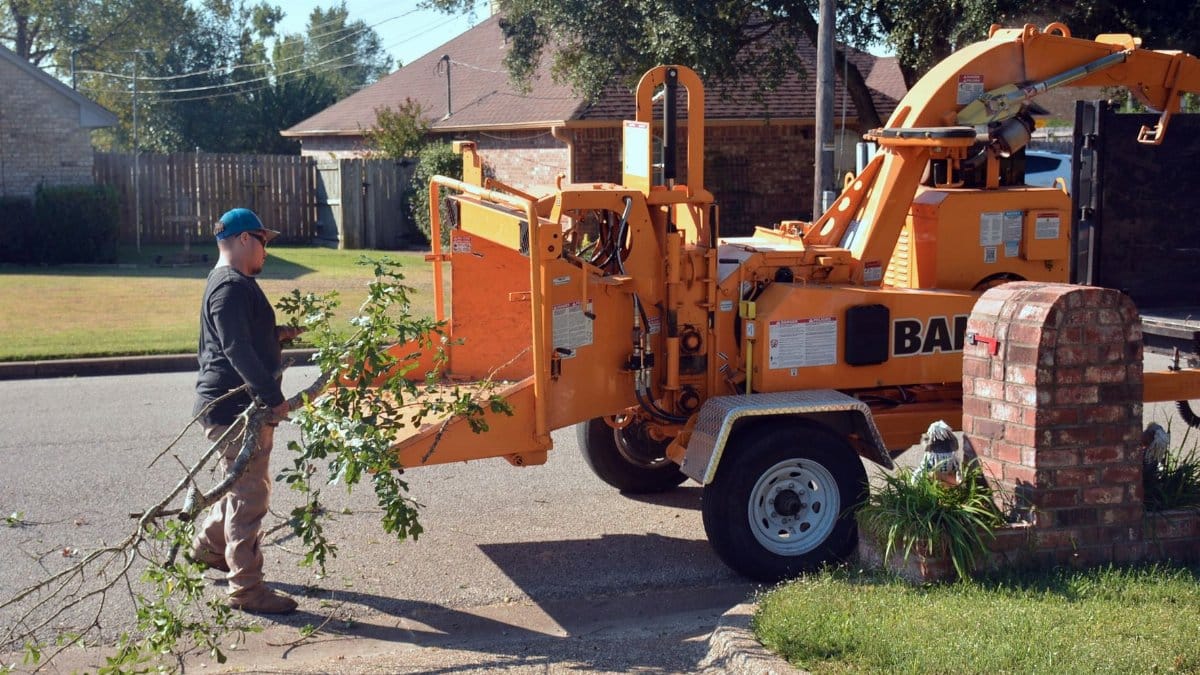
Specialized equipment proved scarce as demand surged following the storms. Arborists traveled from neighboring states to handle hazardous removals near power lines. Property owners learned that permits for large scale cutting required inspections first. Piles of branches lined curbs awaiting municipal collection that stretched into weeks. Environmental concerns arose about disposal methods that avoid overwhelming landfills.
Insurance Claims and Coverage Gaps

Many policies excluded certain types of wind damage or imposed high deductibles that caught residents off guard. Adjusters processed claims in batches yet backlogs formed quickly. Some families discovered their coverage fell short for tree related structural harm. Public adjusters offered guidance while warning against hasty settlements. State regulators monitored the process to ensure fair handling of submissions.
Long Term Recovery Planning Efforts

Planners began mapping future resilience measures such as updated building codes and expanded green buffers. Public meetings drew crowds eager to voice priorities for rebuilt infrastructure. Discussions touched on funding mechanisms that blend local taxes with external grants. Experts stressed the value of proactive tree maintenance to reduce future risks. The process aims to balance speed with thoughtful design choices.
Role of State Agencies in Coordination
Illinois emergency management teams facilitated communication between county offices and federal reviewers. They provided templates for damage assessments and hosted training sessions on compliance. Staff members tracked weather patterns to anticipate secondary issues like flooding from removed ground cover. Their involvement ensured paperwork aligned with program requirements reducing rejection chances.
Community Resilience and Shared Hope
Stories of neighbors sharing generators and tools circulated widely on local forums. Schools incorporated lessons on preparedness into curricula while civic groups hosted workshops. A sense of collective endurance surfaced amid the debris with residents noting prior storms had forged similar bonds. This spirit sustains momentum even as visible progress remains gradual.