
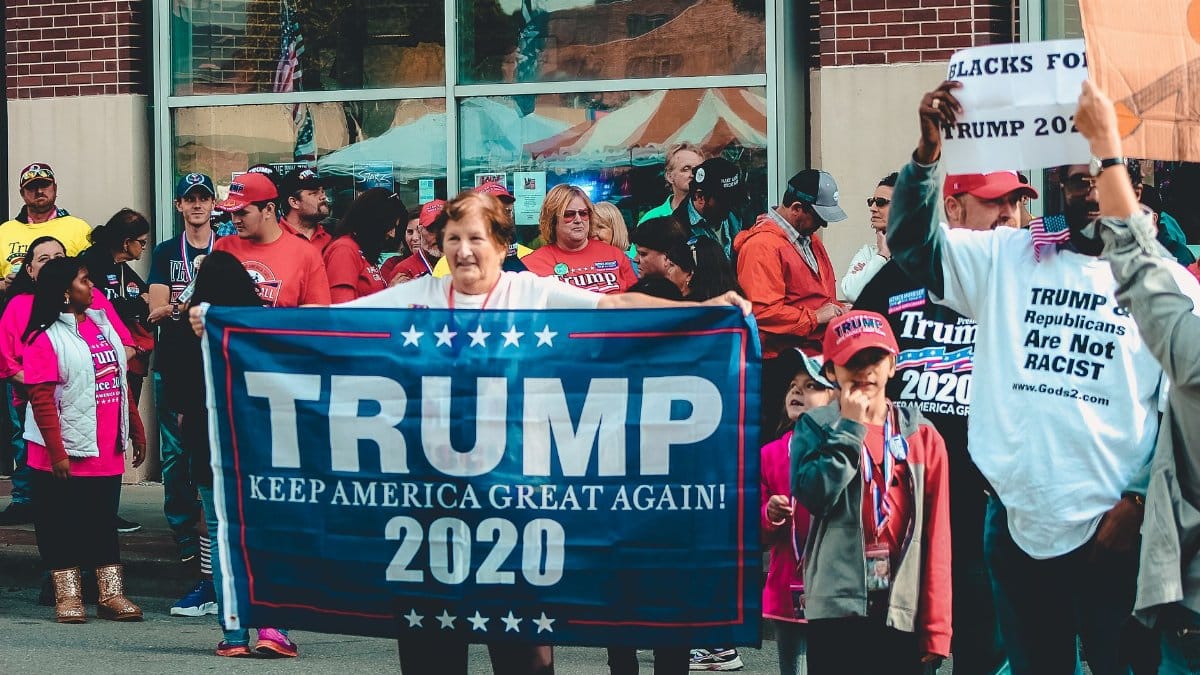
In recent election cycles the same southwestern county has delivered victories to candidates from opposing parties, highlighting its role as a testing ground for broader national trends. Observers now watch closely as preparations begin for Maricopa County 2026 and the contests that will follow.
Understanding Recent Voting Patterns
The area has shown an ability to support different candidates depending on the year and the issues at stake. Data from past cycles reveal steady turnout among suburban households alongside growing participation from newer residents who arrived during the last decade of expansion.
Demographic Changes Underway
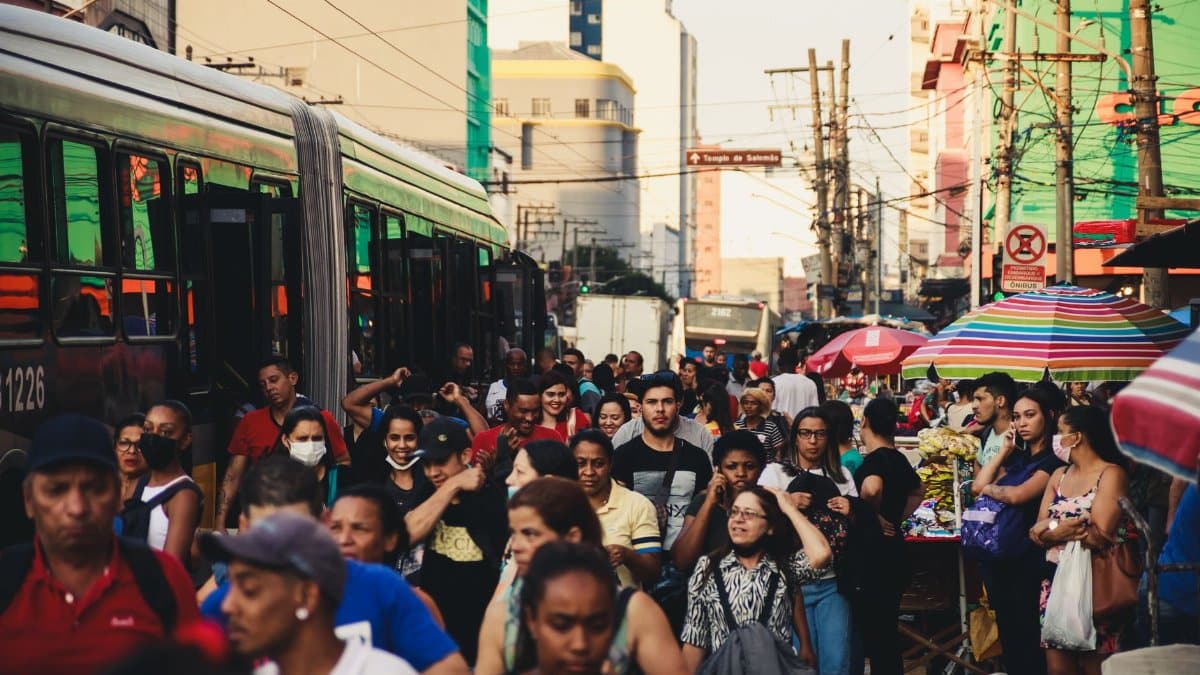
Population growth continues through migration from other states as well as natural increase. Younger families and retirees alike have altered the makeup of several legislative districts, creating opportunities for both parties to refine their outreach strategies ahead of future ballots.
Role of Local Issues in Shaping Outcomes

Water management, housing costs and transportation infrastructure rank high among concerns voiced by residents in community meetings. Candidates who address these topics with concrete proposals have tended to perform better in precincts that once leaned reliably toward one side.
Party Strategies for the Next Cycle

Democratic organizers emphasize door to door efforts in newly developed neighborhoods while Republican groups focus on retaining support in established communities. Both sides have increased spending on digital advertising that targets specific age groups and interests.
Impact of Statewide Policies

Decisions made in the state capital often filter down to affect daily life in the county. Education funding formulas and tax measures have sparked debate at town halls, influencing how voters evaluate candidates running for federal and state offices.
Media Coverage and Public Perception

Local outlets provide extensive reporting on candidate forums and ballot measures. National attention also spikes during high profile races, sometimes amplifying stories that resonate beyond the region and shape impressions held by distant audiences.
Lessons from Past Midterm Contests

Historical records show that turnout gaps between election types can decide narrow races. Groups that maintain year round presence through volunteer networks and issue advocacy appear better positioned when the next federal contests arrive.
Looking Ahead to Maricopa County 2026

With Maricopa County 2026 on the horizon, analysts expect continued investment in data tools that help parties identify likely supporters. Early fundraising reports suggest competitive races across several districts that together could influence control of the state legislature.
Community Organizations and Voter Engagement

Nonprofit groups have expanded citizenship workshops and registration drives in areas with lower historical participation. These efforts often operate across partisan lines and focus on making the process accessible to first time voters and those with limited English proficiency.
Economic Factors Influencing the Electorate
Job growth in technology, logistics and health care has attracted workers from varied backgrounds. Wage levels and cost of living remain central topics in conversations about which policies best serve families planning to stay long term.