
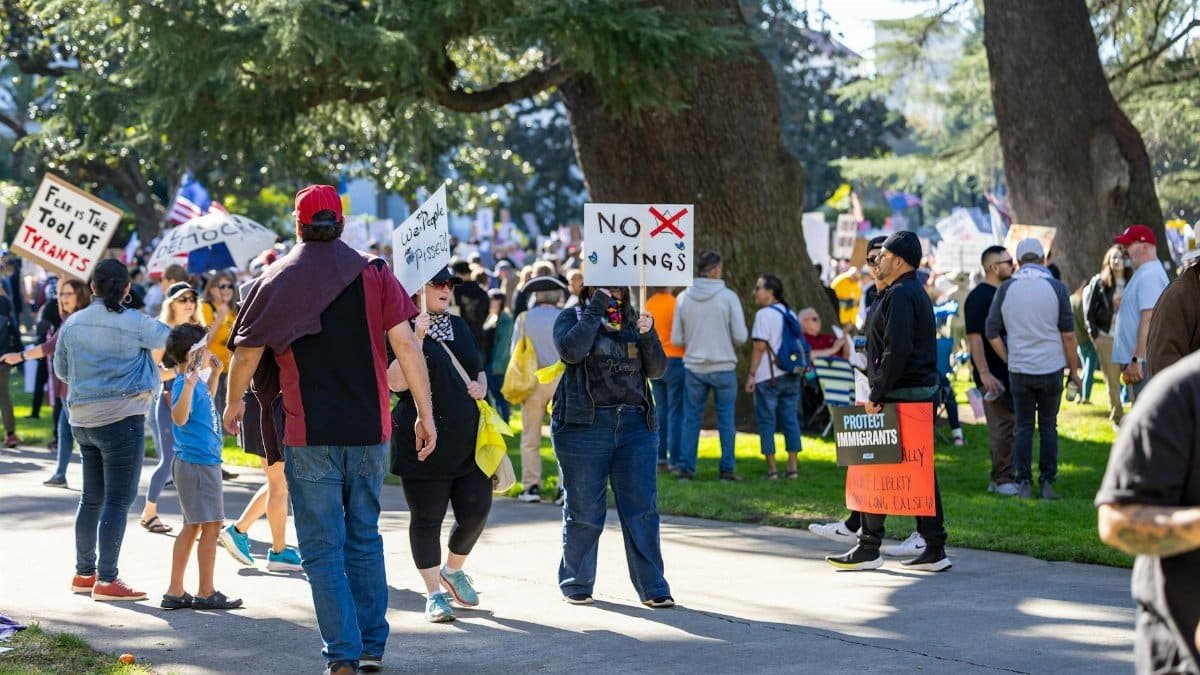
In the heart of Boston a seasoned immigration judge found his career abruptly halted by an unexpected directive from Washington. The Trump administration moved decisively after the judge prevented the deportation of a student at Tufts University whose return home could have exposed her to grave danger. This instance of the boston immigration judge fired underscores a growing friction between different branches of government over who ultimately decides the fate of those navigating the immigration system.
For readers who have followed these matters over the years the event feels both shocking and strangely predictable given the current climate. It prompts reflection on how policy choices intersect with individual lives in ways that affect entire families and neighborhoods. The decision reveals much about the state of judicial autonomy at a moment when public trust in institutions faces repeated tests.
The Ruling That Changed Everything

The dispute began with a seemingly routine hearing. The student had presented evidence of persecution risks tied to her political activities back home. After careful consideration the judge determined that she qualified for protection under existing laws. His order to halt the deportation was standard in such cases yet it evidently crossed a line in the eyes of administration officials. They viewed it as an overreach that interfered with enforcement priorities.
Critics of the firing insist that without impartial adjudicators the system loses its credibility entirely. Details emerging from court records show the judge cited specific threats including violence against young women in the region. His written opinion emphasized the need for thorough review rather than expedited removal. This measured approach now stands as the reason for his dismissal according to sources familiar with the matter.
Understanding the Judges Background

The judge had served for more than 15 years in the Boston immigration court. Appointed during a previous administration he built a reputation for meticulous attention to detail and fairness. Colleagues describe him as someone who took his role seriously always striving to balance compassion with the requirements of the law. His record shows a mix of decisions neither overly lenient nor excessively harsh.
Prior to his judicial appointment he worked as a public defender representing clients from diverse backgrounds. This experience informed his worldview giving him insight into the challenges faced by immigrants. Those who know him suggest that his commitment to due process stems from a deep respect for constitutional principles rather than any particular political leaning.
The Tufts Students Perilous Situation

The young woman at the center of this controversy arrived in the United States several years ago on a student visa. She excelled in her studies focusing on international relations with hopes of one day contributing to peace efforts in her home country. Yet conditions there deteriorated rapidly with targeted threats against individuals like her. Family members urged her to remain in Boston where she had found safety and opportunity.
Her legal team argued that returning would almost certainly result in harm. The evidence included affidavits from experts on regional conflicts. The judges favorable ruling offered temporary relief but the firing has left her case in limbo raising fears that it could be reassigned to someone more aligned with stricter enforcement goals.
Immediate Reactions from Legal Circles

News of the boston immigration judge fired spread quickly through legal networks prompting statements of concern from bar associations and advocacy groups. Many lawyers expressed worry that such actions could have a chilling effect on other judges who might hesitate to rule against the government for fear of losing their positions. One prominent attorney in Boston noted that judicial independence forms the bedrock of any fair legal process.
Organizations like the American Bar Association have called for investigations into the circumstances surrounding the termination. They argue that while the executive branch has appointment powers it should not wield them to punish specific rulings. This perspective resonates with many who remember similar tensions during earlier periods of policy shifts.
Statements from the Trump Administration

Officials defending the decision emphasize that immigration judges serve at the pleasure of the attorney general. They claim the judge in question had shown a pattern of delaying cases unnecessarily which hampered efforts to maintain order at the borders. A spokesperson released a statement indicating that the administration remains committed to upholding the law while ensuring resources focus on priority cases involving criminal records or national security threats.
Supporters of this approach point to record numbers of encounters at the southern border as justification for a firmer stance. They believe that judges must facilitate efficient processing rather than create bottlenecks through what they term activist decisions. This viewpoint contrasts sharply with those who see the firing as an attack on impartiality.
How This Affects Bostons Immigrant Neighborhoods
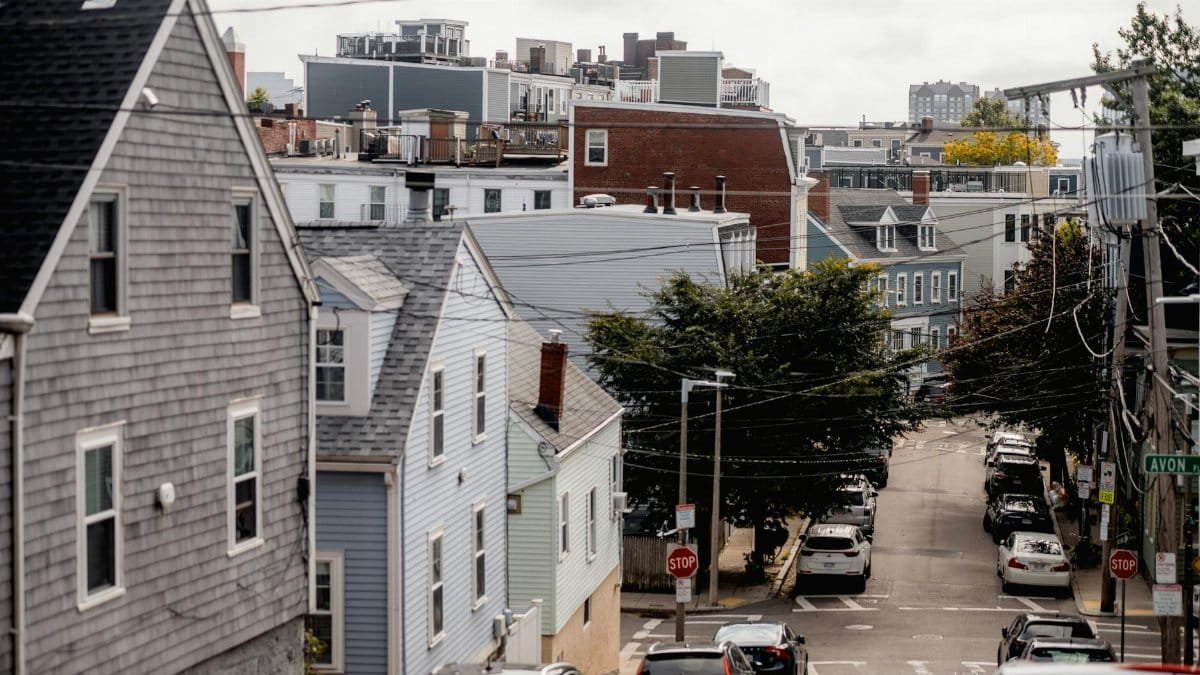
In areas like East Boston and Jamaica Plain where many immigrant families have settled the news has generated anxiety. Community leaders report increased fear among residents who worry that legal protections may prove unreliable. Local organizations have seen a surge in requests for information about rights and available resources. Churches and community centers have become gathering points for discussions about how to respond collectively.
One activist described the atmosphere as one of uncertainty where parents hesitate to send children to school and workers avoid interactions with authorities. The case has become a rallying point for those advocating comprehensive reform that considers both security and humanitarian needs.
Concerns over Judicial Independence

At its core this situation revives long standing debates about the status of immigration courts. Unlike Article III judges who enjoy lifetime appointments immigration judges operate within the executive branch under the Department of Justice. This structure has drawn criticism for years as potentially compromising neutrality. The recent firing intensifies calls to restructure these courts to enhance their autonomy.
Legal scholars point out that true justice requires decision makers free from external pressures. When rulings lead to professional repercussions it sends a message that conformity matters more than careful analysis of individual circumstances. Such dynamics could erode public trust in the entire immigration apparatus over time.
Historical Context of Similar Disputes
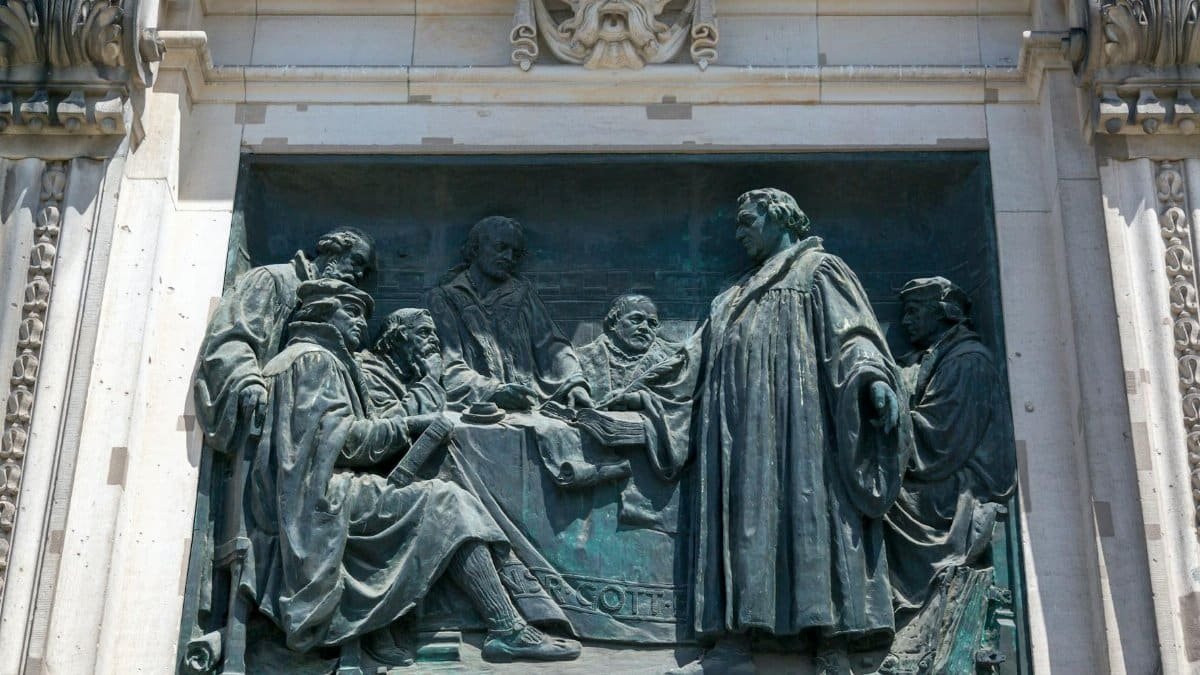
This is not the first time conflicts have arisen between administrations and immigration judges. During previous decades both Democratic and Republican led governments have clashed with the bench over policy implementation. What distinguishes the current episode is the speed and visibility of the action taken against the Boston based official. It fits into a pattern of centralized control that has characterized recent approaches to governance.
Looking back to the early 2000s one finds instances where judges faced transfer or reassignment after high profile disagreements. Yet outright dismissal remains relatively rare which is why this development has captured such widespread interest among those who track these matters.
Input from Faith Based Organizations
Religious groups across Boston have weighed in offering a moral dimension to the discussion. Leaders from Catholic parishes Protestant congregations and Jewish synagogues have issued joint letters expressing alarm. They draw upon teachings that emphasize welcoming the stranger and protecting the vulnerable. One pastor remarked that policies must reflect core values of dignity and justice if they are to align with spiritual principles held dear by many Americans.
These faith based voices add depth to what might otherwise remain a purely legal or political debate. They remind readers that immigration touches upon fundamental questions of human worth and communal responsibility. In an era where spiritual trends increasingly intersect with social issues their perspective carries significant weight for many in the audience.
A recent survey by the Pew Research Center (https://www.pewresearch.org/religion/) found that a majority of religious Americans support pathways to protection for those fleeing danger. This data suggests that the firing may not resonate with the values of broad segments of the population who integrate faith into their views on public policy.
What This Means for Asylum Seekers Nationwide

The implications extend well beyond Massachusetts. Asylum seekers in other parts of the country may now question whether their cases will receive unbiased consideration. If one judge can lose his position for a single ruling others might adjust their approaches to avoid similar fates. This could lead to more uniform outcomes that favor enforcement over individual evaluation.
Advocacy groups have documented cases where similar pressures influenced proceedings. They urge monitoring of statistics from immigration courts to detect any shifts in grant rates following this prominent example. The boston immigration judge fired thus serves as a potential harbinger of broader changes in how the system operates.
Community Efforts to Support Affected Families

In response Boston area residents have mobilized to offer assistance. Volunteer lawyers are donating time to review cases and provide representation. Nonprofits have expanded hotlines and workshops designed to inform people of their options. These grassroots initiatives reflect a determination to stand by neighbors regardless of federal policy directions.
Universities including Tufts have also stepped forward with statements of support for international students. They reaffirm their commitment to creating safe learning environments where academic pursuits can continue without the cloud of sudden deportation hanging overhead.
Pathways toward Greater Accountability

Moving forward legal experts propose several reforms. These include transitioning immigration adjudication to an independent agency separate from the Department of Justice. Such a move would mirror structures in other nations where specialized tribunals maintain greater separation from executive influence. Congress could play a role by passing legislation that establishes clearer protections for judges.
Additionally greater transparency in the appointment and review processes might help rebuild confidence. Public reporting on case outcomes and reasons for any disciplinary actions could foster accountability while preserving necessary oversight. Whether these ideas gain traction will depend on the political will present in coming years.
As this story continues to unfold it serves as a reminder of the delicate balance required in a democracy. The boston immigration judge fired represents more than an employment decision. It touches upon who we are as a nation and what we value in our pursuit of justice. For middle aged readers who have witnessed decades of change this moment invites consideration of how best to preserve institutions that protect the rights of all who live within our borders.