
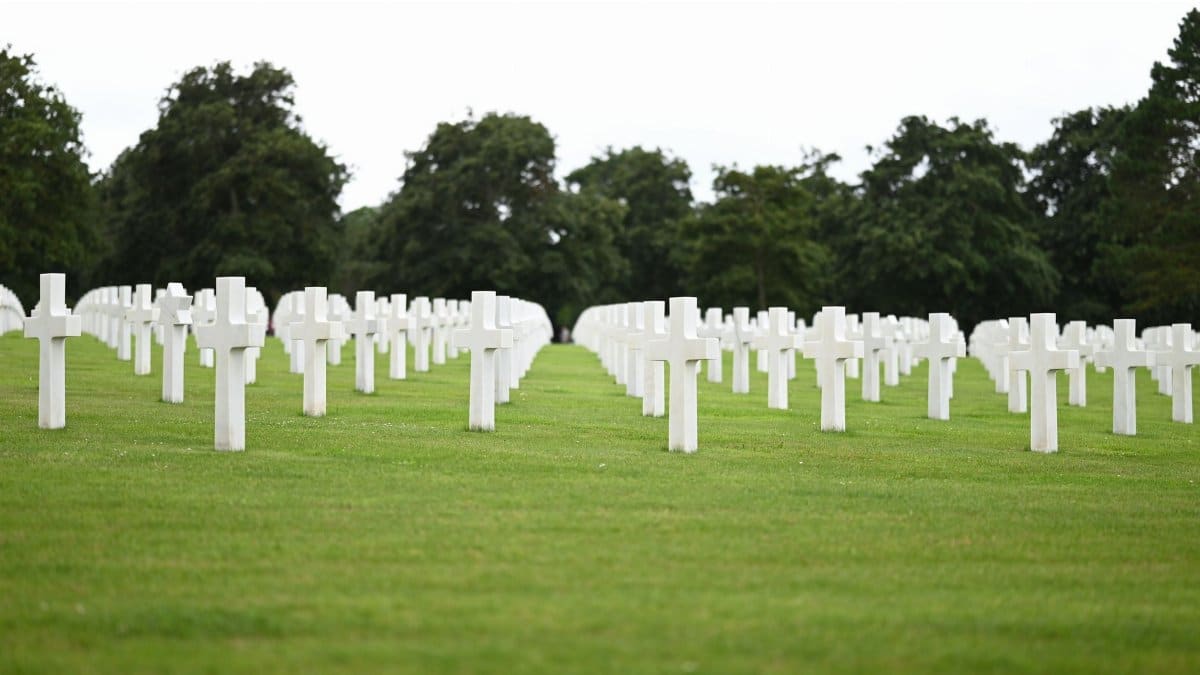
On a church lawn in Chicago Heights, rows of white crosses stand where parishioners usually cross the grass on the way to Sunday service. Each cross marks a person who died in federal immigration custody or during an encounter with Immigration and Customs Enforcement since 2020. Organizers call the display the Immigrant Crosses memorial, and they have set out 103 crosses so that passing drivers cannot fold those deaths into a distant statistic. The memorial is built to travel, carrying the same inventory from one congregation to another. In a season when immigration policy is argued in hearings and headlines, the lawn offers a slower claim. It asks neighbors to stop, read a name if a name is given, and sit with lives that ended far from the places those people called home.
A lawn turned into a field of witness
White crosses have a long place in American public mourning. They appear after storms, after wars, and after shootings, when a community needs a shape that can be seen from the road. On this lawn the shape is familiar and the setting is not a battlefield or a roadside crash site. It is a church property in a south suburban city, close enough to Chicago that commuters, parish volunteers, and people walking to the store all pass the same quiet inventory. The crosses do not explain a legal case. They mark an absence. That simplicity is the point. A cross is small enough to plant by hand and large enough to interrupt a routine glance out a car window.
People who stop often do what mourners do everywhere. They lower their voices. They look for a name they might recognize. They ask who decided that this ground, rather than a government plaza, should hold the count. The answer, in the practice of this display, is pastoral as much as political. A congregation offered its lawn. Organizers accepted. The result is a public memorial that still belongs, for a time, to a worshiping community.
One hundred and three markers since 2020

The number on the lawn is specific: 103 crosses for people who died in immigration custody or in encounters with federal immigration officers since 2020. Specificity matters. A round number can sound like a slogan. A counted number sounds like someone kept a list, checked it, and refused to round it down for comfort. Visitors do not need a briefing packet to grasp the scale. One hundred and three is large enough to fill a lawn and small enough that a person can imagine walking the rows without losing the sense that each marker stands for one life.
Deaths in custody are not a single kind of event. Some follow illness. Some follow suicide. Some follow use of force or a medical emergency that advocates later say was poorly handled. Federal agencies and independent observers often disagree about cause, responsibility, and what the public record should contain. The memorial does not settle those disputes. It insists that disagreement is not the same thing as disappearance. A person can argue about policy and still grant that a death inside a system of confinement is a public fact, not a private inconvenience.
Why these crosses are made to travel
A fixed monument asks a city to live beside grief every day. A traveling memorial asks many cities to live beside it for a while. The Immigrant Crosses memorial belongs to the second tradition. It can be taken down, loaded, and raised again outside another church. That mobility is practical and theological. Practically, no single congregation has to bear the cost, the weather, or the attention forever. Theologically, the movement says that the deaths are not the private sorrow of one zip code. People die in facilities and encounters that most Americans never see. The crosses bring a visible trace of those places into ordinary neighborhoods.
Travel also protects the display from becoming scenery. A lawn memorial that stays for years can fade into the background, the way a faded ribbon on a fence eventually stops catching the eye. A memorial that arrives, stays through a season of prayer and conversation, and then leaves creates a before and an after. Neighbors remember the week the crosses were there. That memory is part of the work.
A church as host rather than a courthouse
Chicago Heights is not a detention center, and a parish lawn is not a hearing room. That distance is useful. People who would never attend a protest at a federal building may still walk a church path on a weekday afternoon. Faith communities have long offered ground for grief that the state does not stage. Funerals, vigils, and memorial gardens sit beside sacraments and food pantries. Hosting crosses does not require a congregation to agree on every immigration bill. It requires a willingness to let mourning occupy space that is usually reserved for weddings, festivals, and the quiet business of keeping a building open.
Local reporting, including coverage from WTTW, has described the traveling crosses as an act of honor for people who died in federal immigration custody and in ICE encounters. Honor is a careful word. It does not claim that every death had the same cause. It claims that the dead are owed a public name and a public pause. Churches are practiced at pauses. They already know how to hold silence without filling it with a speech.
Names, anonymity, and the limits of what a cross can say
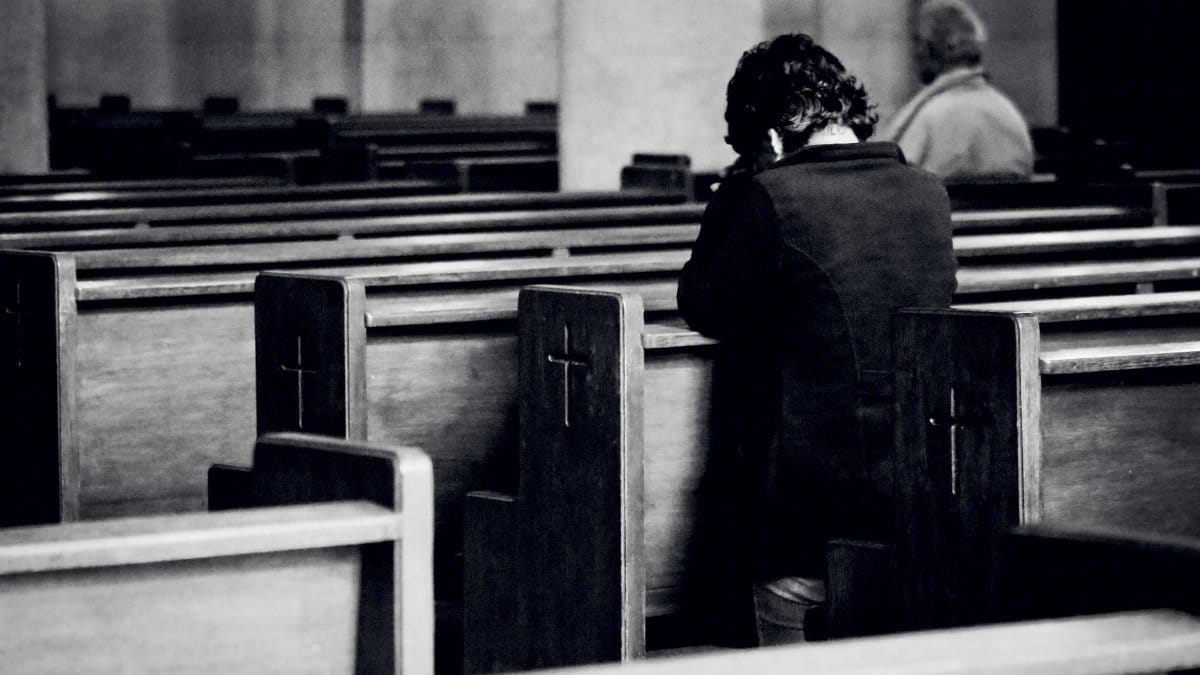
A cross can carry a name, an age, a date, or only a blank that stands for a person whose identity never fully entered the public record. Each choice teaches something. A name restores a particular life: a mother, a worker, a patient, a young adult who crossed a border and never reached the relative waiting on the other side. A blank is harder to look at. It admits that record keeping failed, or that fear kept a family from speaking, or that the dead person was known to almost no one in the country where the death occurred.
Readers should be wary of anyone who treats the list as a closed moral verdict. Memorials are not autopsies. They are not indictments written in wood. They are also not decorations. The honest use of the Immigrant Crosses memorial is to keep the count visible while investigations, lawsuits, and family accounts continue on their own timelines. Visibility is not the same thing as proof. It is the condition that makes proof matter to people who do not work in the system.
Grief that will not stay inside the sanctuary
Many congregations prefer their hardest conversations indoors, where a sermon can frame them and a coffee hour can soften them. A lawn display refuses that shelter. Rain reaches it. So do critics. A driver who objects to the message can see the crosses without entering a pew. That exposure is a risk the hosts accept. It is also a form of hospitality turned outward. The stranger in this scene is not only the person who died in custody. The stranger is the passerby who did not ask to be addressed and is addressed anyway.
Spiritual practice has always included this outward turn. Processions leave the building. Ashes are carried into the street at the start of Lent. Candles move from an altar to a sidewalk after a violent night. The traveling crosses sit in that lineage. They use a Christian sign in a country where that sign is widely recognized, even by people who do not share the creed. Recognition is not consent. It is a common language for death.
What custody asks of people who never enter a facility
Most Americans will never tour an immigration detention center. They will not see a medical unit, a solitary cell, or the paperwork that follows a death. Distance makes abstraction easy. It also makes responsibility feel optional. The crosses shorten the distance without pretending to replace oversight. Congress, inspectors, journalists, and attorneys still have work that a lawn cannot do. What a lawn can do is deny the comfort of ignorance. Once a person has stood among 103 markers, the phrase died in custody is harder to skim.
That denial of comfort cuts across party habits. People who want stricter enforcement and people who want wider welcome can both prefer not to look at deaths that complicate their preferred story. A memorial that honors the dead without offering a legislative slogan makes that preference visible. It does not tell a voter how to vote. It tells a neighbor that a system operating in the public name has produced a roll of the dead, and that the roll is long enough to plant in rows.
Prayer standing next to argument
Faith and immigration meet awkwardly in American life because each side suspects the other of using sacred language as cover. Organizers of a cross memorial will be accused of politics dressed as piety. Defenders of enforcement agencies will be accused of cruelty dressed as law. Both accusations can contain a partial truth, and neither erases the bodies. A serious spiritual response starts with lament, which is older than any current administration. Lament says that a death is not made acceptable by a policy goal. It also refuses the easier piety that skips facts and jumps to consolation.
Prayer beside these crosses, if it happens, is therefore a disciplined act. It can name the dead. It can ask mercy for families who may be afraid to claim a body or to speak to reporters. It can ask wisdom for officers, nurses, judges, and lawmakers whose decisions touch confined people. It should not pretend that a candle resolves a medical failure or a use of force. The best congregational hosts know the difference between blessing a grief and blessing a system.
How a suburb reads a white cross
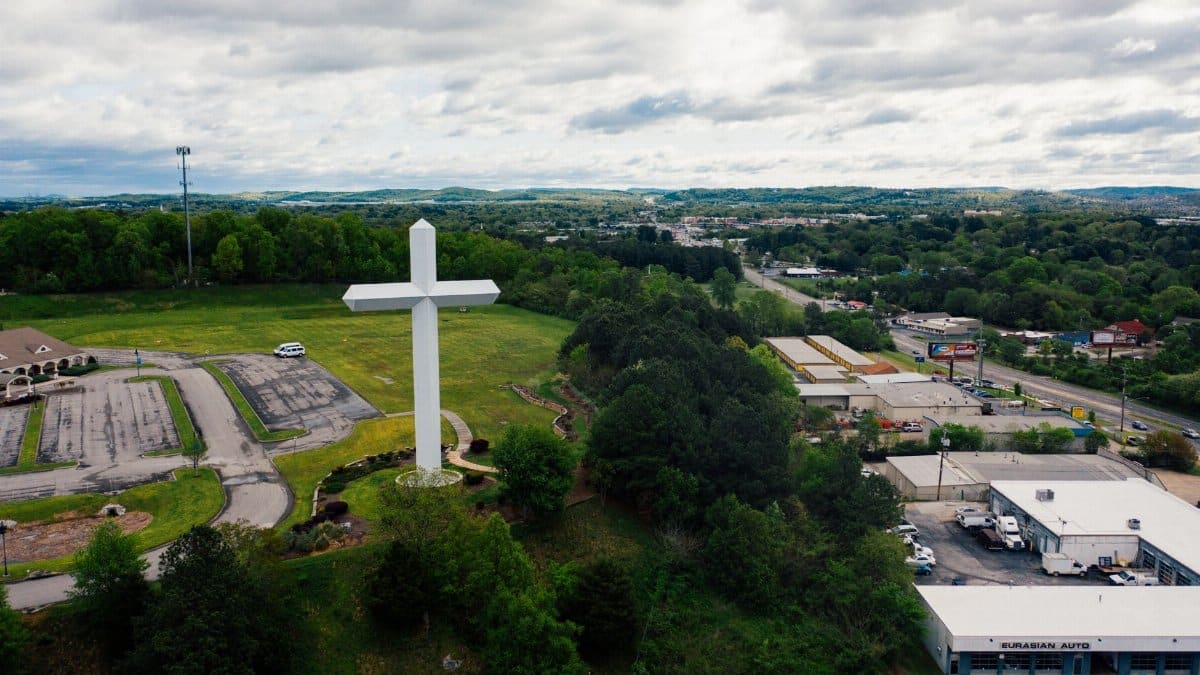
Chicago Heights has its own history of work, worship, migration, and strain. A display planted there is not a message aimed only at Washington. It lands among people who already argue about jobs, schools, language, and who belongs on a block. Some will see the crosses as an accusation aimed at them. Others will see an invitation to remember relatives who also moved, legally or not, and who were lucky enough to live. Still others will feel little connection and resent the use of church ground for a national fight.
Journalistic honesty requires room for all three reactions. A memorial does not become illegitimate because some neighbors dislike it. Nor does dislike prove bad faith. Public symbols work by friction. The question for a congregation is whether it can host that friction without humiliating guests or hiding the names. The question for a city is whether it can tolerate a temporary field of grief on private religious land without treating mourning itself as a disturbance.
The biblical echo without the slogan
Scripture used in immigration debates is often reduced to a single verse waved like a flag. The lawn suggests a thicker reading. The tradition that sets out these crosses also tells stories of people who die in strange lands, of families who travel to recover a body, of communities commanded to remember the stranger because they were strangers once. Those stories do not write a statute. They do form a conscience. A conscience can support different policies and still refuse indifference.
There is also the cross itself, which in Christian worship is not a generic grave marker. It is a claim that suffering is seen and that death is not the last word a community is allowed to speak. Visitors who do not share that claim can still understand the human move: mark the place, say the name, do not hurry. The Immigrant Crosses memorial borrows a sacred object for a civic count. That borrowing should be done with humility. Sacred objects lose force when they are used only as campaign props. They gain force when they are allowed to accuse everyone present, including the people who planted them, of having looked away for too long.
After the crosses are loaded and gone
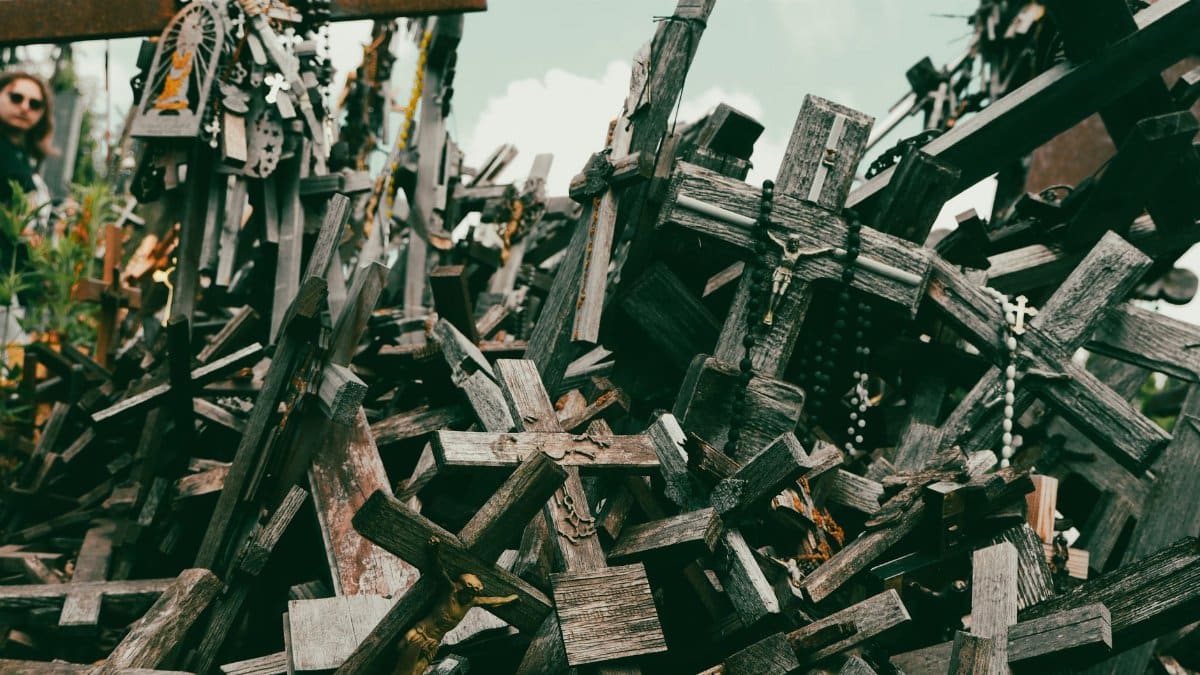
When the display leaves Chicago Heights, the grass will recover and the Sunday path will look ordinary again. That recovery is not the same as forgetting, unless the hosts allow it to be. Traveling memorials depend on what remains: a list kept accurately, a vigil that mentioned real names, a conversation in which someone asked a harder question than before. Congregations that have hosted the crosses can keep a book, a prayer, or a relationship with families if families want one. They can also support the unglamorous work of records, medical care, and oversight that reduces the chance that the next lawn will need more wood.
None of that work is completed by a symbol. Symbols expire if they are not joined to attention. The value of this one is that it is hard to ignore while it stands and hard to honestly dismiss after it has stood. One hundred and three is not a mood. It is a count, gathered since 2020, set in public on church ground, and carried from place to place so that more than one community has to see it.
A standard for remembering without possession
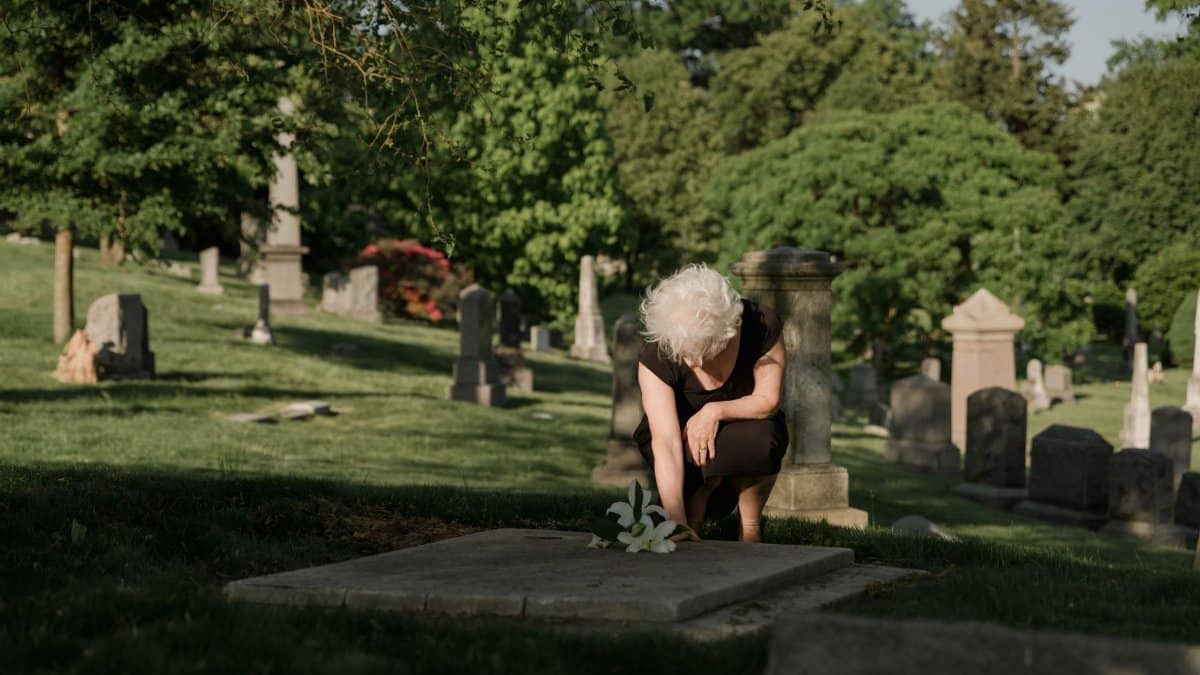
The dead do not belong to the organizers, the church, or the agencies that held them. Remembering them well means refusing to possess their stories for a single cause. It means getting the number right, correcting it when new deaths or new facts appear, and resisting the temptation to turn a lawn into a stage for speakers who never mention a name. It also means allowing families, when they can be found and when they consent, to decide how public a grief should be.
In that light the traveling crosses are a provisional altar and a provisional news report. They say: these people died, the public should know, and a house of worship is willing to lend its ground until the next house is ready. That is a modest claim. Modesty suits a memorial. The Immigrant Crosses memorial will not close the argument over immigration enforcement. It can keep the argument from proceeding as if no one had died inside it. For a church lawn in Chicago Heights, and for every lawn that receives the crosses next, that may be enough work for one season of witness.