

On a gray morning along the Benjamin Franklin Parkway, the bronze doors of a beloved museum stayed shut while lawyers elsewhere argued over what a scientific marriage is worth when it ends. For more than a decade the Academy of Natural Sciences and Drexel University have shared a name, a payroll logic, and a public promise. Now Drexel has put a number on the exit.
A settlement offer with museum doors still locked
Drexel has proposed paying 7 million dollars in cash and providing 8.9 million dollars in services to unwind the affiliation that began in 2011. The figures are precise enough to sound like a closing statement. They are not a plan to turn the lights back on. The offer, as described in public reporting, does not reopen the closed museum. That distinction matters more to Philadelphia families than any line in a term sheet. A settlement can move money. It cannot, by itself, restore a Saturday afternoon among dinosaurs and drawers of birds.
University administrators tend to speak of affiliations as structures. Visitors speak of them as places. The gap between those languages is where this dispute now lives. I have stood in that gap before, watching a civic institution become a budget line, and the feeling is always the same: the building remains, the habit of going there does not.
What the cash and the services are meant to cover

Seven million dollars is a round sum with an unround history behind it. The additional 8.9 million dollars in services suggests that Drexel does not imagine a clean break so much as a tapered one. Services can mean information technology, facilities help, human resources, security, or the less visible labor that keeps a research museum from stalling. They can also mean obligations that look generous on paper and thin in practice once staff try to schedule them.
Cash is easier to audit. Services require trust, calendars, and a shared definition of done. In a separation, that second category often becomes the argument that outlasts the signing. If the academy must stand on its own, every hour of borrowed expertise is both a bridge and a reminder of dependence. Philadelphia has seen cultural organizations learn this lesson the hard way, when transition support expired before new revenue arrived.
Why reopening is not part of the proposal
A closed museum is not a paused museum. Specimens still need climate control. Exhibits still need conservation. Staff knowledge still walks out the door when paychecks stop. Yet the proposal on the table treats public access as a separate question from corporate divorce. That may be legally tidy. It is culturally stark.
Parents who once treated the halls as a rainy day classroom now have a shorter list of places where a child can meet a real fossil rather than a screen. Teachers who built field trips around the collections have rewritten lesson plans. The longer the doors stay shut, the more the habit of visiting migrates elsewhere, to other cities or to nowhere at all. Money for separation does not automatically become money for admission desks, gallery lighting, and the patient work of welcoming strangers back.
How the 2011 affiliation reshaped both institutions
When Drexel and the academy joined forces in 2011, the logic was familiar in American higher education. A university gained a historic research collection and a public face on the parkway. The museum gained a larger institutional parent at a moment when standalone science museums were struggling to fund conservation, digitization, and salaries that could compete with universities.
Affiliations of this kind promise efficiency. They also blur identity. Faculty appointments, donor restrictions, and the care of type specimens do not map neatly onto a standard university org chart. Over time, what began as partnership can feel, to people inside the museum, like absorption. To people inside the university, it can feel like an expensive cousin who never quite fits the semester calendar. Both feelings can be true at once. Neither feeling, by itself, tells a city whether the science is safer together or apart.
Collections that do not belong to a fiscal year

The Academy of Natural Sciences holds material that predates both the current university administration and most of the neighborhoods around it. Shells, plants, insects, minerals, and archival notes are not inventory in the retail sense. They are evidence. A mislabeled drawer can erase a century of careful observation. A budget freeze can do the same thing more quietly, by delaying the work of cataloguing until memory fades.
Any separation has to answer a question that accountants dislike: who is responsible for objects that outlast contracts? Ownership, stewardship, and access are not the same word. A university can transfer title and still leave the scientific community without a practical way to study what was transferred. Researchers measure a settlement by whether loans, visits, and data remain possible after the lawyers leave. The public measures it by whether the story those objects tell is still told in Philadelphia.
Students who learned science beside the specimens
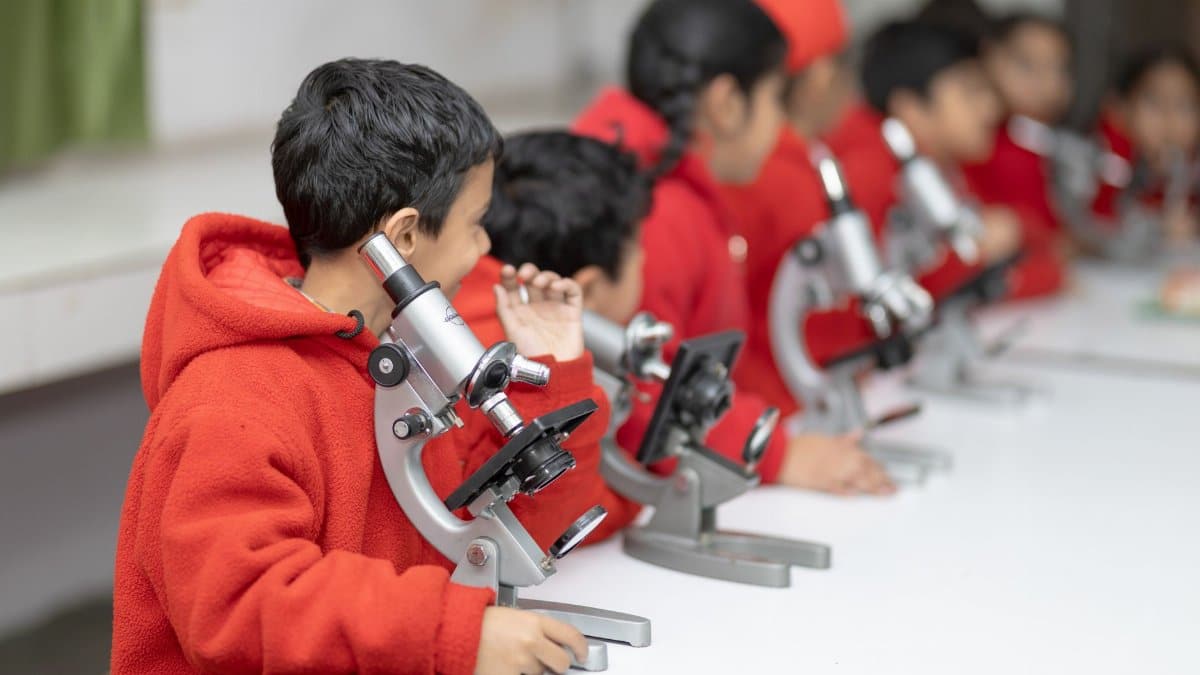
For Drexel students, the affiliation was never only a logo on a brochure. Courses, internships, and research projects used the collections as a laboratory that no new building could fully imitate. A beetle pinned in 1890 teaches something a simulation cannot: the fact of time, the fact of a hand that once held a pin. When that contact thins, education thins with it.
Graduate students in particular live in the seams between institutions. Their funding, advisors, and specimen access can sit on different sides of a divorce. A proposal that prices services in the millions should also say, in plain language, what happens to a student whose thesis depends on a cabinet that may soon answer to a different employer. Universities are good at describing strategic realignment. They are less good at describing the Tuesday morning when a key card stops working.
Donors, trusts, and promises made in another era
Museums run on gifts that came with conditions. A family endows a curatorship. A foundation pays to digitize a bird collection. A bequest assumes the institution named in the will will still exist in recognizable form. Separation talks force those old sentences back into the present tense.
If restricted funds were raised for the academy as a public museum, using them to finance an administrative exit would invite scrutiny from donors and, potentially, from state charity officials. If the funds stay locked to their original purpose, the 7 million dollars may look larger than the flexible cash actually available for transition. This is the unglamorous core of cultural finance. The headline number is rarely the spendable number. People who love an institution learn that distinction only when a crisis makes the footnotes matter.
A city that treats the parkway as shared ground
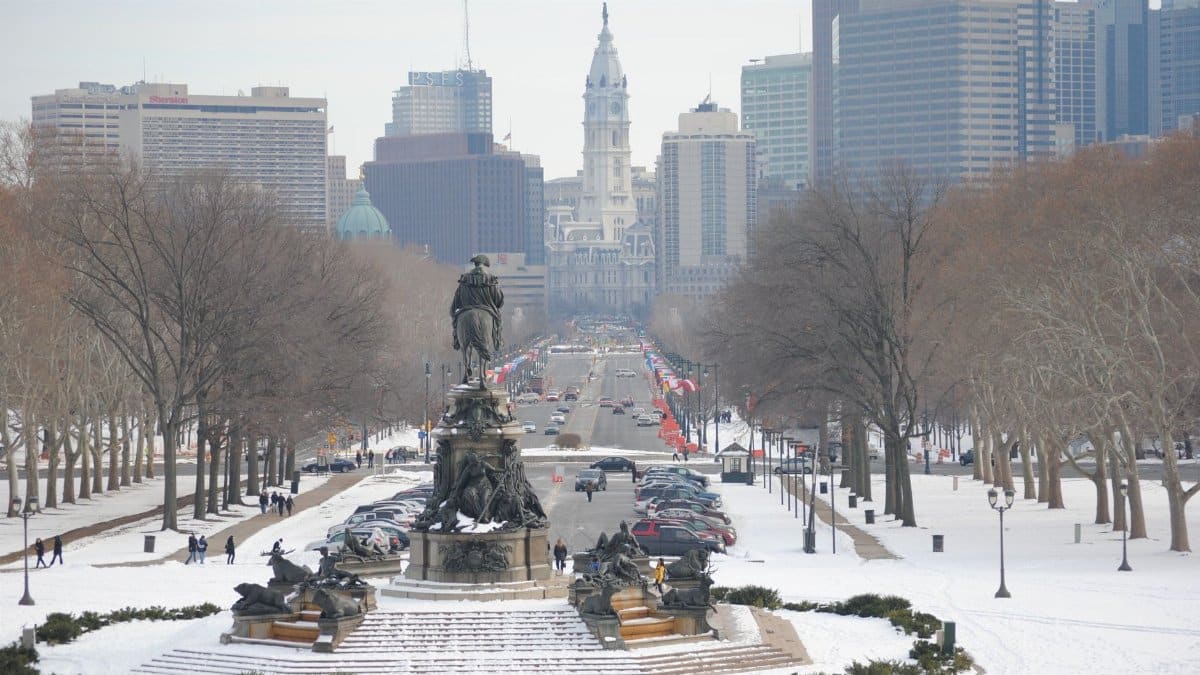
Philadelphia does not experience this as an internal Drexel matter. The parkway is a civic stage. The academy sits among institutions that define how the city introduces itself to visitors and to its own children. When one of those institutions goes dark, the loss is not confined to members or alumni. It changes the texture of a neighborhood and the calendar of school groups.
City leaders rarely have a formal vote in a private university settlement. They do have a public interest in whether scientific heritage remains accessible, whether jobs return, and whether a landmark becomes a storage building with a famous facade. Silence from civic offices can look like deference. It can also look like abandonment. Residents are entitled to ask which one they are watching.
The metaphor of divorce and its limits

Calling the proposal a divorce settlement is useful and incomplete. Marriages end with people who must still raise children, divide property, and decide who keeps the house. Institutional splits have a similar emotional weather and a colder set of tools. There is no family court for a museum. There is a board, a president, a set of bylaws, and a public that cannot cross examine either side.
The metaphor also risks softening what is at stake. A couple can choose privacy. A research museum with a closed front door cannot. The Academy of Natural Sciences became a public fact long before it became a university affiliate. Any language that treats the split as merely domestic misses the audience standing outside.
What faculty and curators are likely to weigh
Scientists inside both institutions will read the offer for operational clues. Will curatorial salaries be protected through the transition? Who maintains freezers, compactor shelving, and the digital records that now accompany almost every specimen? Can joint grants continue, or must principal investigators rebuild collaborations under new legal names?
These are not peripheral details. Natural science is a chain of custody. Break one link and a future researcher inherits doubt along with data. A service agreement can keep that chain intact if it is specific, funded, and enforceable. A vague promise of support through a separation year will not survive the first missed invoice. People who have lived through other university realignments know to ask for names, durations, and remedies, not for assurances.
The public case for staying apart or staying bound
There is an honest argument for separation. A museum with its own board can chase donors who want a cultural institution rather than a tuition driven university. It can set hours, exhibitions, and research priorities without waiting for a provost. Independence, if real, is a form of clarity.
There is an equally honest argument for remaining bound. Scale helps with compliance, cybersecurity, benefits, and the sheer cost of caring for millions of objects. Drexel brings students who can become the next generation of users. Cutting that tie to save a relationship that has soured may trade one problem for a lonelier one. The proposal implies that Drexel has chosen the first path and priced the departure. It does not yet show that the academy can thrive on the far side of that price.
What the offer leaves unsaid

Missing from the headline figures is a timetable for public access. Missing, too, is a plain account of staffing. A museum can be legally separate and still unable to open if it lacks educators, guards, visitor services, and curators in numbers that match the building. Services worth 8.9 million dollars might cover some of that gap. They might cover back office functions while the galleries stay quiet. The difference is the difference between a research archive and a civic museum.
Also unsaid is how dispute resolution would work after the papers are signed. Separations fail in the months when memory of the negotiation fades and a boiler fails or a grant report comes due. Without a durable mechanism for conflict, the settlement becomes the start of a second argument conducted by email.
A test of whether science remains a public habit

The Academy of Natural Sciences has long functioned as a place where curiosity did not require a university ID. That role is easy to romanticize and hard to replace. Libraries, schools, and parks can carry some of the weight. They cannot display the particular evidence stored in those collections, nor the particular story of American natural history that grew up beside the Schuylkill.
Drexel’s proposal deserves to be read as a financial document and as a cultural one. The cash and the services may be enough to end an affiliation cleanly. They are not, on the facts now public, a promise that the museum will reopen. Until that promise exists in dates, staffing, and open doors, Philadelphia is watching a divorce in which the children, meaning the public, have not yet been told when they can come home.