
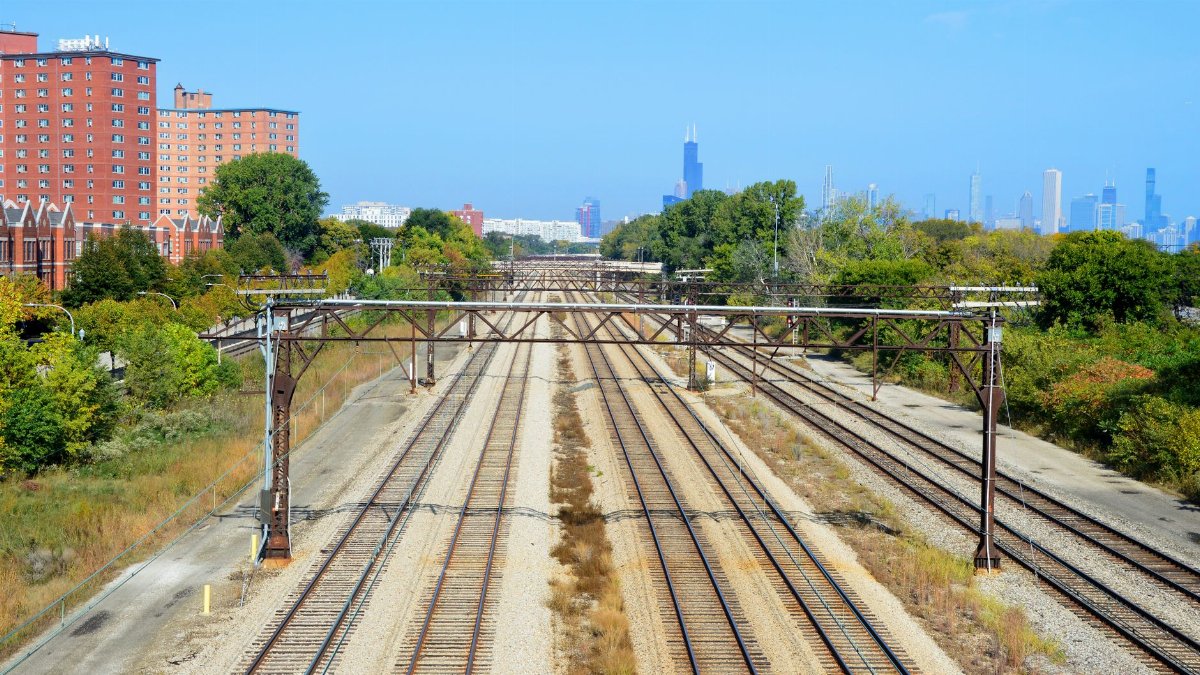
In the heart of Chicago during a tense summer workers found their daily commutes disrupted when service on streetcars and elevated lines stopped entirely. This shutdown stemmed from widespread discontent among railroad employees facing reduced pay and harsh working conditions. The Great Railroad Strike emerged as a response that echoed through the city and beyond reflecting broader tensions in industrial America. Observers noted how quickly the action spread affecting not only transportation but also the rhythm of urban life for residents reliant on these lines for work and errands. It highlighted the power of collective action in an era when economic pressures mounted for many families.
Roots of Worker Discontent
Railroad companies had expanded rapidly yet employee compensation lagged behind rising costs of living. Many laborers endured long shifts without adequate rest leading to fatigue and accidents on the tracks. Communities watched as families struggled to make ends meet prompting discussions in local gatherings about fairness and survival.
Spread Across Urban Networks

What began with a few crews refusing to operate trains soon involved operators of streetcars and elevated routes in Chicago. Service ground to a standstill stranding passengers and halting deliveries of goods essential to markets and homes. The disruption forced people to walk or seek alternative means creating a visible change in city movement patterns.
Public Response in Neighborhoods
Residents expressed mixed feelings as the strike continued with some supporting the workers cause while others worried about lost wages from missed workdays. Meetings in parks and halls drew crowds eager to understand the stakes involved. Voices from different backgrounds joined the conversation emphasizing shared economic challenges.
Role of Local Authorities
City officials monitored the situation closely dispatching police to key stations and rail yards to maintain order. Reports described tense standoffs where strikers held their ground without resorting to violence. This approach helped prevent escalation while allowing the protest to continue its course.
Impact on Daily Commerce
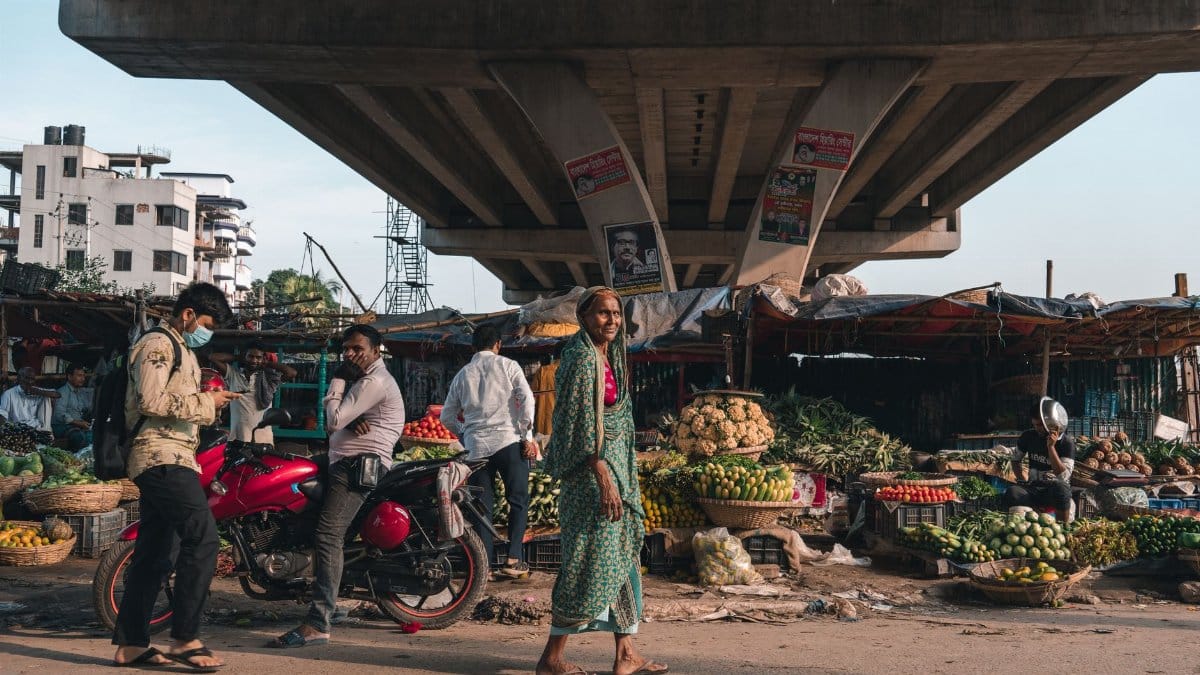
Businesses dependent on timely shipments faced delays that rippled through supply chains affecting everything from fresh produce to manufactured items. Shop owners adjusted hours and inventories as customers adapted to the new reality. The pause revealed how interconnected transportation was with everyday economic activity.
Voices from the Railroad Yards
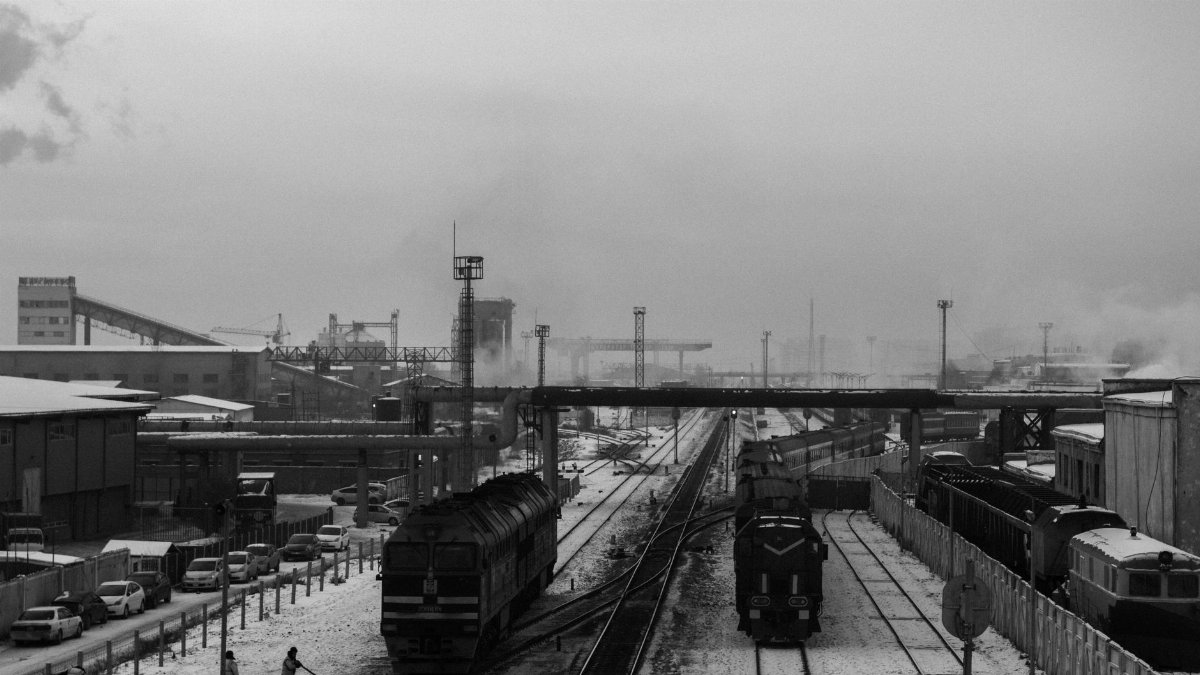
Employees shared accounts of prior grievances including inconsistent schedules and lack of safety measures. These personal stories circulated through word of mouth building solidarity among different groups of workers. Such narratives underscored the human element behind the larger event.
Broader National Echoes

Similar actions unfolded in other cities showing how Chicago fit into a pattern of labor unrest during that period. Newspapers carried updates that informed readers far from the scene about developments and outcomes. The connections between regions grew clearer through shared experiences of economic strain.
Aftermath and Adjustments
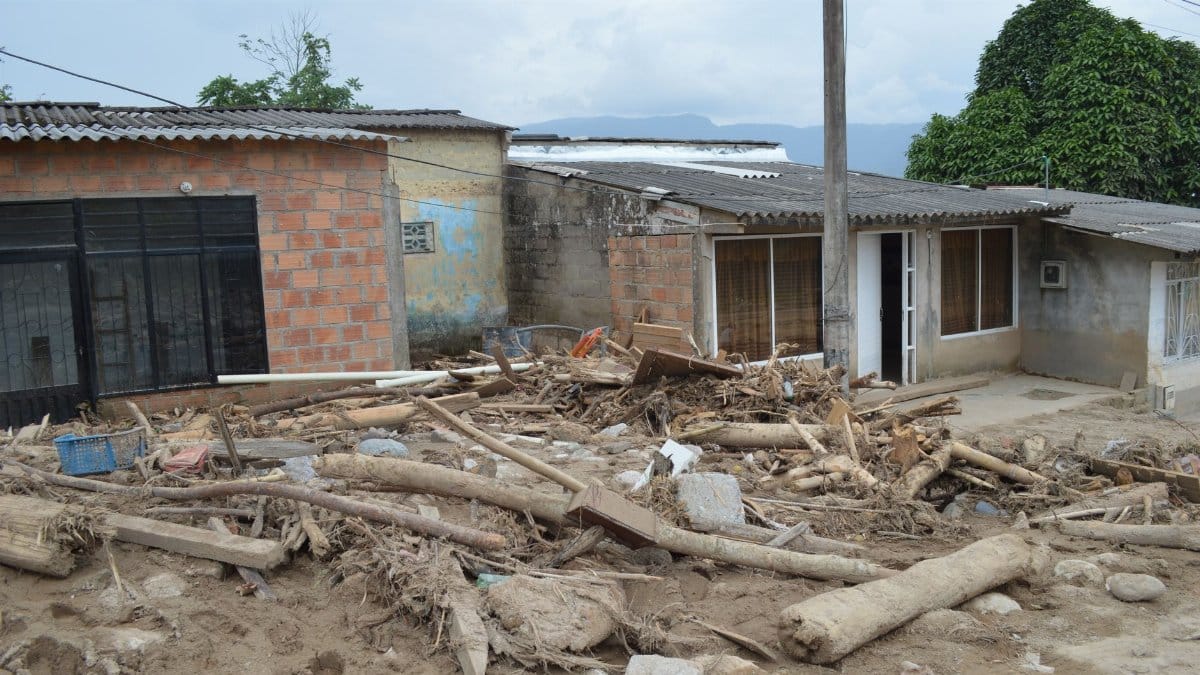
Once service resumed companies made limited concessions on pay scales though full resolutions took time. Workers returned to their roles with a renewed sense of their collective influence. The episode left a mark on how future negotiations between labor and management would unfold.
Legacy in City Records

Archives preserve details of the halt in streetcar and elevated operations serving as reminders of that pivotal time. Historians examine these events to trace the evolution of labor practices in growing metropolises. The Great Railroad Strike remains a reference point for understanding resilience amid industrial change.
Reflections on Collective Strength

The episode illustrated how coordinated efforts could draw attention to systemic issues without immediate resolution. Communities learned from the experience fostering ongoing dialogues about equity in workplaces. This aspect continues to inform perspectives on organized responses to economic pressures.