

On a winter afternoon when the lake wind cuts across LaSalle Street, the numbers on a city balance sheet can feel as cold as the pavement. Chicago carries roughly $55 billion in obligations, and the largest share of that burden is Chicago pension debt, a shortfall that has outlasted mayors, bond deals, and more than one promise that the next budget would finally set things right. Residents do not see the liability on a property tax bill as a single line. They feel it in slower street repairs, tighter school budgets, and the quiet fear that a retirement check earned over decades may depend on politics as much as on arithmetic.
A promise the city still has not funded

Public pensions are not gifts. They are deferred pay, written into contracts and, in Illinois, shielded by a constitutional clause that treats earned benefits as a binding obligation. Police officers, firefighters, laborers, and municipal workers accepted lower cash wages in exchange for a defined benefit later. When the city and the state failed to set aside what the actuaries required, the promise did not shrink. The unpaid portion compounded.
That is the plain meaning of Chicago pension debt. It is not a slogan invented by bond traders. It is the gap between what retirees have already earned and the assets sitting in the four city funds. Fill that gap too slowly and each year of delay adds interest the way a neglected roof adds water damage. Close it too abruptly and households absorb the shock through taxes and fees.
How a holiday became a habit

The first sin was a decision to spend tomorrow’s contribution today. Under Mayor Richard M. Daley, Chicago took what critics still call a pension holiday, a stretch in which required payments into the funds were reduced or postponed so that operating budgets could look manageable. The politics were easy to understand. A holiday does not close a firehouse. It does not raise a levy in an election year. It simply moves a bill into a drawer.
The drawer did not stay closed. Pension liabilities grow whether or not City Hall writes the check. Miss a contribution and the fund must earn more, or future taxpayers must pay more, or both. A few years of relief became a structural hole. Later administrations inherited not only the original shortfall but the lost investment earnings on money that was never deposited. That is how a temporary convenience hardens into a civic fact.
A 2011 statute that could not carry its own weight

The second sin arrived dressed as reform. In 2011 lawmakers approved changes to Chicago benefit rules that were sold as a path back to solvency. The statute altered terms for newer workers and leaned on assumptions about savings that later proved fragile. Courts, reading the state constitution’s pension clause, have repeatedly limited how far Illinois and its cities may cut benefits already earned. A law that counts those cuts as certain revenue is not a funding plan. It is a hope.
Hope is a poor actuarial method. When expected savings fail to appear, the official schedule still shows a rising path toward full funding, but the cash does not match the chart. Workers hired under the new tier face leaner benefits, which raises a fairness question of its own, while the legacy shortfall remains. Chicago pension debt persisted because the statute tried to legislate a result the math and the courts would not deliver on the timetable politicians preferred.
Borrowing that hid the hole instead of filling it

The third sin was financial engineering. Rather than raise recurring revenue to match recurring promises, the city leaned on the bond market. Refinancings pushed principal into later years. Short term maneuvers kept annual budgets formally balanced while the underlying obligations grew. None of this was secret. Rating agencies, civic watchdogs, and the funds’ own reports described the pattern in plain language. What the deals purchased was time, and time in a compound interest problem is expensive.
Add the pension shortfall to general obligation bonds, revenue debt, and other long dated commitments and the civic total reaches that $55 billion neighborhood, and it is still counting. The phrase matters. Debt of this kind does not sit still. Every year of partial payment is a year in which the unfunded portion accrues its own cost. A family that pays only the minimum on a card understands the sensation. A city feels it across an entire tax base.
Four funds, one civic bill

Chicago does not have a single pension plan. It has separate systems for municipal employees, laborers, police, and fire. Each has its own board, asset mix, and demographic profile. Police and fire obligations are especially heavy because those careers often end earlier and because disability and survivor benefits are part of the bargain for dangerous work. Treating the four funds as unrelated stories misses the point. Taxpayers meet them as one bill.
Asset returns can flatter a single year and then disappoint the next. A strong market does not erase a contribution holiday taken decades ago. Nor does a weak market excuse a statute that booked savings it could not legally or mathematically secure. The honest report is the one that shows contributions, benefit payments, investment results, and the remaining unfunded liability side by side, without a victory lap for a good quarter.
What households actually notice
Most Chicagoans will never read an actuarial valuation. They notice the property tax levy, the charges on a water bill, the wait for a permit, the argument over whether a library branch keeps Saturday hours. Pension costs now claim a large share of what the city can raise. When that share rises, everything else negotiates for what remains. That is not an attack on retirees. It is a description of a budget constraint.
There is a second notice, quieter and more personal. A teacher, a clerk, a paramedic who did the job for thirty years is not an abstraction. If the political system treats their annuity as the adjustable item every time revenue disappoints, trust erodes in both directions. Younger workers discount the promise. Older residents wonder whether the check will clear. A city that cannot keep faith with either group has a legitimacy problem as well as a fiscal one.
The view from the rating agencies

Bond investors do not moralize, but they price risk. Chicago has spent years in a conversation with rating agencies about whether its tax base, its political will, and its legal constraints can support the debt it has already issued and the pensions it has already promised. Downgrades raise the cost of the next borrowing, which is a poor moment to discover that the last borrowing was meant to avoid a tax increase. The market is not a villain in this story. It is a mirror.
A mirror is useful only if someone looks. Council members can celebrate a budget that closes on paper while the structural gap remains. Mayors can announce a pension ramp, a schedule of rising contributions, and then discover that a recession or a court ruling has moved the goalposts. The agencies will still ask the same question: what cash, from what source, in what year?
Springfield, City Hall, and the habit of delay

Chicago cannot repair this alone, and it cannot wait for Springfield to feel generous. State law sets much of the pension architecture. City ordinance and the annual appropriation set the local contribution. For years each level of government has had a reason to point at the other. The state cites its own pension crisis, among the most troubled in the country. The city cites a property tax load that already strains neighborhoods from Austin to Englewood to the bungalow belts.
Delay has a constituency. Current beneficiaries prefer that benefits remain intact, which the constitution largely requires. Current officials prefer that the steepest payments fall after their terms. Future residents do not vote in this year’s election. That misalignment is the oldest problem in public finance, and Chicago has practiced it with unusual persistence. Naming it is not cynicism. It is the start of an adult budget conversation.
What a repair would actually require

No single lever is large enough. A credible repair starts with contributions that match the actuarial requirement, not a discounted cousin of that requirement. It continues with growth in the tax base, because a richer city can carry a heavy promise more easily than a shrinking one. It includes governance that stops treating refinancing as a substitute for revenue. And it requires honesty about what cannot be cut: benefits already earned are not a piggy bank.
New employees can be offered a different, fully funded design, but only if the city actually funds it. A second tier that is itself underfunded is not reform. It is a sequel. Transparency matters here. Publish the payment schedule, the assumed rate of return, and the consequences if returns fall short. Residents can accept a hard path. They should not be asked to accept a foggy one.
The cost of calling it someone else’s problem

I have watched enough budget hearings to know the ritual. A chart goes up. A member asks whether the ramp is realistic. A finance official says the city is on a path. The hearing ends, and the path is revised the following spring. The ritual would be harmless if compound interest took holidays too. It does not.
Calling the shortfall someone else’s problem is how the three sins survived. The holiday belonged to an earlier mayor. The 2011 law belonged to an earlier General Assembly. The borrowings belonged to an earlier market window. The retiree checking the mailbox does not care which administration opened the account. Neither does the owner of a two flat who has watched the levy climb. Both are living inside the same unpaid decision.
A ledger is also a moral document
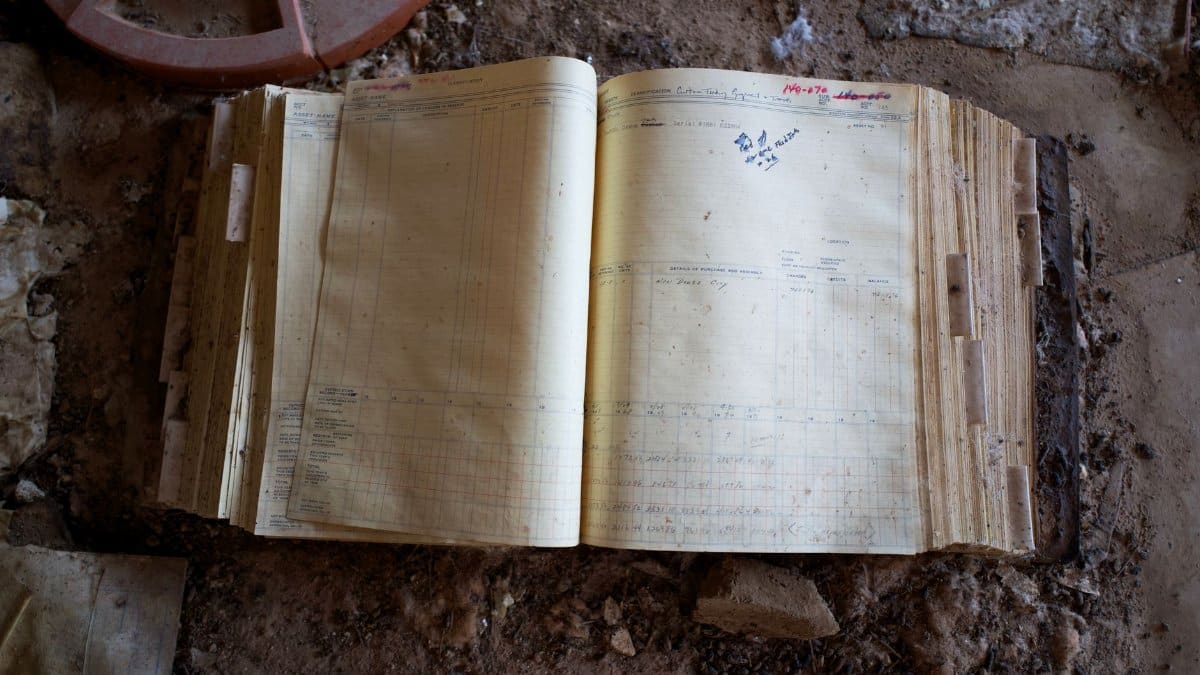
It is tempting, in a city famous for hard politics, to treat pensions as merely a fight among unions, mayors, and rating firms. That framing is too small. A pension system is a statement about whether public work will be compensated in full, and whether the compensation will be honest about its cost at the time the work is done. Chicago broke that statement in stages: by skipping payments, by passing a benefits law that could not survive contact with law and arithmetic, and by borrowing as if a later generation had volunteered for the bill.
Repair will not feel like absolution. It will feel like higher dedicated payments, slower growth in other programs, and a long period in which good headlines are scarce. The alternative is already visible. Chicago pension debt near the center of a $55 billion pile does not stabilize itself. It either gets funded by people who can still choose how, or it gets funded later by people who will have fewer choices. The ledger is open. The city still has to decide which kind of payer it intends to be.