
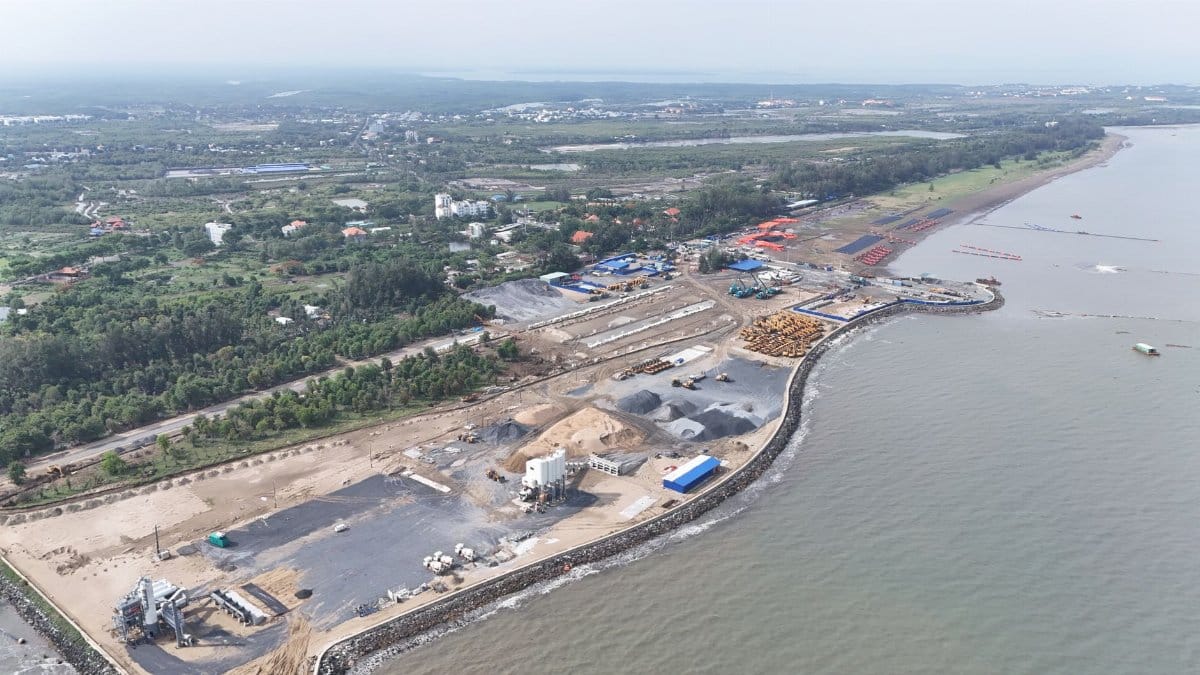
On a flat stretch of coastal prairie southeast of Houston, a fight over concrete, diesel, and drainage has become the defining local argument of the season. The Seabrook warehouse development, a proposal of nearly 544,000 square feet, is headed toward a final vote on December 1. Neighbors who bought into a quieter waterfront town say the project would pull heavy trucks onto roads never built for them, worsen flooding, and open the door to industrial sprawl. City officials and the developer counter that the site is already zoned for this kind of use and that the region needs modern distribution space. Between those positions sits a community trying to decide what Seabrook is willing to become.
A calendar that will not slow down


December 1 is not a distant planning exercise. It is the date residents have circled because a final vote can lock in years of truck trips, nighttime lighting, and paved ground that will not easily be undone. In a city this size, a single council meeting can feel larger than the room that holds it. People who rarely attend public hearings have started showing up with printed maps, photos of standing water after ordinary storms, and questions about how a building of this scale fits a town known more for bay access than for loading docks.
The Houston Chronicle has tracked the opposition as it moved from neighborhood talk to a formal fight, including the account published at houstonchronicle.com. What emerges from that coverage, and from the meetings around it, is less a sudden revolt than a slow recognition that the paperwork was already far along.
What nearly 544,000 square feet actually means
Numbers on a site plan can look abstract until they are set against the streets people already use. Nearly 544,000 square feet is not a corner shop or a modest flex building. It is a distribution footprint large enough to generate steady freight, employee shifts, and service traffic on a daily rhythm that does not pause for weekends at the marina. Supporters describe modern warehouse space as cleaner and more orderly than older industrial yards. Critics hear a promise that still depends on diesel engines, wide turning radii, and docks built for trailers rather than for the rhythms of a residential edge.
Scale also changes the politics. A smaller project can be absorbed as background. A building of this size becomes a landmark, visible from approach roads and present in every conversation about what the remaining open parcels should be. Once that landmark exists, later proposals tend to cite it as precedent.
Trucks on roads that were not drawn for them
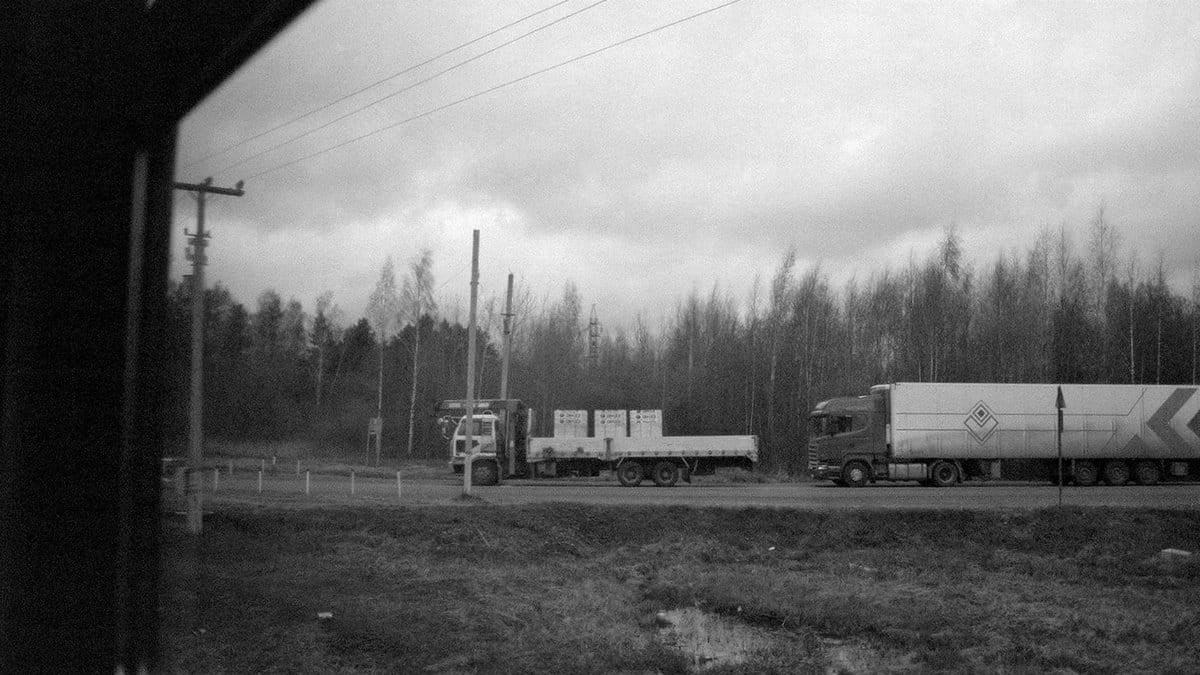
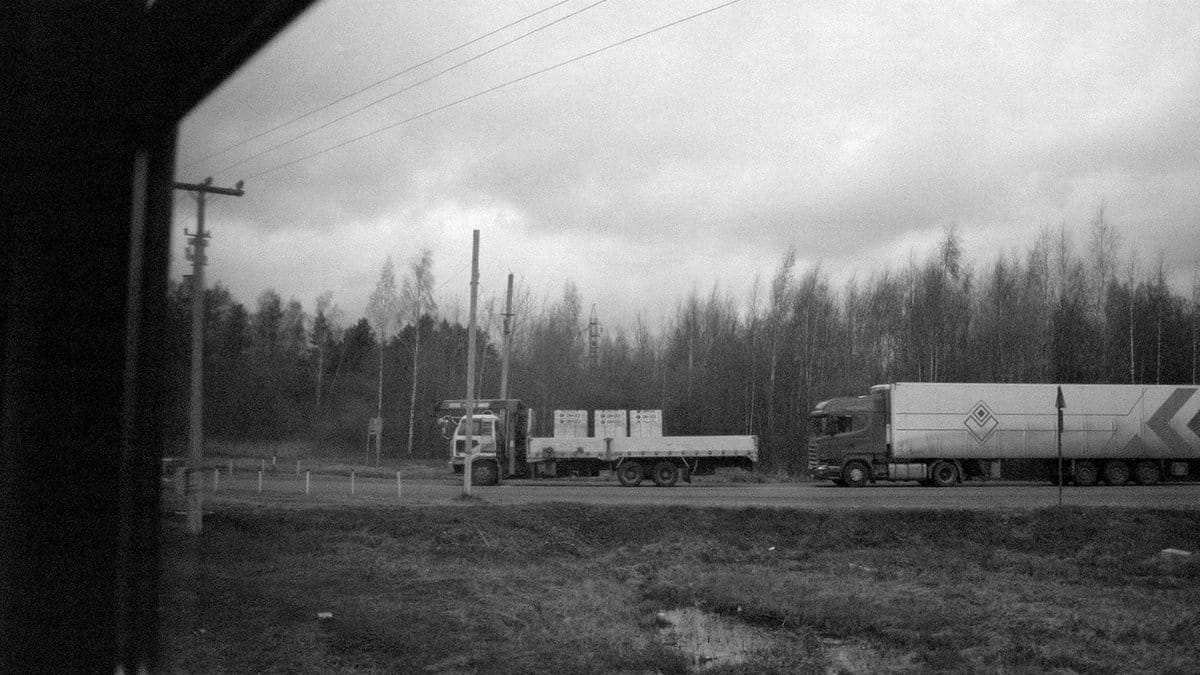
The sharpest everyday fear is traffic. Residents warn that heavy trucks will not stay neatly on a highway ramp and then vanish. They will queue, turn, idle, and seek the shortest path when a signal fails or a delivery window slips. Streets that feel adequate for school runs and grocery trips can fail under repeated trailer loads, both in pavement wear and in the simple experience of trying to cross or merge.
Noise travels differently at dawn. So does light from a secured yard. People who live near proposed access points describe a future in which sleep, porch time, and the walk to a bus stop are negotiated around freight schedules they did not choose. City staff can require turning templates, designated routes, and limits on certain movements. Those conditions matter, but they are only as strong as enforcement after the certificate of occupancy is issued, when the hearing room is empty and the trucks are not.
Floodwater and ground that no longer drinks
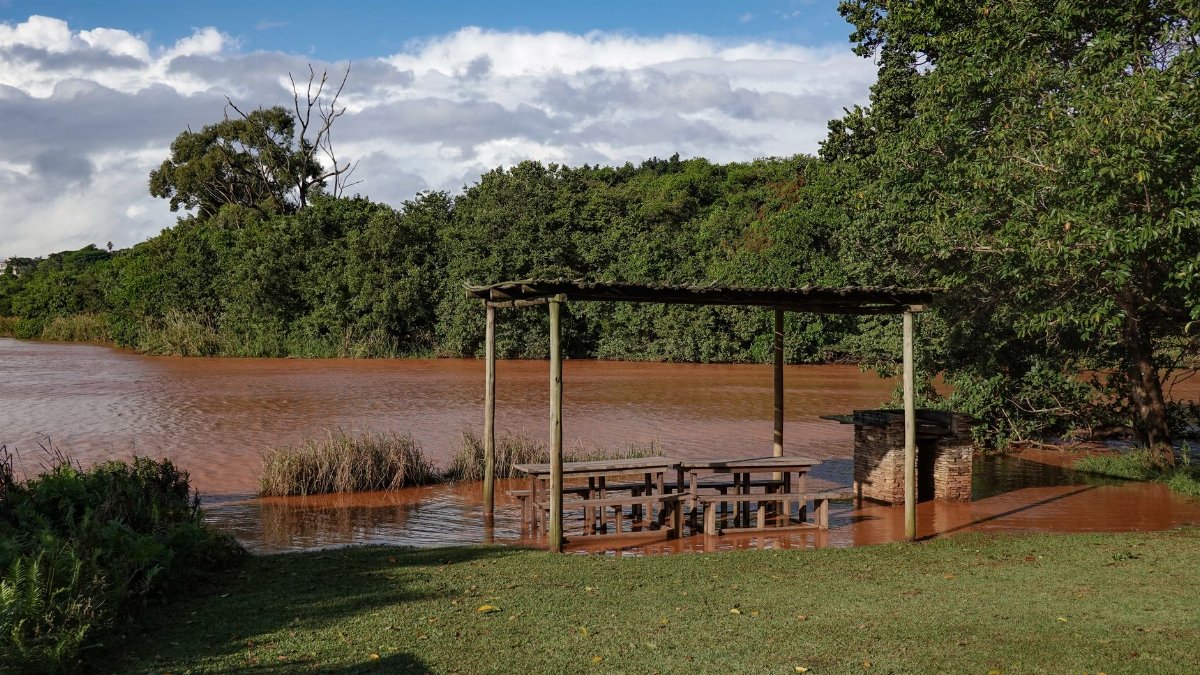

Seabrook sits in a region that already knows what happens when rain has nowhere to go. Neighbors opposed to the project have put flooding near the center of their case, not as a slogan but as a memory of ditches that fill, yards that hold water, and storms that do not need a famous name to disrupt a week. A warehouse of this size replaces permeable ground with roof and pavement. Even with detention ponds and engineered outfalls, residents ask a plain question: who carries the residual risk when the design storm is exceeded, as Gulf Coast weather increasingly does.
Engineering studies can show that a site meets the code on the day it is permitted. Codes are minimums. They are not a promise that downstream streets will feel unchanged. In coastal Harris County, the gap between compliance and comfort is where a lot of civic anger now lives. People do not need a hydrology lecture to notice that more roof means faster runoff unless the storage and the pipes truly keep pace.
The worry that one warehouse invites the next
Industrial sprawl is the phrase residents reach for when they talk about the horizon rather than the single parcel. The Seabrook warehouse development is framed by opponents as a hinge. Approve it, they argue, and the logic of distribution real estate will keep looking for the next flat, accessible tract between the port complex, the highways, and the bay communities. Refuse it, or shrink it, and the city signals that residential edges still have a claim.
That fear is not irrational in a metro area where logistics has become one of the dominant land uses of the last decade. Warehouses follow containers, population growth, and the habit of next day delivery. Each building can be defended on its own site plan. Together they redraw a map. Seabrook residents who use the language of sprawl are really asking whether their town is content to become a service corridor for someone else’s freight network.
How a quiet parcel became a public fight


Large projects rarely arrive as a surprise to the people who file them. They can feel like a surprise to everyone else. Zoning that sat unnoticed for years suddenly matters when a specific applicant appears with financing and a timetable. Residents who say they were sold out are often describing that gap: a technical allowance in the code that never felt, in daily life, like consent for a building of this magnitude.
Public notice rules can be satisfied without producing public understanding. A sign on a fence and a legal advertisement do not equal a conversation at the kitchen table. By the time neighbors organize, the applicant has studies, attorneys, and a narrative of vested expectations. The emotional charge of the phrase they sold us out comes from that imbalance, whether or not any official literally traded the neighborhood away.
What city hall says it can and cannot do

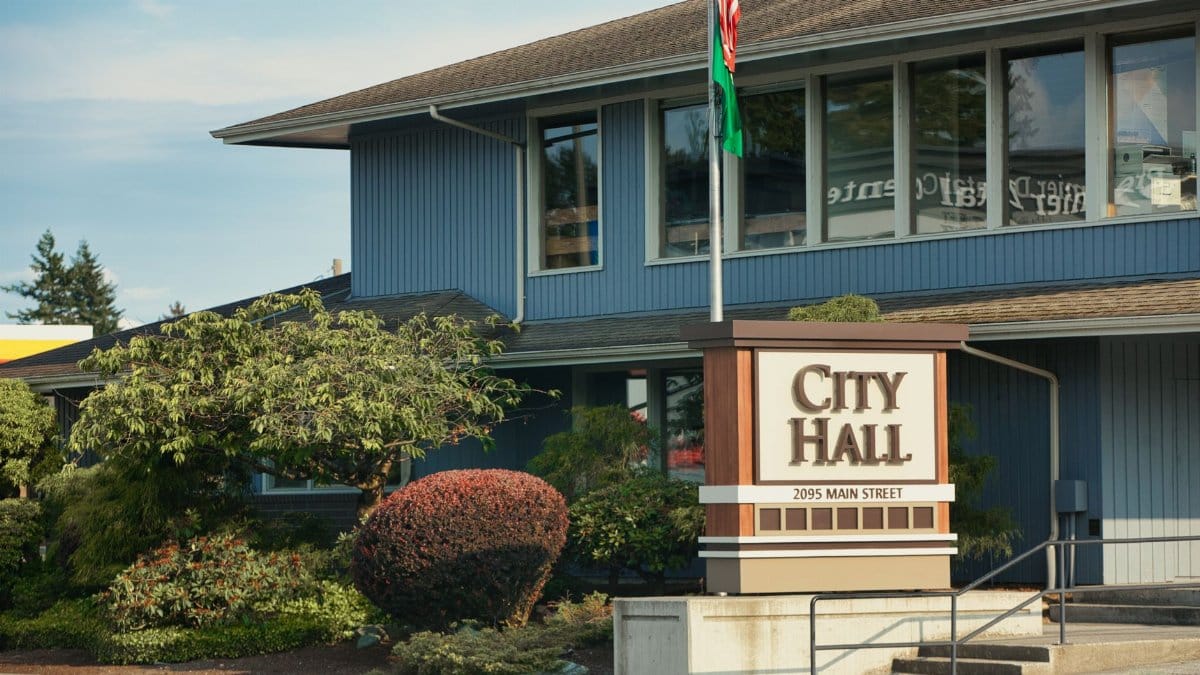
Municipal power is narrower than a protest sign suggests. If a use is allowed by right, a council may be limited to site details, traffic conditions, drainage performance, buffering, and hours rather than a simple yes or no on the idea of a warehouse. If a special approval is required, the vote on December 1 carries more discretion and more political risk. Either way, officials are balancing tax base, legal exposure, and the anger of people who vote in small city elections where a few hundred ballots can swing a seat.
A credible case for the project would rest on specific mitigations, not on general praise for growth. Designated truck routes, meaningful landscape buffers, lighting that stays on the site, drainage that accounts for downstream streets, and a clear enforcement path are the kinds of commitments residents can later measure. Vague assurances about economic benefit do not answer a question about a flooded intersection or a sleeper jolted by Jake brakes.
Jobs, taxes, and the ledger that leaves neighbors out


Distribution buildings do employ people, and cities do need revenue that does not arrive solely from household property taxes. Those facts are real. They are also incomplete. Many warehouse jobs are modest in pay, organized around shifts, and not guaranteed to go to the people who live closest to the noise. The fiscal gain can be offset by road maintenance, public safety calls, and the long cost of drainage fixes that land on the general budget.
A serious civic ledger would place those items beside one another in public, in language a nonspecialist can follow. It would also admit what cannot be priced: the character of a street, the decision to stay or to sell, the sense that a town still belongs to the people who sleep there. Opponents are not required to pretend that empty land has no economic life. They are asking why that life must take this form, at this size, this close to homes.
A community learning how to be heard


The opposition has had to learn a procedural dialect in a hurry: continuances, site plans, drainage calculations, and the difference between a comment and a condition of approval. That learning curve favors applicants who do this work for a living. Residents who persist anyway are building a record. Even if the vote goes against them, the testimony, the photographs, and the questions about truck routes become the baseline for whatever is proposed next.
Churches, civic clubs, and informal block groups have functioned as the practical infrastructure of that effort, not because the dispute is theological, but because those are the rooms where Seabrook already gathers. Shared worry about flooding and traffic has pulled together people who might not otherwise sit in the same meeting. The argument is about land use. The method is neighborly, persistent, and sometimes angry.
The choice in front of the council

On December 1 the council will not be voting on an abstraction called growth. It will be voting on a particular building, a particular circulation plan, and a particular bet about water. Approving the Seabrook warehouse development with thin conditions would tell nearby owners that their warnings about trucks, flooding, and industrial sprawl were heard and set aside. Denying it, or demanding changes large enough to alter the project, would tell the development market that Seabrook intends to police the edge between housing and freight.
Neither outcome will satisfy everyone. A city on the bay cannot freeze itself in a postcard, and it also cannot treat every remaining acre as interchangeable industrial inventory. The honest path is to say, in public and in the ordinance language, which future is being chosen and who is expected to live with the residue.
After the gavel


Whatever the vote, the morning after will still require ordinary governance. If the project proceeds, residents will watch whether promised routes and drainage features appear as drawn, and whether complaints have a place to land besides a voicemail box. If it stalls, the parcel does not disappear. Another applicant, or the same one with a revised plan, can return. The useful legacy of this fight would be a clearer standard for any later warehouse: size limits near homes, truck access that does not wander through neighborhoods, and stormwater design that looks past the property line.
Seabrook is small enough that people will keep seeing one another at the grocery store and the boat ramp. That proximity is a kind of accountability big cities often lack. It is also why the temperature of this debate feels personal. The Seabrook warehouse development is a land use case with a date on the calendar. It is also a test of whether a coastal town can absorb the logistics economy without letting that economy decide, by default, what the town is for.