
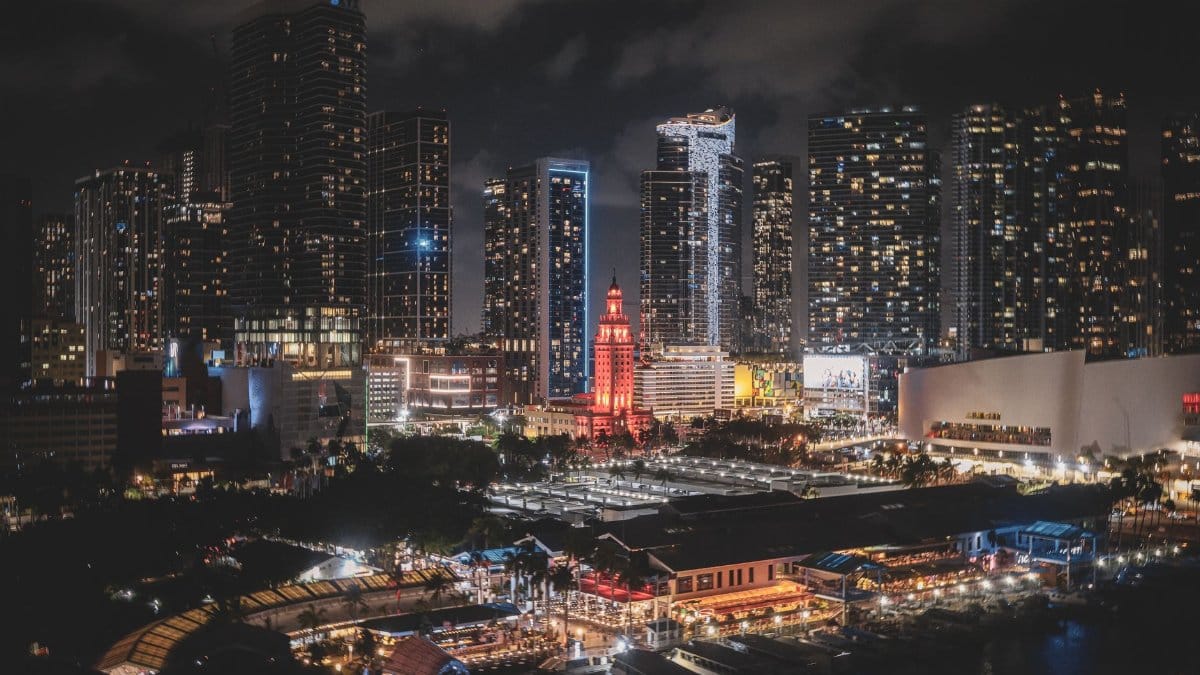
From hundreds of miles above the planet an astronaut on the International Space Station captured images that highlight a striking shift in how Miami Dade County appears after dark. The familiar uniform orange tint has given way to a varied palette of hues as communities replace older fixtures with newer options. This evolution draws attention to Miami LED streetlights and their role in reshaping the nighttime landscape across one of the nations busiest regions.
Views from Orbit Capture a City in Transition
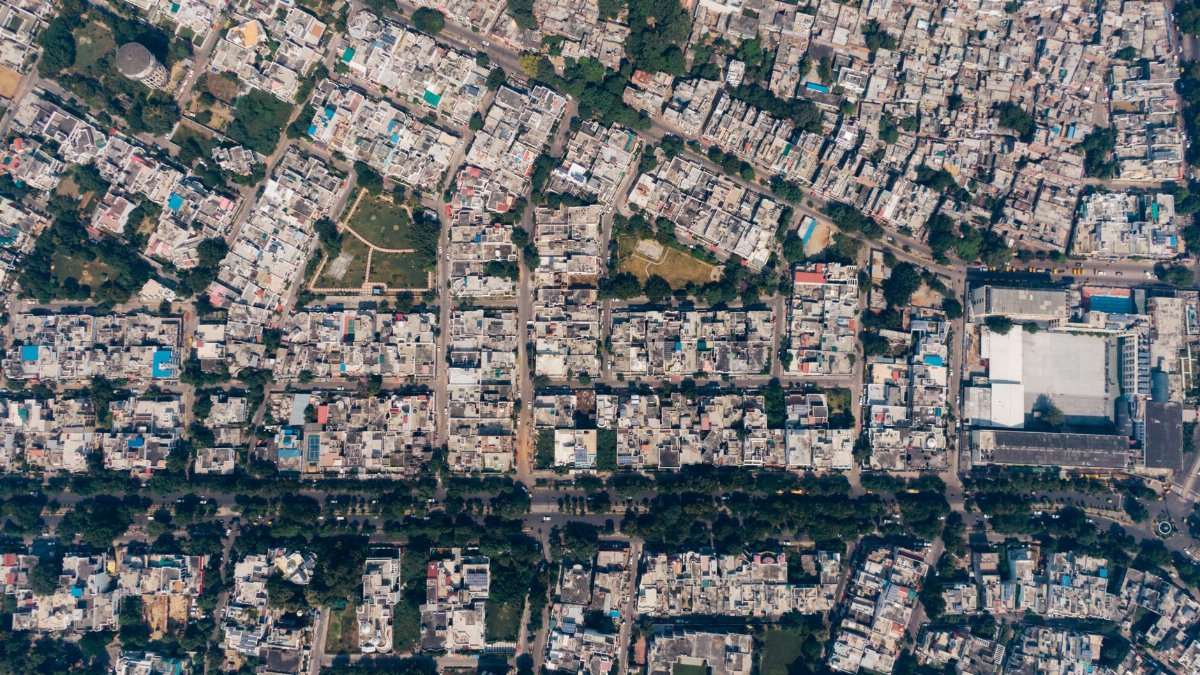
Astronaut Don Pettit shared photographs taken during his mission that show Miami Dade evolving under new illumination. The images contrast older sodium vapor lamps with the brighter and more varied output from recent installations. Observers note how the change alters the visual signature of the entire urban area when seen from space.
Reasons Behind the Move to Modern Fixtures

Local authorities pursued upgrades to cut energy use and lower maintenance demands over time. Older systems required frequent replacements while the new approach promises longer service intervals. Officials also cite reduced operating costs as a key factor driving the decision across multiple municipalities.
Environmental Gains from Updated Lighting

The switch supports broader efforts to decrease electricity consumption drawn from fossil fuel sources. Lower energy needs translate into fewer emissions tied to power generation. Wildlife experts observe that certain species respond differently to the new spectrum though ongoing studies track those effects in coastal zones.
Public Reactions to the Altered Night Sky

Residents offer mixed feedback on the new appearance with some praising clearer visibility on roadways. Others express concern over brighter spots near homes that affect sleep patterns. Community meetings have addressed placement adjustments to balance safety and comfort.
Technological Details of the Installations
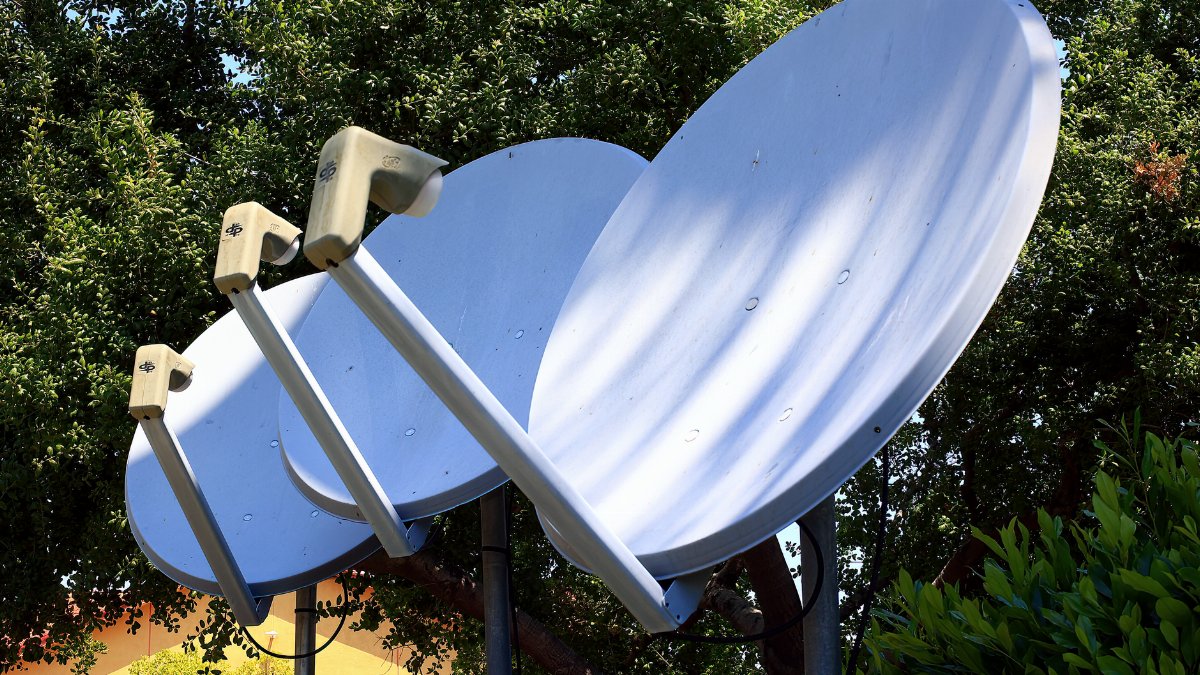
The fixtures employ light emitting diodes arranged in arrays that allow precise control over output levels. Sensors adjust brightness based on traffic patterns and time of night. This adaptive feature distinguishes the systems from previous fixed output designs.
Comparisons with Other Major Cities
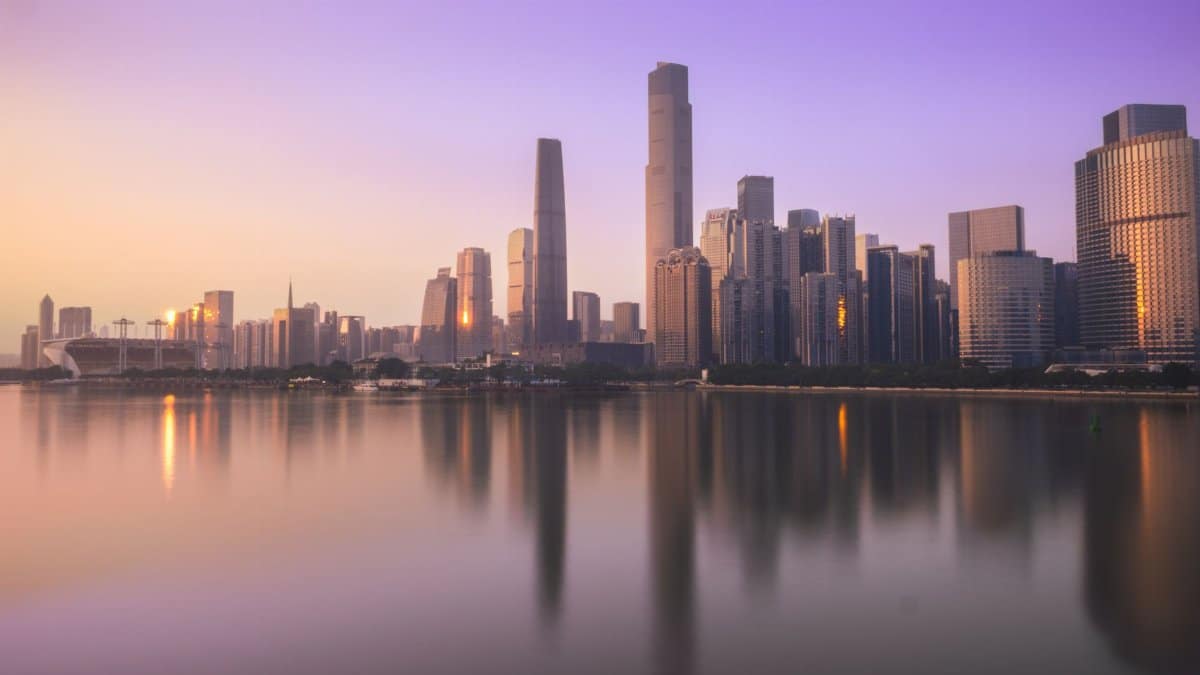
Similar projects in places like Los Angeles and New York show parallel patterns of color variation when viewed from above. Miami Dade stands out due to its coastal setting and extensive network of waterways that reflect the new tones. Analysts track how these changes influence overall urban energy profiles.
Potential Health and Safety Considerations
Medical researchers examine how different light wavelengths might influence human circadian rhythms in densely populated zones. Traffic safety data collected after installations indicate shifts in accident rates though further collection remains necessary. Planners incorporate these findings into ongoing rollout phases.
Economic Effects Across the Region

Contractors and suppliers report increased activity tied to the large scale project. Utility companies adjust rate structures to reflect the reduced overall demand. Long range forecasts suggest savings that could free resources for other infrastructure needs.
Future Expansion and Refinements
Planners explore additional sensors and controls to fine tune performance as usage data accumulates. Integration with smart city platforms could allow real time responses to weather events or large gatherings. The approach positions Miami Dade as a test case for other coastal communities considering comparable steps.