
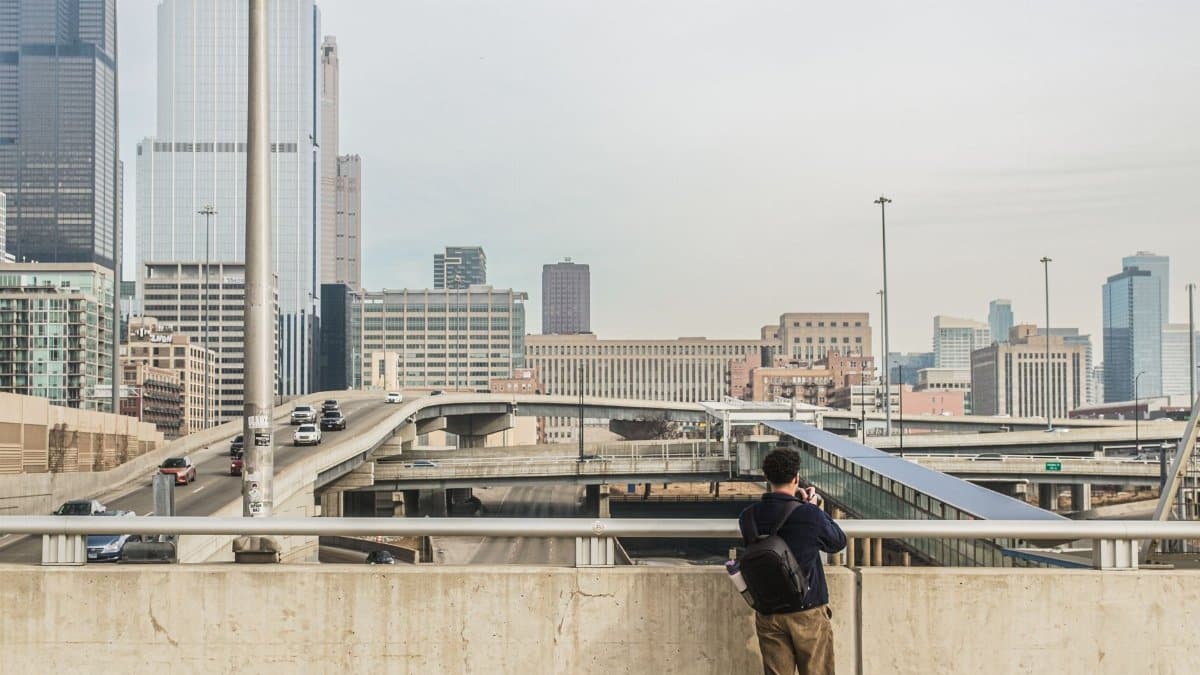
A quiet afternoon in a Pilsen cafe revealed the lingering effects of federal actions when a longtime resident described how daily routines shifted after authorities swept through the area. The experience highlighted broader questions about enforcement tactics and their reach into everyday life across Chicago one year on. Operation Midway Blitz year left marks that residents still navigate in conversations about safety and belonging.
Neighborhoods Reckon With Changed Dynamics
Residents in several south and west side communities report altered patterns of movement and interaction since the operation concluded. Families adjusted travel routes to avoid certain checkpoints that became common during the 64 day period. Local business owners noted drops in foot traffic that persisted well into the following months as trust in public spaces wavered.
Federal Tactics and Local Reactions
The operation involved coordinated efforts among multiple agencies targeting specific addresses tied to immigration violations. Community leaders organized meetings to discuss legal rights and support networks that emerged in response. These gatherings helped shape ongoing dialogues about how such interventions affect civic participation.
Economic Ripples Felt by Small Enterprises

Shops and restaurants dependent on regular customers from immigrant backgrounds saw revenue declines that required adjustments in staffing and inventory. Some owners expanded delivery services to maintain stability while others sought partnerships with neighborhood associations. Data from local chambers indicated uneven recovery across different blocks.
Schools Adapt to Family Concerns

Educators described increased absenteeism in the weeks following the operation with parents wary of sending children to classes amid uncertainty. Programs offering counseling expanded to address anxiety among students whose households faced separation risks. Teachers incorporated lessons on civic engagement to foster resilience.
Legal Aid Organizations Step Forward

Groups providing immigration counsel reported surges in requests for assistance that continued well past the initial operation window. Volunteers coordinated workshops on documentation and court navigation to meet demand. These services became central to how affected individuals rebuilt stability.
Public Safety Perceptions Shift
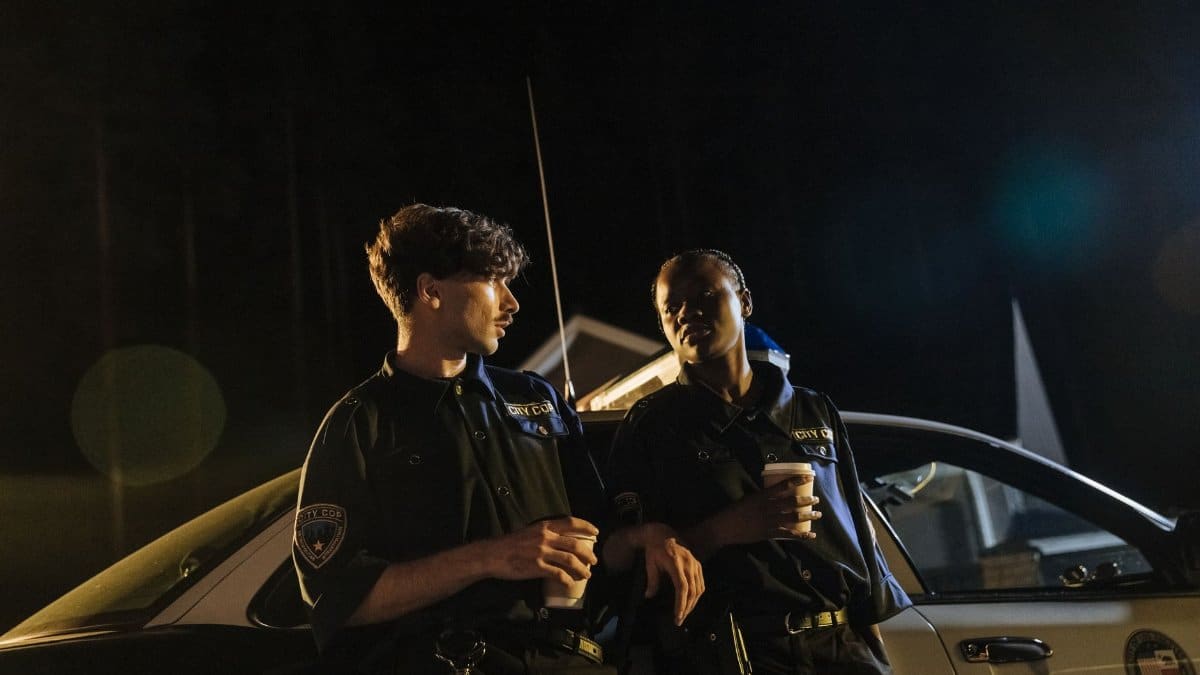
Surveys conducted by academic teams showed mixed views on whether the enforcement improved security or heightened divisions. Some blocks experienced temporary reductions in certain incidents while overall community confidence in law enforcement fluctuated. Discussions at town halls focused on balancing enforcement with inclusion.
Media Coverage Shapes Broader Narratives

Local outlets followed developments closely with reports that framed the events in terms of policy effectiveness and human costs. National attention added layers to the story prompting comparisons with similar actions elsewhere. This coverage influenced how Chicagoans discussed immigration matters in subsequent elections.
Faith Communities Offer Support Networks
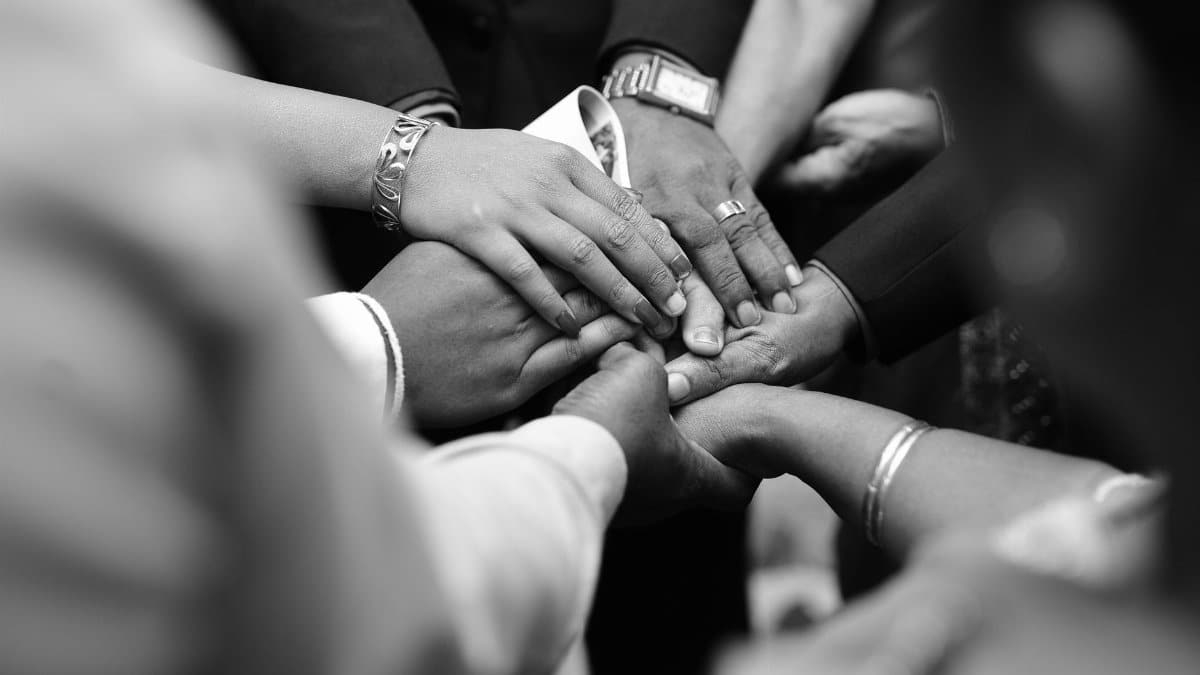
Churches and mosques opened their doors for resource distribution and emotional guidance during and after the operation. Clergy emphasized themes of compassion drawn from various traditions to guide congregants. These spaces served as hubs for information sharing that extended beyond religious services.
Long Term Policy Implications Emerge

City officials reviewed procedures in light of the operation to prepare for potential future actions. Advocates pushed for clearer guidelines on collaboration between local and federal entities. The debates continue to inform legislative proposals at state level.
Personal Stories Illustrate Wider Effects
Individuals who remained in Chicago after encounters with authorities shared accounts of rebuilding routines while managing paperwork challenges. Their experiences underscore the personal dimensions behind statistics on enforcement outcomes. Such narratives add depth to analyses of how policies translate into lived realities.