

For many families in the northern Midwest, the shift from long summer days to structured routines marks a significant annual transition. Discussions around Minnesota school start dates have gained fresh attention following a short term legislative adjustment that opened the door for earlier classroom reopenings in select areas. This change, lasting just two years, permitted some districts to begin sessions as soon as the first of September even as others held firm to later openings. The measure reflected ongoing debates about balancing academic calendars with local economic needs and family preferences. Observers note that while the option existed, adoption remained limited in practice.
Background on the Legislative Adjustment
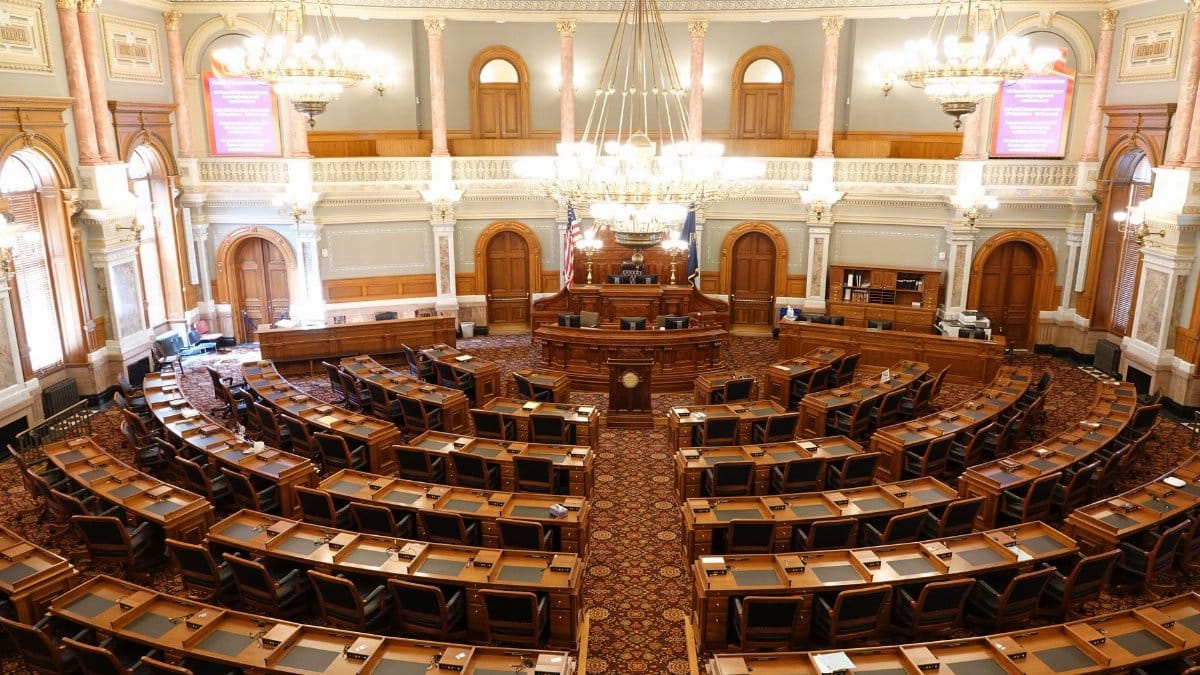
A temporary provision in state law created space for districts to move their calendars forward by a few days. Lawmakers crafted the exception amid concerns that rigid start requirements might limit flexibility for schools serving agricultural communities or those with unique scheduling demands. The rule applied only to a brief window and did not alter longstanding expectations for most institutions.
Why Some Districts Chose Earlier Openings

A handful of schools took advantage of the allowance to align better with regional harvest periods or to extend instructional time before winter breaks. Administrators in these areas cited smoother transitions for students and opportunities to front load core subjects. Yet many neighboring systems reviewed the same option and declined, citing staff contracts and transportation logistics that favored the traditional timeline.
Effects on Household Routines

Parents reported mixed experiences when schools advanced their calendars. Some welcomed the chance to finish academic requirements before major holidays, freeing winter months for rest. Others found the earlier shift compressed summer employment windows, particularly for teenagers seeking seasonal work in tourism or farming sectors. Local businesses noted subtle changes in customer patterns during late August.
Role of Labor Day in Calendar Traditions

The day after Labor Day has long served as an unofficial marker for the start of the academic year in much of the country. This custom traces back to efforts to keep children available for farm labor through the summer months. Even with the recent exception in place, the majority of Minnesota districts continued to observe this marker, underscoring how deeply the practice remains embedded in community expectations.
Variations in District Decisions
Urban and suburban systems largely maintained their post Labor Day schedules, while a few rural districts experimented with the earlier window. The differences highlighted how local governance shapes education policy more than statewide mandates in this instance. Data from the period showed no uniform pattern across enrollment sizes or geographic regions.
Views from Educators and Parents

Teachers described the adjustment as minor in scope yet revealing of broader tensions between standardization and local control. Parent groups organized forums to weigh pros and cons, with some advocating for permanent options and others preferring stability. These conversations revealed priorities around child development, extracurricular activities, and workforce participation.
Comparisons to National Patterns

Across the United States, school calendars show wide variation tied to climate, agriculture, and tourism economies. States with strong resort industries often favor later starts, while others prioritize maximum instructional days before standardized testing periods. The Minnesota experience fits within this patchwork without setting a new precedent for neighboring states.
Looking Ahead to Future Calendars

With the temporary measure now expired, attention turns to whether similar flexibility might return through new channels. Policymakers continue to monitor enrollment trends, academic outcomes, and family feedback from the trial period. Any future proposals would likely face scrutiny over equity across different community types.