
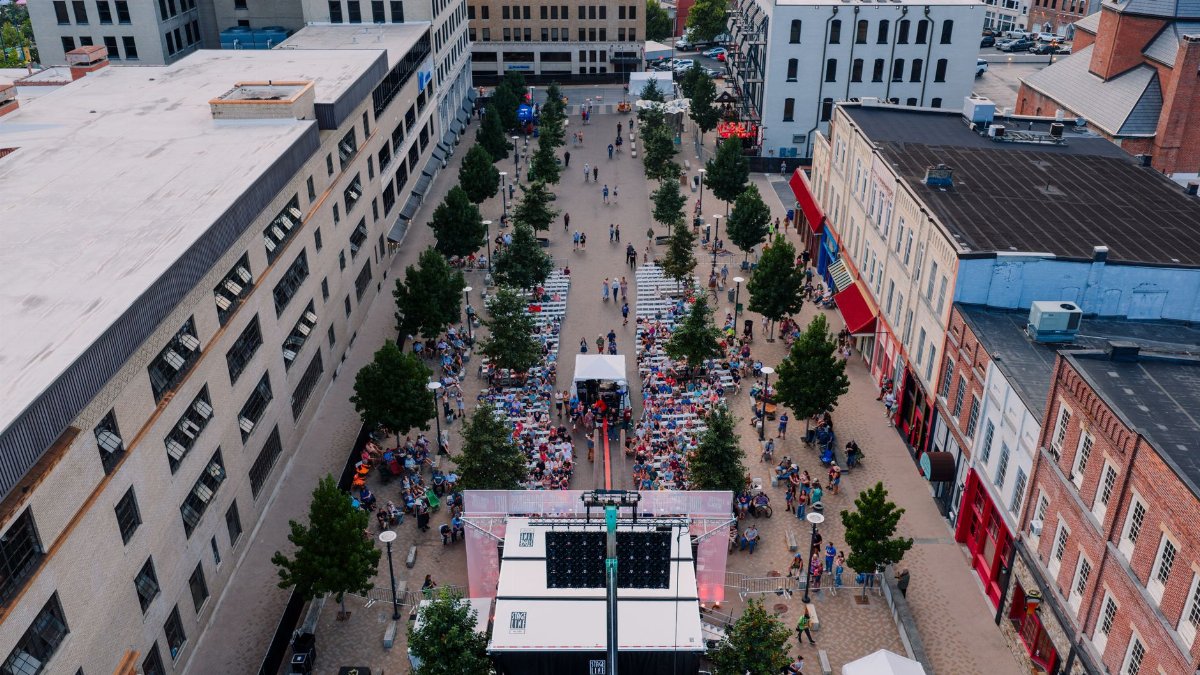
The Philadelphia Fringe Festival stands as a yearly gathering that draws performers and audiences into a whirlwind of unconventional stage works across the city. This edition marks its 30th year and features 338 productions running from September 8 through September 27. Audiences encounter everything from intimate dance pieces to sprawling multimedia installations that test the limits of what theater can achieve in public spaces and unexpected venues alike. The event continues a tradition of supporting artists who operate outside mainstream channels and often blend disciplines in ways that surprise even seasoned viewers.
Tracing the Roots of Experimental Performance Here

Philadelphia has long served as fertile ground for artists seeking freedom from traditional theater constraints. Early iterations of the festival built networks among local creators who wanted spaces to test raw ideas without heavy oversight from established institutions. Over time this platform grew into a major draw that now attracts international talent while keeping a strong focus on regional voices. Many productions begin in small studios and end up influencing larger stages after their debut during the run.
Spotlighting Key Productions This Season

Among the 338 shows several stand out for their bold approaches to storytelling. One piece combines live music with projected visuals to explore memory and loss in a format that shifts each night. Another invites spectators to move through a series of rooms where actors deliver fragments of dialogue based on audience choices. These works reflect the festival emphasis on interaction and risk that sets it apart from more scripted seasons elsewhere.
How Venues Shape the Experience
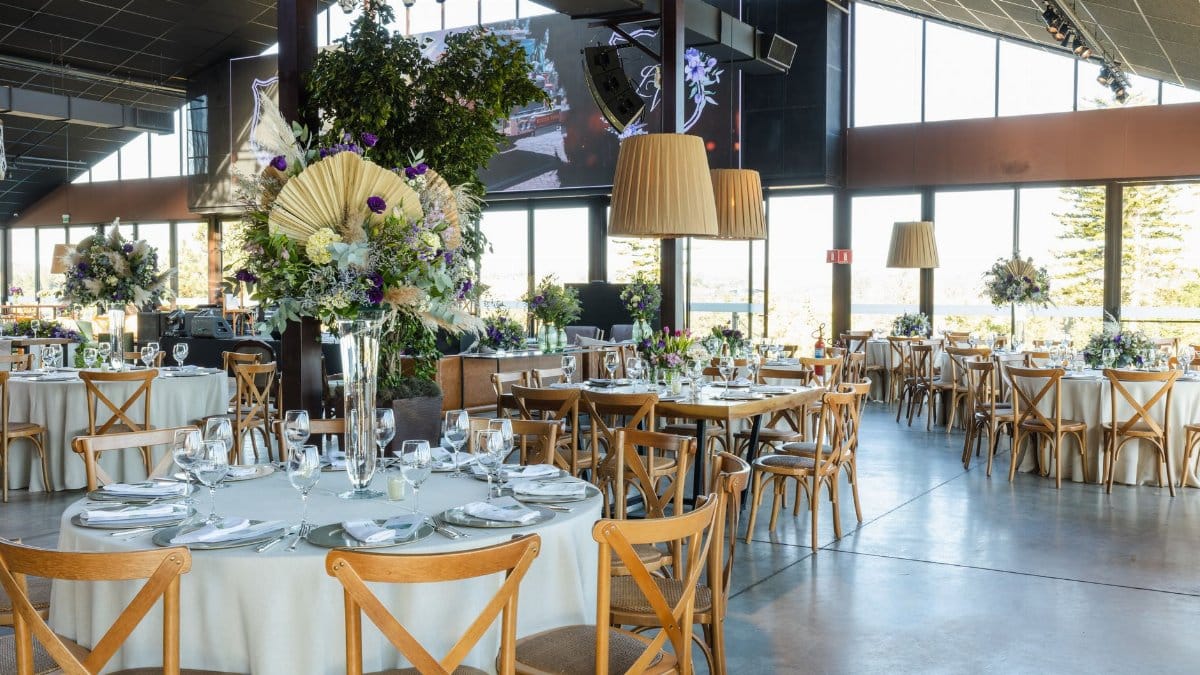
Performances unfold in warehouses, churches, parks and converted storefronts rather than conventional playhouses. This choice alters how viewers engage with the material and forces artists to adapt their concepts to the architecture of each site. The result often feels more immediate and less polished which aligns with the spirit of discovery that defines the overall program.
Community Ties and Local Support Networks
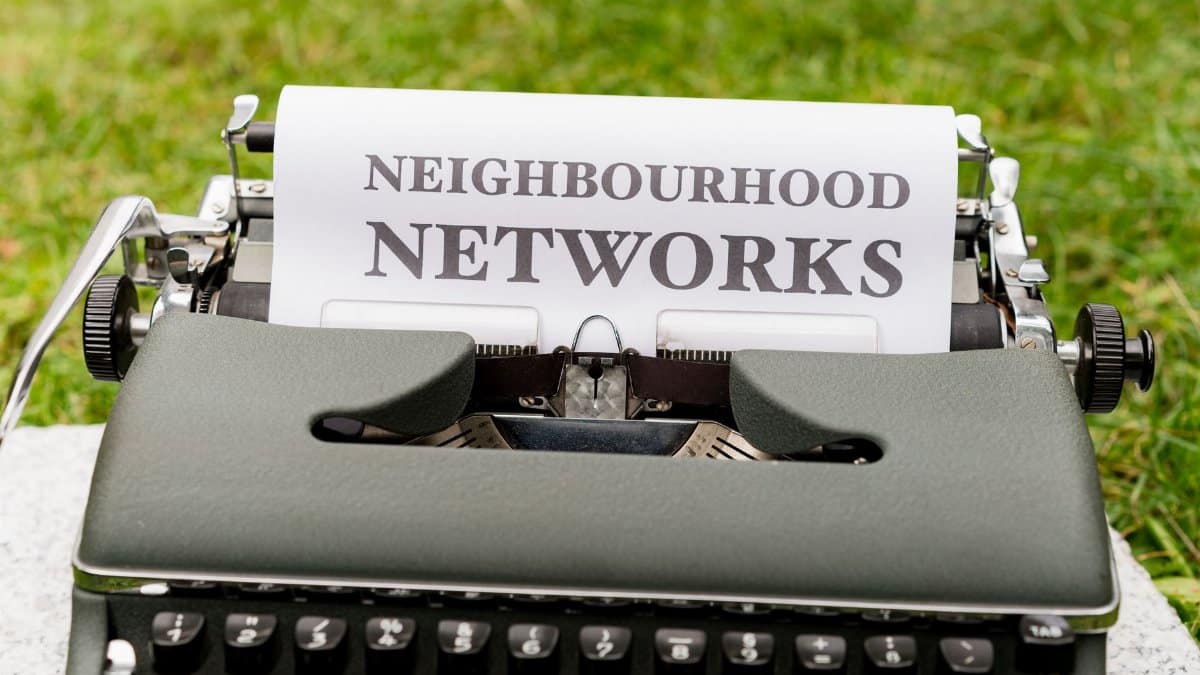
Beyond the shows themselves the festival relies on partnerships with neighborhood groups and small businesses that provide rehearsal space or promote events. Volunteers handle much of the logistics allowing emerging creators to focus on their craft instead of fundraising alone. Such collaboration strengthens the cultural fabric of areas that might otherwise lack consistent arts programming throughout the year.
Challenges Facing Independent Artists Today
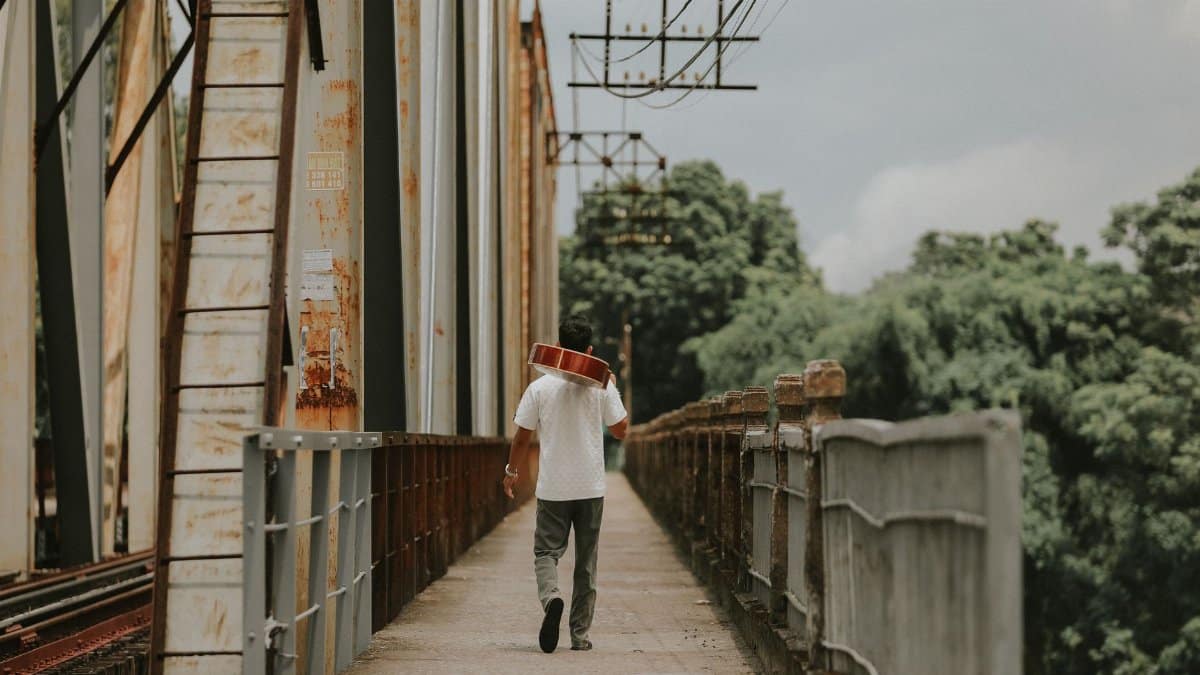
Even with the festival platform many participants navigate tight budgets and limited access to resources that larger companies take for granted. Rising costs for materials and travel add pressure during the concentrated three week period. Organizers have responded by offering mentorship sessions and shared equipment pools that ease some burdens while preserving the independent ethos.
Audience Reactions and Unexpected Outcomes
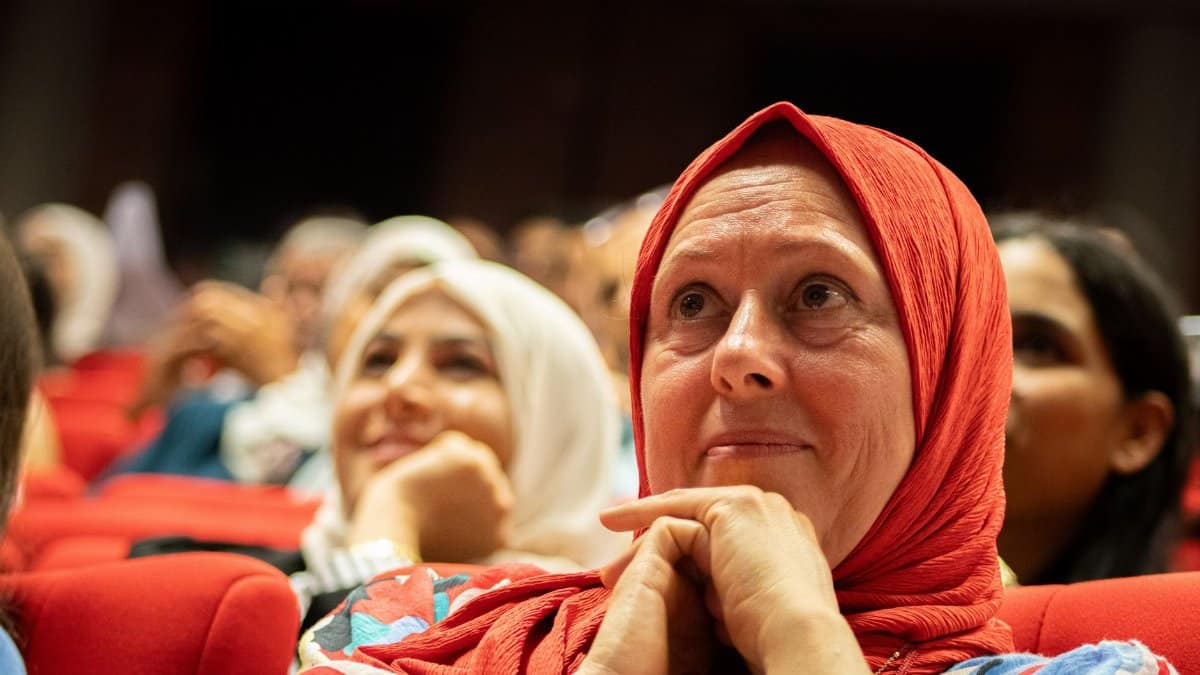
Regular attendees describe moments of discomfort that later spark deeper reflection on social issues or personal beliefs. First time visitors sometimes arrive skeptical yet leave with renewed interest in live performance after witnessing pieces that blur lines between observer and participant. These responses underscore the festival role in broadening exposure to forms that resist easy categorization.
Looking Ahead to Future Editions
Plans already underway suggest expansions into digital hybrids that could reach viewers beyond the city limits. At the same time core commitments to physical presence and live risk remain central. The balance between innovation and tradition will likely determine how the event evolves while staying true to its origins in unfiltered artistic expression.