
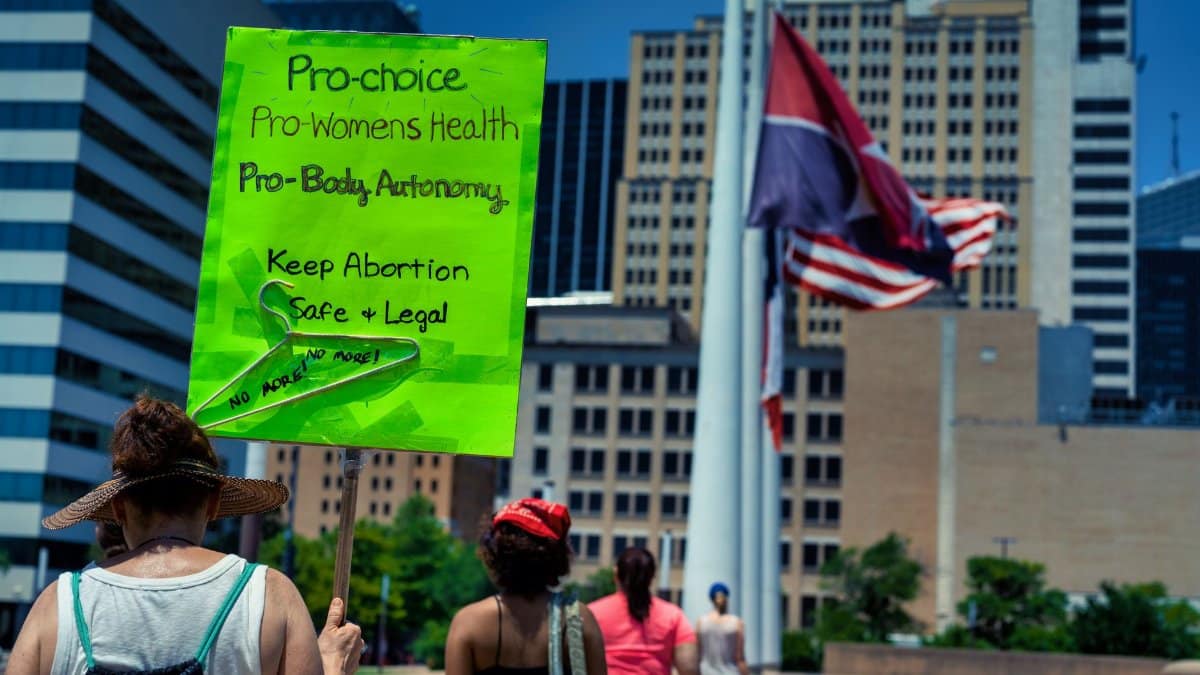
In recent months a gathering of Texas Republicans unveiled proposals that would reshape reproductive policy across the state. The gathering drew attention for its direct call to treat abortion as a criminal act punishable by law and to extend similar limits to procedures tied to in vitro fertilization. Observers noted how the Texas GOP Abortion Platform moved beyond earlier statements by naming explicit penalties aimed at women themselves rather than only providers. This approach marks a departure from past platforms that focused more narrowly on clinic regulations and funding cuts. The shift raises questions about enforcement, medical access, and the broader climate for families who rely on advanced fertility care. Many attendees described the measures as consistent with long held principles while critics warned of unintended consequences for maternal health and personal liberty.
Origins of the latest platform language

The drafting process began months earlier during closed meetings of the party resolutions committee. Participants reviewed existing language from prior cycles and proposed additions that would classify abortion after any stage of pregnancy as a crime. Records from the sessions show repeated references to equal protection arguments that would extend legal standing to embryos. The final text also addressed assisted reproduction by calling for the same criminal framework to cover the creation and storage of embryos outside the body.
How the document differs from earlier versions

Previous state party statements emphasized restrictions on public funding and clinic licensing. The current version adds direct references to penalties for patients and a prohibition on most forms of embryo freezing. This expansion reflects input from newer members who argued that incremental limits had not produced the desired reduction in procedures. Older delegates expressed concern that the added language could complicate ballot messaging in suburban districts.
Potential effects on fertility treatment access

Clinics that offer in vitro fertilization now face uncertainty over embryo handling rules. Several facilities have begun reviewing consent forms and storage contracts in anticipation of new statutes. Patients who travel from other states for treatment have started inquiring about legal protections if laws change mid cycle. Medical groups have noted that embryo adoption programs could become the only remaining option if destruction of unused embryos is banned.
Reactions among women who have faced similar choices

Interviews with Texas residents reveal a range of personal calculations. Some women who underwent the procedure years ago described feeling newly exposed to legal risk. Others who considered fertility care said they might accelerate plans before any rules take effect. Support networks have reported increased calls from people seeking clarity on travel options to states with fewer limits.
Views from party leaders and dissenting voices

State legislators aligned with the platform described the proposals as a logical next step after the federal court reversal on nationwide protections. They pointed to public opinion surveys within the party base that showed strong support for fetal personhood language. A smaller group of Republican women in office cautioned that criminal penalties aimed at patients could depress turnout among moderate voters in upcoming races.
Legal questions raised by enforcement provisions

Attorneys who specialize in health law have begun mapping possible court challenges. One line of argument centers on whether penalties applied to patients would survive equal protection review. Another focuses on the interstate commerce implications of restricting embryo transport across state lines. Early filings already cite privacy precedents from prior decades even as those standards face new tests.
Impact on rural and low income communities

Residents in areas with limited obstetric care worry that further clinic closures could leave large regions without any pregnancy related services. Travel distances for prenatal visits already stretch into hundreds of miles for some families. Nonprofit organizations that arrange transportation have indicated they lack capacity to absorb additional demand if more providers exit the state.
National implications for similar state efforts

Activists in other Republican led states are watching the Texas developments for model language they might adapt. National organizations that track party platforms have flagged the Texas text as the most explicit yet on patient liability. Democratic strategists in swing states have begun incorporating references to the Texas approach in fundraising materials aimed at suburban women.
Medical community preparations and concerns

Hospital systems have formed internal task forces to review policies on miscarriage management and ectopic pregnancy care. Physicians report anxiety over gray areas where treatment for a failing pregnancy could be interpreted as intentional termination. Professional associations have scheduled continuing education sessions focused on documentation standards that might shield practitioners from future liability.
Future outlook for legislative action

The platform serves as guidance rather than binding statute yet it shapes candidate recruitment and committee priorities. Lawmakers who seek leadership posts often align their bills with platform planks to gain favor among primary voters. Observers expect multiple measures drawn from the document to surface when the legislature reconvenes next year.