

Residents along one of Bostons longest corridors have grown accustomed to announcements of renewal that fade into inaction. Decades of stalled projects have fostered widespread doubt among those who live and work nearby. Into this environment of eroded confidence arrives Blue Hill Avenue Trust Boston, positioned by advocates as a potential vehicle for accountability and tangible change in a neighborhood long overlooked by planners.
Legacy of Unfulfilled Commitments

Blue Hill Avenue stretches through several Boston neighborhoods where generations have witnessed shifting priorities from city hall. Early plans for wider sidewalks and better lighting gave way to budget shortfalls and competing projects elsewhere. Over time this pattern established a baseline expectation that official timelines would slip and funding would be redirected. Local business owners recall specific pledges from the nineteen nineties that never materialized, leaving storefronts vulnerable to deterioration. Such history shapes current reactions to any fresh proposal, as residents weigh optimism against accumulated evidence of delay.
Current Redesign Efforts Under Scrutiny

Recent discussions center on bus priority measures intended to speed transit along the avenue. Officials describe dedicated lanes and updated signals as steps toward equity in transportation access. Yet community meetings reveal persistent questions about execution, with participants citing past construction that disrupted daily routines without delivering promised benefits. Blue Hill Avenue Trust Boston has emerged in these conversations as an entity some hope might monitor progress and enforce deadlines. Its role remains evolving amid debates over representation and authority.
Impact on Daily Life for Residents

Commuters and families experience the avenue as both a lifeline and a barrier. Traffic congestion affects access to jobs and schools while limited pedestrian infrastructure raises safety concerns. Elders in particular describe isolation when crossing wide intersections or waiting at unreliable stops. These practical frustrations compound the larger sense that city resources flow elsewhere. Stories shared at gatherings highlight how small improvements could restore a measure of dignity to routine travel.
Role of Local Organizations in Advocacy

Churches and civic groups have long filled gaps left by municipal inaction. They organize cleanups, youth programs, and forums where concerns are aired. Blue Hill Avenue Trust Boston now seeks to coordinate some of these efforts under a formal structure aimed at influencing policy. Supporters argue that sustained presence from such bodies can translate neighborhood knowledge into lasting infrastructure decisions. Critics wonder whether another layer of administration will slow action rather than accelerate it.
Economic Dimensions of Neglect
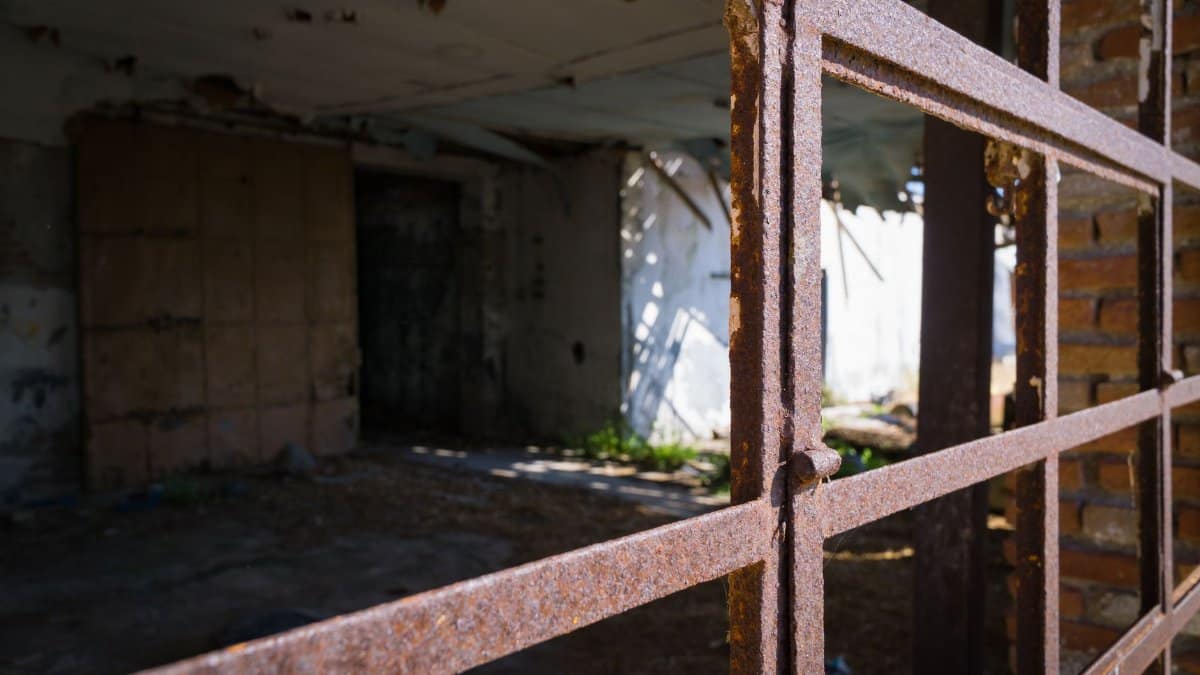
Vacant lots and struggling retail corridors reflect broader disinvestment. Property values lag behind other parts of the city, limiting wealth building for longtime owners. Entrepreneurs considering new ventures cite uncertainty over future street configurations as a deterrent. When improvements do occur they often favor through traffic rather than local circulation. This dynamic perpetuates cycles where economic activity drifts toward more predictable districts.
Perspectives from City Officials
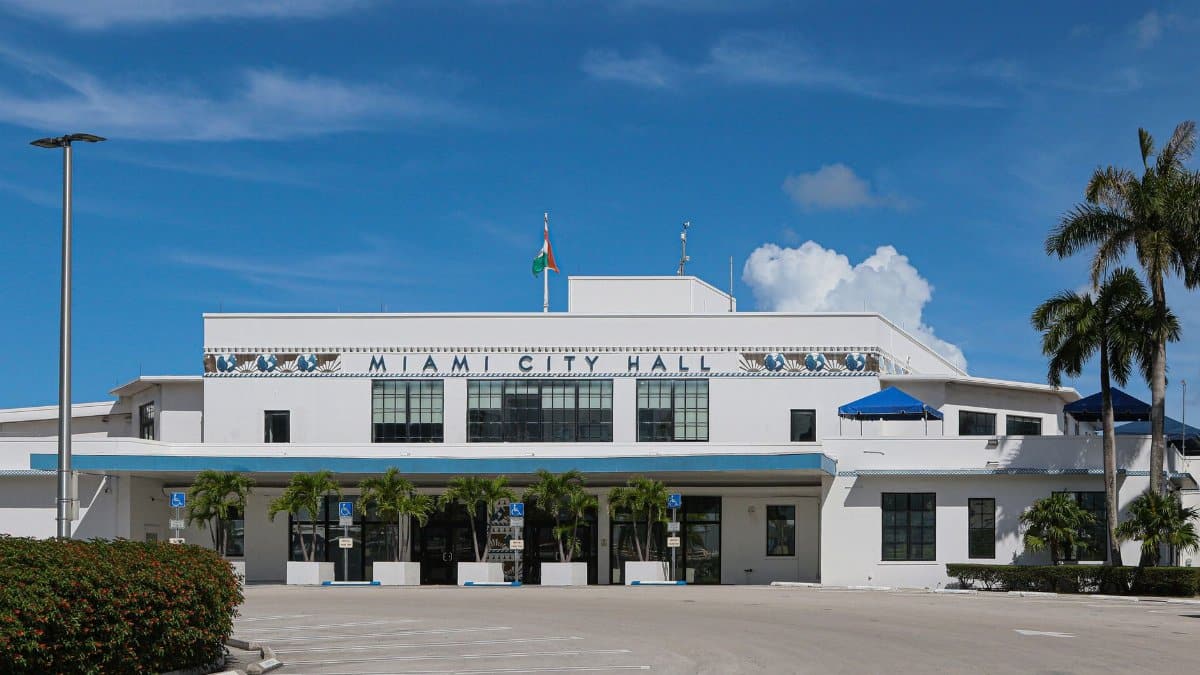
Planners emphasize data driven approaches and community input sessions as evidence of good faith. They point to allocated funds and phased timelines as proof that lessons from earlier missteps have been absorbed. Still, the gap between stated intentions and visible results continues to test patience. Public records show multiple extensions on prior contracts, reinforcing the very doubts officials aim to dispel.
Pathways Toward Restored Confidence

Some observers propose independent oversight boards with real enforcement power. Others advocate smaller, visible wins such as repaired crosswalks that could rebuild momentum. Blue Hill Avenue Trust Boston appears in several of these proposals as a potential bridge between residents and government. Its effectiveness will likely depend on transparent governance and measurable benchmarks rather than additional studies. Without such elements the cycle of announcement and disappointment may persist.