

For many adults the quiet hours after dark bring not peace but a swirl of thoughts that refuse to settle. Researchers tracking brain activity through these hours have started to map exactly how disrupted rest feeds anxiety and low mood while stable patterns help restore emotional balance. This growing field known as Sleep Science Mental Health now links nightly cycles directly to daily resilience offering fresh paths for treatment that go beyond traditional therapy.
Mapping Brain Activity Through the Night

Advanced imaging shows the brain stays busy long after eyes close sorting memories and regulating stress hormones. When these processes run smoothly people wake with steadier nerves and clearer focus. Interruptions leave fragments of unfinished emotional work that surface as irritability or worry the next day.
How Rest Shapes Daily Mood Regulation

Consistent cycles allow the mind to reset chemical signals tied to pleasure and motivation. Adults who protect eight hours report fewer spikes of tension during work deadlines or family conflicts. Shorter or broken periods leave those signals out of sync raising the chance of sliding into gloom.
Connections Between Insomnia and Anxiety Cycles

People caught in repeated nights of wakefulness often develop heightened alertness that carries into daylight hours. This state makes small problems feel larger and feeds the very tension that blocks rest again. Breaking the loop requires attention to both evening habits and daytime stress management.
New Therapies Targeting Rest Deficits

Clinics now combine cognitive techniques with timed light exposure to realign internal clocks. Early trials indicate these methods lift mood scores faster than medication alone for some patients. The approach treats rest as a foundation rather than an afterthought in mental care plans.
Findings From Recent Neuroscience Reviews
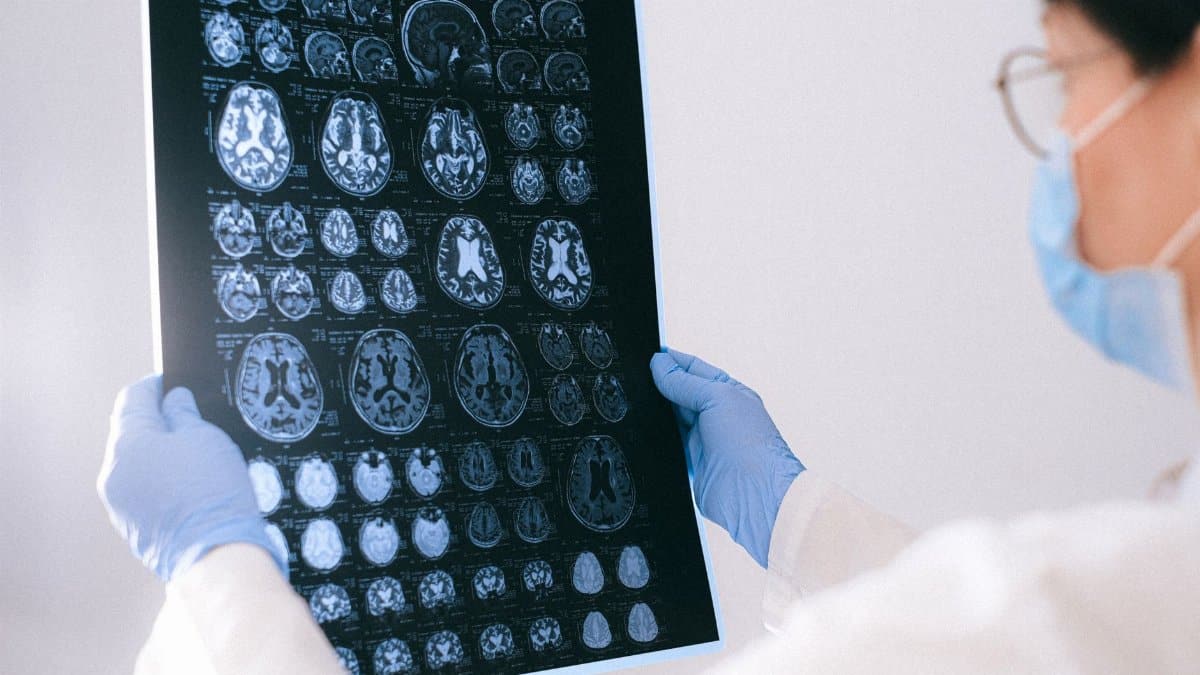
A report issued by the American Psychological Association details how specific stages of rest influence emotional memory storage. Readers can review the full text at https://www.apa.org/monitor/2026/06/sleep-brain-mental-health to see the data tables. Such evidence strengthens calls for schools and workplaces to value recovery time.
Impact on Younger Adults and Students

College schedules that push late study sessions show measurable effects on concentration and social ease. Students who later adopted steadier bedtimes described reduced test anxiety and better recall during exams. These changes point to rest as a hidden factor in academic performance.
Workplace Policies That Support Recovery

Some companies now limit after hours messages and encourage true disconnection once shifts end. Employees in those settings report improved energy and fewer sick days linked to mood related complaints. The shift reflects growing acceptance that rest fuels productivity.
Future Questions in Emotional Neuroscience

Scientists continue to ask how individual differences in genetics alter responses to lost rest. Larger population studies may reveal why some people bounce back quickly while others slide into longer periods of distress. Answers could guide more precise interventions.
Practical Steps for Better Nightly Patterns

Simple adjustments such as keeping rooms cool and screens out of bed prove effective across many households. Tracking progress over several weeks helps identify what truly supports steadier mornings. These habits cost little yet deliver lasting gains in emotional steadiness.