
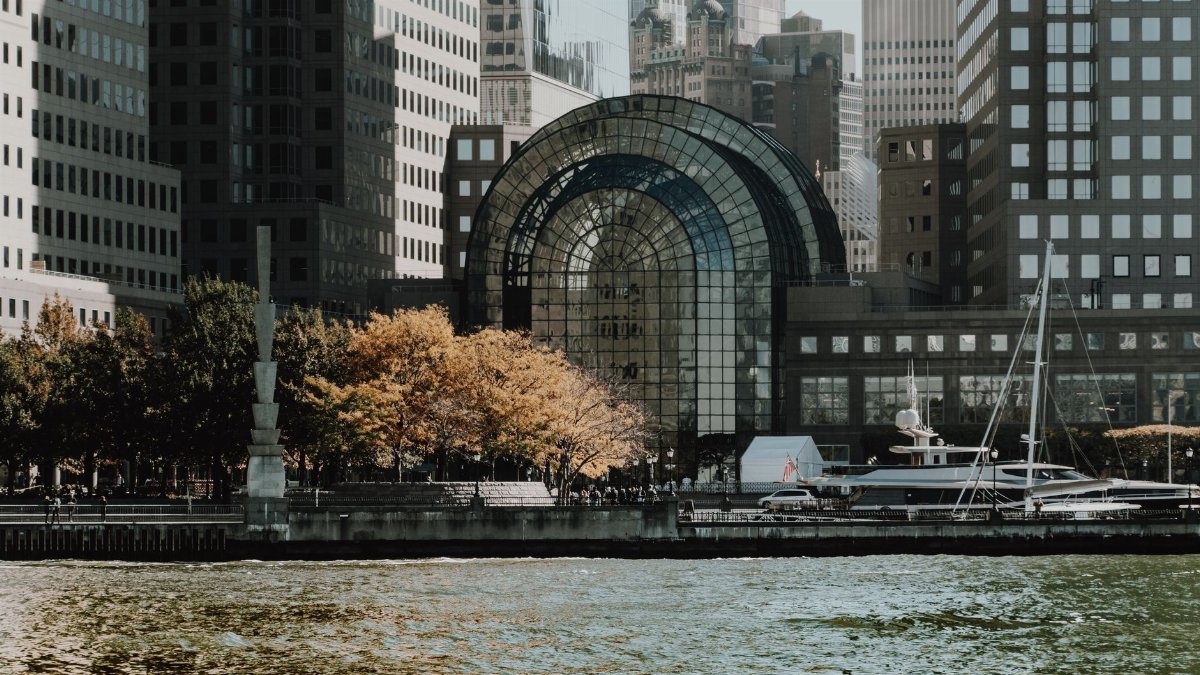
In the heart of one of San Francisco most beloved neighborhoods a plan to replace an aging grocery store with a twenty five story residential tower has ignited debate over green space and urban growth. The Marina Safeway Tower San Francisco would bring hundreds of new homes to a site long defined by low rise retail yet neighbors worry the project could cast long shadows across nearby parks and alter the character of the waterfront district.
Project Origins and Design Details
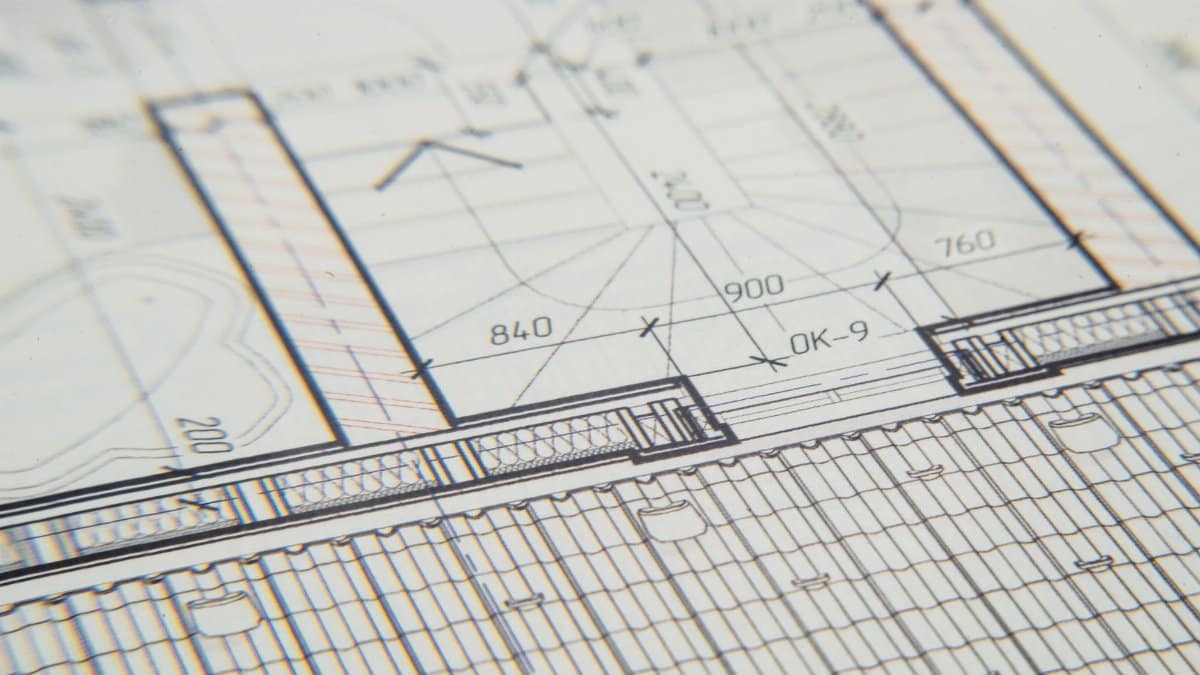
Developers first floated the idea several years ago as a way to address the city housing shortage while modernizing a dated supermarket. Plans call for roughly three hundred units above a new Safeway store along with ground floor retail and underground parking. City planners have reviewed multiple iterations and the current version reduces the height slightly from earlier proposals in response to feedback from local groups.
Park Shadows and Sunlight Concerns
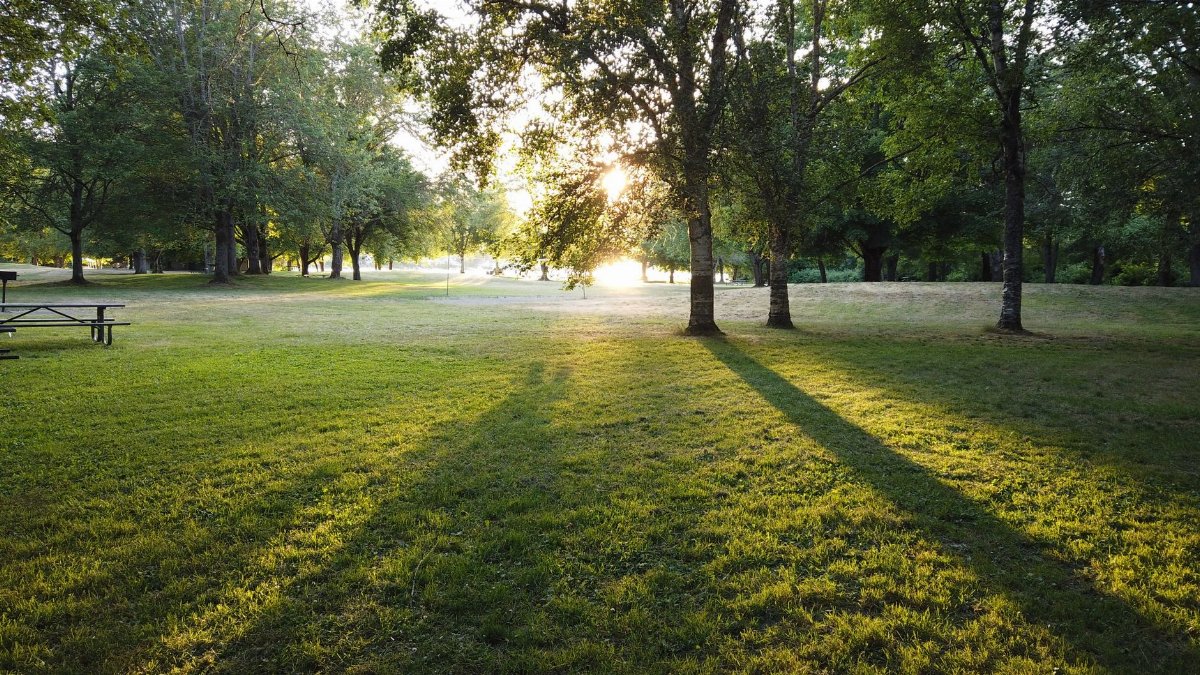
Opponents argue the tower would block afternoon light from reaching Moscone Park and adjacent play areas used by families throughout the week. Shade studies submitted to the planning department show reduced sunlight during winter months when residents rely most on outdoor time. Advocates for the project counter that the building footprint leaves ample open space and that new landscaping could offset some losses.
Neighborhood Meetings and Public Input
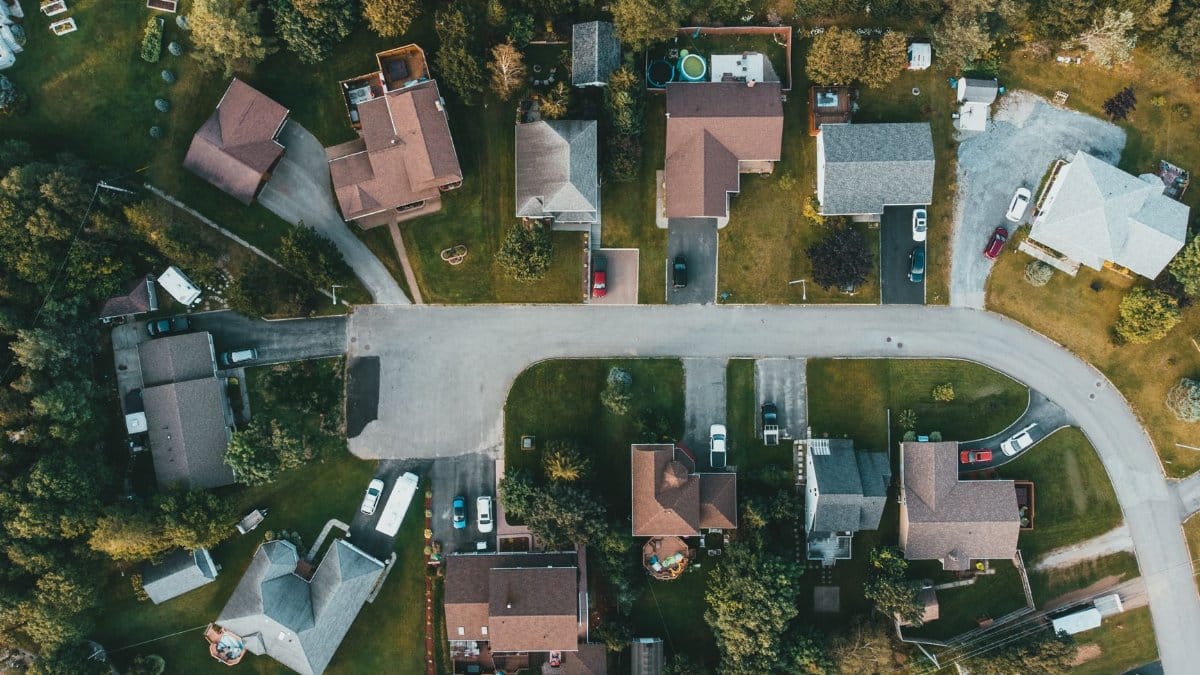
Dozens of residents attended recent hearings at the local community center to voice opinions on everything from traffic to views. Some longtime Marina residents described the tower as out of scale with surrounding buildings while others welcomed the addition of housing near transit lines. Planning commissioners noted the unusually high turnout and asked staff to prepare further analysis before a final vote.
Housing Needs Versus Local Character
San Francisco continues to face pressure to add homes at all income levels yet projects of this height often meet resistance in established districts. Supporters point to state laws that encourage density near job centers and transit as reason to move forward. Critics say those rules overlook the specific qualities that make neighborhoods like the Marina attractive in the first place.
Traffic Patterns and Street Changes
A new residential population would increase activity along Lombard Street and nearby intersections already busy during commute hours. Transportation studies suggest modest delays during peak periods along with recommendations for improved bike lanes and crosswalks. Developers have offered to fund some of those improvements as part of the approval package.
Retail Future and Grocery Access

The existing Safeway has served the area for decades and many residents value its convenient location. The new design keeps a full size store on the ground floor which the company says will include updated features and more fresh produce options. Some shoppers wonder whether construction could disrupt service for months during the transition.
Environmental Reviews and Mitigation Steps

City staff completed an environmental impact report that examined wind effects air quality and open space. The document recommends several steps to reduce construction dust and protect nearby trees during building. A final set of conditions would be attached to any permit if the project receives approval.
Broader City Housing Goals
Officials have set ambitious targets for new units over the next decade and projects like this one count toward those totals. Regional agencies have also weighed in noting that taller buildings near existing services can help limit sprawl into outlying areas. Still the balance between growth and preservation remains a recurring theme in San Francisco land use decisions.
Next Steps in the Approval Process

The planning commission is expected to take up the matter again within the next two months after additional sunlight modeling and traffic counts are completed. Any decision can be appealed to the board of supervisors which would add further months to the timeline. Developers have indicated willingness to discuss modest adjustments if they keep the overall unit count intact.