
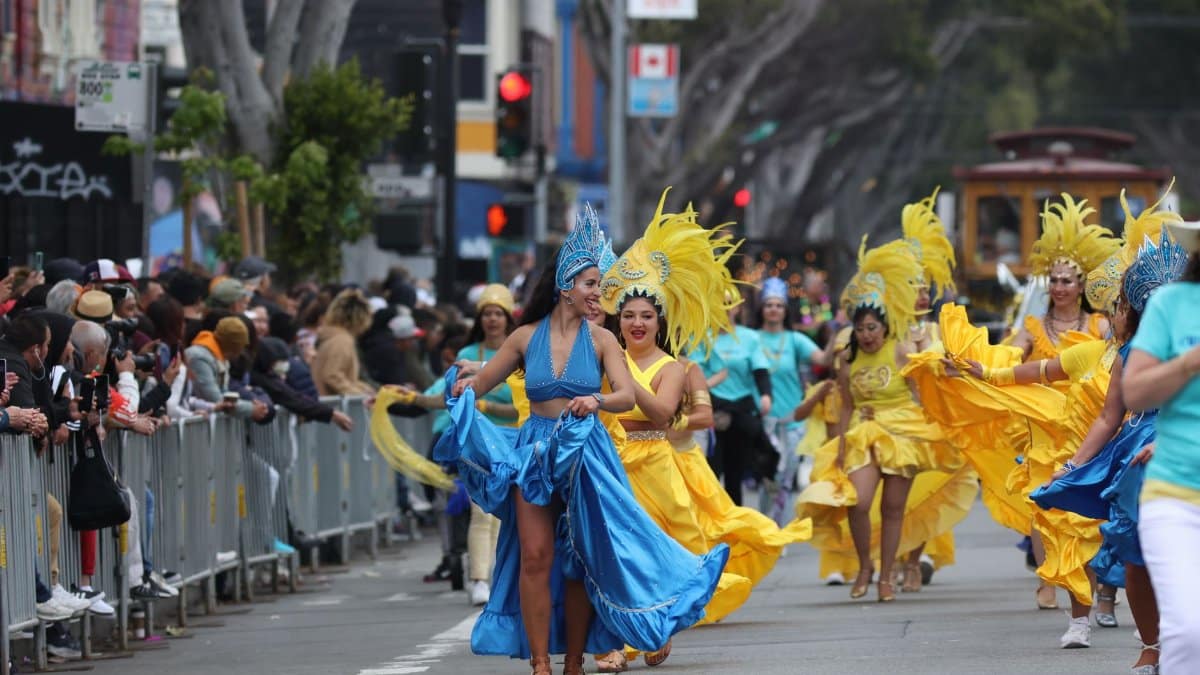
As the city awakens to another vibrant weekend of celebration, commuters and residents alike face the reality of SF Pride Parade Road Closures that reshape movement through downtown corridors. These planned restrictions, set to unfold over several key streets, promise both festive energy and practical challenges for those navigating the urban core. Local officials have outlined extensive measures to accommodate large crowds while maintaining safety across multiple zones. The result is a temporary transformation of familiar routes into pedestrian focused areas, altering routines for thousands who rely on cars, buses and trains each day.
Effects on Morning Commutes
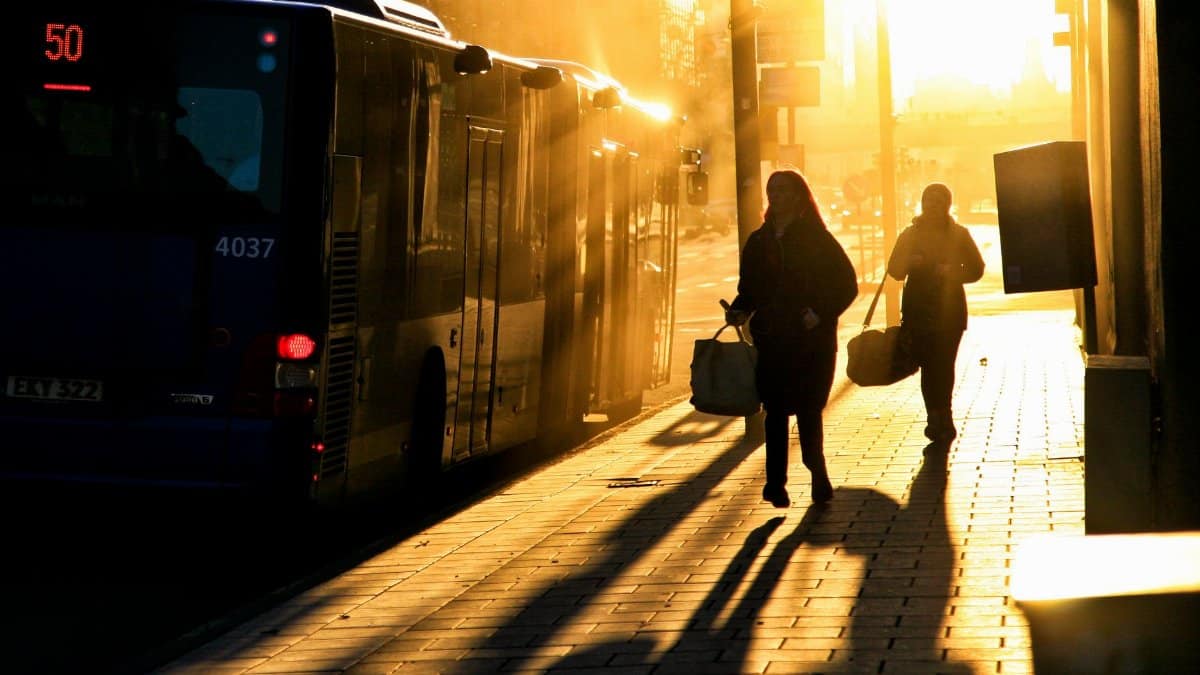
Travelers heading into the financial district will encounter rerouted paths starting early on Saturday. Public alerts emphasize the need for extra time as barriers go up along Market Street and adjacent avenues. Many drivers report shifting to side streets, though congestion builds quickly in those alternatives. Transit apps show updated schedules to reflect the changes, helping users avoid delays where possible.
Adjustments for Public Transit Riders
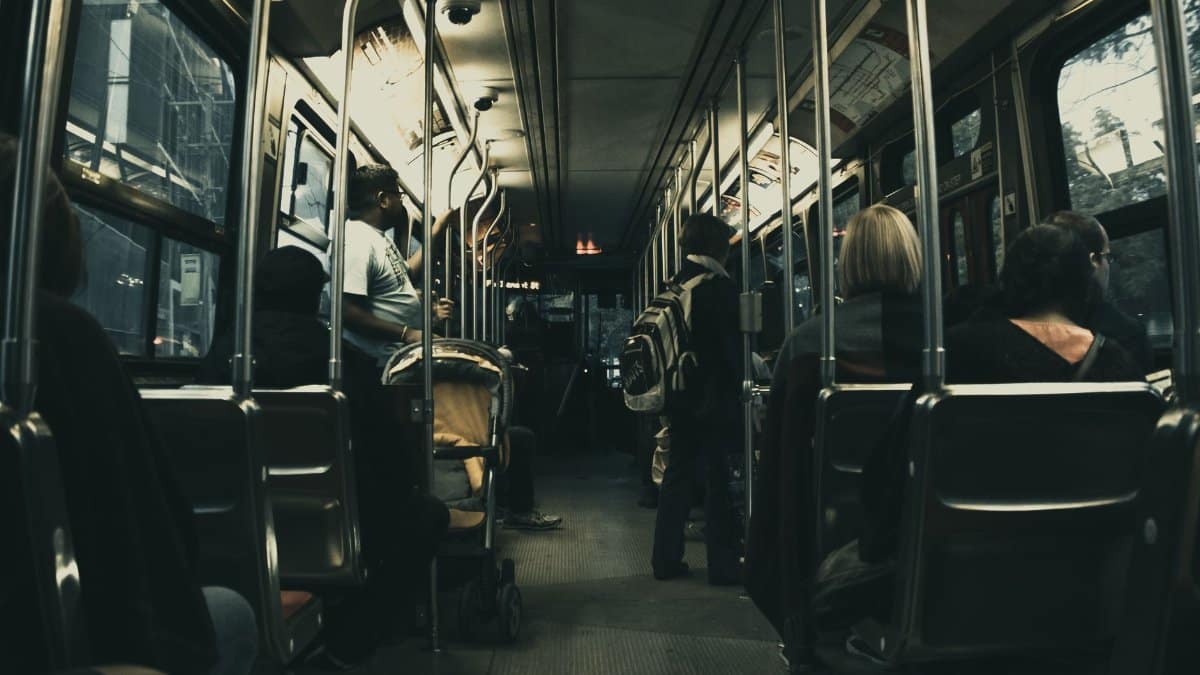
Muni lines face modified operations throughout the affected region, with some stops temporarily unavailable. BART stations nearby remain open yet advise passengers to plan for added walking distances. Operators encourage advance purchases of tickets to streamline boarding amid higher volumes. These adaptations aim to keep service flowing despite the surrounding restrictions.
Business Responses to Restricted Access
Shop owners along the parade route prepare by adjusting delivery schedules and extending hours on surrounding days. Some establishments report increased foot traffic from early arrivals, while others note slower sales during peak closure periods. Restaurants experiment with outdoor seating expansions to capture passing crowds. Overall, the mood mixes optimism with caution as proprietors adapt to the altered landscape.
Resident Experiences in Impacted Neighborhoods
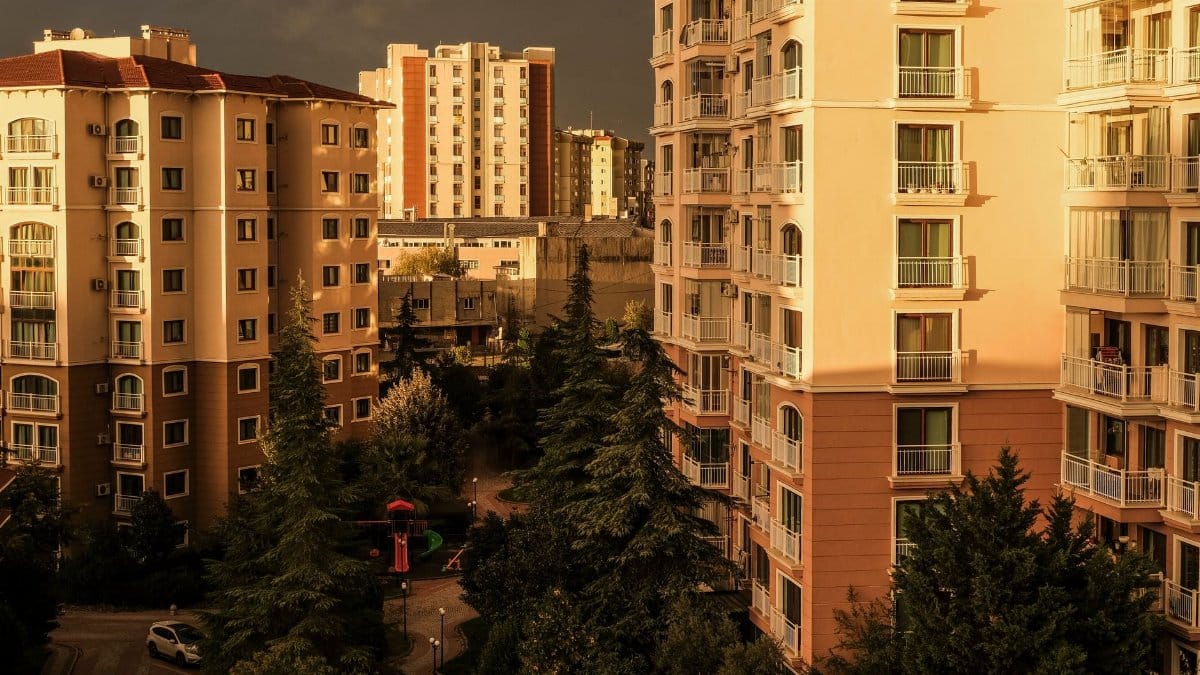
Longtime locals describe a mix of excitement and frustration when discussing the annual event. Families often choose to stay in or venture out early to secure parking. Noise levels rise with music and announcements, yet many appreciate the sense of community that emerges. Personal accounts highlight creative solutions such as carpooling or using rideshares before restrictions tighten.
Security Measures and Crowd Management
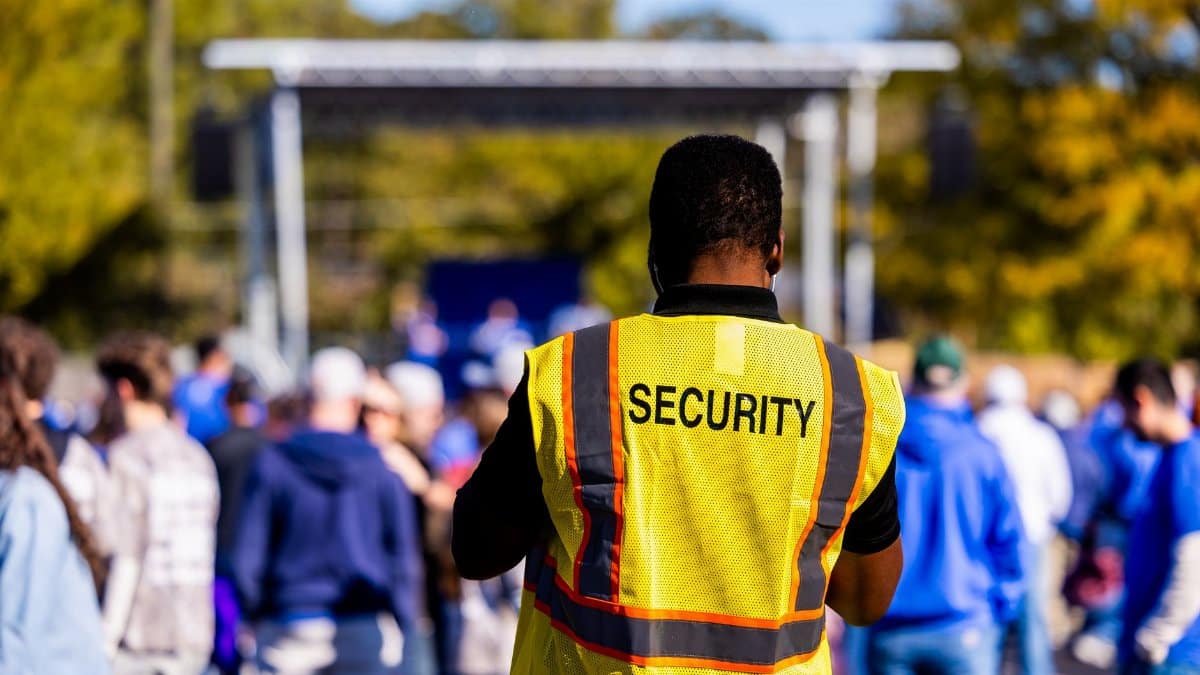
Police presence increases notably around the perimeter to guide movement and respond to any incidents. Barriers and signage direct both participants and observers toward safe viewing spots. Coordination between agencies ensures quick access for emergency vehicles throughout the day. These steps reflect lessons from prior years and focus on preventing disruptions beyond the intended scope.
Historical Patterns of Parade Planning

City records show that similar events have grown in scale over recent decades, prompting more detailed closure strategies each time. Past iterations involved fewer streets yet still required significant coordination. Current approaches build on that foundation with expanded zones for safety and accessibility. Observers note how the event has evolved from smaller gatherings into a major civic occasion.
Alternatives for Avoiding the Area
Those seeking to bypass the core zone can utilize outer neighborhoods or remote work options where feasible. Bike lanes outside the restricted sections offer another path for shorter trips. Regional transit connections provide links to less affected parts of the Bay Area. Planning tools from local agencies help map out these choices in advance.
Broader Implications for Urban Events
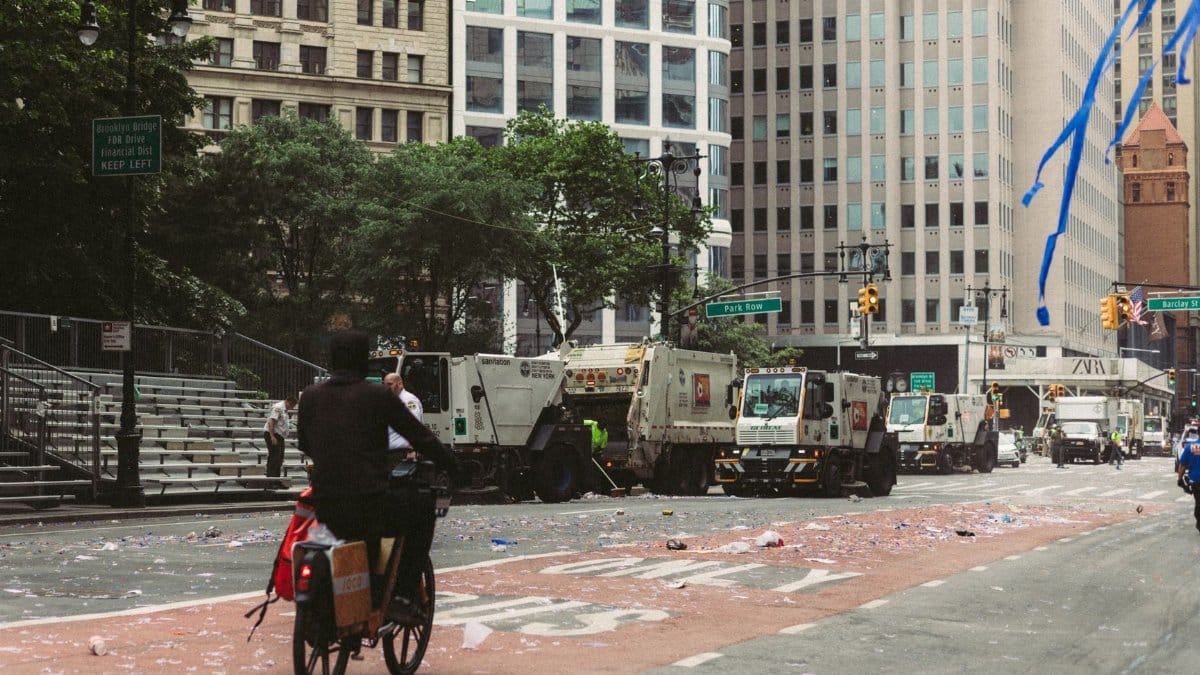
Such closures highlight ongoing tensions between large public gatherings and daily infrastructure demands. Discussions among planners consider how future celebrations might incorporate more flexible routing. The balance involves supporting cultural expression while minimizing strain on essential services. This weekend serves as one chapter in that continuing conversation.