
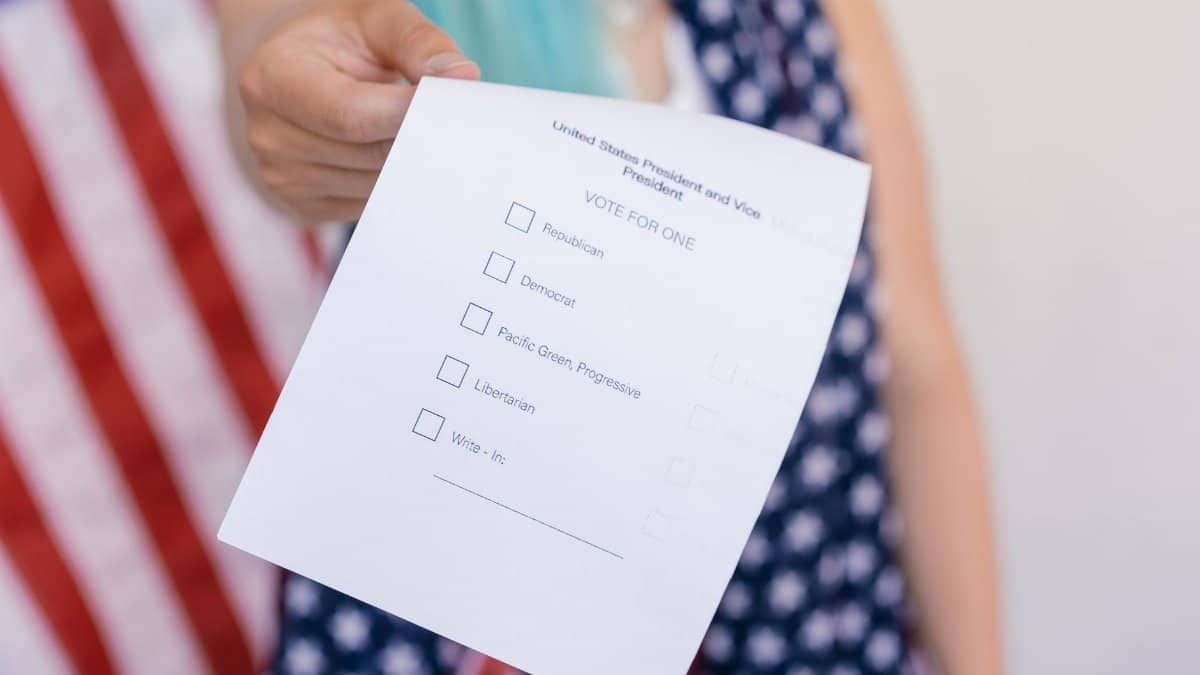
On a cold evening in Dearborn last winter, Democratic activists argued past midnight about whether their party still heard them. The quarrel was not new. It began in the presidential year, when protest votes and bruised loyalties exposed a fracture that party leaders hoped would close on its own. It has not. As candidates line up for the next Senate contest, Michigan Senate El-Sayed has become shorthand for a harder question: whether a progressive physician with deep roots in the state can reunite a coalition that 2024 left raw, or whether those wounds will shape the race before a single debate is held.
A coalition that never fully mended

Michigan Democrats entered 2024 with a map that looked favorable on paper and fragile in practice. The party held the governorship, both Senate seats, and a recent record of winning narrow statewide races by assembling Black voters in Detroit, union households, college towns, and growing suburban rings. That assembly always required patience. It asked people who disagreed about policing, schools, trade, and war to share a ballot and then go home.
The presidential year tested that bargain in public. Inflation had cooled from its peak but prices for groceries, rent, and car insurance still felt punishing. Autoworkers remembered a strike season that lifted some wages and left others anxious about plants and contracts. In Wayne County and beyond, anger over the war in Gaza produced an uncommitted protest that party strategists first treated as a message and later had to treat as a math problem. None of those groups walked away in a single file. They stayed, skeptical, and they are still here.
What the presidential year actually changed
The lingering tension is less a single grievance than a loss of trust in sequence. Voters who withheld support in a primary were told their protest had been noted. Many then watched the general election proceed with familiar language and few visible concessions. Some returned. Some did not. The result in Michigan was close enough that every bloc could claim it had been decisive, which is another way of saying no bloc felt secure.
That memory matters for a Senate campaign because Senate races in this state are won in the same precincts, with the same volunteers, and often with the same doubts. A candidate can raise money in national progressive circles and still lose a union hall in Macomb if the conversation sounds imported. A candidate can praise manufacturing and still lose Dearborn if the moral argument that animated 2024 is treated as a closed chapter. The party does not get to choose which memory is real. Both are.
The physician who keeps returning

Abdul El Sayed is not a new name in Michigan politics. He ran for governor in 2018 as a physician and public health official, arguing that a state built on cars and clean water could also be built on a health system that did not bankrupt families. He lost that primary to a better funded and better known rival, then remained a visible progressive voice rather than retreating into private practice and silence. His return to a statewide conversation is what gives Michigan Senate El-Sayed its particular charge. Supporters hear continuity. Skeptics hear a rematch with the same party establishment, only this time with higher stakes and a thinner margin for error.
His biography is easy to summarize and harder to weaponize cleanly. He is a doctor. He has spoken for years about insurance, pollution, and the cost of being sick in a state where factories and freeways sit near neighborhoods that already carry heavy health burdens. He is also Muslim, the son of immigrants, and a figure whose 2018 campaign drew national progressive attention. In a different year that mix might read as simple diversity. After 2024 it reads as a test of whether the party can talk about war, faith, and class without sorting voters into camps that refuse to share a stage.
Arab American communities and a moral ledger
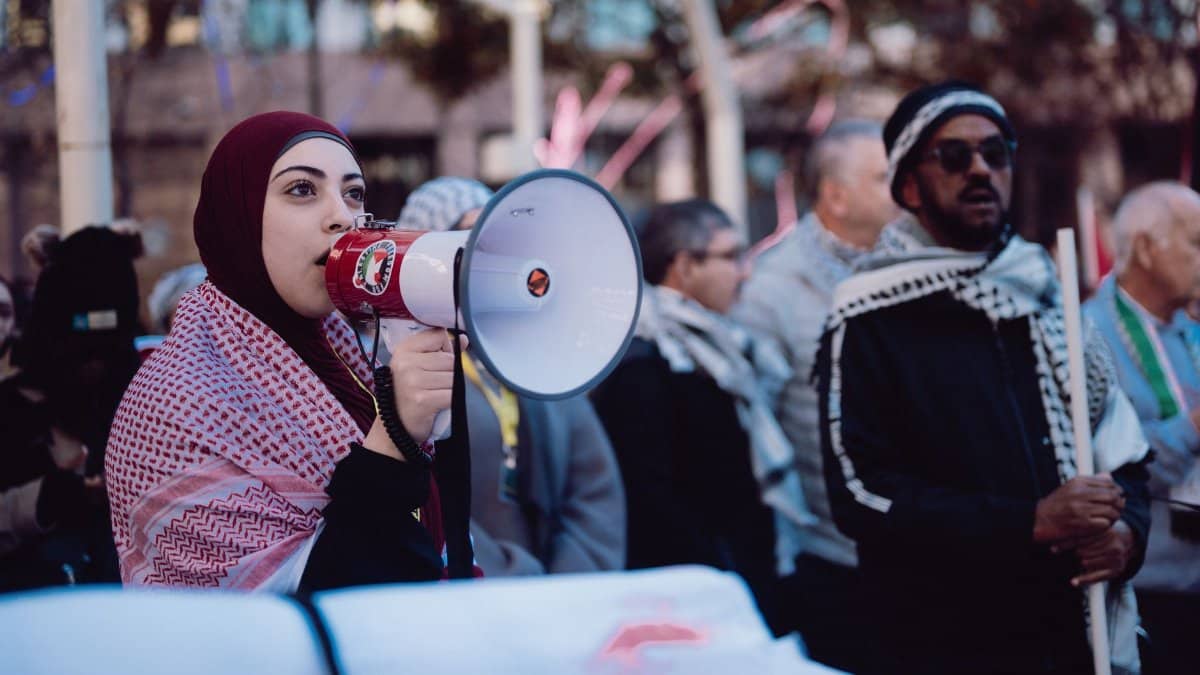
No honest account of Michigan Democratic politics can skip the communities that organized the uncommitted movement. Mosques, student groups, and family networks in Dearborn, Hamtramck, and nearby suburbs did not discover politics in 2024. They have voted, donated, and argued inside the party for years. What changed was the clarity of the break. People who had knocked doors for Democrats said, in public, that a foreign policy they viewed as indefensible had exhausted their patience.
For a Senate field that includes El Sayed, that ledger is personal and political at once. Voters who want a candidate fluent in their grief may see a physician who has criticized American support for the war as someone who does not need a translator. Voters who fear that any criticism of Israel will be cast as disqualifying may see the same speeches as a general election liability. The tension is not abstract. It shows up in endorsement meetings, in which imam is invited to a rally, and in whether a candidate is willing to say, on a weekday in Detroit, what was said on a weekend in Dearborn. Michigan Senate El-Sayed sits inside that choice, not above it.
Labor, prices, and the rooms that still decide races

If Gaza is the wound that national reporters recognize, the shop floor is the wound that still decides Michigan. Union density is not what it was, but the symbolic power of the UAW and building trades remains enormous. Workers who backed Democrats in recent cycles did so with a demand that was almost old fashioned: protect the job, respect the contract, and do not lecture us about a future that has not arrived at our plant yet. Electric vehicle investments brought headlines and also fear of retooling, relocation, and a transition managed from somewhere else.
A progressive Senate campaign that leads with health care can meet those voters if it stays concrete. Premiums, clinic closures, and the wait for a specialist are not elite topics in a state where a medical bill can erase a year of overtime. The risk is tone. Language borrowed from national activist lists can sound, in a union hall, like a candidate who has already decided the audience. The candidates who have won Michigan lately have been willing to sound local even when their money was not.
Progressives and the party that already won

There is another tension, quieter and just as stubborn. Michigan Democrats are not a party out of power looking for a savior. They have won. Governor Gretchen Whitmer built a brand on competence, abortion rights, and a careful distance from the leftmost edge of her coalition. Senators Gary Peters and Debbie Stabenow, in their different styles, practiced a politics of workmanship: committees, constituent service, and an avoidance of viral confrontation. Voters who liked that model may hear a louder progressive campaign as a step backward into 2018, when purity tests felt more important than the governor’s office.
El Sayed’s allies argue the opposite. They say the cautious model failed to prevent the 2024 fracture, and that a Senate nominee who tries to please every faction will please none. They point to young voters, renters, and public health workers who want a candidate willing to name insurers and polluters without a hedge. Both arguments can be true in different counties. A primary that forces a public choice between them will spend months teaching Republicans exactly where the seams are.
A primary that could do the other side’s work

Republicans do not need a detailed theory of Dearborn to benefit from a Democratic family argument. They need clips. A sharp exchange about Gaza, a dismissive line about suburban moderates, a union leader who stays neutral, a donor who flees: each becomes an advertisement that writes itself. Michigan Senate races are expensive, and outside groups have learned to treat intraparty resentment as raw material. The candidate who survives a bitter primary may enter the general election with a smaller volunteer list and a larger set of quotes.
That is the practical meaning of lingering tension. It is not only a matter of hurt feelings. It is a matter of who shows up in October, who talks to their cousin, and who decides that sitting out is a form of protest that still counts. In a state decided by tens of thousands of votes, a protest that felt symbolic in a presidential primary can become arithmetic in a Senate year.
Faith, grief, and civic habit
Michigan’s political map is also a map of congregations. Black churches in Detroit, Catholic parishes in the suburbs, mosques along Warren Avenue, and evangelical halls in the outer counties all function as places where people decide whether politics is worth their Saturday. After 2024, some of those rooms are quieter. Grief over the war, fatigue over prices, and a sense that national leaders perform concern without changing course have thinned the habit of showing up.
A campaign that treats those rooms as backdrops will learn the cost late. A campaign that treats them as audiences with memories can still ask for patience, but only if it offers something more specific than unity as a slogan. Pastors and imams are not precinct captains for hire. They will host a candidate who has done the unglamorous work of listening, and they will notice the candidate who arrives with a camera and a sentence about healing. The difference is visible, and it travels.
What unity would actually require

Unity, in this context, is not a joint press release. It is a set of concessions that someone will dislike. It might mean a progressive nominee who spends as many days in Macomb and Kent as in Ann Arbor, talking about premiums and plant schedules in sentences a shift worker can repeat. It might mean party leaders who stop describing Arab American protest as a distraction and start describing it as a constituency with conditions. It might mean donors who accept that a Michigan Democrat cannot sound like a podcast recorded on the coasts.
None of that guarantees a win. It does reduce the chance that the party spends the fall explaining itself to people who already voted for it once and felt ignored. The alternative is a nominee who clears a primary with a plurality and then discovers that plurality was the ceiling.
The calendar is not neutral

Senate campaigns in Michigan now begin early because television is costly and because the opposition will define a newcomer before the newcomer finishes a listening tour. Filing deadlines, endorsement windows, and the slow assembly of county chairs all reward candidates who look inevitable. That incentive cuts against the patience that 2024 demands. A rush to consolidate can look, to the voters who protested, like the same dismissal in a new suit.
El Sayed and anyone who runs against him will face that clock. Wait too long to address the fracture and the other side writes the story. Address it too sharply and the primary becomes the story. The skill is not rhetorical balance. It is sequence: which room first, which apology is real, which policy is specific enough to be checked later. Voters who felt used in the presidential year are better auditors than they used to be.
A race that may be settled before it looks settled
National Democrats sometimes talk about Michigan as a mood. The state is not a mood. It is a set of counties with different economies, different congregations, and a shared habit of punishing parties that take the habit for granted. The Senate race will be covered as a contest of biographies and fundraising totals. Under that coverage sits the unfinished argument of 2024: who belongs in the coalition, on what terms, and who gets to say the argument is over.
If party leaders treat Michigan Senate El-Sayed as a branding problem, they will miss the point. The name gathers a physician, a 2018 loss, a progressive network, and a state that just watched its presidential coalition argue in public. The tension lingers because it was never only about one candidate or one war. It was about whether a winning party can hear a no and change something visible before it asks for a yes again. That is the condition Michigan Democrats carry into the Senate race, and it will not be managed by hoping the presidential year fades. It will be settled, one room at a time, by whether the people who left the argument unfinished are invited back as partners or managed as a risk.