
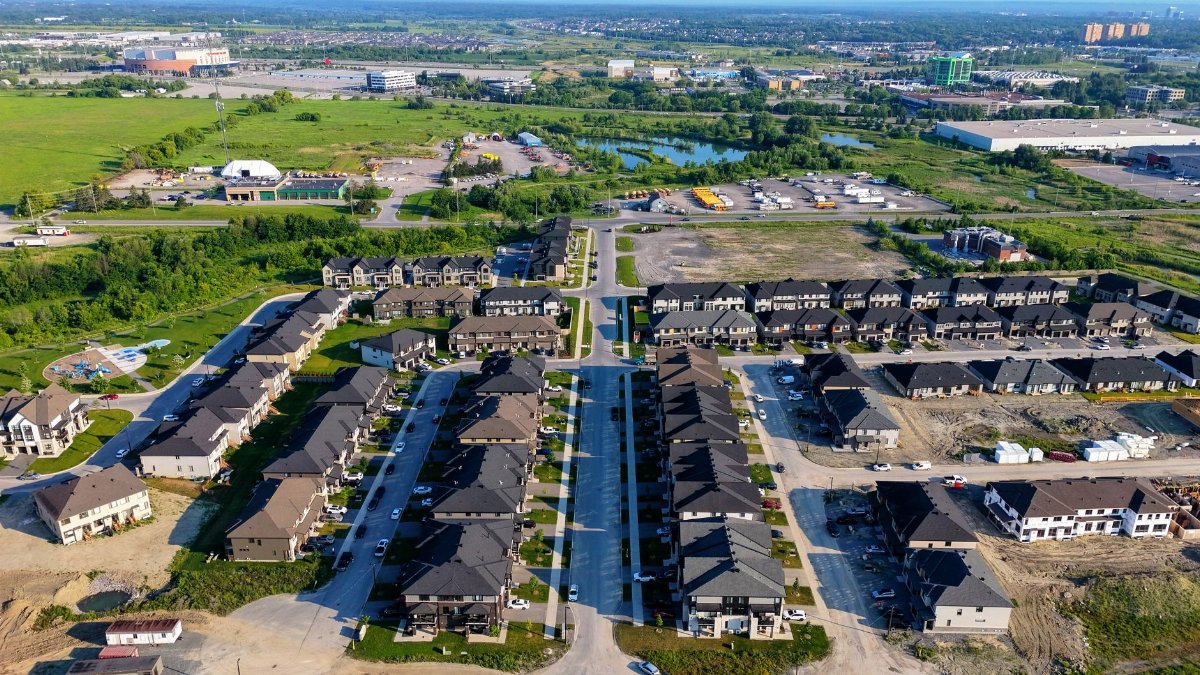
In many suburban communities, the question of fair pay for elected leaders often surfaces during budget debates and election cycles. Residents expect dedicated service on issues from infrastructure to public safety, yet compensation structures frequently lag behind the demands of the role. This tension raises important questions about access and equity in local governance, particularly when examining Suburban Mayor Salaries Public Service across places like Evanston and similar towns. The work involves long hours of meetings, constituent outreach, and policy decisions that shape daily life, all while many officials balance full time careers elsewhere.
Compensation Patterns Across Suburban Communities

Many towns set mayor pay at levels that reflect part time assumptions, even as responsibilities grow with population and complexity. In practice, leaders often log hours comparable to executive positions in private industry without matching rewards. This setup influences who steps forward to run, narrowing the pool to those with independent income sources or flexible employers.
Daily Demands on Local Officeholders

A typical week for a suburban mayor includes evening council sessions, weekend events, and constant communication with residents and staff. Preparation for votes on zoning or budgets requires review of detailed reports that arrive with little advance notice. These tasks accumulate quickly, turning what appears on paper as modest duty into a schedule that competes with family and professional obligations.
Who Steps Forward Under Current Pay Structures
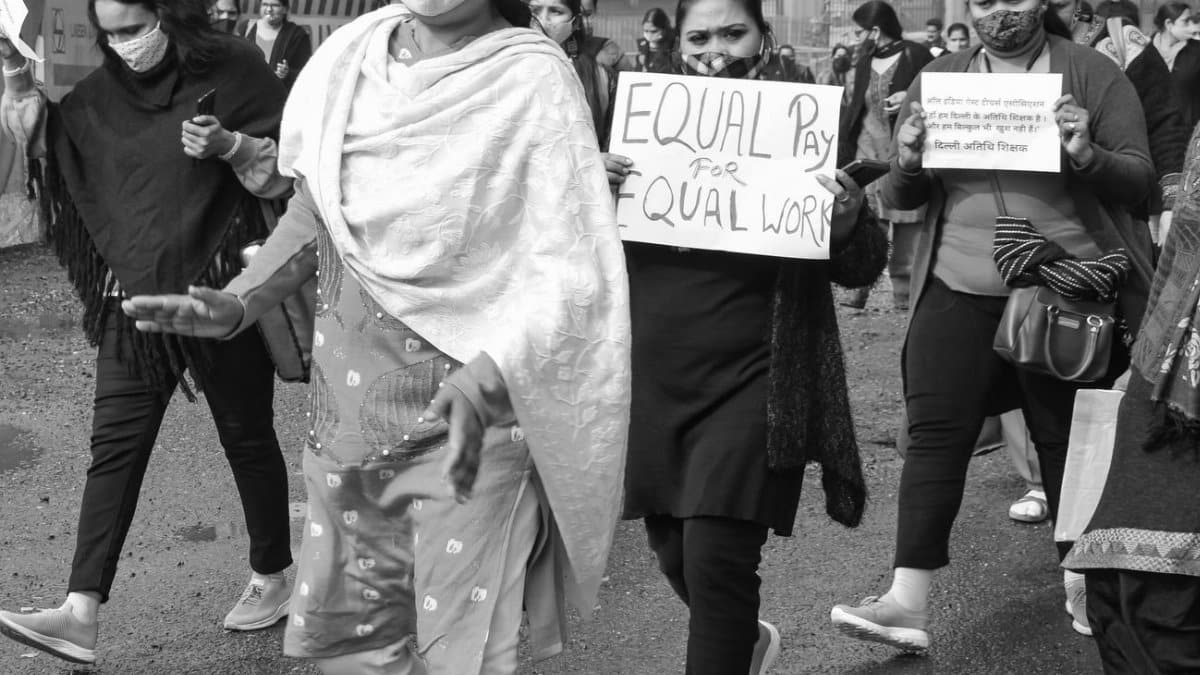
Candidates with established careers in law, medicine, or business often find it easier to absorb the income gap that comes with public roles. Retirees represent another common group, bringing experience but sometimes limited energy for emerging challenges. Younger professionals and working parents encounter steeper barriers, as the financial tradeoffs can affect mortgages, college savings, and career progression.
Comparisons With Neighboring Municipalities
Nearby cities sometimes offer stipends that scale with population size or include benefits such as health coverage. Others maintain volunteer models rooted in earlier eras when towns were smaller and issues less technical. These differences create uneven playing fields, where talent migrates toward better supported positions or away from elected service altogether.
Effects on Policy Continuity and Expertise

Low or symbolic pay can shorten tenures as officials weigh personal costs against public contributions. Frequent turnover disrupts ongoing projects like road repairs or economic development plans that benefit from institutional memory. Communities may lose institutional knowledge just as complex regional issues require sustained attention.
Broader Implications for Civic Participation

When compensation fails to match workload, public service risks becoming an activity reserved for specific economic strata. This pattern can reduce the range of perspectives in decision making rooms, affecting outcomes on housing, education, and environmental matters that touch all residents. Discussions about reform often circle back to questions of sustainability rather than temporary fixes.
Paths Toward Adjusted Support Systems

Some councils have explored modest increases tied to performance metrics or inflation adjustments, while others consider shared administrative resources to ease individual burdens. Pilot programs in select suburbs test flexible meeting formats or staff support for routine correspondence. These experiments aim to broaden the candidate field without straining limited local budgets.
Resident Views on Leadership Investment

Surveys in several suburbs reveal divided opinions, with some taxpayers prioritizing restraint on government spending and others recognizing that underpaid roles limit effective governance. Town hall conversations frequently highlight the value placed on accessible leaders who understand neighborhood concerns firsthand. Balancing these perspectives requires clear communication about actual time commitments involved.
Looking Ahead for Suburban Governance Models

As metropolitan areas expand outward, the mismatch between expectations and rewards for mayors will likely draw continued scrutiny. Thoughtful adjustments could strengthen the pipeline of candidates ready to address housing pressures, climate adaptation, and infrastructure needs. The conversation ultimately centers on sustaining capable leadership that reflects the full diversity of suburban life.