
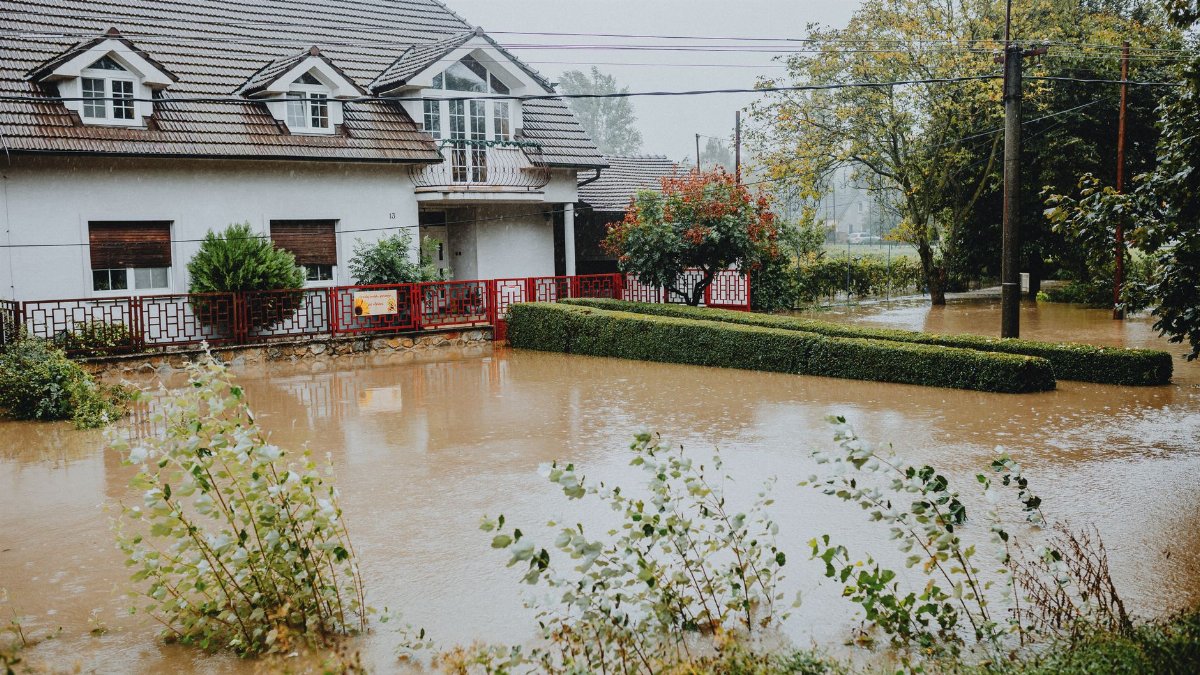
Recent weeks have brought repeated downpours to the northeast, leaving many residents watchful as water levels rise in rivers and streams. These conditions underscore the Southern New England Heavy Rain Flood Risk that demands attention from local officials and households alike. Communities find themselves balancing daily routines with the need to monitor forecasts and prepare for possible disruptions. The pattern echoes earlier seasons when similar weather tested roads, homes and emergency services without warning.
Weather Patterns Driving Recent Storms

Persistent low pressure systems have lingered over the region, pulling moisture from the Atlantic and channeling it inland. Forecasters note that these setups often produce prolonged periods of steady rain rather than brief downbursts. As a result, soil saturation increases quickly, reducing the ground ability to absorb additional water.
Effects on Towns and Cities

Smaller communities along the coast and in river valleys report the earliest signs of strain. Streets in older neighborhoods collect water faster than drainage systems can handle. Local businesses adjust hours while schools review dismissal plans to keep students safe during peak rainfall hours.
Infrastructure Under Pressure

Aging culverts and storm drains built decades ago now face volumes they were never designed to manage. Transportation departments deploy crews around the clock to clear debris and inspect bridges. These efforts help limit road closures yet cannot eliminate every vulnerable spot.
Role of Community Networks

Neighbors share updates through informal phone trees and local radio updates. Churches and civic groups open spaces for temporary shelter when needed. Such cooperation reflects long standing traditions of mutual support during difficult weather.
Lessons From Earlier Seasons

Past events showed that advance sandbagging and elevated storage of valuables reduced losses for many families. Officials review those experiences to refine current response plans. Public meetings allow residents to ask questions and learn specific routes for evacuation if conditions worsen.
Environmental Factors at Play

Warmer ocean temperatures contribute to higher moisture content in storms. Forest cover in upstream areas helps slow runoff, yet development has reduced some of those natural buffers. Conservation districts encourage property owners to maintain vegetated buffers along waterways.
Looking Ahead for the Region
Meteorologists continue to track broader atmospheric trends that may shape future rainfall totals. Regional planning agencies examine how land use policies can lessen runoff in coming years. These discussions involve multiple towns working together on shared watersheds.
Practical Steps for Households

Residents can check gutters and downspouts before heavy rain arrives. Keeping an emergency kit with flashlights, batteries and important documents ready provides peace of mind. Listening to official alerts rather than rumors helps everyone respond calmly when water begins to pool.