
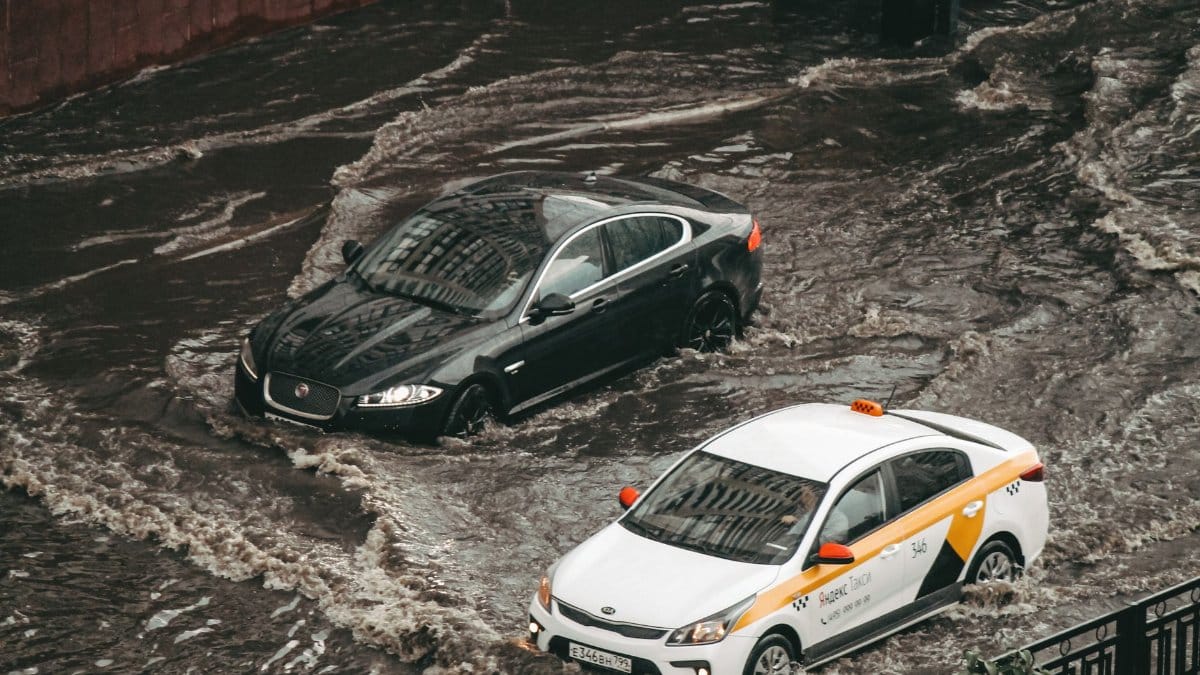
The turkey was still cold in the refrigerator when rain began to hammer the barrier islands. In Ocean City, water rose through storm drains and crossed curbs that, on an ordinary November morning, would have carried people toward bakeries and coffee. Thanksgiving storm flooding turned a holiday of travel and reunion into a test of sump pumps, patience, and neighborly favor from the Jersey Shore inland toward Philadelphia.
How a holiday morning came apart

Thanksgiving asks for a certain theater. Someone drives before dawn. Someone else argues about the stuffing. Children claim the good chairs. The storm did not care about any of that. Wind shoved rain sideways against windows. Gutters overflowed. In low streets near the bay, the first standing water appeared while many kitchens were still dark.
Residents who have lived through coastal storms know the sequence. The sky lowers. The inlets look wrong. Then the drains stop taking water and start giving it back. This year the sequence landed on the one morning when houses were fullest and travel plans were least flexible. People who had come for a long weekend found themselves watching the street instead of the oven.
Ocean City and the towns beside it
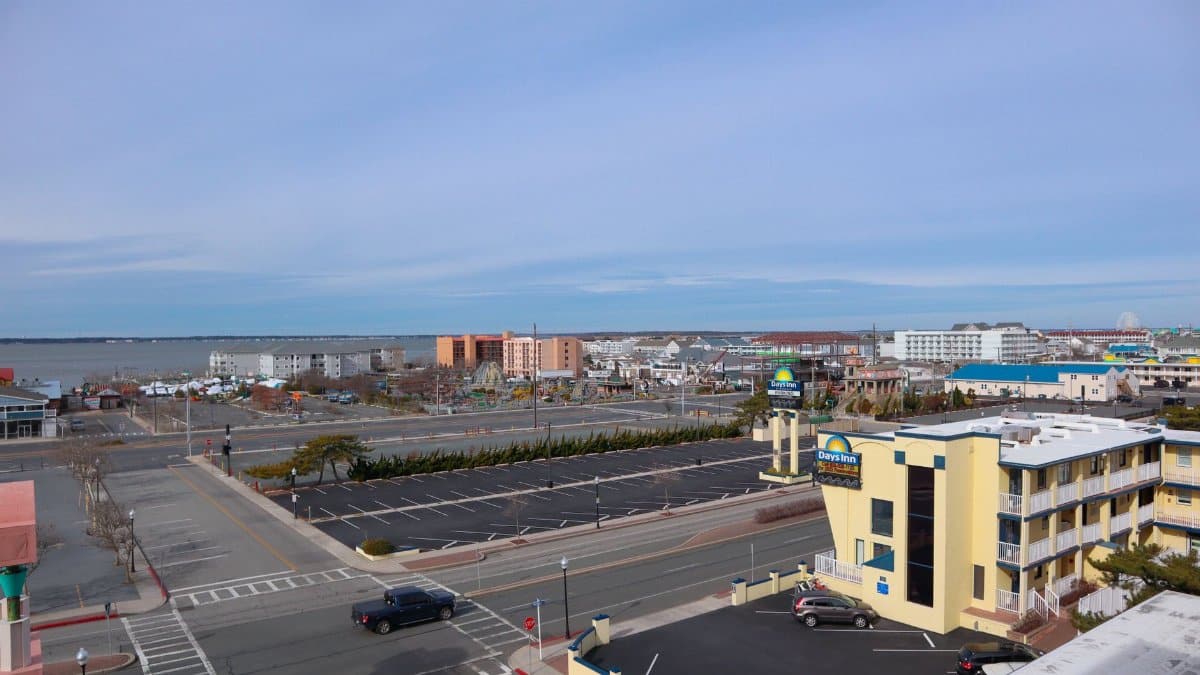
Ocean City took a conspicuous share of the damage. Water spread across neighborhoods that sit close to the bay and the ocean, the kind of ground where a high tide and a hard rain can meet in the same hour. Cars sat in water that reached the doors. Sand and leaves clogged grates. Boardwalk towns nearby saw the same pattern, with alleys becoming channels and parking lots turning into shallow ponds.
Barrier island life is a bargain with the Atlantic. The views are the reason people stay. The water is the reason they keep a mental list of what to move upstairs. On this Thanksgiving that list got used. Photographs, papers, and anything that could not survive a soak went to second floors and onto tables. What could not be lifted stayed and took the hit.
When streets become rivers
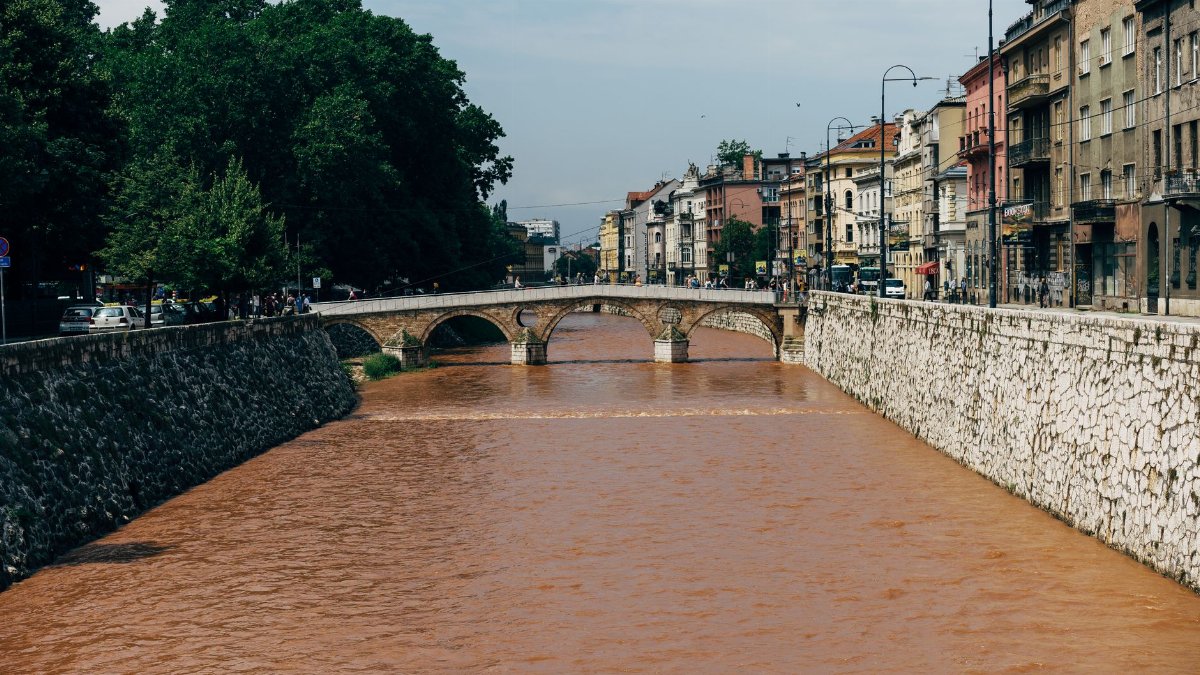
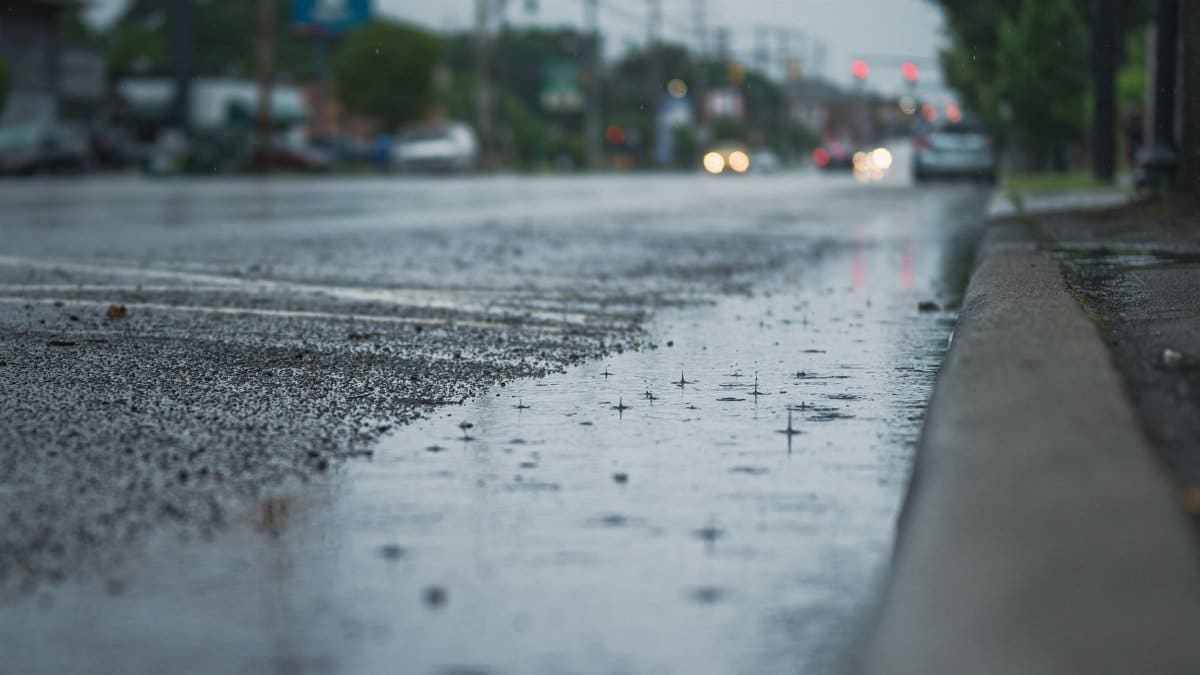
Flooding on the Shore is rarely a single dramatic wave in the popular imagination. More often it is a slow occupation. Water finds the lowest path, then the next, then the intersection everyone uses to reach the bridge. Drivers who thought they could slip through learned, again, that a familiar road can hide a drop off. Engines died. Some people left vehicles and walked back through water that was colder than it looked.
Local crews closed stretches where passage was no longer sensible. That decision, ordinary in a storm and maddening on a holiday, split families who were twenty minutes apart on a clear day. Phone calls replaced place settings. The question stopped being what time dinner would be and became whether anyone could get there at all.
A dark map across the Philadelphia region
The water was not the only failure. Power outages spread across the Philadelphia region, with reports putting the number of homes in the dark above 100,000. Wind and saturated ground take down limbs. Limbs take down lines. A holiday kitchen without electricity is a particular kind of stall: the bird half cooked, the refrigerator warming, the lights gone just as guests arrive or fail to arrive.
In city neighborhoods and older suburbs, outages stacked on top of flooded basements. Sump pumps that had been the whole plan went silent when the current did. People formed bucket lines in houses that had never needed one. Utility trucks moved where they could. Where roads were under water, restoration waited, and waiting was the hardest fact to explain to a child who had been promised pie.
Travel plans that would not hold

Highways into Philadelphia and toward the Shore filled with the usual Thanksgiving load and then with something worse: standing water, disabled cars, and a forecast that kept people second guessing every exit. Trains and buses faced their own delays. Those who had already arrived were, in a grim way, the lucky ones. Those still on the road had to choose between pushing on and turning around into the same storm.
I have spent enough holidays on those corridors to know how quickly a schedule becomes a fiction. The fiction collapsed early this time. Hosts texted that the door was open whenever anyone could reach it. Guests texted back from rest stops, from darkened houses, from cars idling on high ground. The meal, if it happened, happened in pieces.
Crews who worked while others waited
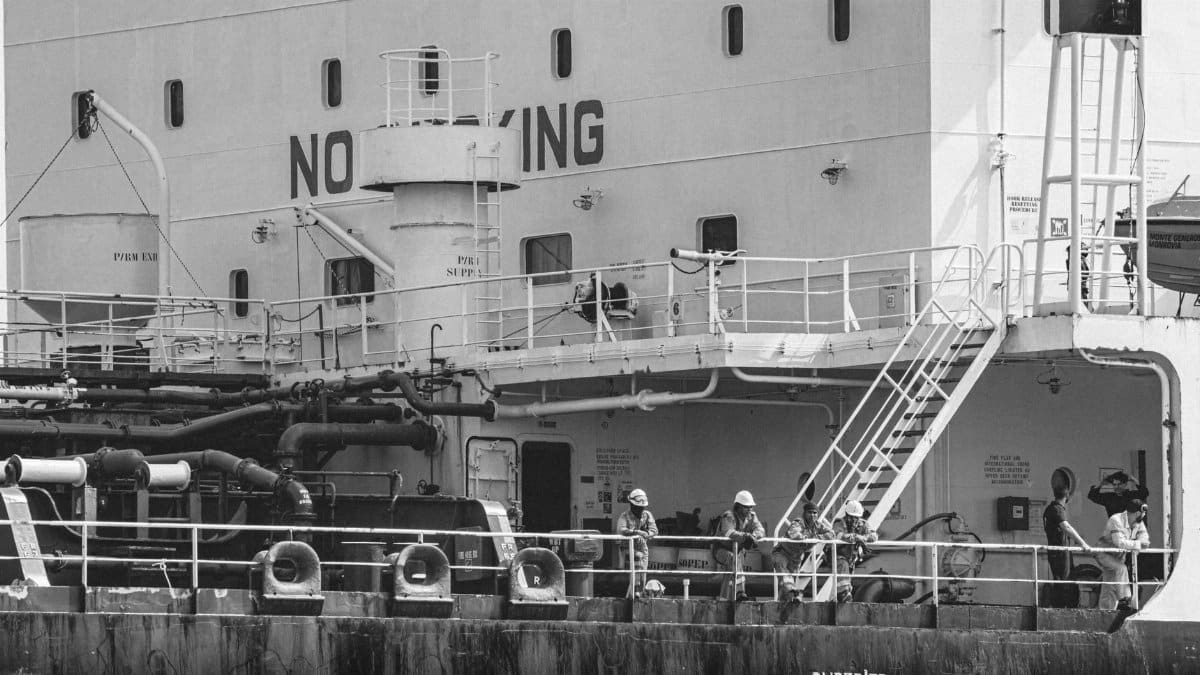
Emergency workers, public works teams, and utility crews gave up their own tables. They marked flooded blocks, pumped what they could, and answered calls from people unsure whether to stay or leave. On a barrier island, leaving is not a small choice. Bridges can close. A wrong turn can put a family in deeper water than the house they left.
Officials urged the usual caution, and for once the caution matched what people could see from their porches. Do not drive through it. Do not assume the next block is better. Do not treat a quiet street as a safe street. The advice is old. The storm made it new again by enforcing it.
What the sky had been saying
Coastal storms in late November are not a surprise to anyone who watches the Shore. Cold air, a busy Atlantic, and a holiday that falls near the end of the month create a standing risk. Forecasters had pointed to heavy rain and gusty wind. The surprise, as it often is, lived in the details: which tide, which town, which hour when the drains gave up.
Residents argued, as they always do, about whether the warning had been loud enough. Some said they had moved the cars and cleared the gutters. Others said the morning still felt like an ambush. Both can be true. A forecast describes a region. A flood occupies a single block, and that block is the only one that matters to the person bailing it.
Homes, shops, and the cost that lingers
The visible mess is water on the floor. The lasting mess is what the water touches. Drywall wicks moisture upward. Insulation holds it. Wooden floors cup. A small shop near the bay can lose a week of holiday trade and a season of inventory in the same afternoon. For owners who count on Thanksgiving weekend, the loss is not abstract. It is rent, payroll, and a register that never opened.
Insurance arguments will follow, as they always do after coastal water. What counts as flood, what counts as wind, what a policy actually promised: those fights happen in quiet rooms long after the cameras leave. Families without coverage will do the math with fans, bleach, and borrowed dehumidifiers. None of that math fits on a holiday card.
Tables set and then abandoned
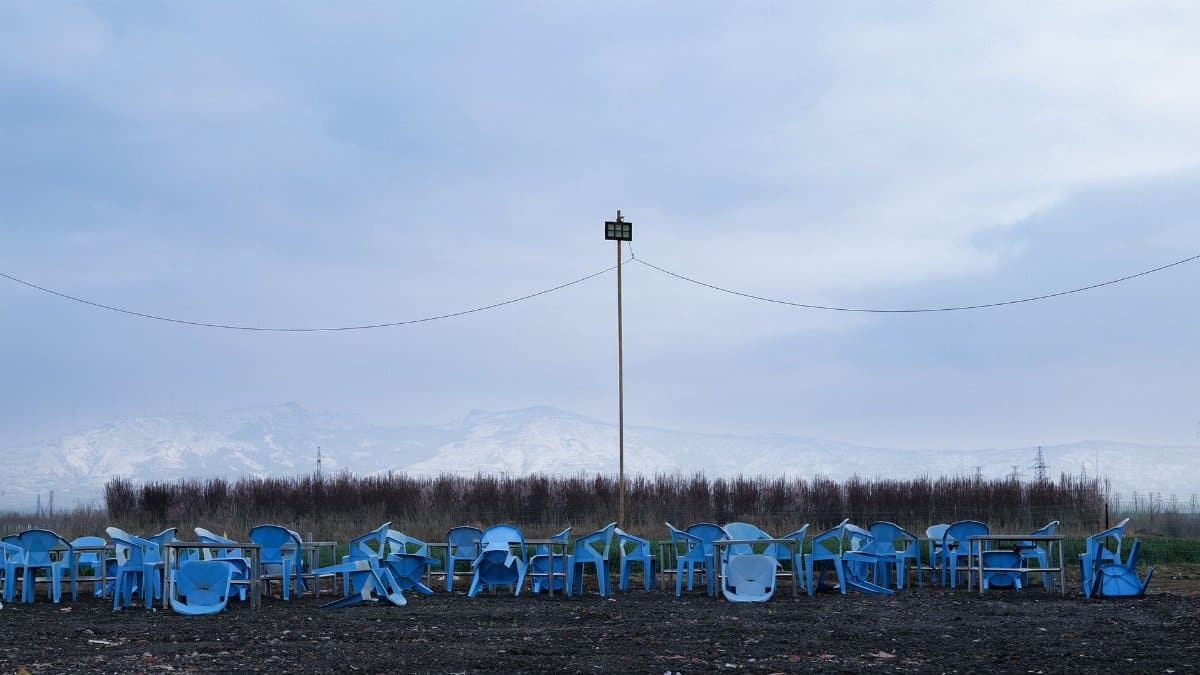
There is a particular sadness to a meal that never quite begins. Platters sit out. Candles burn down. Someone keeps reheating the same dish because hope is a habit. In houses that still had power, dinner happened late and smaller than planned. In houses that did not, people ate what could be eaten cold and called it enough.
Thanksgiving storm flooding did not erase gratitude so much as relocate it. People were thankful for a second floor, for a neighbor with a generator, for a text that said everyone was above the water line. The larger performance of abundance gave way to a shorter list. Warm. Dry. Accounted for. On a day built around plenty, that shorter list felt both poorer and more honest.
Open doors and the old practice of shelter
Across the region, congregations did what congregations often do when weather overruns a plan. Churches, synagogues, and other houses of worship that still had light and dry rooms became informal way stations. Not grand shelters in every case. A parish hall with coffee. A basement that was, for once, the dry one. A pastor or a lay leader keeping the door unlocked because the theology of the day was simple: people should not be alone in a flood.
This is an old practice dressed in modern weather. Hospitality is a spiritual claim before it is a social one. It says a stranger’s emergency is not a private inconvenience. On a holiday already devoted to thanks, the storm made that claim concrete. Volunteers checked on older neighbors. Teenagers carried sandbags. A borrowed charger and a folding chair became a ministry of no particular denomination.
Some will call that ordinary kindness and refuse the religious frame. Fair enough. The effect was the same. In a news cycle that files weather under inconvenience, the quieter story was people treating one another as obligations rather than obstacles. That habit is one of the few trends in American spiritual life that still shows up in the street when the street is under water.
The long work after the rain stops
When the rain eased, the work did not. Pumping out a basement is the start, not the end. Mold does not wait for a convenient Monday. Photographs warp. Furnaces fail. The smell arrives a day later and stays. Families who had planned to drive home on Friday stayed to tear out carpet, or left and worried about what they could not see.
Municipal crews will measure the damage in closed roads, overtime, and debris. Households will measure it in ruined belongings and days stolen from work. The two ledgers rarely match. A town can look recovered from the bridge while a dozen kitchens remain gutted. Recovery, on the Shore, is always more local than the headline.
What this storm asks of the next one
No single holiday storm rewrites a coastline. It does refresh the argument. Drains need clearing before the season, not during it. Power lines that fall in every serious wind are not a mystery. Houses built in the path of routine tidal flooding will meet that water again. Residents know this. They also know that leaving is expensive, that views are a kind of wealth, and that memory fades between storms until the next Thanksgiving proves it has not faded at all.
Preparedness is an unglamorous virtue. It looks like a charged battery, a full gas can used only for a generator, a list of who needs a ride if the lights fail, a decision made in October about what belongs upstairs. Spiritual traditions have language for this. They call it stewardship, or simply care. The secular version is the same list on the refrigerator. Either way, the list matters more than the speech after the fact.
A region counting what remains
By the time the last guests found a route or gave up on one, the Philadelphia region and the Jersey Shore had a shared story that did not fit the usual holiday script. Thanksgiving storm flooding had swamped Ocean City and neighboring Shore towns. Darkness had reached more than 100,000 homes. The bird, in many houses, was beside the point.
What remained was the plain inventory of a hard day. Who got home. Who still had heat. Who would need a contractor, a claim form, a ride to a hardware store. Gratitude, if it survived, survived in that inventory. Not as a performance. As a count of what the water did not take, and of the people who showed up while it was still rising.