
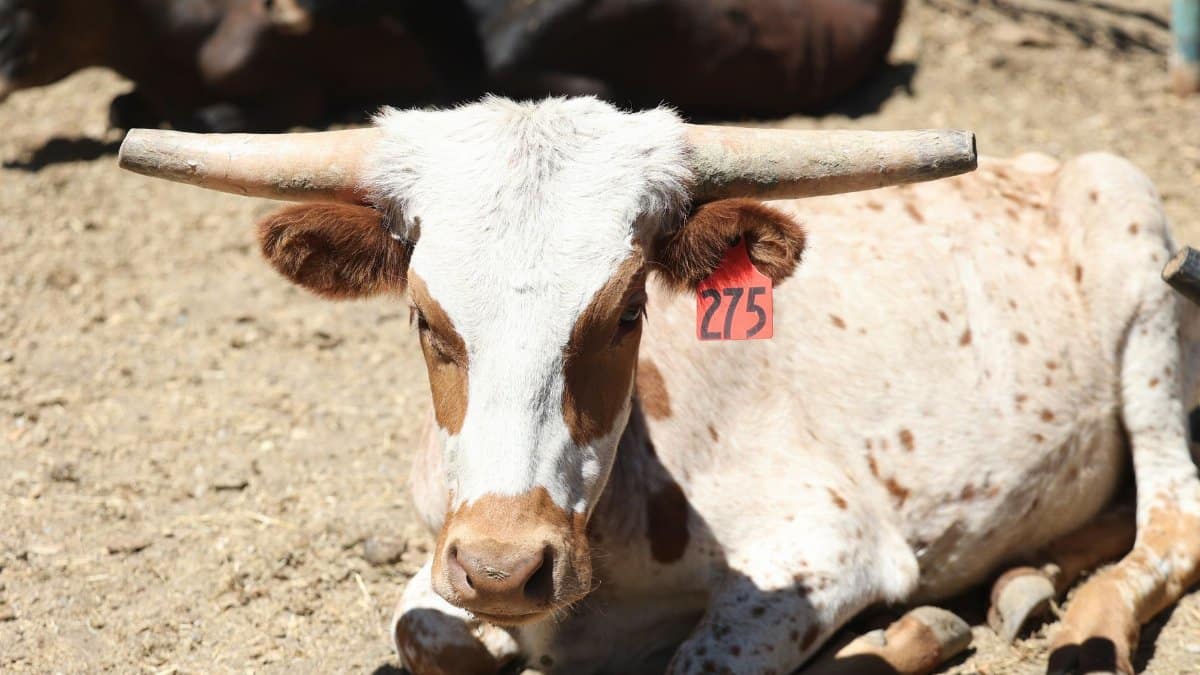
In the rolling plains north of Houston a quiet unease has settled over cattle operations as state and federal agents move in to examine herds with renewed intensity. The move comes after several confirmed infestations that echo a danger once thought eliminated decades ago. Texas Screwworm has surfaced again in the region and authorities are determined to keep it from spreading further into the nations livestock supply.
Background on the Current Outbreak
Reports from ranchers near the city described unusual wounds that refused to heal and attracted flies in greater numbers than usual. Laboratory tests confirmed the presence of the parasite responsible for these injuries. Officials traced the likely entry point to imported animals that bypassed earlier checks at the border.
Role of State and Federal Inspectors

Teams from the Texas Animal Health Commission now work alongside United States Department of Agriculture specialists. They visit farms on a rotating schedule and collect tissue samples from any animal showing signs of infestation. The joint effort aims to map every affected location before the parasite can reach major cattle markets farther west.
Impact on Local Ranching Families
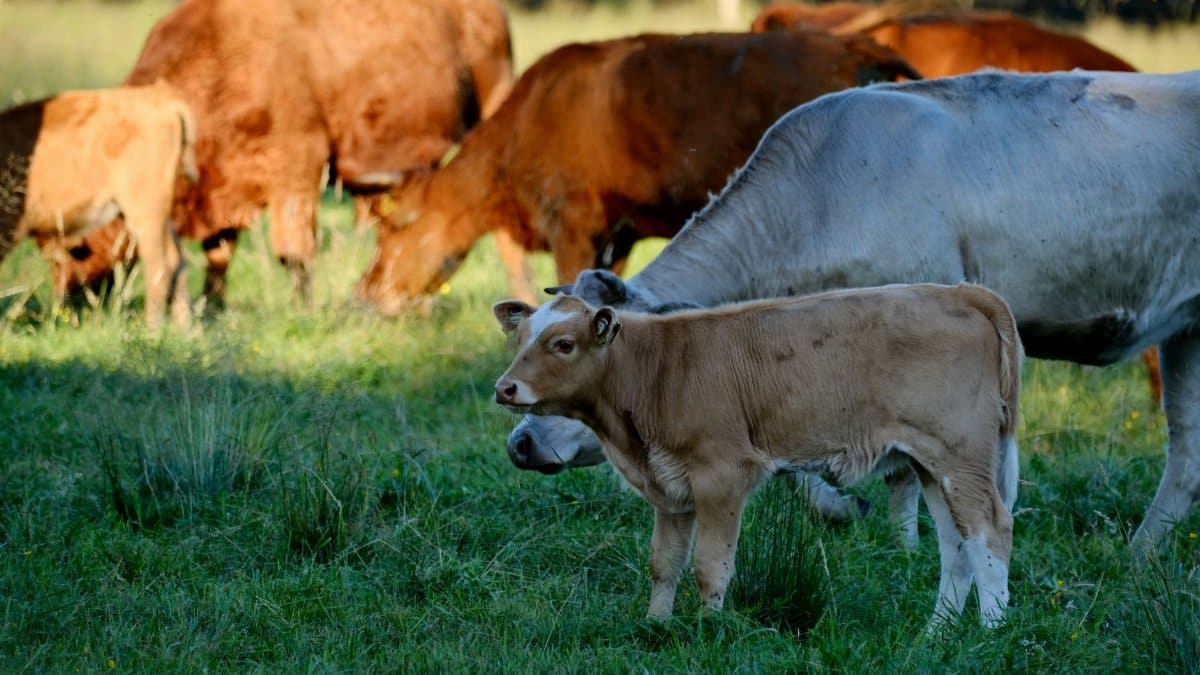
Owners who have tended herds for generations describe the sudden inspections as both reassuring and disruptive. Daily routines shift when agents arrive and animals must be separated for examination. Yet most accept the inconvenience because an unchecked spread would threaten their entire livelihood and the regional economy that depends on steady beef production.
Lessons From Past Eradication Campaigns

Texas once led a successful program that removed the pest from the United States by the 1960s. Sterile insect releases played a central part in that victory. Current planners study those records to decide whether similar techniques should return if the number of cases continues to climb through the summer months.
Public Health Considerations

Although livestock remain the primary target the parasite can also affect household pets and on rare occasions humans. Medical centers in the Houston area have received updated guidance on how to recognize and treat any suspicious wounds. Early intervention prevents the larvae from causing deeper tissue damage.
Economic Pressures on the Beef Industry
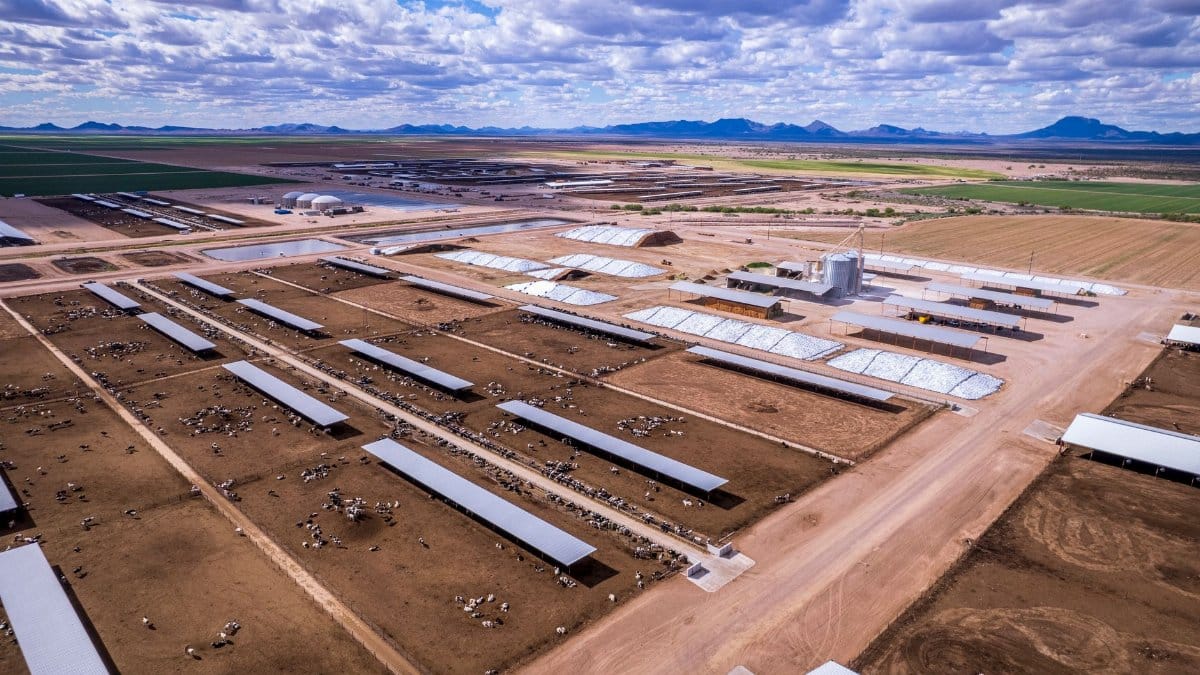
Market analysts note that even limited restrictions on animal movement can raise costs for feedlots and processors. Buyers watch for announcements that might limit shipments from the affected counties. So far no broad quarantines have been ordered but the possibility remains under active review by state veterinarians.
Community Response and Education Efforts

Extension agents have begun holding evening meetings at county halls to explain symptoms and reporting procedures. Ranch hands learn to look for small groups of flies clustered around a single wound. Prompt notification allows crews to treat individual animals before the infestation widens.
Future Monitoring Strategies

Officials plan to expand the use of sentinel herds equipped with electronic tags that record any change in behavior or weight. Data from these animals will feed into models that predict where the next cluster of cases might appear. The goal is to stay ahead of the parasite rather than react after damage has occurred.
International Trade Implications

Mexico continues to battle pockets of infestation along its southern border. Any northward movement could complicate efforts to keep the United States free of the pest. Trade negotiators therefore maintain close contact with their counterparts south of the Rio Grande to coordinate surveillance on both sides.
Conclusion on Sustained Vigilance

The return of Texas Screwworm serves as a reminder that old threats can reappear when vigilance slips. Continued investment in inspection teams and rapid response protocols offers the best protection for ranchers and consumers alike. With coordinated action across agencies the current rise in cases can be contained before it becomes a larger crisis.