
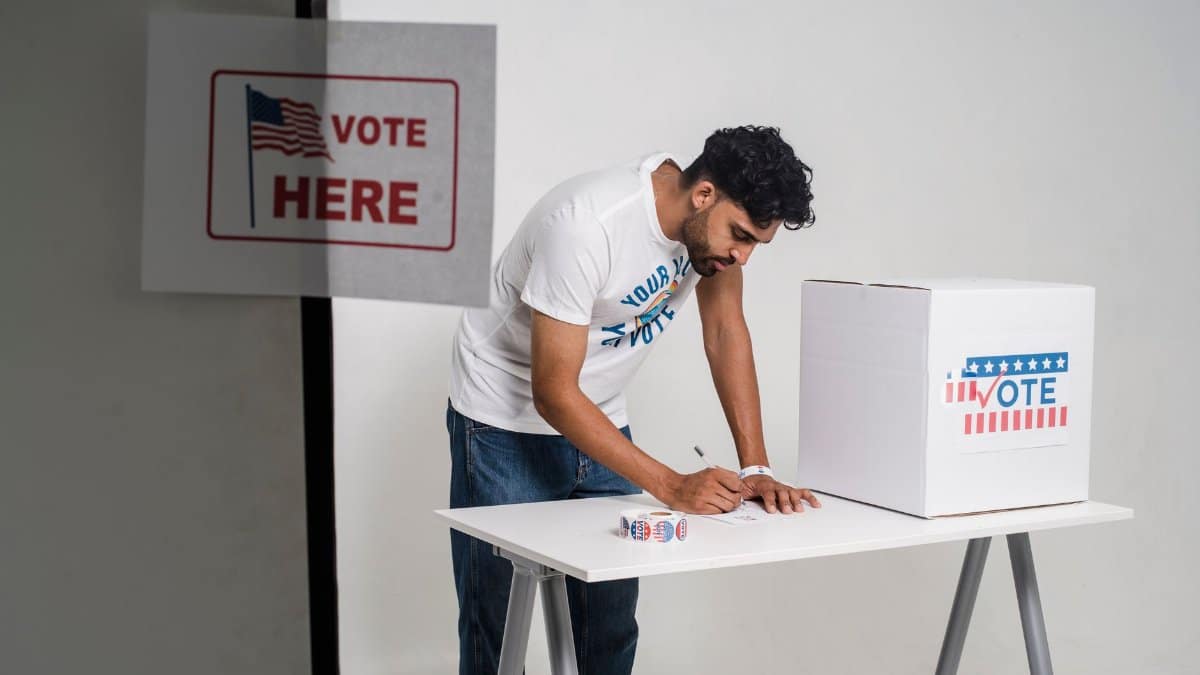
Voters across Washington state prepare to cast ballots by mail or in person on August 4 2026 as a range of contests unfold from legislative seats to local measures. The Washington primary stands out this cycle for its top two format that narrows fields without regard to party labels. Observers note steady turnout trends in recent cycles amid debates over library funding in Seattle and broader questions about state leadership. This moment invites reflection on how everyday choices shape community direction.
Format of the Primary System

The structure allows all voters to select from the full list of candidates regardless of affiliation. Those who finish in the top two positions move forward regardless of their declared party. This approach has shaped outcomes in prior cycles by favoring broader appeal over narrow bases.
Seattle Library Measure in Focus

Residents consider a proposed levy aimed at sustaining branch operations and digital resources. Supporters highlight expanded access for families and students while critics question the scale of the ask. The measure appears on ballots citywide and ties into ongoing conversations about public investment priorities.
Legislative Contests Across Districts
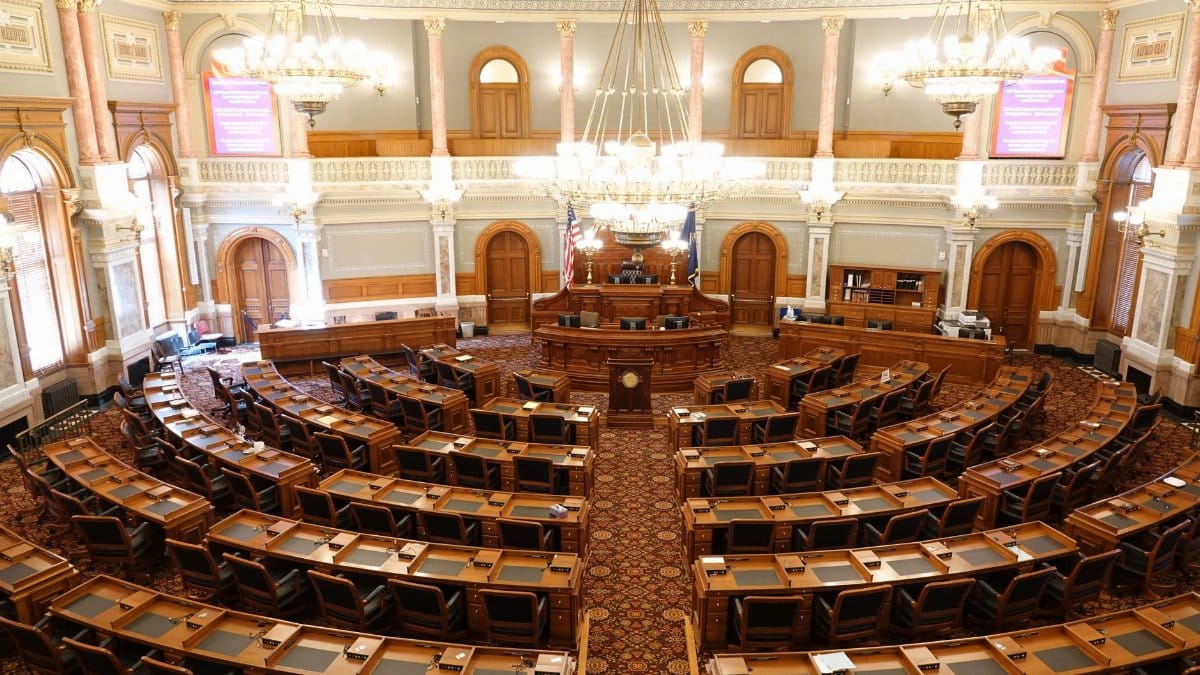
Several state house and senate races feature multiple contenders seeking advancement. Candidates emphasize housing costs education funding and transportation needs in their outreach. Early returns often signal momentum that carries into the fall campaign period.
Turnout Patterns Among Middle Aged Voters
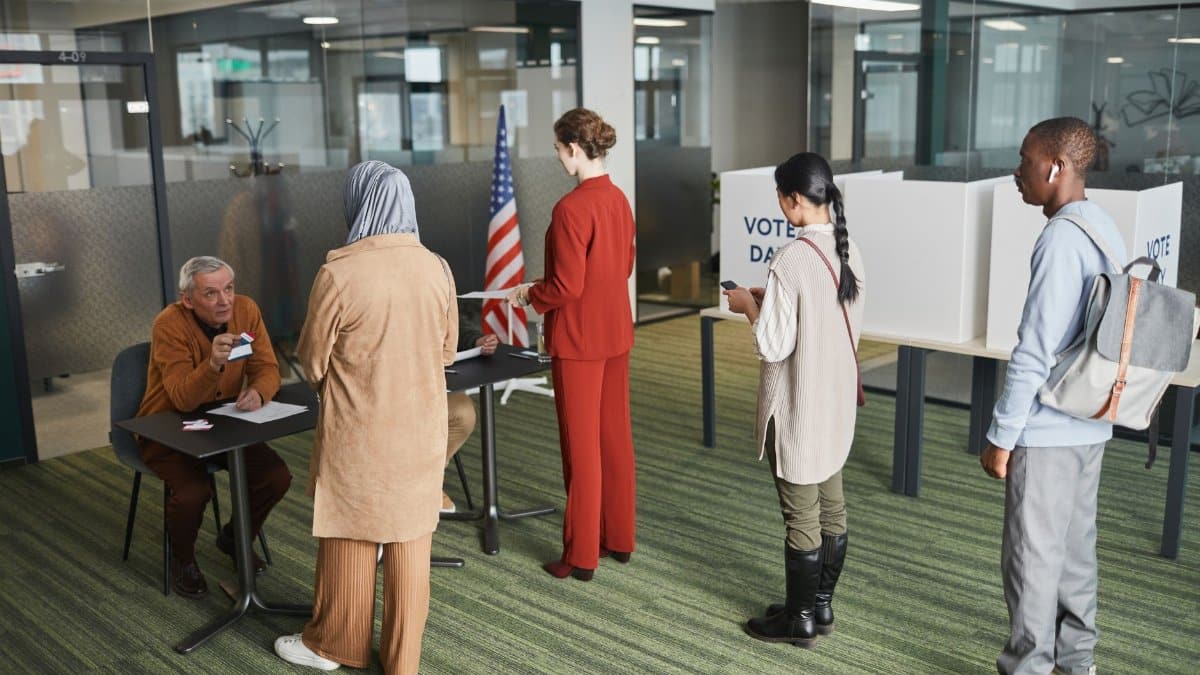
Participation from those in their forties through sixties has remained consistent in recent primaries. Many cite convenience of mail ballots as a factor in their decisions. Campaigns target this group with messages on fiscal responsibility and local services.
Role of Independent Voters
Those without party registration play a notable part under the current rules. Their selections can determine which names appear on the general election ballot. Analysts track shifts in this segment as indicators of wider sentiment.
Local Issues Driving Engagement
Topics such as public safety and environmental protections surface repeatedly in candidate forums. Community groups organize discussions to connect residents with the options before them. These gatherings often reveal shared concerns that cross typical divides.
Looking Ahead to November Outcomes

The results of the Washington primary will set the stage for a fall contest that includes federal and state positions. Winners must build coalitions that extend beyond their initial support. This process tests adaptability in a diverse electorate.
Reflections on Civic Participation

Engagement in the Washington primary reflects a steady commitment to self governance among residents. Each cycle brings fresh voices alongside familiar ones. The act of voting remains a quiet yet powerful expression of collective intent.