

In a coordinated response to recent trade restrictions, officials across multiple states moved quickly to protect local economies from rising costs on imported goods. Court filings detail how these measures, enacted without broad legislative input, have disrupted supply chains and increased expenses for manufacturers and consumers alike. This Trump tariffs lawsuit represents a direct challenge to federal authority under longstanding trade statutes and raises questions about the balance of power between states and the executive branch. With Illinois taking a leading role among the plaintiffs, the case draws attention to how such policies affect everything from agriculture to retail across the Midwest and beyond.
Origins of the Current Trade Measures
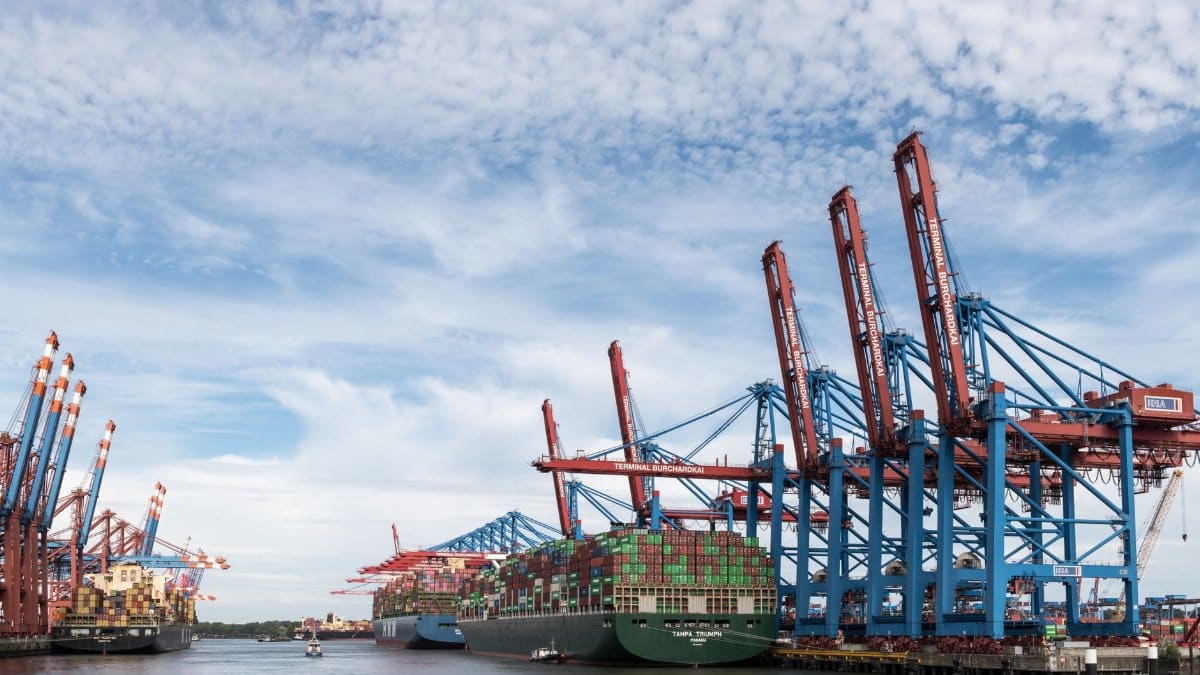
The administration implemented new duties citing concerns over unfair foreign practices in key sectors. States argue that these steps bypassed required procedural reviews and failed to account for regional economic differences. Documents submitted in the case outline how prior tariff rounds already strained budgets, forcing adjustments in public spending and private investment alike.
Role of Illinois in the Legal Action

Illinois joined the effort early, citing heavy reliance on international commerce for its factories and farms. State attorneys highlighted specific industries facing higher input prices, including machinery production and food processing. Their participation underscores a pattern of Midwest states pushing back against policies seen as favoring coastal or national interests over local realities.
Legal Grounds Presented by the Plaintiffs

The complaint centers on claims that the executive exceeded powers granted under trade laws by imposing duties without sufficient evidence of harm. Lawyers for the states reference past court rulings that limited unilateral actions in commerce matters. They seek to halt enforcement pending further review by federal judges.
Economic Effects Felt in Affected Regions

Business owners report rising costs passed along to customers, with some suppliers shifting sources to avoid added fees. Agricultural exporters note retaliatory barriers in overseas markets, reducing demand for American crops. Data from state agencies show slowed growth in employment within trade dependent sectors since the measures took effect.
Reactions Among Business Communities

Industry groups have issued statements supporting the lawsuit, emphasizing the need for predictable rules in global commerce. Smaller enterprises describe difficulty planning expansions when tariff levels fluctuate with little notice. Larger firms have begun exploring domestic alternatives, though many acknowledge limitations in scaling up quickly enough to offset losses.
Historical Parallels in Trade Disputes

Previous administrations faced similar pushback when attempting broad tariff expansions, with courts sometimes requiring additional justification. States have occasionally prevailed in limiting federal overreach in economic policy. This episode fits into a longer pattern of tension between national security claims and state level economic autonomy.
Possible Paths Forward for Resolution

Judges may order further hearings to examine the factual basis for the duties or could narrow the scope of enforcement. Negotiated settlements remain possible if the administration adjusts implementation details. Observers note that outcomes could influence future executive actions in trade matters for years ahead.
Broader Implications for State Federal Relations
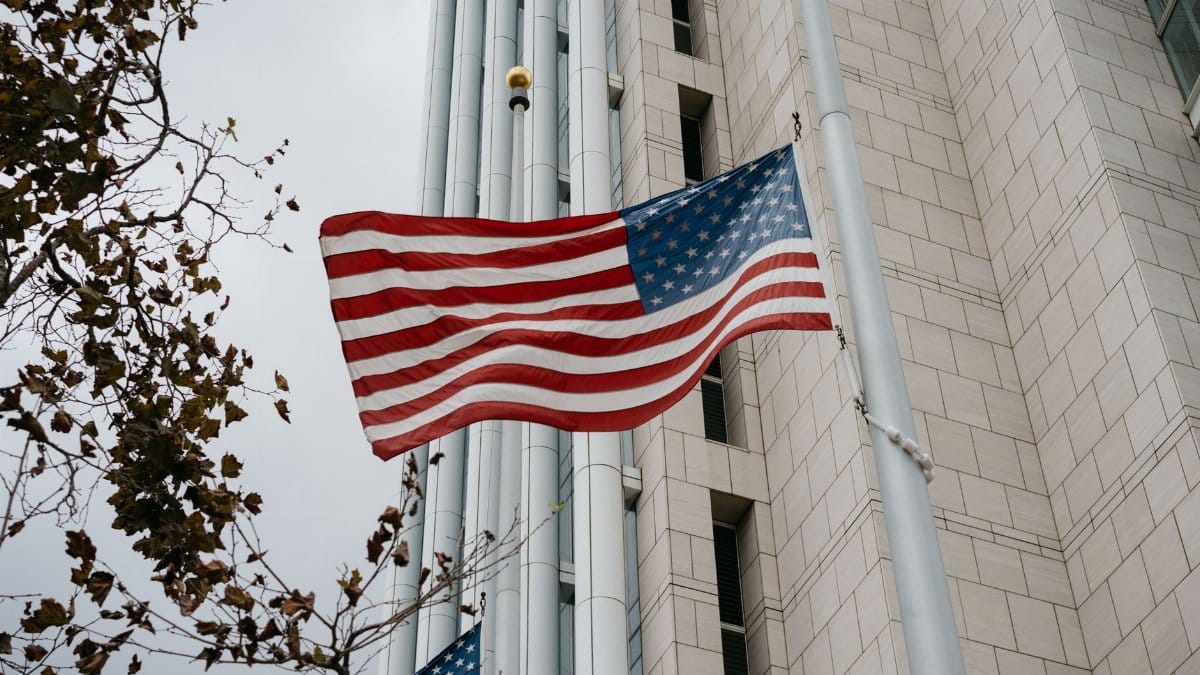
The lawsuit highlights growing willingness among states to contest federal economic policies through the courts. Success here might encourage additional challenges on issues ranging from environmental rules to labor standards. Such developments point toward a more fragmented approach to national policy making in coming cycles.