

In a West Texas hall in Abilene, the man preparing to lead the state farm agency told rural leaders that the work ahead is not only about crops and cattle. Clayton Tucker, the incoming Texas agriculture commissioner, said the department should stand between families and the forces that empty small towns: closed hospitals, aging ranchers, and land that slips out of local hands. The setting was a rural symposium, and the promise was plain. Protect people. Protect land. The harder question is whether an office built for markets, weights, and inspections can carry a mission that sounds closer to public health and community survival.
A hall in Abilene and a wide promise

Abilene sits far from the Capitol, which is part of the point. Rural Texas often hears policy after it has already been written. Tucker used the symposium to reverse that order, at least in rhetoric. He framed the agency as a protector of people as well as soil, and he tied that protection to two practical goals: wider access to rural hospitals, and a clearer path for younger Texans into farming and ranching.
Those goals are easy to applaud and hard to staff. A commissioner does not run hospital districts. A commissioner does not mint new ranchers. What a commissioner can do is set priorities, spend limited program money, speak for rural counties in Austin, and decide which problems count as agriculture and which get filed under someone else’s letterhead. The Abilene remarks put people and land in the same sentence. The next years will show whether that sentence becomes a budget, a rule, or a slogan.
The job behind the title

The Texas agriculture commissioner heads the Texas Department of Agriculture, an elected statewide post with a reach that surprises people who picture only cotton and cattle. The agency touches school meals, pesticide rules, weights and measures, export promotion, rural economic programs, and the marketing of Texas products. It is a consumer office and a producer office at once. A bad scale in a grocery store and a drought on a ranch can both land, in different ways, on the same organizational chart.
That breadth is a strength and a trap. Voters hear agriculture and imagine fences. The daily work is often forms, inspections, and federal partnerships. When an incoming leader says the agency will protect people and land, listeners should ask which tools he means. Protection can mean enforcing existing law. It can mean new grants. It can mean using the bully pulpit so that hospital closures and land loss are treated as farm issues rather than as distant social problems. The title sounds agricultural. The leverage is political as much as technical.
Hospitals that sit too far from home
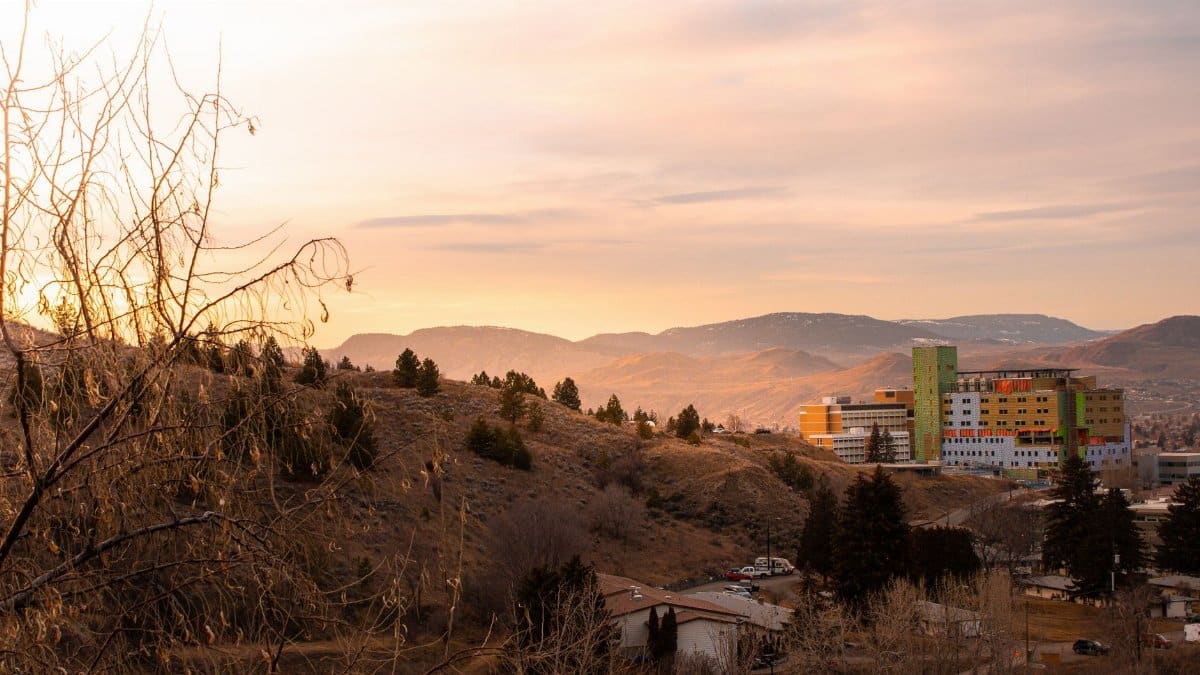
Rural hospital access is the most striking item on the list Tucker laid out. Farm work is dangerous. Distances are long. When a county loses its hospital, a heart attack, a tractor injury, or a complicated birth becomes a highway problem. Families already weighing whether to stay on a place must also weigh whether an ambulance can arrive in time. That calculation does not appear in commodity prices, but it shapes who remains.
An agriculture department cannot reopen a ward by decree. It can, if it chooses, treat health access as rural infrastructure, the way it already treats water, broadband, and markets. It can convene hospital leaders with county judges and producer groups. It can argue in the Legislature that a ranch economy without emergency care is a ranch economy on borrowed time. The Texas agriculture commissioner will be judged here less by speeches in Abilene than by whether rural health shows up in the agency’s requests, its partnerships, and its public calendar after the symposium lights go down.
Readers should keep a sober view of jurisdiction. Medicaid policy, trauma designation, and nurse staffing live mostly outside this office. A commissioner who promises hospital access without naming partners risks selling a result he cannot deliver alone. A commissioner who names those partners, and then shows up for the unglamorous meetings, is doing the job the promise actually requires.
The next generation on the land

The second pledge, drawing younger Texans into farming and ranching, runs into arithmetic that no speech can repeal. Land prices in much of the state have climbed beyond what a beginning operation can service. Equipment is expensive. Insurance is expensive. A young person can love the work and still fail the spreadsheet. Inheritance helps some families and locks others out. The average producer is older, and the pipeline behind that average is thin.
What might an agency do that is more than a poster? It can expand beginner programs, pair new operators with retiring ones, and push credit products that do not assume a family already owns the dirt. It can make school based agriculture feel like a career rather than a club. It can talk honestly about off farm income, because many successful young producers will not live on commodity checks alone. Tucker told the Abilene audience he wants younger Texans in the work. The test is whether the Texas agriculture commissioner treats entry as a finance problem and a training problem, not only as a matter of inspiration.
Water, soil, and who gets to stay
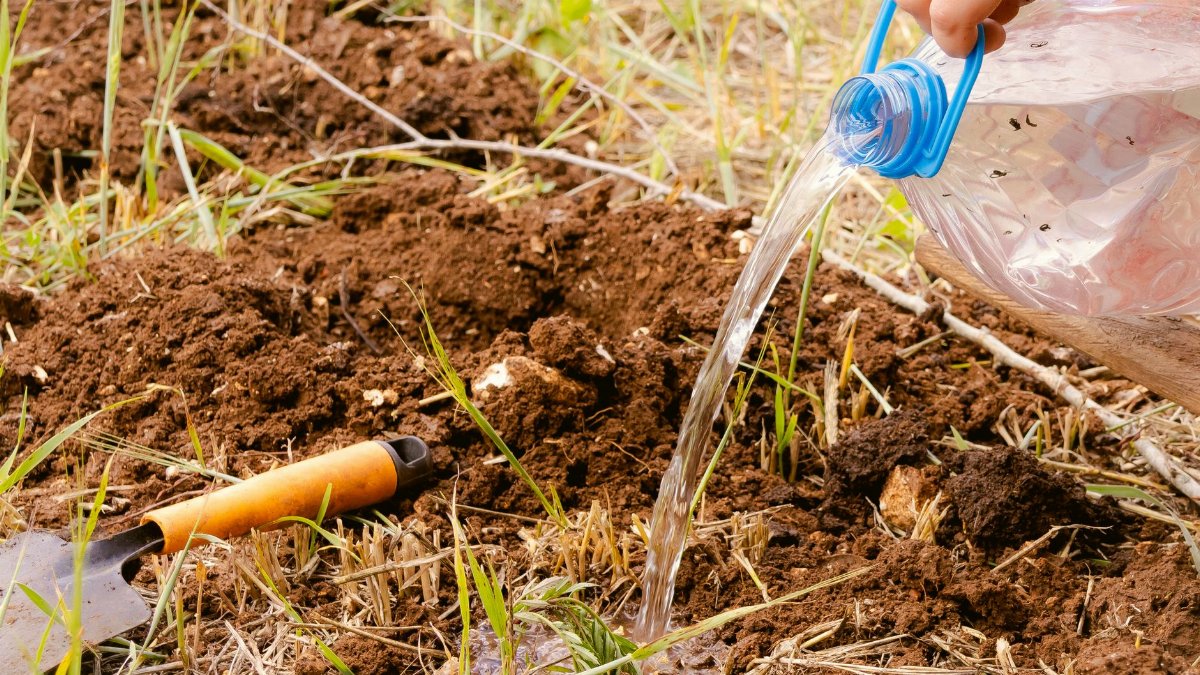
Protecting land is a phrase with several meanings, and they do not always agree. It can mean keeping working acres in production rather than converting them to rooftops and pads. It can mean conserving soil and guarding groundwater so the next generation inherits a functioning place, not a depleted one. It can mean defending property rights against rules that producers see as hostile. Those aims collide when a city needs water, a subdivision needs lots, and a playa or an aquifer needs time.
Texas has lived this tension for decades. Growth along the Interstate corridors pulls land out of grass and cotton. Drought punishes the acres that remain. A commissioner who promises protection has to say protection from what. From sprawl. From depletion. From fraud in the marketplace. From policies written without rural voices. Each answer implies a different ally and a different opponent. Vague protection pleases a room. Specific protection organizes a fight.
Land is also a social fact. When a family sells, a school loses students, a church loses members, and a volunteer fire department loses a driver. The agency does not own those institutions. It does shape the economic weather around them. A credible land policy would admit that markets, inheritance, and water law matter more than morale.
Markets that still feed a state
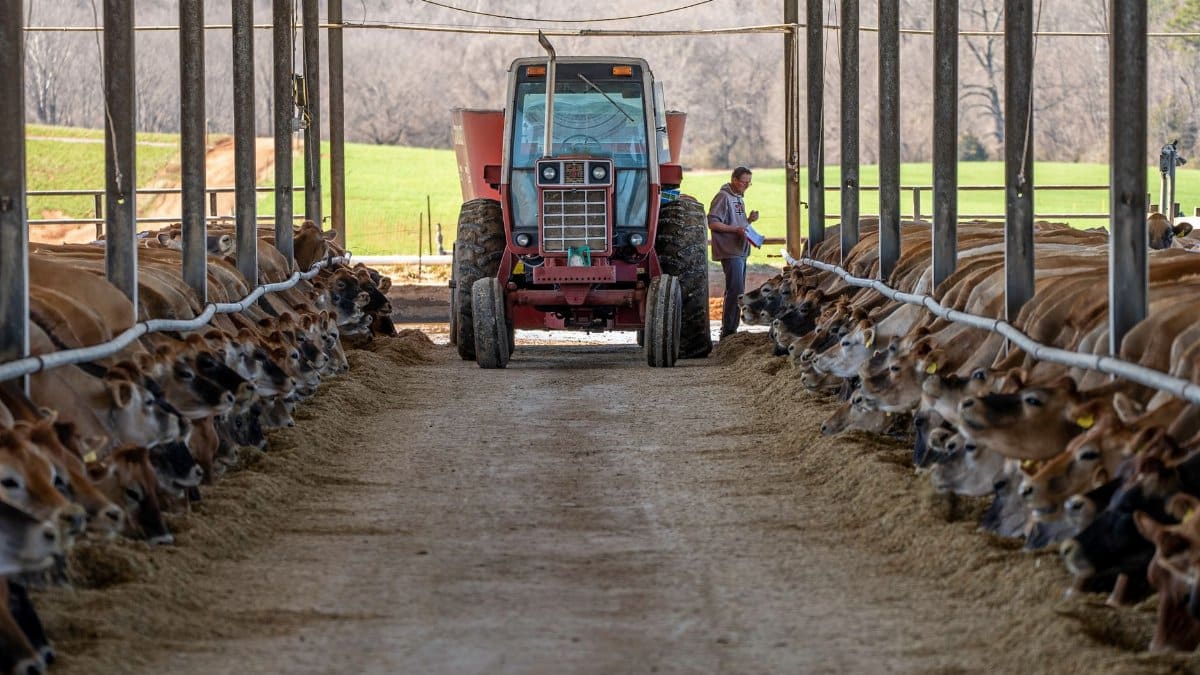
None of the civic language erases the core commercial job. Texas producers sell into national and global markets that do not pause for symposiums. Cattle, cotton, dairy, produce, timber, and nursery stock still need fair weights, honest labels, and doors that open abroad. Consumers still need confidence that food programs and inspections mean what they say. If the new leadership spends all its political capital on hospitals and youth and neglects the market machinery, producers will notice first.
The better reading of the Abilene message is that people and land are the reason the market machinery exists, not a replacement for it. A school meal program that buys Texas products can support both nutrition and local farms. An export push can keep a medium sized operation alive long enough for a daughter or a hired neighbor to take it on. Protection, in that sense, is not softness. It is the unromantic work of keeping legal and commercial systems trustworthy.
What an agency can and cannot do

Expectations are the quiet risk in any inaugural promise. Rural Texans have heard many officials vow to save the countryside. Some delivered grants and disaster help. Some delivered talking points. The department has real programs and real limits. Federal rules constrain pieces of its work. The Legislature sets much of the money. Courts and sister agencies hold pieces of water, health, and land use. A commissioner who pretends otherwise will disappoint the very people he means to protect.
Honesty about limits can itself be a form of respect. Tell a county what the office will fund, what it will advocate, and what it cannot touch. Then keep the list short enough to finish. Rural leaders in Abilene did not need a poetry reading about the land. They needed a map of responsibility. If Tucker provides that map, the wide promise becomes governable. If he does not, the promise will join a long shelf of rural vows that photographed well and changed little.
Rural Texas as more than a backdrop
Too much statewide politics treats rural Texas as scenery for someone else’s argument. The symposium framing pushed back, placing hospitals, youth, and land at the center rather than at the edge of an agriculture speech. That shift matters even before a single rule changes. Agencies follow the questions their leaders repeat. If the repeated questions are about who can reach a doctor and who can afford a first herd, staff will start bringing those questions into program design.
There is a cultural piece as well, though it should not be sentimental. Many Texans still understand stewardship as a duty owed to a place and to the people who will live there later. That duty is not a substitute for policy. It is a reason policy should be specific. Protecting people and land fails when it stays atmospheric. It begins to work when a young producer can find credit, a county can keep an emergency room, and a family can see a future that does not require selling the home place to a buyer who will never walk it.
The politics of protection
The office is elected, so the promise is also a political document. Supporters will hear a commissioner who widens the definition of agriculture to include the conditions of rural life. Critics will ask whether hospital talk distracts from producers, or whether youth talk papers over hard conflicts about water and growth. Both reactions are fair. The useful argument is not about tone. It is about choices: which programs grow, which rules are enforced, which communities get the commissioner’s time.
Tucker arrives, on the account given in Abilene, as the incoming Texas agriculture commissioner with a mandate he described himself. Mandates fade. Calendars remain. Watch the first budget requests. Watch whether rural health leaders are in the room when agriculture policy is drafted. Watch whether beginner farmers get more than a conference panel. Those are dull indicators. They are also the ones that separate a protector from a narrator.
A test that will not wait for speeches

Texas will not pause while a new administration finds its voice. Drought, land prices, hospital finances, and commodity swings do not respect inaugural seasons. The Abilene pledge, to protect people and land, to widen hospital access, and to draw younger Texans into the work, is large enough to be meaningful and large enough to fail in public. That is appropriate for an office this visible.
The fairest early judgment is modest. Clayton Tucker has named the right stakes for a rural state: bodies that need care, and acres that need successors. The Texas agriculture commissioner will earn trust if those stakes show up in partnerships, spending, and enforcement, not only in a well received speech. People and land are not slogans. They are the residents who still answer when the county calls, and the ground those residents are trying not to leave.