
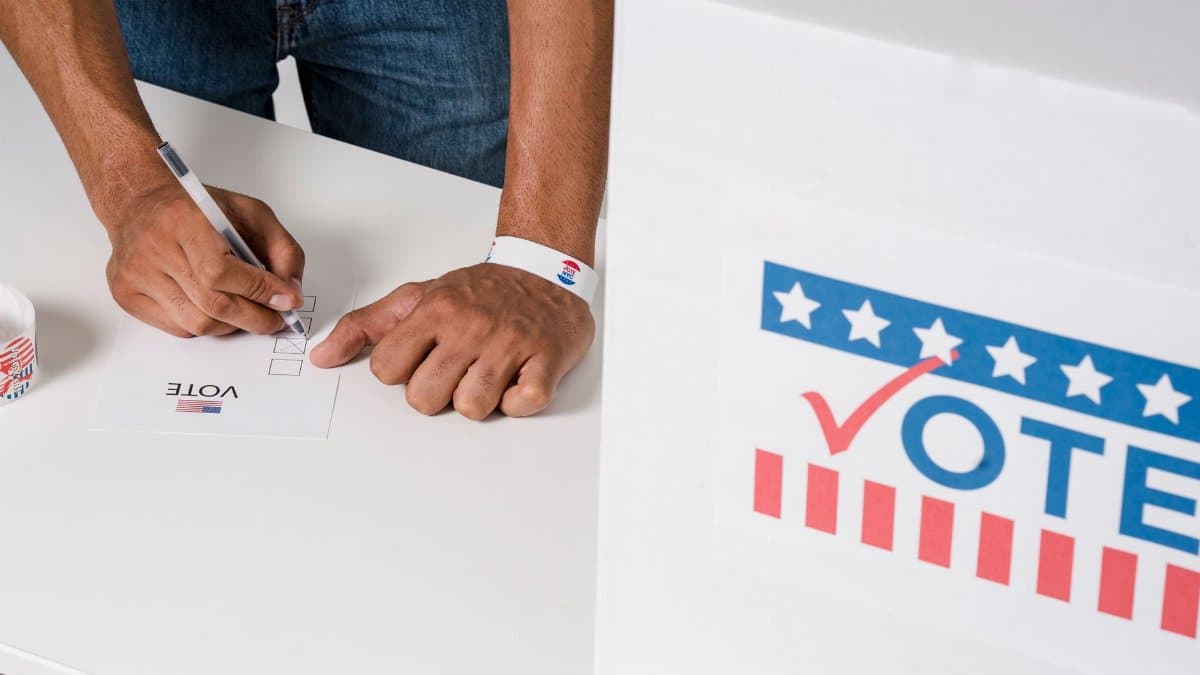
On the morning after the first day of early voting, the number that traveled fastest across Texas was not a poll or a prediction. It was a raw count from Harris County, where more than 104,600 people cast ballots on October 19, a first day midterm mark the county had never reached. For anyone watching Texas early voting turnout, that single figure reset the conversation before most campaigns had finished their opening weekend. Lines formed in parking lots before dawn. Clerks stamped envelopes and scanned identification while the sun was still low over Houston. The rest of the state woke up to a reminder that the election had already begun.
A record morning in the state’s largest county

Harris County is not a tidy sample of Texas. It is a sprawling urban county with millions of residents, a mix of languages, and a history of close local fights layered over statewide ones. A first day total above 104,600 does not, by itself, decide a governor’s race or a Senate contest. It does show that a very large number of people treated the opening of early voting as an appointment rather than an afterthought. County officials described the day as orderly, with the usual friction of a big launch: a machine that needed a restart, a precinct that ran short of a form, a voter who arrived at the wrong site and was redirected. None of that dulled the headline. The county had broken its own midterm first day record, and the break was not marginal.
Records of this kind are fragile comparisons. Population grows. Early voting hours change. A storm can empty a Tuesday and fill a Saturday. Still, a shattered mark in the state’s most populous county is the sort of fact campaigns cannot ignore. It tells organizers that their lists are live. It tells journalists that the tracker they publish each evening will be read as a horse race even when it is only a snapshot.
What a daily total can and cannot say

A turnout tracker is a public service and a temptation. Readers want a winner before there is a winner. The honest use of the numbers is narrower. Daily early vote totals show how many ballots have been cast, where they were cast, and how that pace compares with a prior election of similar type. They do not show how those ballots were marked. In Texas, early ballots are not tallied for candidates until the polls close on Election Day. A county can lead the state in ballots accepted and still split nearly evenly when the count begins.
That limit is easy to forget when a map turns dark green over Houston and stays pale over smaller counties. Raw volume follows population. Harris County will almost always post a larger absolute number than a rural county with a few tens of thousands of registered voters. Rate matters more for comparison: ballots cast as a share of registered voters, or as a share of the votes cast in the last midterm. A good tracker shows both, and it labels the difference in plain language.
Why early voting became the main event

For a generation, Election Day was the civic climax and early voting was a convenience for people who traveled or worked odd shifts. That balance has flipped. In recent Texas general elections, a large share of all ballots has arrived before the traditional Tuesday. Campaigns now build their field programs around the early voting window the way they once built them around a single morning of door knocks. Television buys peak when the polls are already open. Mailers land in the week before the first day, not the week before the last.
The shift has practical causes. Work schedules are less forgiving. Many voters prefer to choose a quiet weekday over a crowded Tuesday. Counties have expanded sites, sometimes placing them in libraries, community centers, and large retail parking lots. Once a habit forms, it tends to stick. People who voted early in one cycle often vote early in the next, and they tell their neighbors the line was shorter on a Wednesday afternoon than they feared.
Reading Texas early voting turnout without a scoreboard
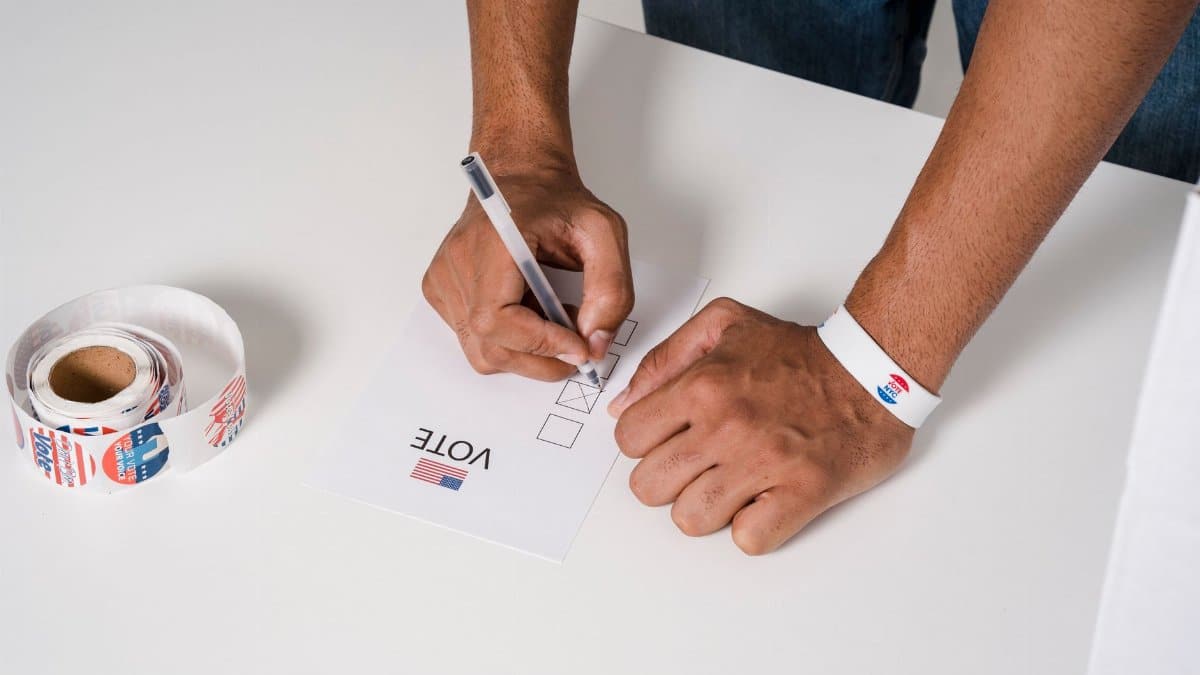
Texas early voting turnout is best read as a measure of mobilization, not of preference. A high number can mean enthusiasm, anxiety, organization, or all three. It can also mean that a county simply made voting easier: more sites, longer hours, clearer signs, shorter waits. A low number can mean apathy, or it can mean that a large share of that county’s voters still plan to show up on Election Day, as many rural communities traditionally do.
Comparisons across cycles need the same caution. A midterm is not a presidential year. Turnout in presidential cycles in Texas runs higher, and the early vote share can look different because occasional voters enter the pool. Matching a midterm first day against a presidential first day flatters or punishes the wrong baseline. The relevant mirror is another midterm, adjusted as well as the data allow for changes in registration and in the calendar.
Cities, suburbs, and the counties in between

The geography of the early vote in Texas is a geography of density and of habit. Urban counties generate the numbers that dominate a statewide tracker because they contain the people. Suburban counties often generate the suspense, because their electorates have been less predictable from one cycle to the next and because small shifts there move statewide margins. Rural counties rarely lead a raw count leaderboard. They can still decide the character of the early vote if their rates run unusually high or unusually low relative to their own history.
Harris County’s opening day sits at one end of that map. It is a signal from the urban core, not a verdict on the Panhandle or the Piney Woods. A careful reader looks for whether Collin, Denton, Fort Bend, Williamson, and similar suburban counties keep pace with their own prior midterms, and whether smaller counties report steadily or bunch their voting into the final weekend. The tracker is a chorus. One loud voice does not write the song.
Competitive races and the decision to vote now

The first day record arrived amid competitive statewide races, the kind that pull occasional voters into a midterm they might otherwise skip. Competition does not guarantee turnout, but it gives campaigns a reason to spend and volunteers a reason to call. When both parties believe a statewide office is within reach, the early voting window becomes a daily contest for attention. Each evening’s county report is treated, fairly or not, as a progress report on that effort.
Voters have their own reasons, which are rarely as tidy as a strategy memo. Some want the civic task finished so they can ignore the ads. Some worry that a work shift, a child’s game, or a medical appointment will collide with Election Day. Some have been asked, more than once, by a neighbor or a congregation or a union hall. The ballot they cast on day one is still a secret. The fact that they cast it is public, and that fact is what the tracker records.
Who tends to arrive before the final Tuesday

Early voters are not a random draw from the registration roll. Older voters have long been more likely to use the early period, in Texas and elsewhere, partly because schedules are more flexible and partly because the habit is older. Party balance in the early vote has shifted over time and should not be assumed from memory of a single famous year. What persists is organizational: the voters who are already on a contact list, who have a polling place they know, and who do not need a last minute push are overrepresented in the first week.
That pattern can mislead. A slow start among younger voters does not mean they will be absent. It often means they vote later in the window or on Election Day. A tracker that stops at the first Friday will miss them. So will a story that treats the first day as destiny. The useful question is whether the mix of ages and of counties broadens as the days pass, or whether the electorate stays narrow.
The machinery behind the numbers

Behind every clean total is a county election office doing unglamorous work. Poll workers are trained, machines are tested, ballot styles are loaded for each precinct’s unique set of races, and chain of custody rules govern every sealed container. In person early voting produces a daily public report. Mail ballots arrive on a different rhythm, subject to eligibility rules, signature review, and deadlines that voters routinely misunderstand. A tracker that blends the two without labels will confuse more than it clarifies.
Harris County’s scale makes the machinery visible. A first day above 104,600 means thousands of check ins per hour across many sites. It also means that small error rates, trivial at a single precinct, can look large in absolute terms. Transparency about rejected mail ballots, provisional ballots, and site closures matters as much as the celebratory total. Trust in the early vote depends on the public being able to see both the volume and the exceptions.
Barriers that a record does not erase

A broken record can sit beside unfinished problems. Some voters still face long drives to the nearest site. Others face identification rules they find confusing, or a mail ballot process they do not trust themselves to complete correctly. Language access varies. So does the quality of signage and the length of the wait at peak hours. A county can post a historic total and still leave a meaningful share of registered voters effectively discouraged.
Journalists covering the tracker should ask the dull questions alongside the exciting one. Were sites open the full advertised hours. Did any close early. How long was the longest wait, and where. How many mail ballots were flagged for cure, and were voters told in time. Those details do not travel as fast as 104,600. They explain whether the record reflects a wide open door or a very efficient use of a narrower one.
The civic ritual of showing up early

There is a quieter story inside the count, closer to ritual than to strategy. People dress for work and detour to a library. They bring a parent. They stand in a line that smells like coffee and wet pavement and talk about anything except the ballot. For some, the act carries a weight that is almost devotional: a promise kept to a dead relative, a first vote after naturalization, a refusal to let the day pass unmarked. Texas early voting turnout, stripped of spin, is a record of those private decisions made in public buildings.
That dimension does not belong to one party. It does not forecast a margin. It does explain why a first day number can feel larger than arithmetic. When more than a hundred thousand people in a single county choose to begin the election before most of the state has had breakfast, they are participating in a shared calendar. The tracker measures the sharing. It cannot measure the reasons, which remain, properly, theirs.
How campaigns will misuse the next two weeks

Expect both sides to claim the early vote as soon as a friendly county looks strong and to dismiss it when a friendly county looks weak. That is the nature of a close statewide environment. A responsible reading resists the claim until the votes are counted. Momentum is a story campaigns tell donors. The data are ballots in a box, not yet sorted by candidate.
Still, organizers are right to treat each day as real. Every early ballot is a voter who no longer needs a ride on Election Day, a name that can come off a chase list, a risk removed from a forecast. If Harris County’s opening pace holds in rough proportion, field programs across the state will shift from persuasion toward turnout among people who have not yet appeared. If the pace fades after the first weekend, the story changes again. The tracker earns its keep by being updated, not by being frozen on the morning that produced the headline.
What to watch as the window runs

The days after a record are often more informative than the record itself. Does Harris County sustain a high daily average, or did opening day pull forward voters who would have come later. Do suburban counties accelerate into the second week. Do mail ballots accumulate at a rate consistent with prior midterms, or do rejections spike. Does the final Saturday, traditionally heavy, exceed or fall short of the first Monday.
Readers can keep a short list. Compare each county with itself, not only with Houston. Prefer rates alongside raw totals. Separate in person early votes from mail. Ignore any graphic that colors a county by party before the ballots are counted. And remember that Election Day remains a large event in many parts of Texas, especially where early voting sites are few and the habit of Tuesday voting is old.
A number that starts the story
More than 104,600 ballots in Harris County on October 19 is a fact worth leading with, and a fact easy to overread. It says the state’s largest county opened midterm early voting at a historic clip, in a year of competitive statewide races, under rules that keep candidate results sealed until the end. It does not say who is winning. Texas early voting turnout will keep changing every evening until the window closes, and the meaning of those evenings will stay provisional until the count on Election Day.
The useful posture is patient attention. Watch the tracker. Ask what it measures. Ask what it hides. The people who stood in those lines have already done their part of the work. The rest of the work is not to mistake a beginning for a result.